DIY Lighting Ideas
19 Cool DIY Gadgets You Can Make To Impress Your Friends
DIY gadgets you can build at home: a tin can wifi antenna, rocket stove, homemade AC unit, Game Boy gamepad, Arduino lights and more homemade tech.
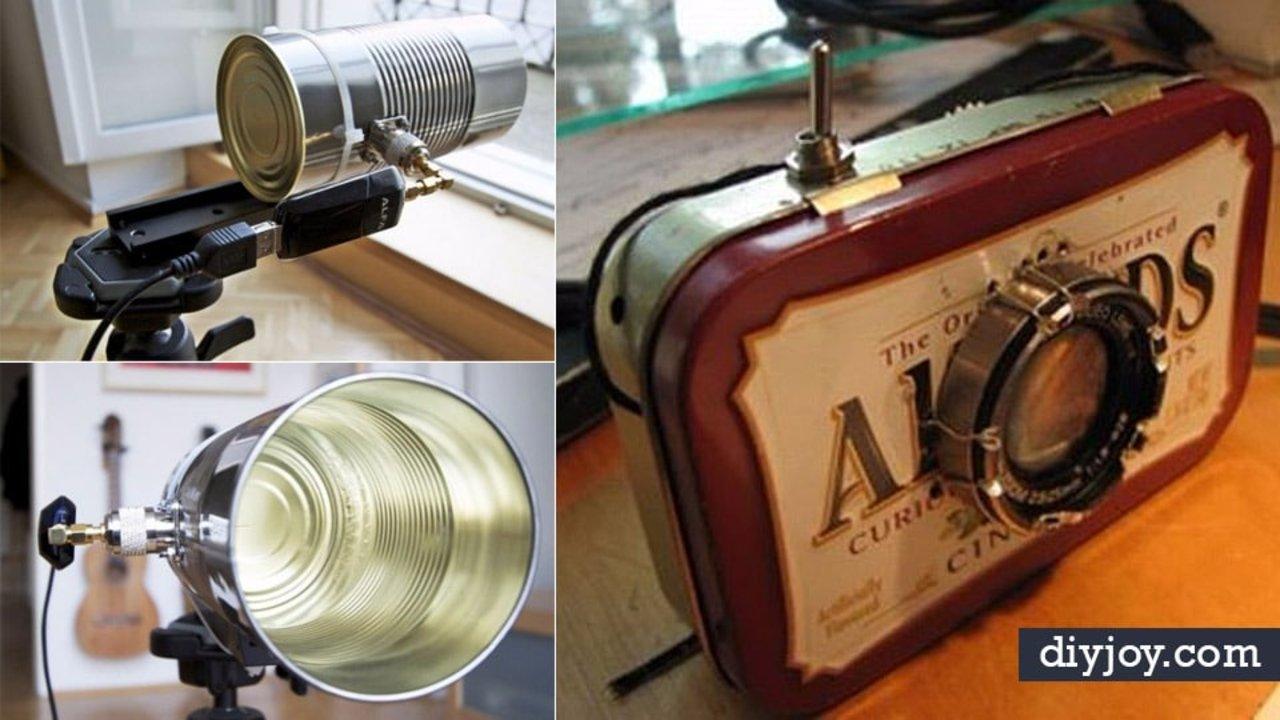
My mother kept a home repair book on the shelf and did all the maintenance on the house herself, so I grew up certain that anything with screws in it was fair game. That is how I ended up fixing my own washing machine with parts from an electrical supply store, and replacing phone screens, phone batteries and laptop displays since. So I have real affection for this kind of list. DIY gadgets are the projects where a tin can becomes a wifi antenna, a cooler and a six inch fan become an air conditioner for about 25 dollars, and a block of wood makes a phone loud enough to fill a kitchen. Some of these are an hour with a glue gun, some are a genuine electronics build with soldering, and a few are more fun to watch somebody else attempt. Start with whatever you already have in the junk drawer.
DIY Gadgets
1. Tin Can Wifi Antenna
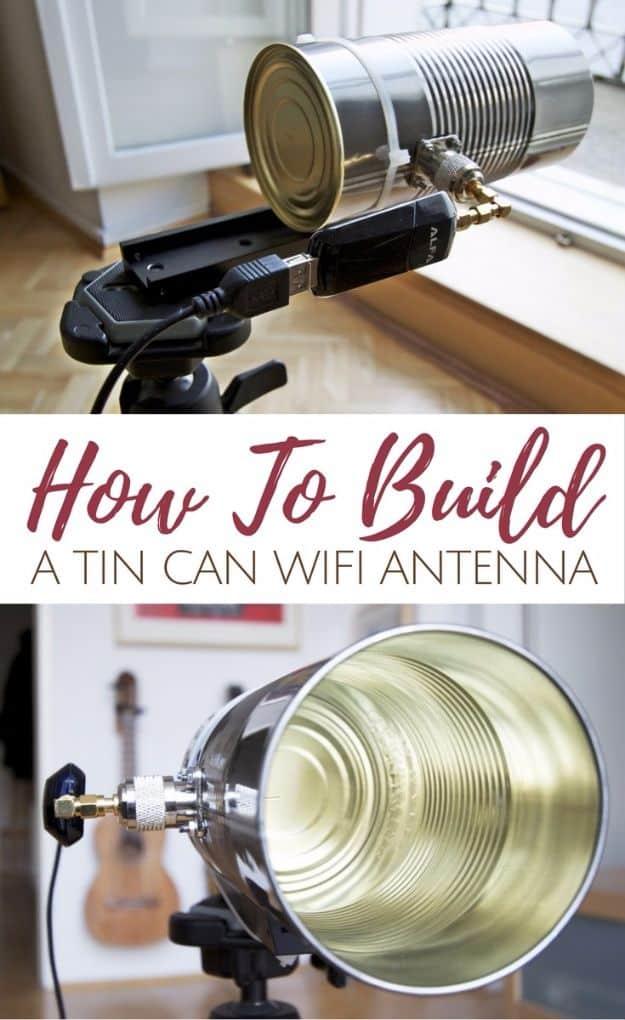
Also called a cantenna. An empty tin can becomes a directional reflector that extends the range of a wifi network, and the source puts the cost at about five dollars. It is aimed at the house with one room the signal never reaches, and at emergency preparedness, where more range means the technology you have keeps working. Worth trying before replacing a router that may not be the problem.
Get the full tutorial at SHTF Preparedness.
2. Rocket Stove

A number 10 can, two large 28 ounce cans, a spare can for the shelf, loft insulation and a wire coat hanger for the handle. Tin snips cut the openings and heavy gloves keep your fingers attached. The finished stove weighs about a pound, packs anywhere and cooks an entire meal on a handful of twigs, which is why it is the demonstration people ask about most at emergency fairs. High heat spray paint is the only optional part.
Get the full tutorial at Prepared Housewives.
3. DIY Homemade Smartphone Projector

A cardboard box, a magnifying glass lens and a phone become a projector that throws video onto the wall. You trace the lens onto one end of the box, cut the hole with a craft knife, tape the lens in, and bend a paperclip into a little stand to hold the phone upright inside. The image is dim, so total darkness is not optional, and the phone has to be set with its screen rotation locked upside down, because the lens flips everything. Line the box with black paper for a sharper picture. Good as a rainy afternoon build with kids.
Get the full tutorial at WonderHowTo (MacGyverisms).
DIY Electronics Ideas
4. Make Cheap Thermal Goggles
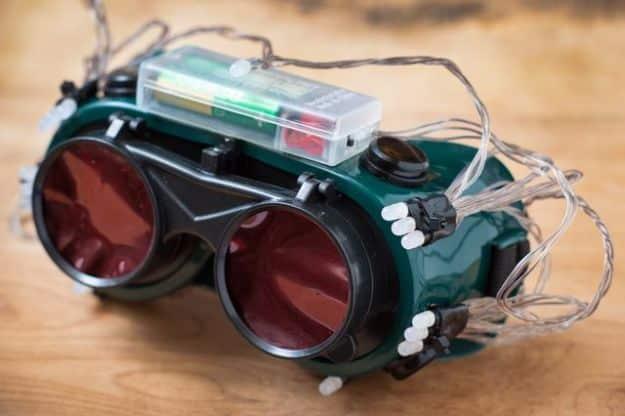
Not true night vision, whatever the page implies, and it is worth knowing that before you build it: this is a colored filter plus an infrared torch. Clear framed goggles have their lenses removed and traced onto Congo blue and primary red theatrical lighting gels, two pieces of each color, cut with a craft knife. Blue goes on first, then red, glued around the outer rim so each eye looks through both. Then eight high intensity infrared LEDs are glued four to a side, their wires taped along the frame, and each set wired to a three volt button cell stuck to the goggles.
Get the full tutorial at Techwalla.
5. Homemade AC Unit
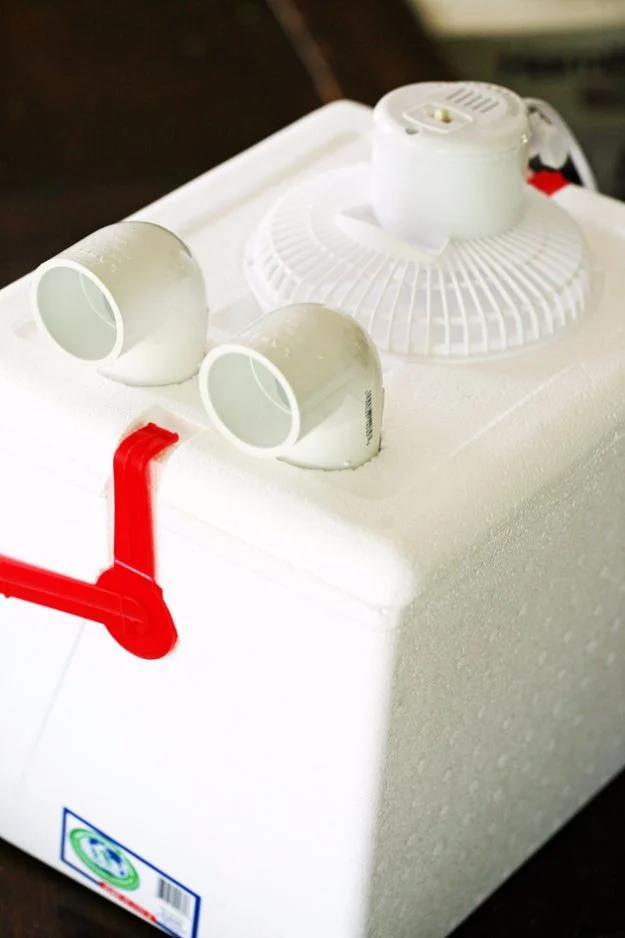
A cooler, a six inch fan and two one and a half inch elbow fittings. Total cost in the source came to about 25 dollars: seven for the cooler, ten for the fan and a dollar seventy two each for the elbows. Frozen gallon bottles go in the cooler, the fan pushes air across them and the elbows direct the cold air out. It takes the edge off a medium room, it needs no drill and no power tools, and it can run off a car battery for an RV or an off grid setup.
Get the full tutorial at Lady Lee's Home.
6. Turn A Standard Electrical Outlet Into A 4-Port USB Charger
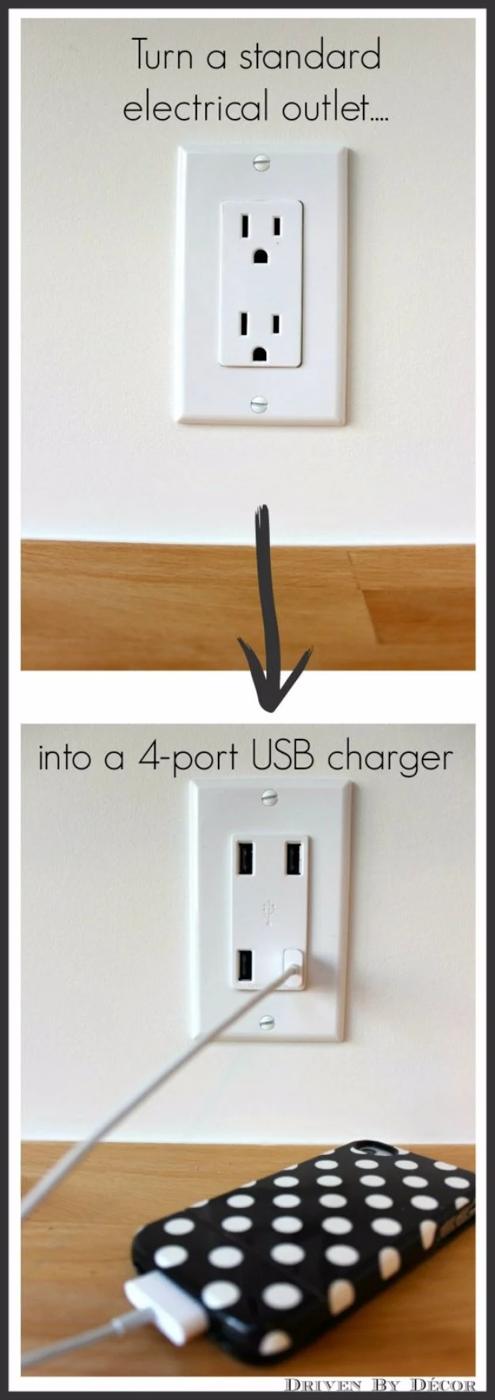
The cure for the tangle of adapter blocks on a nightstand. A standard outlet gets swapped for one with USB ports built into the faceplate, so devices charge straight out of the wall. The source pairs it with a wooden desktop organizer drilled for cords, with felt pads underneath to leave a gap for the cables to run to the outlet behind. Kill the power at the breaker and test the outlet with a lamp before touching anything, every single time.
Get the full tutorial at Driven by Decor.
7. Turn A Game Boy Into Android Gamepad
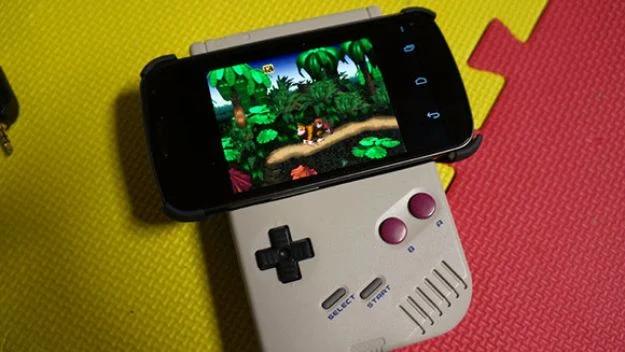
An original DMG-01 Game Boy is gutted, its D-pad and button board cut down, and leads run to the circuit board from a Nintendo Wiimote so the whole thing talks Bluetooth to an Android phone. The phone sits above the shell and the emulator runs on it. Real soldering is involved. Source a broken Game Boy rather than sacrificing a working one, since plenty of people cannot bring themselves to cut into a good one.
Get the full tutorial at Hackaday.
8. DIY Wrist Mounted Crossbow
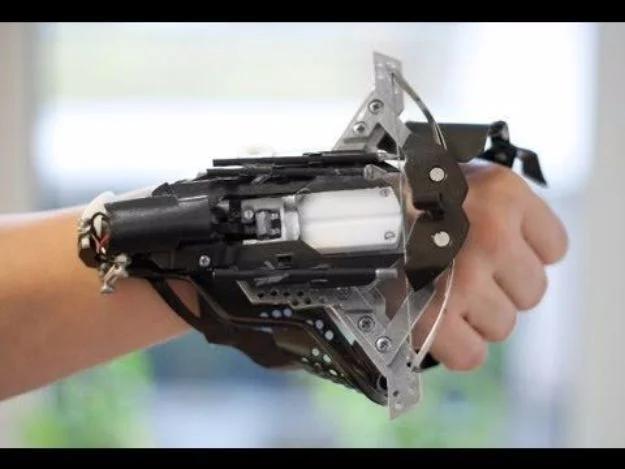
Patrick Priebe normally builds lasers, so this wrist mounted crossbow is him going medieval for once. It is his own build rather than a tutorial, and Engadget has the write up and the video of it firing. Read it as the ambitious end of what one person makes in a home workshop, not as a project to attempt. Anything that launches a bolt off your forearm is a real weapon and deserves that respect.
Get the full tutorial at Engadget, featuring maker Patrick Priebe.
9. DIY Pop Socket

The store bought version costs real money and this one is a bottle cap. Cut circles out on a home printer, add hot glue to the top of a plastic bottle cap, press a printed circle onto it, and stick the finished grip to the back of the phone. It works as a stand for watching video and it keeps the phone off the counter. Make a dozen in an evening and the design is whatever you print.
Get the full tutorial at DIY Projects for Teens.
10. Sawed-off USB Key
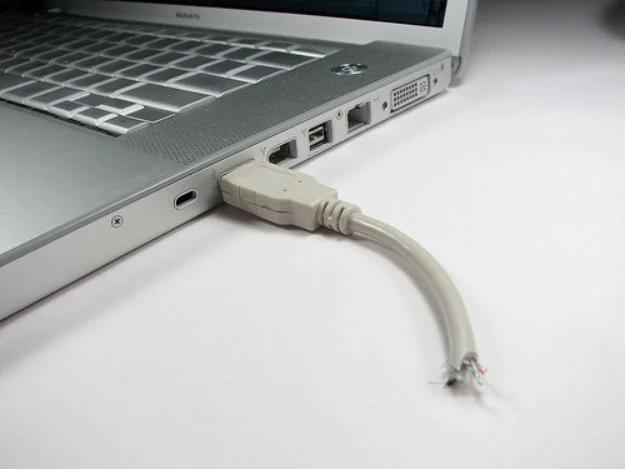
A working flash drive hidden inside the severed end of a USB cable, so it looks like somebody tore the cable in half while it was still plugged into the laptop. The plastic cover peels off a small flash drive to expose the bare circuit board, the shell of a cheap A to B cable is opened at its tabs, and gel style five minute epoxy bonds the board inside and fills the gaps. Then the cable gets cut to length. A black cable hides the seams best.
Get the full tutorial at Evil Mad Scientist Laboratories.
11. Make A Hologram With Your Smartphone
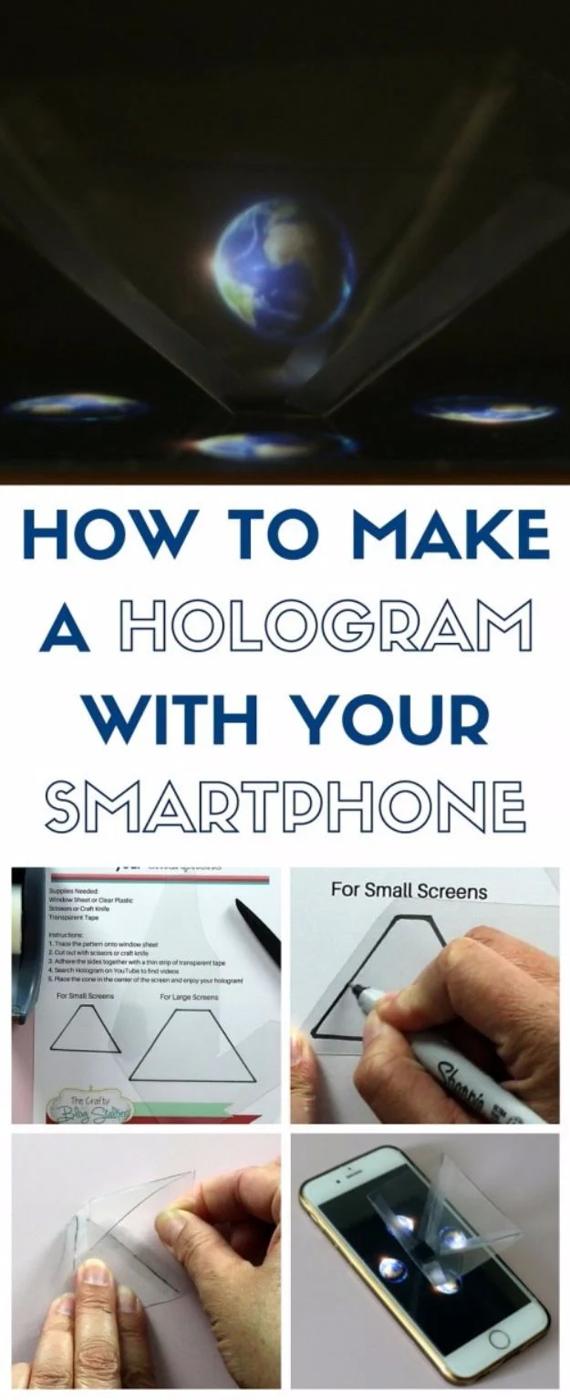
A small pyramid cut from a clear plastic sheet sits on a phone screen, a matching video plays underneath, and the reflection appears to float inside the plastic. It takes about fifteen minutes, uses material most people already have, and the cutting is the only part that has to be done carefully, since clean edges are what make the image crisp. The video choices run from jellyfish to fireworks, and children lose their minds over it.
Get the full tutorial at The Crafty Blog Stalker.
12. DIY Charging Station In A Drawer
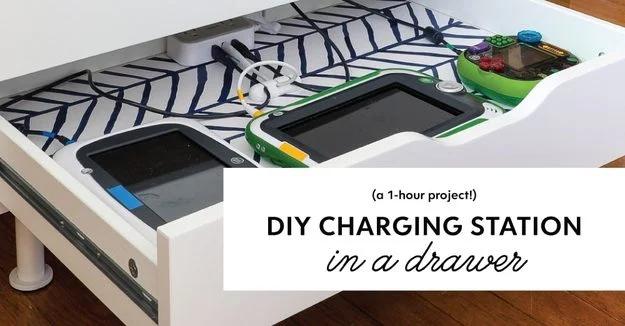
A shallow drawer becomes the charging station, so tablets and phones charge out of sight and the cords stay in one place. A power strip goes into the drawer, a hole gets drilled through the back of the drawer or the cabinet so the plug can reach the wall, and the devices live inside. The source built it in about an hour from things already in the house. Check the clearance at the back before drilling anything.
Get the full tutorial at The Homes I Have Made.
13. DIY Robot Car

A small box on straw axles that drives itself across the floor. Two straws get hot glued to the underside of the box as axle housings, the axles slide through, the wheels press on, and the motor, battery holder and switch glue on top with three wires between them. The motor turns a propeller, so the car pushes itself along like a tiny airboat. One DC motor kit supplies the motor, wheels, axles, switch and wires together, and the build runs 10 to 15 minutes.
Get the full tutorial at Little Bins for Little Hands.
14. DIY Film Projector That Fits In The Palm Of Your Hand
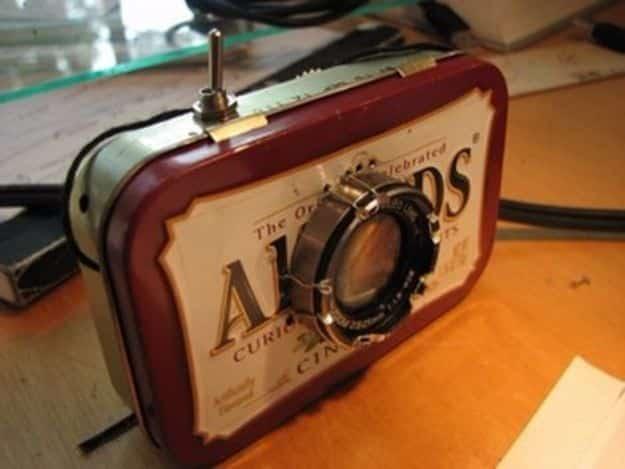
Built out of broken digital cameras rather than bought parts. Pieces from disposable cameras form the film reels, hand cut scrap aluminum supports them, and a rig made from string and a couple of gears advances the film. The slides are images printed onto transparency paper. The whole thing fits in a tin, and it genuinely projects. This is the fiddliest build on the list and the one for someone who found the others too easy.
Get the full tutorial at Hackaday, featuring maker Leonidas Tolias.
15. DIY Night Light
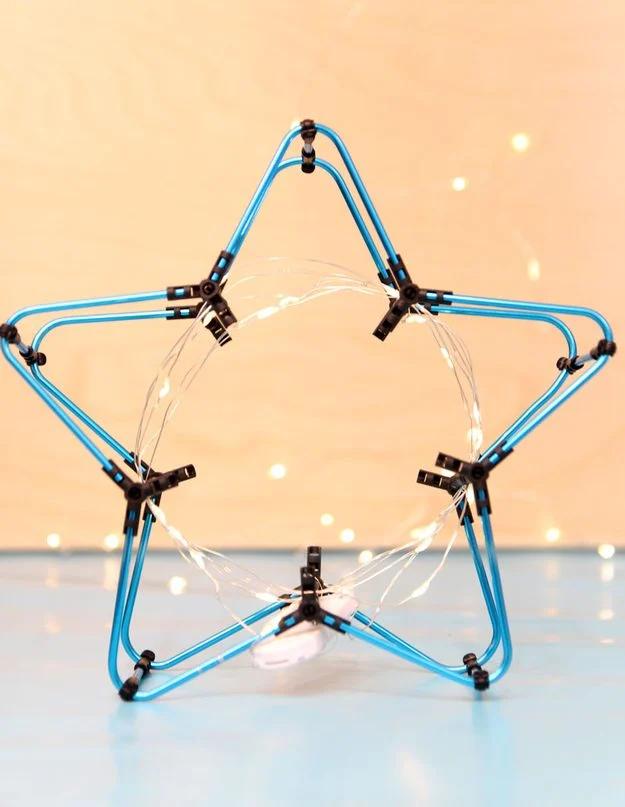
A night light you engineer from raw materials. smART STIX aluminum rods get measured, cut and bent on the kit’s little workbench, connected into a flat star, and a second star is built to match before the two are joined at the points so the shape stands up. A string of battery fairy lights winds around the middle to make it glow. The angles are fussy, which is the point of it as an engineering challenge. The tutorial includes a free printable plan for a star and a house.
Get the full tutorial at Moms and Crafters.
16. DIY Wood Speaker
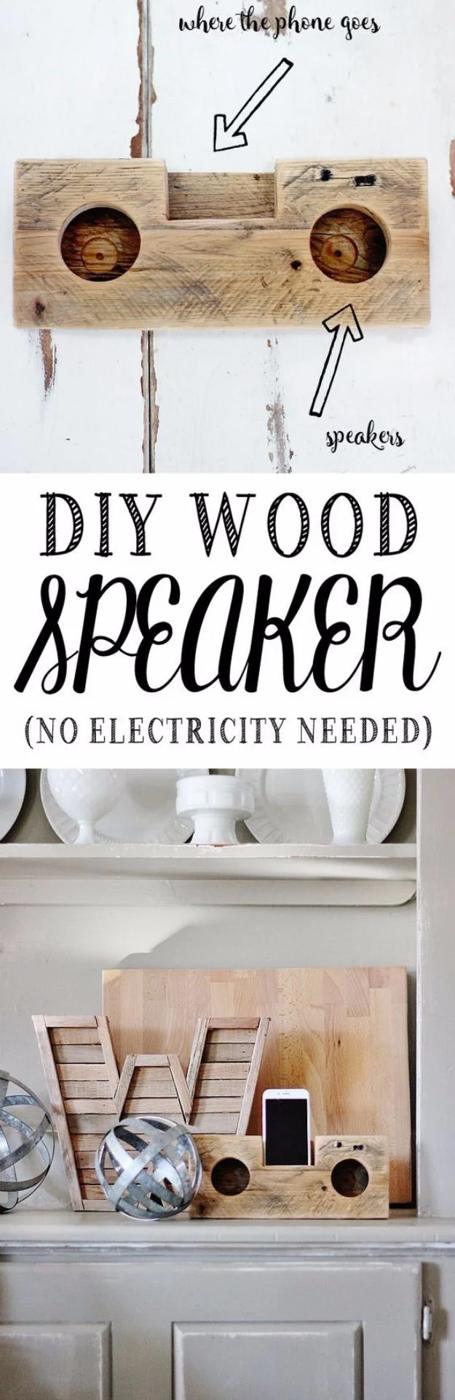
A groove and a chamber carved into a solid block of wood catch a phone’s own sound and amplify it acoustically, on the same principle as a gramophone horn. No batteries, no pairing, no firmware and nothing to break: the phone drops into the slot and the music simply gets bigger and warmer. A scrap of good hardwood lifts the whole piece, so use the nice offcut rather than the pine.
Get the full tutorial at Thistlewood Farms.
17. Make A RC Robot

Worth knowing what this actually is before clicking: the maker calls it a robot puppet rather than a robot. It was built in 2005 for a film, on a four week deadline, after a walking biped was judged too ambitious for the time and budget, so the team pitched a two legged rolling character instead. The build log is the interesting part, a professional prop problem solved fast. Not a kit build and not a weekend project with a child.
Get the full tutorial at Technomanthra.
18. Arduino Project For Beginners
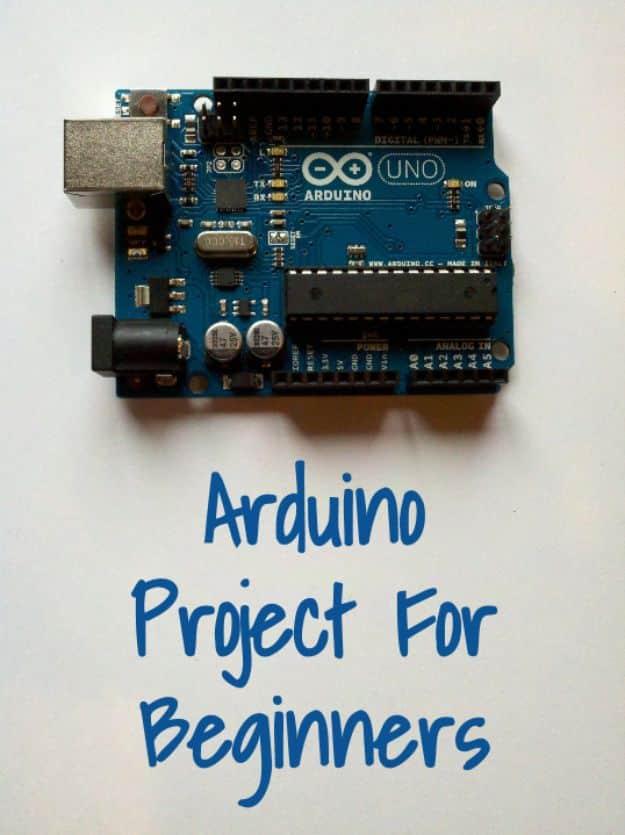
The classic first Arduino project, usually called blink. Connect the board to a computer, open the Arduino software, choose the right serial port under Tools, paste in the sketch and upload it, and the LED built into pin 13 starts flashing once a second. No soldering, no extra components, and the walkthrough explains what each line of the code is telling the board to do. That first blink is where every other electronics project on this list starts.
Get the full tutorial at Cool Stuff 2 Do 4 Kids.
19. Clap ON Clap OFF Light
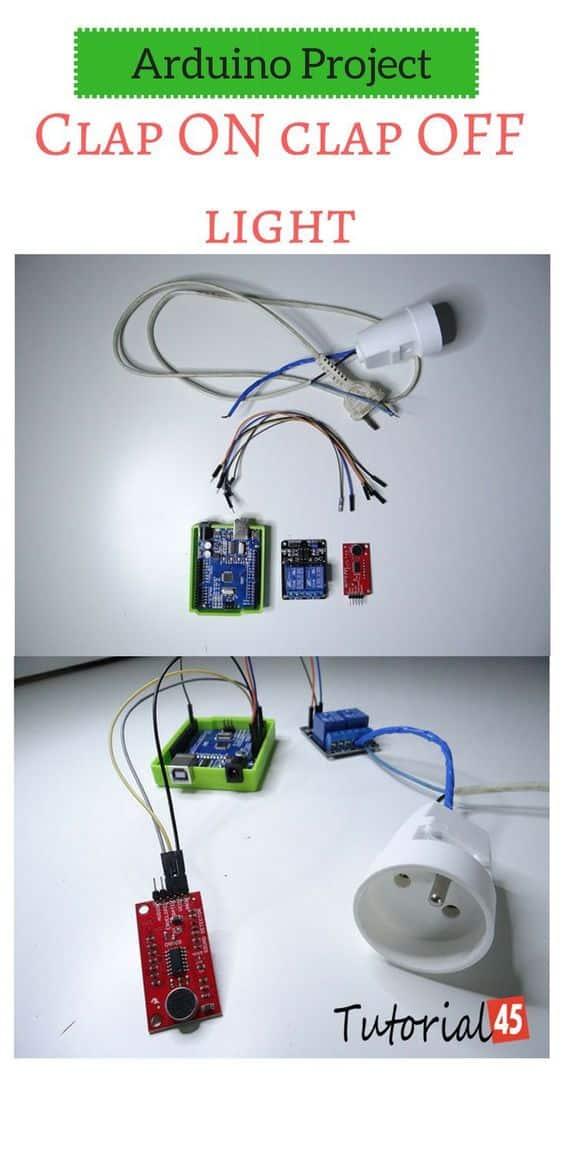
An Arduino, a microphone sensor and a relay give you a lamp that answers a clap. The interesting part is the logic: the sketch stores the last few microphone readings, and only flips the lamp when a loud reading follows a quiet stretch, which is what stops the television and the dog running your lighting. It is the right second project after blink, since it adds a sensor, a relay and a little reasoning without adding difficulty.
Get the full tutorial at Tutorial45.