
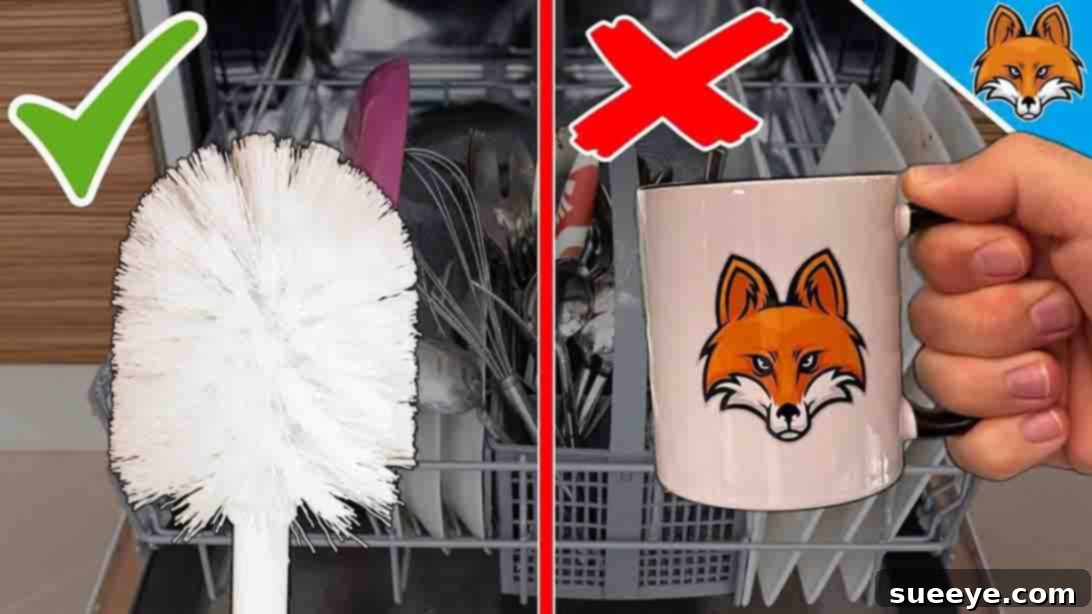
12 Essential Items You Should Never Put in the Dishwasher
For many households, the dishwasher is an indispensable appliance, a true modern marvel that saves countless hours and simplifies kitchen cleanup. Especially for large families or those who love to cook, the thought of washing every dish by hand can be daunting. However, the convenience of this machine often leads us to believe that all kitchen items are fair game for a spin. The truth is, there are several common household and kitchen items that should *never* be placed in your dishwasher. Doing so can lead to irreparable damage, shorten their lifespan, or even compromise the hygiene of your appliance.
Understanding which items are dishwasher-safe and which require a gentle hand wash is crucial for preserving your valuable kitchenware and ensuring your dishwasher operates effectively. This guide, inspired by the valuable insights from Smart Fox on YouTube, will unveil 12 common culprits that often end up in the dishwasher by mistake, potentially leading to irreversible damage, dullness, or even health hazards. From beloved wooden boards to delicate cups and specialized tools, being aware of these items can save you from costly replacements and unnecessary frustration.
RELATED: How To Correctly Load Your Dishwasher
Let’s dive into the specifics and learn how to properly care for these items, ensuring they serve you well for years to come. Knowing these simple rules can significantly extend the life of your kitchen essentials and keep your dishwasher running smoothly.
#1 Anything Made of Wood
Wooden cutting boards, spoons, spatulas, and bowls are beautiful, durable, and functional additions to any kitchen. However, they are highly susceptible to damage in the harsh environment of a dishwasher. The extreme heat and prolonged exposure to hot water and strong detergents can cause wood to absorb excessive moisture, leading to warping, cracking, and splitting. This not only ruins their aesthetic appeal but also creates crevices where food particles and bacteria can accumulate, making them unhygienic. Furthermore, any protective oil finish on wooden items will be stripped away, leaving the wood dry, brittle, and vulnerable.
To preserve your wooden kitchenware, always wash them by hand immediately after use. Use warm water, a mild dish soap, and a soft sponge. Rinse thoroughly and dry them completely with a towel or allow them to air dry upright before storing. Periodically re-oil them with food-grade mineral oil to maintain their luster and prevent drying out.
#2 Egg Slicers
Egg slicers, with their delicate network of thin wires, are designed for precision slicing. Unfortunately, this very design makes them ill-suited for the dishwasher. The intense water pressure and strong detergents can cause the thin wires to bend, warp, or even break. Over time, exposure to harsh chemicals can also dull the wires, making them less effective at slicing and more prone to rust, particularly if they are made from lower-grade stainless steel or aluminum. Once the wires are compromised, the slicer becomes useless.
Cleaning an egg slicer is simple and quick by hand. After use, rinse it under warm running water to remove any egg residue. If necessary, use a small brush (like a soft toothbrush) to gently clean between the wires with a little dish soap. Rinse thoroughly and allow it to air dry completely to prevent rust.
#3 High-Quality Knives
Your treasured kitchen knives, especially those with high-grade steel blades, should never see the inside of a dishwasher. The primary concern is the blade’s edge: the turbulent washing cycle, combined with abrasive detergents, can cause the blade to chip, dull, or even become corroded. This significantly reduces their cutting efficiency and longevity. Moreover, handles made from wood, bone, or certain plastics can be damaged by high heat and harsh chemicals, leading to warping, fading, or loosening. Sharp knives also pose a safety risk in the dishwasher, as they can cut through the protective coating of the racks or even injure someone when loading or unloading.
Always hand wash your good knives immediately after each use. Use warm, soapy water and a soft cloth or sponge, carefully cleaning from the spine towards the blade. Rinse well and dry them thoroughly with a towel to prevent water spots and rust. Store them safely in a knife block, magnetic strip, or knife roll.
#4 Non-Stick Baking Trays and Aluminum Sheets
Many baking trays and sheets are coated with a protective non-stick layer, or are made from anodized aluminum, which provides a durable, non-reactive surface. Dishwashers are notorious for stripping these essential coatings. The high heat and strong chemical detergents can degrade the non-stick finish, causing it to flake off or become sticky, rendering the pan ineffective and potentially unsafe for cooking. For aluminum sheets, especially those not anodized, the dishwasher can cause pitting, discoloration, and an unappealing cloudy appearance, known as oxidation.
To keep your baking trays and sheets in optimal condition, hand wash them with warm, soapy water and a non-abrasive sponge. For stubborn baked-on food, pre-soak the tray in hot soapy water for a few minutes before scrubbing gently. Avoid using metal scourers or harsh abrasives that can scratch the surface. Ensure they are completely dry before storing to prevent rust or water spots.
#5 Thermos Flasks and Insulated Bottles
Thermos flasks, insulated water bottles, and travel mugs rely on a vacuum seal between two layers of material to maintain temperature. The high heat and intense water pressure inside a dishwasher can compromise this delicate vacuum seal. Once the seal is broken, the insulating properties are lost, and your flask will no longer keep beverages hot or cold effectively. Furthermore, some flasks have painted exteriors or decorative decals that can peel, fade, or chip in the dishwasher. Components like rubber gaskets and seals can also degrade, leading to leaks.
For best results, hand wash thermos flasks and insulated bottles with warm, soapy water. Use a bottle brush to reach the bottom and ensure thorough cleaning. For deep cleaning, a mixture of baking soda and vinegar can be effective for removing odors and stains. Always allow them to air dry completely, preferably upside down, to prevent moisture buildup and mildew.
#6 Cast-Iron Pots & Pans
Cast iron cookware is renowned for its durability and exceptional heat retention, but it requires specific care. The surface of cast iron is typically “seasoned” with polymerized oil, which creates a natural non-stick coating and protects against rust. Putting cast iron in the dishwasher will strip away this crucial seasoning, leaving the pan vulnerable to rust and making food stick. The harsh detergents and hot water aggressively remove the oil layer, undoing all the hard work of seasoning.
To clean cast iron, avoid soap whenever possible. After use, scrape off any food residue, then rinse under hot water. For stubborn bits, use a stiff brush or a cast iron scraper. If necessary, a tiny amount of mild soap can be used, but always follow up with immediate drying over low heat on the stovetop and a thin coat of cooking oil to re-season the surface. Never let cast iron air dry or soak in water.
#7 Cups with Designs, Logos, or Delicate Prints
Those charming mugs with custom designs, souvenir cups, or glasses adorned with logos and decorative prints are often not designed to withstand the rigors of a dishwasher. The combination of high heat, strong detergents, and powerful water jets can cause these decals, stickers, and printed glazes to fade, peel, or chip off. What was once a vibrant design can quickly turn into a dull, patchy mess, ruining the cup’s aesthetic value and often its sentimental appeal.
To preserve the intricate designs on your cups and mugs, hand wash them with warm, soapy water and a soft sponge. Avoid abrasive scrubbers that could scratch the delicate surface. Rinse thoroughly and allow them to air dry or gently towel dry. This simple care routine ensures your favorite cups retain their original charm for years to come.
#8 Jars with Labels or Adhesives
While glass jars themselves are generally dishwasher-safe, the problem arises when they still have paper labels, adhesive residue, or foil seals attached. The hot water and strong agitation in the dishwasher can cause these materials to peel off during the wash cycle. These detached pieces can then clog your dishwasher’s filter, spray arms, or drain pump, leading to malfunctions and potentially expensive repairs. In addition to potential machine damage, the residue from these labels can redeposit onto other dishes, leaving them grimy.
Before placing any jar in the dishwasher, make sure to completely remove all labels, adhesive residue, and foil seals. Soaking the jars in warm, soapy water for a while can help loosen stubborn labels. For persistent adhesive, a gentle scrub with a dish brush or a solvent like rubbing alcohol can do the trick. Once clean and free of debris, the bare glass jars can safely enter the dishwasher.
#9 Clear Tupperware and Non-Dishwasher Safe Plastics
Not all plastics are created equal, especially when it comes to dishwashers. While many modern plastic containers are labeled “dishwasher safe” (usually with a symbol on the bottom), clear Tupperware and other older or lower-quality plastic items are often not. High heat can cause non-dishwasher safe plastics to warp, melt, or even release harmful chemicals into your food. This warping can render containers useless as their lids may no longer fit, and their structural integrity can be compromised. Even “dishwasher safe” plastics should typically be placed on the top rack, away from the direct heating element at the bottom.
Always check the bottom of your plastic containers for a “dishwasher safe” symbol (often a glass and fork icon, or a temperature range). If in doubt, or if there’s no label, it’s always safer to hand wash plastic items with warm, soapy water. This ensures their longevity and prevents any potential chemical leaching into your food.
#10 Blender Parts (Especially the Base and Blades)
While many modern blenders feature dishwasher-safe pitchers, specific components like the blade assembly and the base unit (where the motor resides) are almost never dishwasher-safe. The intense heat and water pressure can degrade the rubber gasket or seal underneath the blade, leading to leaks during future use. More critically, the electrical components within the blender’s base could be severely damaged by water ingress, creating a safety hazard and rendering the appliance inoperable. Even supposedly “dishwasher-safe” blades might dull faster than with hand washing.
For most blenders, the best practice is to disassemble the pitcher from the blade assembly and base. Hand wash the pitcher, lid, and blade assembly separately with warm, soapy water. Pay special attention to cleaning around the blade with a brush to remove all food particles. Never submerge the motor base in water. For a quick clean, you can often add warm water and a drop of dish soap to the blender pitcher, run it for a few seconds, then rinse.
#11 Garlic Presser
Garlic presses, with their intricate grates and small crevices, can be challenging to clean thoroughly by hand, which might tempt some to throw them in the dishwasher. However, doing so can be detrimental. Many garlic presses are made from aluminum, which can corrode, pit, and discolor when exposed to the harsh detergents and high heat of a dishwasher. The small holes can also become clogged with garlic residue if not properly rinsed, and the powerful water jets may not effectively dislodge all trapped particles, leaving your press unsanitary and less effective.
The most effective way to clean a garlic press is immediately after use. Rinse it under warm running water, using a small brush (often included with the press) or even a toothpick to clear out any stuck garlic bits from the holes. A quick scrub with warm, soapy water and a rinse will ensure it’s sparkling clean and ready for its next use, preserving its material and functionality.
#12 Toilet Brush
While this item might seem like an obvious exclusion, it’s unfortunately necessary to include due to the rare but concerning instances of individuals placing toilet brushes in their dishwashers. A toilet brush is designed to clean human waste and bacteria from a toilet bowl. Introducing such an item into an appliance used to clean food-contact surfaces is an extreme health hazard. It poses a severe risk of cross-contamination, spreading harmful bacteria and pathogens to your dishes, cutlery, and ultimately, to anyone using them. The thought alone is enough to deter anyone from such a practice.
Toilet brushes are exclusively for toilet cleaning. They should be cleaned separately with strong disinfectants and stored in a designated area away from the kitchen and food preparation zones. Under no circumstances should a toilet brush ever come into contact with your dishwasher or any other kitchen appliance.
Protect Your Kitchenware: A Final Word on Dishwasher Do’s and Don’ts
The dishwasher is undeniably a valuable asset in the modern home, simplifying daily chores and offering a powerful cleaning solution. However, maximizing its benefits means understanding its limitations. By being mindful of the 12 items listed above – from sensitive wooden tools and delicate knives to specialized kitchen gadgets and hygiene-critical items – you can significantly extend the lifespan of your kitchenware, maintain their pristine condition, and ensure your dishwasher remains a clean and efficient appliance for the items it’s truly designed to handle.
Adopting these careful practices not only safeguards your investment in quality kitchen tools but also promotes better hygiene and efficiency in your home. A little extra care in hand washing certain items goes a long way in preventing damage, preserving functionality, and avoiding unnecessary replacements. Share these vital tips with your friends and family to help everyone make smarter choices in the kitchen and get the most out of their beloved appliances.