
Transform Your Kitchen: The Ultimate Guide to Growing Fresh Herbs Indoors
Imagine stepping into your kitchen, ready to prepare a meal, and instead of reaching for a wilting, forgotten bunch of herbs in the back of your fridge, you simply snip vibrant, fragrant leaves directly from a thriving plant. This vision isn’t just a dream from a design show; it’s an easily achievable reality that can revolutionize your cooking and elevate your home environment. Many of us have been inspired by home renovation shows, watching talented designers transform spaces into functional works of art. One particularly memorable moment involved an HGTV episode featuring Chip and Joanna Gaines, where Joanna unveiled a truly special surprise for a homeowner who cherished her gardening hobby. She commissioned a unique, custom-made rod iron holder, elegantly designed with multiple container slots, perfect for cultivating a flourishing herb garden right on the kitchen wall. Beyond its striking aesthetic appeal, this innovative setup hinted at the myriad benefits of having fresh herbs perpetually at your fingertips. It sparked an idea: what if every home could effortlessly enjoy this blend of beauty and practicality, bringing gourmet freshness into everyday life?
The Unbeatable Benefits of a Fresh Indoor Herb Garden
If there’s one piece of gardening advice universally echoed by culinary enthusiasts and seasoned growers alike, it’s this: “If you’re going to grow one thing, make it herbs.” The rewards are truly exceptional, far surpassing the convenience of store-bought alternatives. Growing your own herbs brings a symphony of benefits to your kitchen, your health, and your home, profoundly changing the way you cook and live:
1. Unleash Unrivaled Freshness and Flavor
This is arguably the most compelling reason to cultivate herbs at home. Freshly picked herbs possess an intensity of flavor and aroma that simply cannot be replicated by dried or pre-packaged varieties. When you snip a sprig of basil or a few chives moments before adding them to your dish, you’re infusing your food with essential oils and vibrant notes that are often lost during packaging, transport, and storage. The difference is palpable, transforming everyday meals into culinary masterpieces that taste like they were prepared by a professional chef. Say goodbye to the disheartening sight of bags of wilted, unused bunches of something unrecognizable in the crisper – instead, gather exactly what you want when you need it. This commitment to peak freshness profoundly impacts the taste profiles of every dish you prepare.
2. Save Money and Reduce Waste
How many times have you bought a generous bunch of parsley or cilantro for a single recipe, only to watch the remainder languish and eventually spoil in your crisper drawer? This common scenario leads to both wasted food and wasted money. With an indoor herb garden, you harvest only what you need, precisely when you need it. This sustainable approach dramatically reduces food waste and eliminates those frustrating, last-minute trips to the grocery store for a single ingredient. Over time, the cumulative savings on fresh produce can significantly add up, making your indoor garden an economical as well as an enjoyable venture. It’s a simple change that makes a big impact on your budget and the environment.
3. Boost Your Health and Well-being
Many common culinary herbs are packed with essential vitamins, minerals, and powerful antioxidants, making them tiny powerhouses of nutrition. Incorporating fresh herbs into your daily diet is an easy and delicious way to enhance your nutritional intake naturally, adding flavor without extra salt or fat. Beyond physical health, the act of gardening itself, even on a small scale, has well-documented psychological benefits. Tending to plants can be a meditative and calming activity, reducing stress and fostering a sense of connection to nature. The vibrant touch of green in your living space also contributes to a more lively, positive, and aesthetically pleasing environment, acting as a natural mood booster.
4. Convenience at Your Fingertips
Imagine never having to interrupt your cooking flow because you’ve run out of a crucial herb. With an indoor garden, your ingredients are literally an arm’s reach away, eliminating frustrating searches or forgotten purchases. This unparalleled convenience makes spontaneous culinary creations easier and encourages more experimental cooking, allowing you to quickly add that perfect garnish or essential flavor note. Whether it’s a fragrant flourish for a weeknight dinner or a key ingredient for a weekend feast, your herb garden is your personal pantry of fresh flavors, always ready to deliver on demand.
5. Enhance Your Home’s Aesthetics and Aroma
Beyond their practical uses, indoor herb gardens are incredibly beautiful and contribute significantly to your home’s decor. A cluster of vibrant green plants on a sunny windowsill, a charming display of mason jar planters, or a stylish wall-mounted unit can add a touch of natural elegance, warmth, and vitality to any room. Furthermore, many herbs release delightful aromas, subtly perfuming your kitchen or living space with inviting scents like fresh mint, sweet basil, or earthy rosemary. It’s a multi-sensory experience that enriches your home environment, creating a welcoming and refreshing atmosphere.
Choosing the Right Herbs for Your Indoor Sanctuary
The first step in establishing your thriving indoor herb garden is to select the right plants. Consider which herbs you use most frequently in your cooking and which varieties are well-suited to indoor conditions. Most culinary herbs can adapt remarkably well to indoor growing, especially if given adequate light. Here are some of the best choices for beginners and seasoned gardeners alike, guaranteeing a bountiful harvest of flavor:
- Basil (Ocimum basilicum): A true kitchen essential, known for its sweet, peppery, and slightly anise-like flavor. Basil loves warmth and plenty of bright, direct light, making a sunny south-facing windowsill ideal. Perfect for Italian dishes, classic pestos, Caprese salads, and fresh tomato sauces.
- Chives (Allium schoenoprasum): Offering a delicate, mild oniony flavor, chives are incredibly easy to grow and readily regrow after being snipped. They prefer bright light but can tolerate partial shade. Excellent for garnishes, eggs, potato dishes, and adding a subtle zest to soups and salads.
- Parsley (Petroselinum crispum or P. neapolitanum): Both curly and flat-leaf (Italian) parsley are incredibly versatile and robust growers. They appreciate bright, indirect light and consistent moisture. A staple for nearly any savory dish, from refreshing tabbouleh to hearty soups, sauces, and as a beautiful, edible garnish.
- Mint (Mentha species): With numerous varieties available (peppermint, spearmint, chocolate mint, mojito mint), all known for their vigorous growth and refreshing properties. Mint thrives in moderate light and consistently moist soil. It’s notoriously invasive when planted in the ground, so container growing is a must! Great for brewing fresh teas, adding to desserts, cocktails like mojitos, and even savory dishes.
- Cilantro (Coriandrum sativum): Beloved for its fresh, citrusy, and somewhat peppery flavor, cilantro is crucial for Mexican, Thai, and Indian cuisines. It prefers cooler temperatures and bright, indirect light, and can “bolt” (go to seed) quickly if it gets too hot, resulting in a bitter taste. Regular harvesting helps prolong its life.
- Rosemary (Rosmarinus officinalis): This fragrant, woody herb brings a distinctive piney and somewhat citrusy flavor to roasts, bread, and potatoes. Rosemary needs plenty of direct sunlight, good air circulation, and a slightly drier soil. It’s a slightly more demanding indoor plant but incredibly rewarding for its aromatic presence and culinary depth.
- Thyme (Thymus vulgaris): Characterized by its small leaves and intensely aromatic, earthy flavor, thyme is a resilient herb that loves bright sunlight and well-draining soil. It’s fantastic with poultry, roasted vegetables, in stews, and a cornerstone of Mediterranean cuisine.
- Oregano (Origanum vulgare): Another quintessential Mediterranean staple, oregano offers a pungent, earthy, and slightly peppery flavor. It needs plenty of light and well-draining soil to truly thrive. Perfect for pizzas, pasta sauces, grilled meats, and various Italian and Greek dishes.
Setting Up Your Thriving Indoor Herb Garden
With your chosen herbs in mind, the next crucial step is to create an environment where they can flourish. A successful indoor herb garden hinges on a few key elements, carefully selected and arranged to mimic their natural growing conditions:
1. Location, Location, Location: Finding the Perfect Spot
Most herbs crave sunlight. A south-facing window is often ideal, providing 4-6 hours of direct sunlight per day, which is essential for vigorous growth and flavor development. East or west-facing windows can also work, offering morning or afternoon sun, respectively. However, north-facing windows typically don’t offer enough intensity, especially during shorter winter months, making them less suitable without supplementary lighting. If natural light is scarce or inconsistent, consider supplementing with a dedicated grow light. LED grow lights are energy-efficient, produce minimal heat, and can provide the full spectrum of light your herbs need to thrive, ensuring robust growth even in dim environments or during cloudy periods.
2. Containers: More Than Just a Pretty Face
The right container is crucial for the health and aesthetic appeal of your herbs. While the original inspiration from HGTV showcased a custom rod iron holder with multiple container slots—a truly elegant, space-saving, and design-forward solution—there are many practical and beautiful options available:
- Terracotta Pots: These are excellent for herbs that prefer drier conditions (like rosemary and thyme) as their porous nature allows for good air circulation around the roots and promotes faster evaporation of excess moisture.
- Ceramic or Plastic Pots: Offer more moisture retention, which can be beneficial for herbs like mint or basil that prefer consistent dampness. Always ensure they have ample drainage holes to prevent waterlogging, which is detrimental to most herb roots.
- Mason Jars: As mentioned in the original content, making a charming garden out of canning jars is a fantastic, cost-effective, and visually appealing solution, especially for a windowsill. Tender varieties like cilantro, parsley, basil, and marjoram can thrive in mason jars, adding a rustic yet elegant touch of green to your kitchen or dining area. They allow you to observe root growth, which can be an interesting educational aspect.
- Self-Watering Planters: These ingenious planters are excellent for busy individuals or those prone to forgetting to water. They feature a reservoir that provides a consistent water supply to the plant roots, reducing the frequency of manual watering and promoting steady growth.
- Vertical Garden Systems: Inspired by Joanna Gaines’s custom holder, these systems are perfect for maximizing space in smaller kitchens or apartments, allowing you to grow numerous herbs on a single wall. They can range from simple tiered shelves to more sophisticated hydroponic setups.
Regardless of the type, always ensure your chosen containers have adequate drainage holes at the bottom. This is paramount for preventing root rot, a common killer of indoor plants caused by roots sitting in stagnant, overly saturated soil.
3. The Foundation: Potting Mix and Drainage
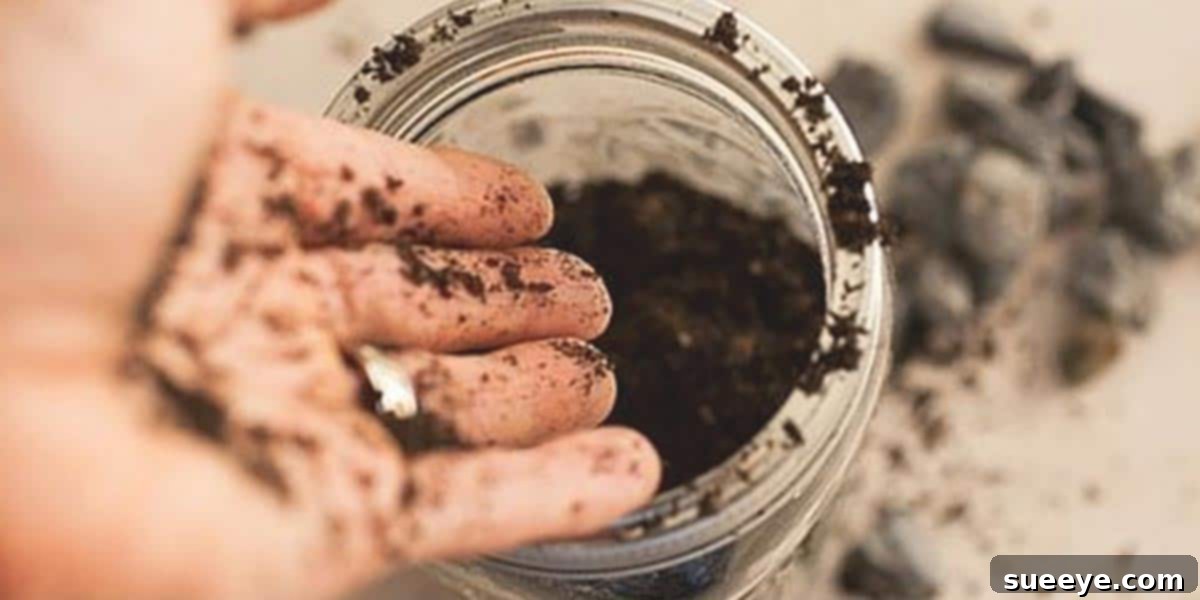
The soil you use is just as important as the container. Do not use garden soil, as it can be too heavy, compact easily in pots, and may contain harmful pests, weed seeds, or diseases. Opt for a high-quality, lightweight potting mix specifically formulated for indoor plants or containers. This type of mix provides the necessary aeration, nutrients, and moisture retention while allowing for proper drainage, creating an ideal environment for your herbs’ root systems.
To further ensure proper drainage and create a healthier root environment, a technique I personally use and highly recommend (and which was thoughtfully highlighted in the original inspiration) is to place a layer of pebbles or small rocks at the bottom of your container before adding the potting mix and plants. This creates a modest reservoir for excess water, preventing the roots from sitting directly in saturated soil and thus safeguarding against root rot. While some modern gardening advice suggests this isn’t strictly necessary with good potting mix and drainage holes, it offers an extra layer of protection, particularly in containers without large, multiple holes, or for those new to indoor gardening, providing peace of mind.
Nurturing Your Herbs: Care and Maintenance Essentials
Once your indoor herb garden is set up, consistent and attentive care will ensure its longevity, productivity, and the vibrant flavor you crave. Think of it as a partnership where your efforts yield delicious rewards:
1. Watering Wisdom
Overwatering is a common mistake that can quickly lead to root rot. Most herbs prefer slightly moist soil, not soggy. The best way to check is to stick your finger about an inch or two into the soil. If it feels dry to the touch, it’s time to water. Water thoroughly until you see water draining from the bottom of the pot into the saucer. It is absolutely crucial to then promptly remove any excess water from the saucer to prevent the roots from sitting in stagnant water. Adjust watering frequency based on the season (plants need less water in winter), ambient humidity, and the specific moisture preferences of each herb (e.g., mint likes more water than rosemary).
2. Lighting Up Their Lives
As previously emphasized, natural light is paramount. If your chosen spot doesn’t consistently get enough direct sunlight (at least 4-6 hours per day), investing in a grow light is a wise decision. Full-spectrum LED grow lights are energy-efficient, emit minimal heat, and are highly effective in providing the specific light wavelengths plants need. Position them a few inches above your plants and keep them on for 12-16 hours a day, mimicking the natural daylight cycles and ensuring robust, flavorful growth.
3. Temperature and Humidity
Most culinary herbs thrive in temperatures between 65-75°F (18-24°C), which aligns comfortably with typical indoor home temperatures. Avoid placing them near drafty windows, exterior doors, or directly in front of heating/cooling vents, which can cause sudden temperature fluctuations and stress the plants. While herbs generally don’t demand extremely high humidity, a light misting now and then can be beneficial, especially for herbs like basil or if your home air is particularly dry during winter months.
4. Feeding for Growth
Indoor herbs, being confined to containers, will eventually deplete the nutrients present in their potting mix. To support their continuous growth, fertilize sparingly, typically once a month during their active growing season (spring and summer), with a diluted liquid organic fertilizer. Always follow the product instructions for dilution rates. Avoid over-fertilizing, as this can lead to leggy, weak growth, leaf burn, and paradoxically, reduced flavor quality. Less is often more when it comes to feeding herbs.
5. The Art of Harvesting and Pruning
Regular harvesting is not just about gathering fresh ingredients; it’s a crucial practice for encouraging bushy growth and prolonging the life and productivity of your herb plants. Don’t be shy! When harvesting, use sharp scissors or pruning shears to snip off the top few sets of leaves, just above a node (where a leaf meets the stem or a new branch is emerging). This strategic pruning encourages the plant to branch out laterally, resulting in a fuller, more productive plant. For basil, it’s particularly important to pinch off any flower buds as soon as they appear to prevent the plant from “bolting” (going to seed), which can cause the leaves to turn bitter and end the plant’s life cycle prematurely.
6. Pest Patrol
Even in an indoor environment, herbs can occasionally attract common houseplant pests like aphids, spider mites, or whiteflies. Inspect your plants regularly, paying close attention to the undersides of leaves and new growth. If you spot any pests, first try to wash them off with a gentle spray of water from a sink sprayer. For more persistent or widespread infestations, a solution of insecticidal soap or neem oil (diluted according to instructions) can be highly effective and is generally safe for edible plants when used correctly. Ensuring good air circulation around your plants can also help prevent fungal issues.
Troubleshooting Common Indoor Herb Garden Issues
Even with the best intentions and diligent care, you might occasionally encounter some challenges with your indoor herb garden. Here are quick explanations and fixes for common problems:
- Leggy or Stretched Plants: If your herb plants appear tall, spindly, and their leaves are widely spaced, this is a classic sign of insufficient light. The plant is literally stretching itself to find more light. Move your plants to a brighter spot, such as a sunnier window, or provide supplemental grow lighting to encourage more compact, bushier growth.
- Yellowing Leaves: Yellowing leaves often indicate either overwatering (where roots are suffocating due to lack of oxygen) or nutrient deficiency. First, check the soil moisture deeply to rule out overwatering and ensure proper drainage. If the soil is consistently moist, reduce watering frequency. If not overwatered, consider a light feeding with a balanced liquid fertilizer.
- Lack of Flavor/Weak Aroma: If your homegrown herbs aren’t as potent as you’d expect, it can be due to insufficient light, overwatering, or harvesting too little. Adequate light is crucial for producing the aromatic oils responsible for flavor. Ensure good light and prune regularly, as harvesting actually stimulates the plant to produce more flavorful leaves.
- Wilting Despite Watering: This can be a tricky symptom as it could signify underwatering (the soil is too dry and the plant lacks moisture) or, paradoxically, severe overwatering leading to root rot (the damaged roots cannot absorb water). Check the soil moisture deeply. If the soil is parched, water thoroughly. If the soil is constantly soggy and the plant is wilting, inspect the roots for signs of rot (mushy, dark roots). If root rot is present, repot with fresh soil and ensure significantly better drainage.
- Premature Flowering (Bolting): This is most common in cilantro and basil, often triggered by high temperatures, too much direct sun, or stress. When a plant bolts, it focuses energy on producing seeds, and the leaves often become bitter. Harvest leaves frequently to delay bolting, and try to keep plants in slightly cooler spots if possible.
Start Your Flavorful Journey Today!
Embracing the journey of growing your own herbs indoors is an incredibly rewarding experience that extends far beyond the kitchen. It’s more than just gardening; it’s about infusing your life with freshness, vibrant flavor, and a touch of natural beauty. From the initial inspiration of a beautifully designed kitchen featuring a custom herb holder, to the simple, daily satisfaction of snipping fresh basil for your dinner, the benefits are truly endless. You’ll not only elevate your culinary creations to gourmet standards but also enhance your home’s ambiance, contribute to a sustainable lifestyle, and boost your personal well-being. So, why wait to unlock this delightful secret? Gather your favorite seeds or seedlings, choose your charming containers – perhaps even those rustic mason jars or a sleek wall-mounted system – and embark on the delightful adventure of cultivating your very own indoor herb garden. As Tiffany Malone brilliantly demonstrates in her step-by-step tutorial, getting started is simpler and more accessible than you might think. Get ready to plant some delicious herbs and taste the incredible difference fresh, homegrown flavor makes!