
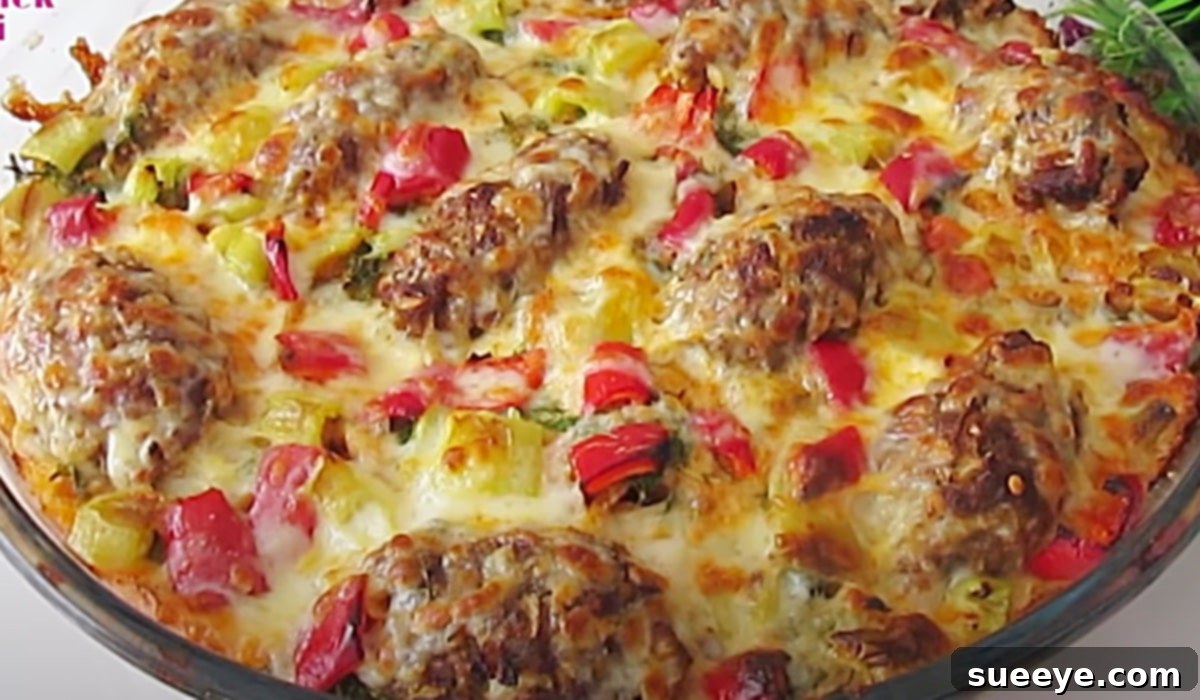
Hearty Stale Bread Casserole: A Delicious Way to Reduce Food Waste
There’s a special comfort in dishes that evoke childhood memories, and for many, a warm, savory casserole holds that cherished spot. I vividly remember my grandma’s incredible bread pudding – a dessert that captured my heart and taste buds from a young age. The moment I stumbled upon this brilliant stale bread casserole video recipe tutorial by Pratik Yemik Tariffleri on YouTube, a flood of those precious memories rushed back. It was like rediscovering a lost treasure, but with a savory twist! This innovative recipe transforms humble stale bread into a remarkably flavorful and satisfying meal, making it an absolute must-try for anyone looking to create a wholesome, budget-friendly dish while minimizing food waste. Get ready to turn forgotten bread into a family favorite that’s both easy to prepare and incredibly delicious.
Why This Stale Bread Casserole Will Become Your New Favorite
This isn’t just another recipe; it’s a clever culinary solution wrapped in comforting flavors. We’ve all been there – a loaf of bread nearing its expiry date, too firm for sandwiches but too good to simply toss. This stale bread casserole offers a brilliant second life for your bread, transforming it into the star of a hearty, layered dish. Beyond its waste-reducing benefits, this casserole is remarkably versatile and economical. It combines the familiar comfort of a traditional casserole with the satisfying texture of baked bread, making it a perfect main course for busy weeknights or a cozy weekend meal. It’s a testament to simple ingredients coming together to create something truly extraordinary, proving that deliciousness often lies in resourcefulness.
Essential Ingredients for Your Hearty Stale Bread Casserole
Crafting this delightful casserole requires a blend of staple ingredients that you likely already have in your pantry and fridge. Each component plays a crucial role in building the layers of flavor and texture that make this dish so satisfying. The beauty lies in its simplicity and the potential for customization based on what you have on hand.
For the Flavorful Base:
- 1 piece of Stale Bread: This is the hero of our dish! Using stale bread is key because its dried-out structure will eagerly soak up the savory sauce without becoming mushy. Ideal types include day-old French baguette, Italian bread, sourdough, or even firm sandwich bread. If your bread isn’t quite stale, you can slice it and lightly toast it in the oven for a few minutes to achieve the desired texture.
- 1 Large Onion: Finely chopped, the onion provides a sweet and savory aromatic base, adding depth to the ground beef mixture.
- 3 Cloves of Garlic: Minced garlic offers a pungent, robust flavor that complements the onion and beef beautifully. Feel free to add more if you’re a garlic lover!
- 1 Pound of Ground Beef: The protein powerhouse of this casserole. Lean ground beef works well, but you can also opt for ground turkey, chicken, or even a mix of ground pork and beef for varied flavors. For a vegetarian option, cooked lentils or sautéed mushrooms can be excellent substitutes.
- 1/2 Teaspoon of Black Pepper: A foundational spice that adds a subtle heat and classic peppery flavor.
- 1 Teaspoon of Salt: Essential for seasoning the meat and bringing out all the other flavors. Adjust to your taste, especially if your bread or other ingredients are already salty.
- 1 Teaspoon of Red Pepper Flakes: Introduces a pleasant warmth and a touch of spice. If you prefer less heat, reduce the amount, or omit it entirely. For more heat, a pinch more will do the trick.
- 1/2 Teaspoon of Mint: Dried mint adds a surprisingly refreshing and slightly herbaceous note that beautifully balances the richness of the meat. It’s a subtle yet impactful addition.
- 1/2 Teaspoon of Thyme: Earthy and aromatic, thyme is a classic herb that pairs wonderfully with beef and enhances the overall savory profile of the casserole.
For the Rich and Creamy Binding Sauce:
- 4 Eggs: These are the binding agents for our sauce, helping to create a custard-like consistency that holds the casserole together and adds richness.
- 1 Glass of Milk: (Approximately 1 cup or 240ml) Milk provides the liquid base for the sauce, ensuring the casserole is moist and tender. Whole milk offers the richest flavor, but lower-fat milk can also be used. For an even creamier result, you could substitute a portion with heavy cream.
- Some Dill (to taste): Fresh dill, finely chopped, lends a bright, slightly anise-like freshness to the sauce. If fresh dill isn’t available, a smaller amount of dried dill can be used, or you could substitute with fresh parsley or chives for a different aromatic touch.
- 1 Red Pepper: Diced, red bell pepper adds a touch of sweetness, vibrant color, and a pleasant crunch.
- 1 Green Pepper: Diced green bell pepper offers a slightly more assertive, fresh flavor and another pop of color. Feel free to experiment with other vegetables like zucchini, carrots, or even spinach, adding them to the sauce mixture for extra nutrients and flavor.
Crafting Your Perfect Stale Bread Casserole: A Step-by-Step Guide
Follow these easy steps to assemble your hearty stale bread casserole. This recipe is designed to be straightforward, ensuring a delicious outcome even for novice cooks.
Step 1: Prepare the Bread Base
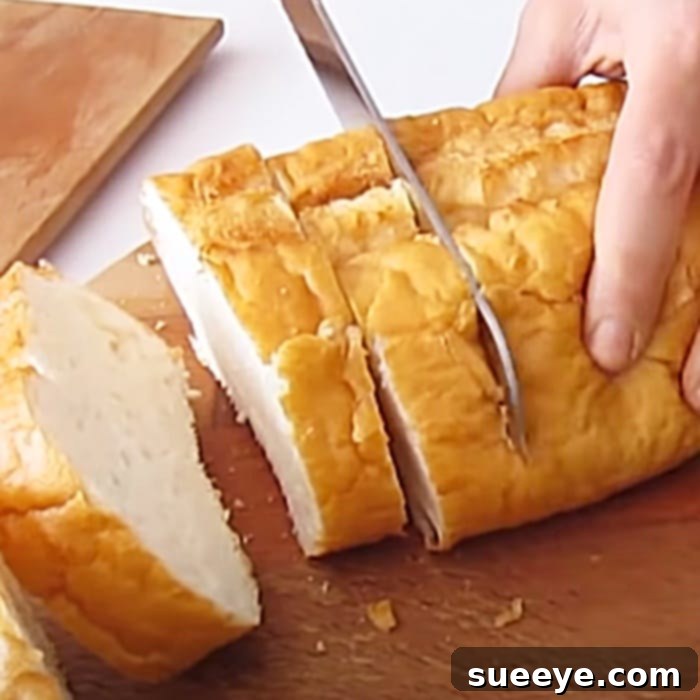
Begin by preheating your oven to 350°F (175°C). Take your piece of stale bread and carefully slice it into uniform pieces, approximately 1/2 to 3/4 inch thick. These slices will form the foundation of your casserole. Lightly grease a suitable casserole dish (a 9×13 inch pan is ideal for this quantity) with butter or cooking spray. Arrange the sliced stale bread evenly across the bottom of the dish, creating a single, solid layer. This layer will absorb the savory liquids and bake into a wonderfully tender yet structured base.
Step 2: Cook the Ground Beef Mixture
In a large skillet or frying pan, heat a tablespoon of olive oil over medium-high heat. Add the ground beef and cook, breaking it apart with a spoon, until it is fully browned and no pink remains. Drain any excess fat. Add the chopped onion and minced garlic to the skillet with the cooked beef. Sauté for 5-7 minutes, or until the onion is softened and translucent and the garlic is fragrant. Stir in the black pepper, salt, red pepper flakes, mint, and thyme. Cook for another minute, allowing the spices to toast and release their aromas. Remove the skillet from the heat.
Step 3: Prepare the Creamy Sauce
In a separate medium-sized bowl, crack the four eggs and whisk them thoroughly until the yolks and whites are completely combined and slightly frothy. Pour in the glass of milk and whisk again until well incorporated. Finely chop the dill, red pepper, and green pepper. Add these chopped vegetables and herbs to the egg and milk mixture. Season the sauce with a pinch of salt and pepper, and whisk everything together one last time. This vibrant sauce will provide moisture, flavor, and act as a binder for the entire casserole.
Step 4: Assemble and Bake the Casserole
Evenly spread the cooked ground beef mixture over the layer of stale bread in your greased casserole dish. Ensure that the meat and vegetable mixture is distributed from edge to edge. Carefully pour the egg and milk sauce over the entire casserole, making sure to distribute the chopped peppers and dill evenly. The stale bread will begin to absorb this liquid, preparing it for baking. Gently tap the dish on the counter a few times to help the sauce settle into all the crevices.
Place the casserole dish into your preheated oven and bake for approximately 25 to 30 minutes. The baking time may vary slightly depending on your oven. Look for the casserole to be golden brown on top and for the sauce to be set and firm in the center. A knife inserted into the center should come out clean, indicating that the eggs are fully cooked.

Step 5: Rest and Serve
Once baked to perfection, remove the casserole from the oven. It’s crucial to let it rest for about 5-10 minutes before slicing and serving. This resting period allows the casserole to set further, making it easier to cut into neat portions and ensuring that the flavors meld beautifully. Serve warm and enjoy your deliciously resourceful meal!
Tips for the Best Stale Bread Casserole Every Time
- Choose the Right Bread: While any stale bread works, firmer loaves like baguettes, ciabatta, or artisan bread offer a better texture once baked, preventing the casserole from becoming too soft.
- Don’t Over-soak: The recipe calls for the bread to absorb the sauce during baking. Avoid pre-soaking the bread too much, as it might become overly soft. Stale bread’s natural dryness is its advantage.
- Season Generously: Taste the meat mixture before spreading it. Adjust salt, pepper, and red pepper flakes to your preference. Remember, the sauce also needs light seasoning.
- Even Distribution: Ensure the meat mixture and sauce are spread evenly to guarantee consistent flavor and texture in every bite.
- Customize Your Veggies: Feel free to add other vegetables to the sauce or meat mixture. Diced zucchini, carrots, mushrooms, or a handful of spinach can boost nutrition and flavor.
- Add Cheese: For an extra layer of decadence, sprinkle a cup of shredded cheese (cheddar, mozzarella, or a blend) over the casserole during the last 10 minutes of baking.
- Resting is Key: Don’t skip the resting period. It helps the casserole firm up and makes serving much easier.
Serving Suggestions for Your Savory Bread Casserole
This hearty stale bread casserole is a complete meal on its own, but it also pairs wonderfully with a few simple sides to create a well-rounded dinner. Consider serving it alongside a crisp, green salad with a light vinaigrette to cut through the richness. A bowl of warm, creamy tomato soup or a clear vegetable broth can also complement its comforting flavors. For an extra touch, a dollop of sour cream or Greek yogurt on top adds a refreshing tang. It’s perfect for a casual family dinner, a potluck, or even as a make-ahead meal for meal prepping during the week.
The Ingenuity of Stale Bread: A Culinary Secret
Why is stale bread so crucial for dishes like this casserole or classic bread pudding? The answer lies in its structure. As bread ages and dries out, it loses moisture, and its starches become firmer. This transformation is precisely what makes it ideal for absorbing liquids without disintegrating into a mushy mess. Fresh bread, with its high moisture content, would quickly turn soggy when mixed with the egg and milk sauce. Stale bread acts like a sponge, soaking up the flavorful liquid and then baking into a wonderfully tender yet textured base that holds its shape beautifully. It’s a testament to how humble ingredients, often overlooked, can be creatively repurposed to create something truly delicious and prevent food waste in the process.
Frequently Asked Questions About Stale Bread Casseroles
Can I use fresh bread instead of stale bread?
While you can technically use fresh bread, it’s not recommended for the best results. Fresh bread will absorb too much liquid and likely become soggy or mushy during baking. Stale bread holds its shape better and provides a superior texture. If you only have fresh bread, you can slice it and lightly toast it in the oven for 10-15 minutes at a low temperature (around 250°F / 120°C) to dry it out and make it “stale.”
Can I prepare this casserole ahead of time?
Yes, you can! You can assemble the entire casserole (up to the point of baking) and cover it tightly with plastic wrap. Store it in the refrigerator for up to 24 hours. When ready to bake, remove it from the fridge about 30 minutes before baking to allow it to come closer to room temperature, then bake as directed. You might need to add an extra 5-10 minutes to the baking time if it’s still very cold.
How do I store leftovers, and how long do they last?
Leftovers should be stored in an airtight container in the refrigerator. They will remain fresh and delicious for 3-4 days. To reheat, you can microwave individual portions or warm the entire casserole in the oven at 300°F (150°C) until heated through.
Can this casserole be frozen?
Yes, this casserole freezes well! Once completely cooled, cut the casserole into individual portions or larger blocks. Wrap them tightly in plastic wrap and then in aluminum foil, or place them in freezer-safe containers. It can be stored in the freezer for up to 2-3 months. Thaw overnight in the refrigerator before reheating in the oven or microwave.
Are there any vegetarian alternatives for the ground beef?
Absolutely! For a delicious vegetarian version, you can substitute the ground beef with cooked brown or green lentils, crumbled firm tofu, or a combination of sautéed mushrooms (cremini or button) and finely chopped walnuts. Season these alternatives similarly to the ground beef mixture for a rich, savory flavor.
What if I don’t have fresh dill?
If fresh dill isn’t available, you can use dried dill, but use about half the amount as dried herbs are more potent. Alternatively, fresh parsley or chives can be excellent substitutions, offering a fresh, herbaceous flavor that complements the casserole well.
Embrace the Art of Resourceful Cooking
This stale bread casserole is more than just a recipe; it’s an invitation to embrace resourceful cooking and transform everyday ingredients into something truly special. Inspired by the clever creations of chefs like Pratik Yemik Tariffleri, it reminds us that some of the most comforting and delicious meals come from making the most of what we have. Whether you’re a seasoned cook or just starting your culinary journey, this recipe offers a simple yet profound way to reduce food waste, save money, and create lasting memories around the dinner table. So, gather your ingredients, rediscover the magic of stale bread, and prepare to delight your family and friends with this hearty, flavorful, and incredibly satisfying casserole. Give it a try – you might just find your new favorite go-to meal!