
How to Decrystallize Honey: Your Essential Guide to Restoring Nature’s Sweetness
Have you ever reached for your favorite jar of honey, only to find it has transformed from a golden, flowing liquid into a solid, grainy mass? This common phenomenon, known as crystallization, often raises questions and sometimes even concern. Rest assured, those crystals are not a sign of spoilage or impurity. In fact, they are a natural testament to the authenticity and quality of your honey, particularly raw, unprocessed varieties.
Crystallization occurs because honey is a supersaturated solution, primarily composed of two main sugars: glucose and fructose. Glucose, being less soluble than fructose, tends to separate from the water in the honey, forming tiny crystals. These crystals then act as nucleation sites, encouraging more glucose to crystallize, gradually solidifying the entire jar. This natural process is perfectly normal and does not diminish the honey’s nutritional value, flavor, or safety. It simply means you possess genuine, unadulterated honey, often with all its beneficial enzymes and pollen intact.
So, the next time you encounter crystals in your honey, resist the urge to discard it! Instead, celebrate it as a mark of pure, raw goodness. Decrystallizing honey is a straightforward and easy process, allowing you to restore it to its smooth, liquid state without any hassle. This comprehensive guide will walk you through the simplest and safest methods to bring your honey back to its original glory, ensuring you can enjoy every last drop.
Understanding Honey Crystallization: The Science Behind Nature’s Sweet Transformation
Why Honey Crystallizes: The Role of Sugars and Water
Honey is a complex natural substance created by bees from flower nectar. Its composition is primarily sugars (around 70-80%), water (17-20%), and trace amounts of minerals, vitamins, pollen, and enzymes. The two predominant sugars are fructose and glucose. The ratio of these two sugars, along with the water content, is the primary driver of crystallization.
Glucose is less soluble in water than fructose. When there’s a higher proportion of glucose, or when the water content is slightly lower, glucose molecules tend to separate from the water and form small crystals. These initial crystals provide a surface for other glucose molecules to attach to, gradually leading to the solidification of the entire mass. Think of it like making rock candy: the sugar needs a surface to start forming crystals.
A Sign of Purity and Quality: Why Raw Honey Crystallizes Faster
One of the most reassuring facts about crystallized honey is that it’s often a strong indicator of its purity and minimal processing. Raw honey, which hasn’t been extensively heated or filtered, retains natural elements like pollen grains, propolis, and even tiny air bubbles. These particles act as “seeds” or nucleation points, accelerating the crystallization process. In contrast, commercially processed honey is often pasteurized (heated to high temperatures) and micro-filtered, removing many of these natural elements, which can delay crystallization.
Therefore, if your honey has crystallized, you can often take it as a positive sign that you’ve purchased a high-quality, authentic product that retains its full spectrum of natural beneficial compounds.
Is Crystallized Honey Safe to Eat? Absolutely!
Let’s unequivocally debunk this common myth: crystallized honey is 100% safe to eat. Its chemical composition remains unchanged, and it retains all its natural enzymes, antioxidants, and beneficial properties. The only difference is its texture. Some people even prefer crystallized honey for its spreadable, creamy consistency, making it ideal for toast, bagels, or as a natural sweetener in baked goods. So, there’s no need to worry about consuming it as is, or after restoring it to a liquid state.
RELATED: 3 Tests to Check if Your Honey is Pure or Fake
Easy Methods to Decrystallize Honey: Restore Its Smooth Texture
Restoring your crystallized honey to its smooth, pourable state is surprisingly simple. The key is to apply gentle, indirect heat, which dissolves the glucose crystals without damaging the honey’s delicate enzymes and beneficial properties. High heat can destroy these valuable components and alter the honey’s flavor and color. Here, we’ll cover the two most popular and effective methods: the hot water bath and the microwave.
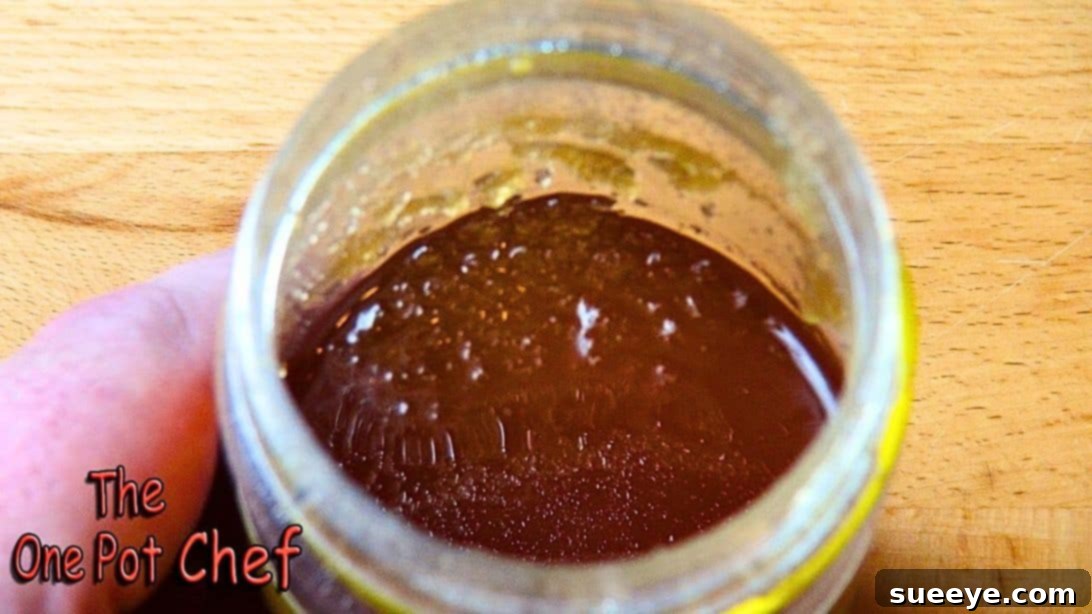
Watch this helpful video by OnePotChefShow for a visual guide on quick decrystallization methods.
The Gentle Hot Water Bath Method
This is arguably the best and safest method for decrystallizing honey, as it allows for controlled, gradual heating, preserving all the honey’s natural goodness. It’s perfect for larger jars and ensures even heating.
What You Need to Decrystallize Honey with a Water Bath:
- A sturdy bowl (large enough to hold your honey jar)
- Hot water (from the tap, not boiling)
- A spoon or knife for stirring (optional, for larger jars)
How to Decrystallize Raw Honey Using a Water Bath:
Step 1: Prepare Your Honey Jar
First, ensure the lid on your honey jar is securely fastened. This prevents any water from entering the honey, which could compromise its quality and shelf life. A tight seal is crucial for maintaining purity during the heating process.
Step 2: Set Up the Hot Water Bath
Place the tightly sealed jar of crystallized honey into a large, heat-safe bowl. Then, carefully pour hot tap water around the jar, ensuring the water level comes up to the neck or shoulder of the jar, but not so high that it might spill over the lid. The water should be hot to the touch, but not boiling, as extreme heat can degrade the honey. Warm water from your faucet, typically around 100-120°F (38-49°C), is ideal.
Step 3: Allow the Crystals to Dissolve
Let the honey jar stand in the hot water for approximately 5 to 10 minutes. For larger jars or more densely crystallized honey, you might need to change the water once or twice, replacing it with fresh hot water, or simply extend the soaking time. You’ll observe the honey gradually returning to its clear, liquid state. Once all the visible crystals have dissolved, carefully remove the jar from the bowl. Your honey will now be perfectly liquid and ready to use, just as nature intended.
Remember, patience is key with this method. While it may take a few more minutes than microwaving, it offers superior control and minimal risk to the honey’s quality.
The Quick Microwave Method
For those times when you need your honey decrystallized quickly, the microwave offers a convenient alternative. However, it requires a bit more caution to prevent overheating and potential damage to the honey’s beneficial compounds.
How to Decrystallize Raw Honey Using a Microwave:
Before proceeding, always check if your honey container is microwave-safe. Glass jars are generally suitable, but plastic containers vary in their heat resistance. If your container is not microwave-safe, transfer the crystallized honey to a microwave-safe bowl.
Remove the lid from the jar or container before placing it in the microwave. Heat the honey on a medium-low power setting for short intervals. Start with 10-15 seconds. After the initial burst, carefully remove the jar and give the honey a quick stir. This helps distribute the heat evenly and breaks up any remaining crystals.
If there are still crystals visible, place the jar back in the microwave (without the lid) for another 10-15 seconds. Repeat this process of heating in short bursts and stirring until all the crystals have completely dissolved and the honey is smooth and liquid again. Be very careful not to overheat the honey, as this can destroy its delicate enzymes and alter its flavor. The goal is just to melt the crystals, not to boil the honey.
Beyond Decrystallization: Storing and Enjoying Your Honey
Tips for Slowing Down Crystallization
While crystallization is a natural and unavoidable process for pure honey, you can slow it down with proper storage. Store your honey in an airtight container at room temperature, ideally between 65-75°F (18-24°C). Avoid storing it in the refrigerator, as cooler temperatures below 50°F (10°C) actually accelerate crystallization. Similarly, very warm temperatures (above 80°F / 27°C) can also encourage crystallization over time, so a cool, dry pantry is usually the best spot.
Creative Uses for Crystallized Honey
Don’t always feel the need to decrystallize your honey! Its granular texture can be quite versatile:
- Natural Spread: Use it directly on toast, muffins, or crackers as a delicious, creamy spread.
- Exfoliating Scrub: Mix crystallized honey with a little olive oil or sugar for a gentle, natural face or body scrub.
- Baking Ingredient: It can be used as is in many baking recipes, especially those where a slightly thicker consistency is welcome.
- Sweetener for Drinks: Stir it into hot tea or coffee; the heat will help it dissolve naturally.
Explore More Honey Delights
Honey is an incredibly versatile ingredient that adds natural sweetness and complex flavors to a myriad of dishes. Once your honey is beautifully liquid again, or if you’re keen to try it in its crystallized form, consider incorporating it into your next meal:
- Perfect Honey Butter Old Bay Salmon
- Easy Baked Honey Garlic Chicken Recipe
- Easy 5-Minute Hot Honey Recipe
Frequently Asked Questions (FAQs) About Honey Crystallization
What causes honey to crystallize?
Honey crystallizes due to its natural sugar content, primarily glucose. When the glucose separates from the water in the honey, it forms small crystals. Factors like the ratio of glucose to fructose, water content, temperature, and the presence of pollen particles (nucleation sites) all influence the speed and extent of crystallization.
Does crystallized honey mean it’s spoiled?
Absolutely not! Crystallization is a natural process and a sign of pure, raw, and unadulterated honey. It does not indicate spoilage, nor does it affect the honey’s quality, flavor, or nutritional value. Honey, when stored correctly, has an almost indefinite shelf life.
How long does it take for honey to crystallize?
The time it takes for honey to crystallize varies greatly. Some types of honey, like clover or dandelion, which have higher glucose content, can crystallize within weeks or months. Others, such as acacia or tupelo honey (higher in fructose), may remain liquid for years. Storage conditions, especially temperature, also play a significant role.
Can I prevent honey from crystallizing?
You cannot entirely prevent pure honey from crystallizing, as it’s a natural process. However, you can significantly slow it down by storing honey in an airtight container at room temperature, ideally between 65-75°F (18-24°C). Avoid refrigerating honey, as cooler temperatures accelerate crystallization.
What’s the best temperature to store honey?
The optimal temperature for storing honey to slow down crystallization is typically between 65-75°F (18-24°C). Keep it in a cool, dry place away from direct sunlight. Temperatures below 50°F (10°C) will encourage crystallization, while very high temperatures can degrade its quality over time.
Conclusion: Embrace the Natural Sweetness
Crystallized honey is not a problem; it’s a natural phenomenon that speaks to the authenticity and quality of your product. Far from being spoiled, it remains a wholesome, delicious, and nutrient-rich food. By understanding the simple science behind crystallization and mastering the easy decrystallization techniques outlined in this guide, you can confidently restore your honey to its smooth, liquid state whenever you desire.
So, go ahead and enjoy your honey in all its forms – liquid or crystallized. It’s a versatile, natural sweetener that continues to offer delightful flavors and numerous health benefits. With these tips, you’re now equipped to enjoy every drop of nature’s golden elixir, precisely how you like it.