
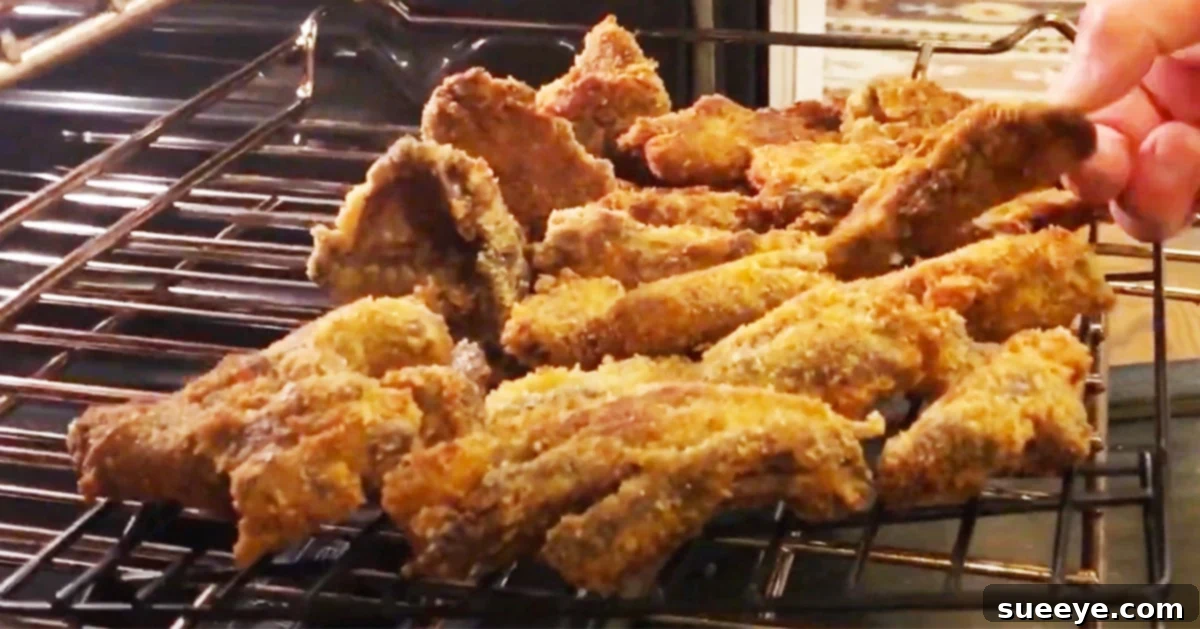
For many, the idea of a fried squirrel might seem unconventional, perhaps even surprising, if you’re not accustomed to the rich traditions of wild game cooking and hunting culture. However, for a significant portion of the population, particularly in regions where hunting is deeply ingrained as a heritage and a means of sustainable food sourcing, squirrel is considered a delicious and highly prized delicacy. This comprehensive guide, inspired by the expertise shared in E Factor Outdoors’ incredible YouTube tutorial, aims to demystify the entire process, from ethical sourcing to preparing a mouth-watering meal. The video meticulously demonstrates not only how to hunt responsibly but also how to clean and cook squirrel, providing a complete “field-to-fork” experience that many modern food enthusiasts are eager to explore.
While the cooking steps themselves are remarkably straightforward, requiring only a handful of common kitchen staples, the critical and often most challenging aspect lies in the proper cleaning and preparation of the squirrel. Mastering this initial stage is paramount to ensuring a delicious and safe meal. Once the squirrel is impeccably cleaned and dressed, the path to a perfectly fried dish becomes incredibly simple and rewarding. This recipe truly stands out by offering a holistic approach, guiding you through every phase, including the ingenious method of utilizing the squirrel’s natural drippings to create a rich, savory gravy, elevating the entire meal to a truly unforgettable culinary experience. Whether you’re a seasoned hunter looking for new recipes or simply curious about traditional wild game preparation, this guide provides all the insights you need to embark on this unique culinary adventure.
Understanding Squirrel as a Delicacy
Before diving into the cooking process, it’s worth understanding why squirrel has been, and continues to be, a cherished food source in various cultures, particularly in the Southern United States. Historically, squirrel was a staple in many rural diets, providing a readily available and nutritious source of protein. It’s lean, robust, and offers a distinct flavor profile that sets it apart from more conventional meats. Often described as having a taste reminiscent of chicken or rabbit, with a slightly gamier, richer essence, squirrel meat can be incredibly tender and flavorful when prepared correctly.
Its nutritional benefits are also notable. As a wild game, squirrels consume a natural diet, resulting in meat that is typically lean and packed with protein, making it an excellent choice for those seeking alternative, wholesome meat sources. The culinary tradition of cooking squirrel speaks to a deep appreciation for nature and the skills required to live off the land, transforming a wild animal into a delicious and hearty meal. Dispelling the myth of an overwhelmingly “gamey” taste, proper preparation methods, including tenderizing and appropriate seasoning, ensure that the final dish is not only palatable but truly delectable, rivaling many other game meats in its appeal.
Essential Ingredients for Fried Squirrel
Creating a truly memorable fried squirrel dish doesn’t require an extensive list of exotic components. The beauty of this recipe lies in its simplicity, utilizing common pantry items to enhance the natural flavors of the wild game. Here’s what you’ll need to gather:
- 1-2 Cleaned and Dressed Squirrels: The star of our dish. Ensure the squirrels are properly skinned, eviscerated, and sectioned into manageable pieces (e.g., legs, saddle) for even cooking. The thoroughness of the cleaning process directly impacts the quality and taste of the final meal.
- 2-3 Large Eggs: Essential for creating a binding wash. Eggs help the breading adhere firmly to the squirrel pieces, ensuring a crisp and flavorful crust. Whisked well, they create the perfect medium for a golden-brown coating.
- 1-2 Cups Breadcrumbs: The key to that irresistible crispy exterior. While plain breadcrumbs work perfectly, feel free to use seasoned breadcrumbs for an extra layer of flavor. Panko breadcrumbs are also an excellent choice, known for yielding an exceptionally light and crunchy texture.
- 2-4 Cups High-Quality Frying Oil: Opt for oils with a high smoke point, such as vegetable oil, peanut oil, canola oil, or even shortening. The amount needed will depend on the size of your pan, but ensure there’s enough oil to submerge at least half of the squirrel pieces for optimal frying.
- Salt and Freshly Ground Black Pepper: The foundational seasonings. These are crucial for enhancing the squirrel’s natural flavors.
- Your Favorite Seasonings: This is where you can truly personalize the dish. Consider adding garlic powder, onion powder, paprika, cayenne pepper for a little kick, or a blend of herbs like thyme and rosemary. Cajun or Creole seasoning blends also pair wonderfully with game meat, adding a robust, aromatic dimension to the fried crust.
- Water or Broth: Necessary for the tenderizing phase, especially if using an Instant Pot or Crockpot. This liquid creates the steaming environment that softens the meat.
Step-by-Step Guide to Perfectly Fried Squirrel
The journey to a crispy, tender fried squirrel begins with proper tenderization. This crucial step ensures the meat is succulent and falls off the bone before it even hits the frying pan. Following the methods shown by E Factor Outdoors, we’ll explore two effective ways to achieve this, suitable for various kitchen setups.
Step 1: Tenderizing the Squirrel
Squirrel meat can be naturally lean and tough, making tenderization a vital precursor to frying. This step ensures a melt-in-your-mouth texture. You have two excellent options:
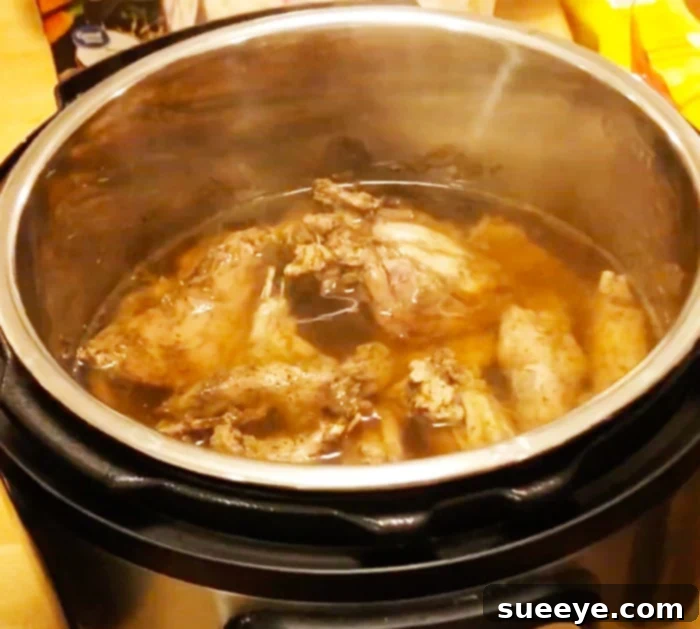
Method A: Instant Pot for Rapid Tenderization
The Instant Pot is a game-changer for wild game, significantly reducing cooking time while locking in moisture and flavor.
- Preparation: Place your cleaned and sectioned squirrel pieces into the Instant Pot. Ensure they are cut into manageable sizes, such as legs, thighs, and saddle, which typically cook more evenly.
- Seasoning and Liquid: Add enough water or chicken broth to just cover the squirrel pieces. Generously season the liquid with about 1-2 teaspoons of salt and 1/2 teaspoon of black pepper. You can also add aromatics like a bay leaf, a few cloves of garlic, or half an onion to infuse more flavor into the meat during this tenderizing stage.
- Pressure Cooking: Secure the Instant Pot lid and set the valve to the sealing position. Select the “Pressure Cook” or “Manual” setting and cook on high pressure for approximately 35-40 minutes. This duration ensures the squirrel meat becomes incredibly tender.
- Depressurizing: Once the cooking cycle is complete, allow the Instant Pot to naturally depressurize for about 10-15 minutes. This slow release helps to further tenderize the meat and prevents it from drying out. After natural release, you can carefully quick-release any remaining pressure.
- Cooling: Carefully remove the squirrel pieces from the Instant Pot and let them cool on a plate. Pat them dry thoroughly with paper towels. Excess moisture is the enemy of crispy fried food.
Method B: Crockpot for Slow, Deep Tenderization
If you prefer a hands-off approach or don’t own an Instant Pot, the slow cooker (Crockpot) is an excellent alternative, though it requires more time.
- Preparation: Arrange the cleaned squirrel pieces in your Crockpot. Again, ensure the pieces are cut for even cooking.
- Seasoning and Liquid: Add enough water or chicken broth to almost cover the squirrel. Season generously with 1-2 teaspoons of salt, 1/2 teaspoon of black pepper, and any other desired aromatics like bay leaves, garlic cloves, or herbs. The longer cooking time allows these flavors to deeply penetrate the meat.
- Slow Cooking: Cover the Crockpot and cook on the LOW setting for 6-8 hours, or on HIGH for 3-4 hours. The goal is for the squirrel meat to be fork-tender, easily pulling away from the bone. The exact time may vary depending on the size and age of the squirrel.
- Cooling: Once tender, carefully remove the squirrel from the Crockpot. Let the pieces cool completely and then pat them very dry with paper towels. As with the Instant Pot method, dryness is essential for a crispy crust.
Step 2: Battering and Frying the Tender Squirrel
With your squirrel pieces perfectly tenderized and dried, it’s time to transform them into crispy, golden-brown delights. This is where the magic of frying truly shines, giving the dish its signature texture and flavor.
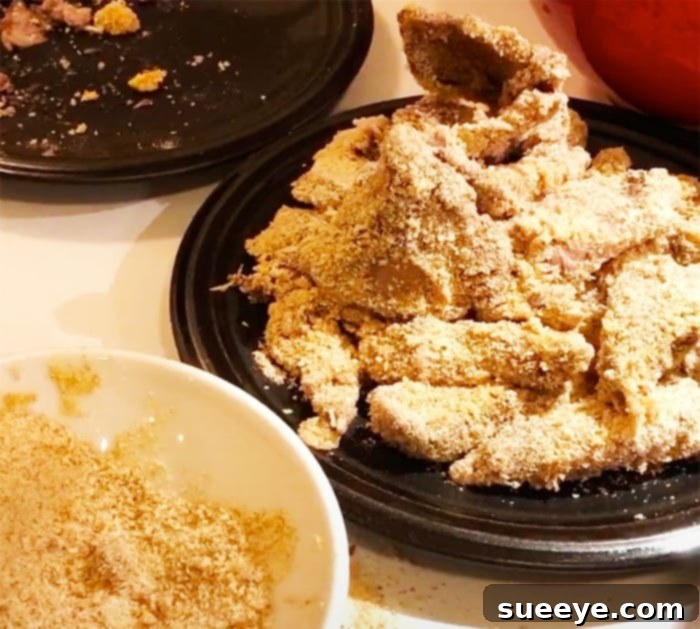
- Prepare the Battering Station: Set up a simple dredging station. In one shallow bowl, whisk the eggs until well beaten. In another shallow dish, combine the breadcrumbs with your chosen seasonings (salt, pepper, garlic powder, paprika, etc.). Ensure the seasonings are thoroughly mixed into the breadcrumbs for even flavor distribution.
- Heat the Oil: Pour enough frying oil into a heavy-bottomed pan or cast-iron skillet to reach a depth of about 1-2 inches. Place the skillet over medium-high heat. The ideal frying temperature is between 350°F and 375°F (175°C – 190°C). If you don’t have a thermometer, you can test the oil by dropping a small pinch of breadcrumbs into it; they should sizzle vigorously and turn golden brown within 10-15 seconds.
- Batter the Squirrel: Working with one squirrel piece at a time, first dip it into the egg wash, ensuring it’s fully coated. Let any excess egg drip off. Then, transfer the egg-coated squirrel to the breadcrumb mixture, pressing firmly to ensure the breadcrumbs adhere evenly on all sides. A complete and consistent coating is key to a crispy finish.
- Fry to Golden Perfection: Carefully place the battered squirrel pieces into the hot oil, being careful not to overcrowd the pan. Fry in batches if necessary to maintain a consistent oil temperature. Cook each side for approximately 3-5 minutes, or until the breading is a beautiful golden brown and appears crispy. Since the squirrel meat is already cooked and tender, the frying process is primarily about crisping the exterior and heating it through.
- Drain and Serve: Once fried to perfection, use tongs to remove the squirrel pieces from the hot oil. Place them on a wire rack set over a baking sheet lined with paper towels. This allows excess oil to drain off and helps maintain the crispiness of the crust.
The Secret to Savory Squirrel Gravy
One of the highlights mentioned by E Factor Outdoors is utilizing the flavors derived from the squirrel to create a complementary gravy. This takes your meal from excellent to extraordinary. While there might not be substantial drippings from the fried squirrel itself (as it’s usually very lean), the broth from the tenderizing step is a treasure trove of flavor. You can also incorporate any bits left in the frying pan after the squirrel is cooked.
- Make a Roux: If you have a tablespoon or two of rendered fat from frying (or if you can extract some from the tenderizing broth once it cools), heat it in a clean skillet. Whisk in an equal amount of all-purpose flour (e.g., 2 tablespoons fat + 2 tablespoons flour) to create a roux. Cook this mixture over medium heat, stirring constantly, until it turns a light golden brown, about 2-3 minutes. This roux will be the thickening agent and flavor base for your gravy.
- Incorporate Broth: Gradually whisk in about 2 cups of the reserved broth from your Instant Pot or Crockpot tenderizing process. If you don’t have enough broth, you can supplement with chicken or vegetable broth. Continue whisking to prevent lumps as the gravy thickens.
- Season and Simmer: Bring the gravy to a gentle simmer, allowing it to thicken to your desired consistency. Season with additional salt and pepper to taste. You can also add a dash of soy sauce or Worcestershire sauce for added depth, or a pinch of poultry seasoning.
- Optional Flavor Enhancements: For an even richer gravy, you can add a splash of cream or milk towards the end, or incorporate finely minced cooked onions or mushrooms.
Drizzling this homemade gravy over your fried squirrel and accompanying side dishes will complete the authentic Southern wild game experience.
Serving Suggestions and Pairing
Fried squirrel, with its crispy exterior and tender, flavorful meat, pairs wonderfully with classic Southern comfort foods. To create a truly wholesome and satisfying meal, consider these traditional accompaniments:
- Mashed Potatoes: Creamy mashed potatoes are the perfect canvas for soaking up that delicious squirrel gravy.
- Collard Greens: A staple in Southern cuisine, braised collard greens offer a slight bitterness that beautifully balances the richness of the fried meat.
- Cornbread: Whether baked in a skillet or as muffins, cornbread is ideal for sopping up any remaining gravy and complementing the meal.
- Green Beans: Fresh or canned green beans, simmered with a piece of ham hock or bacon, provide a familiar and comforting side.
- Macaroni and Cheese: For an indulgent meal, a creamy, baked macaroni and cheese adds a layer of richness that many will appreciate.
- Grits: A classic Southern breakfast item that also makes a fantastic dinner side, especially if served creamy with butter.
For beverages, sweet tea is a quintessential Southern pairing, offering a refreshing counterpoint to the savory meal. Alternatively, a crisp lager or a dry red wine (such as a Pinot Noir) can also complement the robust flavors of the game meat.
Tips for Success and Addressing “Gamey” Taste
Achieving the best results with fried squirrel involves a few key considerations:
- Proper Cleaning is Paramount: As mentioned, this is the most crucial step. Thoroughly clean and bleed the squirrel to minimize any “gamey” taste. Many traditional cooks recommend soaking the cleaned squirrel in saltwater or buttermilk for several hours, or even overnight, to draw out impurities and further tenderize the meat.
- Don’t Overcrowd the Pan: Frying in batches ensures the oil temperature remains high, leading to a consistently crispy crust. Overcrowding can lower oil temperature, resulting in greasy, soggy squirrel.
- Pat Dry Thoroughly: Moisture on the surface of the meat will create steam, preventing crispiness and causing oil to splatter. Ensure the squirrel pieces are completely dry before dredging.
- Season Generously: Game meats benefit from bold seasoning. Don’t be shy with salt, pepper, and your preferred spice blends.
- Mind the Oil Temperature: Too low, and the food becomes greasy; too high, and the exterior burns before the interior is heated through. A consistent temperature of 350-375°F (175-190°C) is ideal.
The perception of “gamey” taste often stems from the animal’s diet, age, and improper processing. If you’re concerned about this, soaking techniques (buttermilk is particularly effective due to its lactic acid), using strong aromatic seasonings in both the tenderizing and breading stages, and ensuring thorough cooking can significantly mitigate any unwanted flavors, leaving you with a delicious and approachable dish.
Embracing the Tradition of Fried Squirrel
While the concept of hunting and consuming wild game like squirrel may not resonate with everyone, it represents a rich, centuries-old tradition rooted in self-sufficiency, respect for nature, and a deep connection to the food we eat. This fried squirrel recipe, as expertly demonstrated by E Factor Outdoors, offers a window into that world, proving that a dish often viewed as rustic can be transformed into a culinary masterpiece with the right techniques. The final meal, with its crispy exterior and tender, succulent meat, often draws comparisons to other popular fried game meats or even familiar favorites like fried chicken, belying any preconceptions about its taste. Many who have tried it describe a robust, earthy flavor that is unique and satisfying, far from the “gamey” stereotype when prepared with care.
Even for those who, like me, might not be inclined to venture into the woods for a hunt, there is an undeniable appreciation for the skill, dedication, and culinary ingenuity involved in preparing such a meal. It’s about exploring diverse food traditions, understanding where our food comes from, and savoring flavors that connect us to history and the land. Whether you’re an avid hunter, an adventurous home cook, or simply curious about traditional American cuisine, learning how to prepare fried squirrel is an experience that promises both a fascinating journey and a truly delicious reward. It’s a testament to the fact that with proper preparation and an open mind, even the most unconventional ingredients can yield extraordinary culinary delights.