
Comprehensive Guide to Reducing Dust in Your Home for a Cleaner, Healthier Environment
Dust is an inescapable part of homeownership, a persistent challenge that can accumulate from countless sources—be it the outdoor air seeping through windows, fibers shedding from curtains and upholstery, or particles tracked in on shoes. Beyond being an aesthetic nuisance, dust poses significant health concerns, particularly for individuals susceptible to dust and pollen allergies, asthma, or other respiratory issues. A dust-laden environment can exacerbate these conditions, leading to discomfort and reduced indoor air quality. Maintaining a consistently clean home is therefore not just about tidiness; it’s about safeguarding the health and well-being of everyone under your roof.
In this comprehensive guide, inspired by the practical wisdom of Expert Home Tips, we delve into effective strategies and actionable advice to dramatically reduce dust accumulation in your living space. From simple changes in your cleaning routine to smart investments in home appliances, we’ll explore a variety of methods designed to help you create a fresher, healthier, and more inviting home environment. Let’s transform your approach to dust control and enjoy the benefits of cleaner air and surfaces.
Why a Dust-Free Home Matters: Health and Aesthetics
Understanding the composition of dust reveals why it’s more than just unsightly. Household dust is a complex mixture of dead skin cells, pet dander, pollen, mold spores, textile fibers, insect fragments, soil particles, and even microscopic pollutants. This diverse cocktail can trigger a range of allergic reactions, including sneezing, coughing, watery eyes, and skin rashes. For those with asthma, dust mites—tiny creatures thriving in dusty environments—are a major trigger, leading to potentially severe respiratory distress. Beyond health, excessive dust detracts from the beauty and comfort of your home, making surfaces appear grimy and air feel heavy. A proactive approach to dust reduction not only alleviates these concerns but also contributes to a sense of calm and cleanliness throughout your living space.
Effective Strategies for Dust Reduction: Top Tips from Experts
1. Master Your Bedding Routine for Fewer Dust Mites
Your bed is a prime breeding ground for dust mites, microscopic pests that feed on dead skin cells. These mites and their waste products are potent allergens, making your sleeping environment a critical area for dust control. To mitigate their presence, it’s essential to wash all bedding, including sheets, pillowcases, and duvet covers, weekly in hot water (at least 130°F or 54°C) to kill dust mites and remove allergens. Consider using allergen-proof covers for your mattresses, pillows, and duvets, which create a barrier against dust mites. For older bedding that has accumulated years of skin cells and dust, washing, professional dry cleaning, or ultimately replacing it can make a significant difference in improving your bedroom’s air quality and reducing allergy symptoms.
2. Combat Humidity with a Dehumidifier for Optimal Air Quality
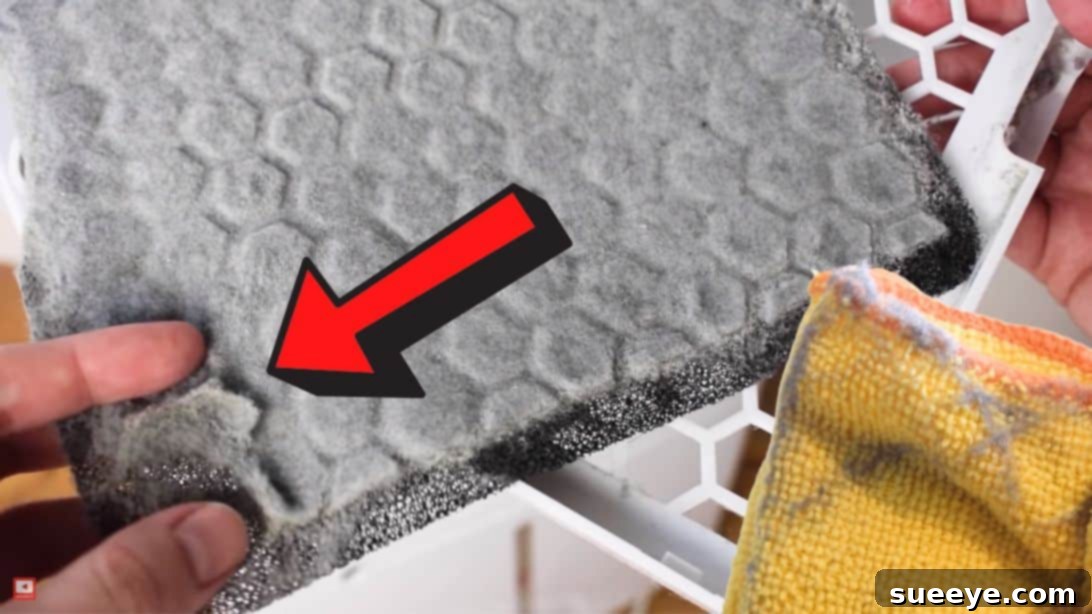
Dust mites thrive in humid environments. By reducing the overall humidity level in your home, especially in damp areas like basements or bathrooms, you can significantly inhibit their growth and reproduction. A dehumidifier effectively pulls moisture from the air, creating an environment less hospitable to dust mites and mold. Many models also feature built-in filters that capture airborne dust particles, further enhancing air quality. Remember to regularly clean the dehumidifier’s filter and empty its water reservoir to ensure optimal performance and prevent the growth of mold or bacteria within the unit itself. Aim for an indoor humidity level between 30-50% for the best results in dust and allergen control.
3. Transform Your Windows: The Smart Switch to Blinds
Traditional curtains, especially those made from thick fabrics or with intricate designs, are notorious dust magnets. Their large surface area and fabric composition allow them to trap and hold significant amounts of dust, which is then easily disturbed and released into the air whenever they are opened or closed. Switching to window blinds or shades, particularly those made of wood, faux wood, or metal, can dramatically reduce dust accumulation. These materials are much easier to clean – a quick wipe with a damp cloth or a pass with a vacuum attachment is usually sufficient to remove dust, unlike curtains which often require frequent washing or dry cleaning. Opting for sleek, minimalist blinds can significantly contribute to a cleaner, more dust-resistant home environment.
4. Breathe Easier with an Advanced Air Purifier
An air purifier is a powerful ally in the fight against airborne dust and allergens. Equipped with highly efficient filters, such as HEPA (High-Efficiency Particulate Air) filters, these devices actively pull air from the room, trapping microscopic particles like dust, pollen, pet dander, mold spores, and even some airborne contaminants. For individuals who suffer severely from allergies, asthma, or other respiratory sensitivities, investing in a high-quality air purifier for your main living areas and bedroom can provide immense relief. Look for models with a high CADR (Clean Air Delivery Rate) for the size of your room, ensuring it can effectively filter the air multiple times per hour. Regular filter replacement, as recommended by the manufacturer, is crucial for maintaining its efficacy.
5. Elevate Your Vacuuming Game for a Spotless Home
Regular vacuuming is arguably the most effective way to remove dust, dirt, and allergens from carpets, rugs, and even hard floors, especially in high-traffic areas. To maximize its effectiveness, invest in a vacuum cleaner equipped with a HEPA filter, which traps 99.97% of particles as small as 0.3 microns, preventing them from being recirculated into the air. Vacuum at least once or twice a week, and more frequently if you have pets or allergies. Use the appropriate attachments to reach under furniture, along baseboards, and into crevices where dust tends to settle. Move slowly to allow the vacuum ample time to pick up debris, and overlap your passes to ensure comprehensive coverage. Remember to empty the vacuum bag or canister regularly to maintain suction power and prevent dust from escaping.
6. The Art of Sweeping: Foundation for Dust-Free Floors
While vacuuming is superior for carpets, sweeping remains a crucial step for hard floors (wood, tile, laminate) before mopping. Sweeping helps to gather larger dust bunnies, debris, and loose particles that might otherwise clog your mop or spread around. To sweep effectively, use a broom with fine bristles that can capture smaller dust particles, and sweep in long, overlapping strokes towards a dustpan. Always clean your broom after each use by shaking out collected dust and debris outdoors, or by hand-picking any tangled hair or fibers. Over time, brooms can accumulate dust and allergens themselves, so consider washing or replacing your broom head every few months to ensure it remains an effective cleaning tool rather than a dust spreader.
7. Mop Your Way to Pristine, Dust-Free Surfaces
Vacuuming and sweeping are excellent first steps, but they often don’t capture all the fine dust particles clinging to hard floors. Mopping is essential for picking up the residual dust that brooms and even vacuums might miss, and it provides a deeper clean. Use a damp (not soaking wet) mop with warm water and a mild floor cleaner. The dampness helps to trap and lift dust from the surface, preventing it from becoming airborne. For best results, mop after you’ve thoroughly swept or vacuumed your hard floors. Rinse the mop head frequently in clean water to avoid spreading dirty water and dust around. Regular mopping, typically once a week or more in high-traffic areas, will leave your floors sparkling and significantly reduce the overall dust load in your home.
8. Embrace Minimalism: Declutter for a Dramatically Cleaner Space
Every item on a shelf, countertop, or table serves as a surface for dust to land and accumulate. Ornate knick-knacks, piles of books, decorative items, and general clutter create endless nooks and crannies where dust can settle unnoticed, making cleaning a tedious and often incomplete task. Embracing a minimalist approach by decluttering your home can make a profound difference in dust control. Systematically go through your belongings and keep only what you truly love or need. Store less-frequently used items in closed containers, drawers, or cabinets. A simpler, more organized home means fewer surfaces for dust to collect on and less effort required to keep things clean. Not only will your home be less dusty, but it will also feel more spacious and serene.
9. Seal Your Sanctuary: Strategic Window Management for Dust Control
Windows, while vital for light and ventilation, can also be major entry points for outdoor dust, pollen, and pollutants, especially on windy days or when construction is nearby. To prevent these airborne particles from floating directly into your home, it’s advisable to keep windows shut during periods of high wind, heavy pollen counts, or when outdoor air quality is poor. If you desire ventilation, consider opening only upstairs windows, as dust tends to travel closer to the ground, minimizing the amount that enters your living space. Additionally, ensure your windows are properly sealed with weatherstripping to prevent fine dust particles from seeping through tiny gaps, providing an extra layer of defense against external contaminants.
10. Rethink Your Flooring: The Benefits of Hardwood Over Carpet
Carpets are undeniably soft and add warmth to a room, but they are also exceptionally efficient at trapping dust, dirt, pet dander, and allergens deep within their fibers. Even with the most powerful vacuum cleaners, it’s nearly impossible to remove 100% of the dust embedded in carpets. This makes them a continuous source of airborne particles every time they are disturbed. Switching to hard flooring options like wood, laminate, tile, or vinyl can dramatically reduce the amount of dust harbored in your home. These surfaces are much easier to keep clean; dust and debris remain on the surface where they can be easily swept, vacuumed, or mopped away. If you still desire the comfort of soft surfaces, opt for washable area rugs that can be regularly cleaned or laundered.
11. Optimize Your Wardrobe for a Dust-Free Closet
Your wardrobe, especially an open one, can be a significant source of dust from clothing fibers, skin flakes, and general air circulation. To minimize dust accumulation and protect your garments, store seasonal or lesser-worn items in breathable cloth garment bags or sealed plastic storage boxes. These protective covers prevent dust from settling directly on clothes and help contain any fibers that might shed. Additionally, make it a habit to always keep your wardrobe doors closed. This simple action creates a physical barrier that prevents dust from entering the closet and keeps clothing fibers from escaping into the broader living space, contributing to overall better indoor air quality.
12. The Double Defense: Utilizing Doormats Effectively
A surprising amount of dust, dirt, and allergens are tracked into your home on the soles of shoes. Implementing a two-mat system at entryways can significantly reduce this influx. Place a coarse, bristly doormat outdoors to scrape off larger debris and mud. Immediately inside, place an absorbent, washable mat to capture finer dust and moisture. Make it a routine to shake out the outdoor mat frequently and vacuum or wash the indoor mat weekly. This dual barrier acts as a formidable first line of defense, intercepting much of the external grime before it has a chance to spread throughout your clean home. The less dirt that comes in, the less dust you’ll have to deal with inside.
13. The Shoe-Free Zone: A Simple Yet Powerful Dust Deterrent
Building on the doormat strategy, adopting a “shoes-off” policy inside your home is one of the most effective and simplest ways to control dust and maintain cleanliness. Even if shoes appear clean, they carry invisible particles like soil, pollen, chemical residues, and micro-debris from outdoors. By removing shoes at the door, you prevent these tiny dust particles and pollutants from being tracked across your floors and eventually settling on surfaces throughout your home. Designate a convenient shoe storage area near your front door, such as a shoe rack or cabinet, and encourage everyone to switch to comfortable house slippers or go barefoot. This practice not only reduces dust but also keeps your floors cleaner for longer and promotes a more hygienic living environment.
14. Master the Art of Dusting: The Top-Down Approach
Proper dusting technique is crucial for effective dust removal rather than simply relocating it. Always start dusting from the highest points in a room and work your way downwards. This means beginning with ceiling fans, light fixtures, the tops of door frames, bookshelves, and high shelves, allowing any dislodged dust to fall to lower surfaces. From there, move to mid-level surfaces like tabletops, windowsills, and furniture, and finally, finish with the lowest surfaces and the floor. This top-down method ensures that you capture all the falling dust rather than re-dusting already cleaned areas. For best results, use microfiber cloths, which are excellent at trapping dust particles, or slightly dampened cloths to prevent dust from becoming airborne. Regular and systematic dusting will keep your surfaces pristine and reduce overall dust circulation.
Maintaining a Dust-Free Home: A Lifestyle Choice
Achieving a truly dust-free home might seem like an endless battle, but by consistently implementing these expert tips, you can significantly reduce the amount of dust and allergens in your living space. From strategic cleaning techniques and smart product choices to simple behavioral changes, each step contributes to a healthier, cleaner, and more comfortable environment. A proactive approach to dust control not only enhances the aesthetic appeal of your home but, more importantly, protects the well-being of its inhabitants, especially those suffering from allergies or respiratory conditions. Embrace these practices as a consistent part of your home maintenance routine, and enjoy the profound benefits of breathing easier in a sanctuary that truly feels clean and fresh. Your efforts will be rewarded with a home that is not just tidier, but genuinely healthier.