
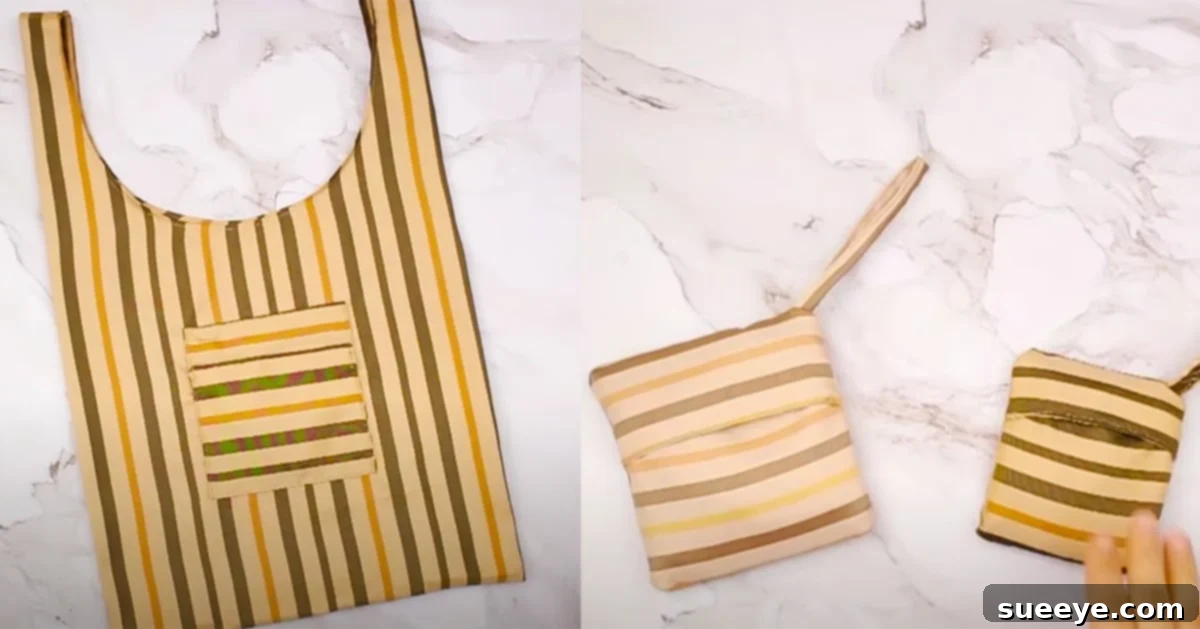
Master the Art of Sewing: Create Your Own Foldable Reusable Shopping Bag
In an increasingly conscious world, embracing sustainable practices has never been more important. One of the simplest yet most impactful changes we can make is to switch from single-use plastic bags to durable, reusable alternatives. But what if your reusable bag could offer even more convenience and style? Enter the foldable reusable shopping bag – a game-changer for eco-conscious shoppers and savvy crafters alike. These ingenious bags not only help reduce plastic waste but also offer unparalleled portability, neatly tucking away into a compact pouch when not in use. No more overflowing drawers of flimsy plastic or bulky canvas bags taking up valuable trunk space!
Imagine crafting a stylish accessory that perfectly reflects your personality, all while contributing to a greener planet. Handmade foldable shopping bags are not just practical; they’re a statement. They empower you to personalize your everyday essentials, ensuring you always have a chic and spacious carryall ready for any impromptu shopping trip, farmers market visit, or even a quick stop at the gym. The satisfaction of creating something so useful with your own hands is truly immense.
Many of us have a collection of reusable bags, but how many of them truly fold down into a discreet, self-contained pouch? This particular design, inspired by the excellent tutorial from sewingtimes, is a revelation. It features an integrated pocket that the entire bag neatly stuffs into, transforming from a spacious carrier to a small, portable parcel in seconds. This ingenious design is what sets it apart, making it incredibly convenient to toss into your purse, backpack, or glove compartment without adding bulk. The best part? This project is surprisingly straightforward, even for those new to sewing, and allows for endless creative expression through fabric choices. Let’s embark on this rewarding journey to create your very own collection of indispensable, foldable bags.
Why Sew Your Own Foldable Reusable Bag? Beyond the Basics
While the primary benefit of a reusable bag is environmental, crafting your own foldable version unlocks a host of additional advantages that extend far beyond simply carrying groceries. Consider these compelling reasons to dive into this DIY project:
Embrace Sustainable Living and Combat Plastic Pollution
Every year, billions of plastic bags end up in landfills, oceans, and natural environments, taking hundreds of years to decompose and wreaking havoc on wildlife and ecosystems. By making and using your own reusable bag, you directly contribute to reducing this alarming plastic footprint. Opting for a foldable design further encourages consistent use, as its convenience means you’re less likely to forget it at home. This small act of choosing to reuse is a powerful step towards a more sustainable lifestyle, minimizing your personal impact on the planet and advocating for a circular economy.
Unleash Your Creativity and Personal Style
Commercial reusable bags often come in limited designs. When you sew your own, the possibilities are limitless! You can scour fabric stores for unique patterns, vibrant colors, or subtle textures that truly reflect your personal aesthetic. Imagine a bag featuring whimsical prints, sophisticated geometrics, or even a solid color that perfectly complements your wardrobe. This project offers a fantastic opportunity to express your individuality, turning a practical item into a fashionable accessory. You can even create themed bags for different occasions or seasons.
Cost-Effectiveness and Resourcefulness
While the initial investment in materials might seem like an outlay, in the long run, sewing your own bags can save you money. You avoid paying for disposable bags at checkout and eliminate the need to constantly purchase new reusable ones. Furthermore, this project is ideal for utilizing fabric remnants or discounted scraps you might find, making it an incredibly resourceful endeavor. It’s a testament to the power of DIY to create high-quality items without breaking the bank.
Superior Durability and Custom Quality
Many store-bought reusable bags, especially the foldable variety, can be made from thin, less durable materials that wear out quickly. When you sew your own, you control the quality of the fabric and the stitching. By choosing sturdy materials like ripstop nylon or durable polyester and reinforcing key seams, you can create a bag that withstands heavy loads and frequent use for years to come. This focus on quality ensures your handmade bag will outlast its commercial counterparts, offering greater value and reliability.
The Joy of Learning and Accomplishment
For beginners, this project is an excellent entry point into the world of sewing. The steps are manageable, allowing you to learn fundamental techniques like cutting, pinning, straight stitching, and finishing seams. For experienced sewers, it’s a quick and satisfying project that yields immediate, tangible results. There’s a profound sense of accomplishment that comes from creating something functional and beautiful with your own hands, boosting confidence and inspiring further creative endeavors.
Perfect for Gifting
Handmade gifts carry a special sentiment. A custom-sewn foldable shopping bag makes an incredibly thoughtful and practical present for friends, family, or colleagues. It demonstrates care for their everyday needs and a commitment to sustainable living. You can tailor the fabric choice to the recipient’s tastes, making it a truly personalized and cherished item.
Essential Materials: Gearing Up for Your Sewing Adventure
Before you begin, gathering all your tools and materials is crucial for a smooth and enjoyable sewing experience. While the list is relatively short, selecting the right items will make a significant difference in the quality and durability of your finished bag.
- Polyester or Nylon Fabric: These are ideal choices due to their inherent properties.
- Durability: Both fabrics are strong and resistant to tearing, crucial for carrying groceries or heavier items.
- Water Resistance: They offer some level of water repellency, protecting your contents from light rain or spills.
- Lightweight: Despite their strength, they are lightweight, making the bag easy to carry and fold compactly.
- Ripstop Nylon: A particularly excellent choice for its woven reinforcement, preventing small tears from spreading.
- Coated Polyester/Nylon: Offers enhanced water resistance.
- Considerations: While cotton canvas is durable, it’s heavier and less compact when folded, and not typically water-resistant, making polyester or nylon preferable for the “foldable” aspect.
- Sharp Fabric Scissors: Dedicated fabric shears are essential. Using them only for fabric prevents them from becoming dull from cutting paper or other materials, ensuring clean, precise cuts that are vital for accuracy.
- Fabric Pins: These small but mighty tools hold your fabric layers together securely before sewing, preventing shifting and ensuring accurate seam allowances. Standard dressmaker pins are usually sufficient, but longer, fine pins can be helpful for slippery fabrics.
- Iron and Ironing Board: An iron is indispensable for pressing seams flat as you go. Pressing creates crisp edges, neat seams, and a professional finish, making it easier to sew accurately and resulting in a much tidier final product.
- Sewing Machine: A basic home sewing machine is perfectly adequate for this project. Ensure it’s in good working order, threaded correctly, and equipped with a universal needle suitable for your fabric (e.g., a size 80/12 or 90/14 needle for medium-weight fabrics). Polyester thread is recommended for its strength and durability, matching the qualities of your fabric.
- Measuring Tape or Ruler: Crucial for accurate measurements and marking your fabric before cutting.
- Rotary Cutter and Cutting Mat (Optional but Recommended): For those who sew frequently, a rotary cutter combined with a self-healing cutting mat offers unparalleled precision and speed for cutting straight lines.
- Seam Ripper (Optional but Useful): Mistakes happen! A seam ripper allows you to carefully unpick stitches without damaging your fabric, making it a handy tool for corrections.
Step-by-Step Directions: Crafting Your Foldable Masterpiece
This tutorial, inspired by sewingtimes, is designed to be approachable and efficient. The key is to follow the video’s measurements precisely and take your time with each step for the best results. Remember, precision in cutting and pressing leads to a much smoother sewing process.
Step 1: Precision Cutting and Size Selection
Begin by carefully watching the referenced video to obtain the exact measurements for your bag. The tutorial thoughtfully provides dimensions for two distinct sizes: a larger bag, perfect for your weekly grocery haul or beach trips, and a smaller, more compact version ideal for everyday essentials or quick errands. Choose the size that best fits your needs, or better yet, make both! Using your measuring tape or ruler, accurately mark these dimensions onto your chosen fabric. Lay your fabric flat and smooth to avoid any distortions. With your sharp fabric scissors (or rotary cutter), meticulously cut out the main bag piece and the separate pocket piece according to the tutorial’s guidelines. Precision here is paramount; accurately cut pieces will align perfectly and result in a neat, well-structured bag.
Step 2: Constructing the Pocket and Main Bag Assembly
Now, let’s bring the clever “foldable” feature to life. Take your main bag fabric piece and fold it in half lengthwise, right sides together. Carefully mark the halfway point along the folded edge with a fabric pin or a temporary fabric marker. This mark will serve as the precise center for attaching your bag’s integrated pocket. Next, prepare your separate pocket piece as instructed by the video; this typically involves hemming one or more edges to create a clean finish. Align the pocket piece centrally over the halfway mark you just made on the main bag fabric, ensuring it’s placed symmetrically. Pin the pocket piece securely to the main bag fabric, making sure to use plenty of pins to prevent any shifting, especially if your fabric is slippery. Once pinned, carefully stitch the pocket into place, sewing along the designated edges as shown in the tutorial. Remember to backstitch at the beginning and end of your seams to secure them properly. After the pocket is attached, you’ll proceed to fold and sew the remaining edges of the bag, typically sewing the side seams and creating the top hem for the bag’s opening and handles. If the design includes integrated handles, these will be formed by folding and stitching the upper portion of the main bag piece as per the video’s instructions. For added durability, reinforce the points where the handles meet the bag with extra stitching.
Step 3: Finishing Touches and Optional Enhancements
With the main sewing complete, it’s time to refine your creation. Turn your bag right side out and carefully press all the seams flat using your iron. Pressing not only gives your bag a professional, crisp finish but also reinforces the stitches. Trim any stray threads for a clean look. Consider adding “box corners” to the bottom of your bag if the tutorial allows, which creates a flat base and provides more internal volume and stability, making it easier to pack and preventing items from toppling over. This step usually involves folding the bottom corners into triangles and stitching across them. Finally, inspect all your seams, especially at stress points like where the handles attach to the bag and where the pocket is secured. A few extra passes with the sewing machine over these areas can significantly enhance the bag’s longevity and ability to withstand heavy loads.
Caring for Your Handmade Foldable Bag
To ensure your beautiful, handmade foldable bag serves you well for many years, proper care is essential. The cleaning method will largely depend on the type of fabric you chose:
- Polyester and Nylon: These synthetic fabrics are generally very easy to care for. Most can be machine washed on a gentle cycle with cold water. Avoid harsh detergents or bleach, which can damage the fabric’s water-resistant properties or fade its color. It’s best to air dry these bags, as high heat from a dryer can cause shrinkage or melt synthetic fibers.
- Spot Cleaning: For minor spills or stains, spot cleaning with a damp cloth and mild soap is often sufficient.
- Storage: Always ensure your bag is completely dry before folding it and storing it in its pocket to prevent mildew or unpleasant odors.
Customization Ideas: Make It Truly Yours
One of the greatest joys of DIY is the ability to personalize your creations. Here are some ideas to make your foldable shopping bag uniquely yours:
- Fabric Choices: Experiment with a wide array of patterns – florals, geometric, abstract, or even novelty prints. Consider using contrasting fabrics for the main bag and the pocket for a striking visual effect.
- Add Embellishments: Enhance your bag with iron-on patches, fabric paint, embroidery, or appliqué designs. This is a fantastic way to add a personal touch or make a themed bag.
- Different Handle Styles: While the tutorial likely features integrated handles, you could adapt the design to include separate, wider fabric handles for more comfortable carrying, or even add webbing straps for extra strength.
- Additional Pockets: Beyond the main folding pocket, consider adding a small internal zippered pocket for keys, phone, or wallet, or an external slip pocket for quick access items.
- Closures: While the fold-into-pocket design is a closure in itself, you could add a snap, button, or a drawstring to the main opening of the bag for extra security.
The Enduring Value of a Handmade Essential
Ultimately, the satisfaction of creating this foldable reusable shopping bag extends far beyond the final stitch. You’ve not only crafted a highly functional and convenient item but also contributed positively to environmental stewardship. The speed and simplicity of the sewingtimes tutorial make it an ideal project for batch sewing – imagine making a set of five back-to-back, perhaps as gifts or for different purposes. This isn’t just an ordinary grocery bag; it’s a versatile, foldable companion ready for any adventure.
While perfect for grocery runs, its utility doesn’t end there. Use it as a stylish tote for your gym clothes, a compact bag for your craft supplies, an extra carry-on for travel souvenirs, or simply a chic way to transport books from the library. Its ability to fold into itself means it’s always discreetly available, whether tucked in your handbag, clipped to your belt loop, or stashed in your car. Embrace the convenience, celebrate the creativity, and enjoy the lasting benefits of your very own handmade foldable reusable shopping bag. Happy sewing!