
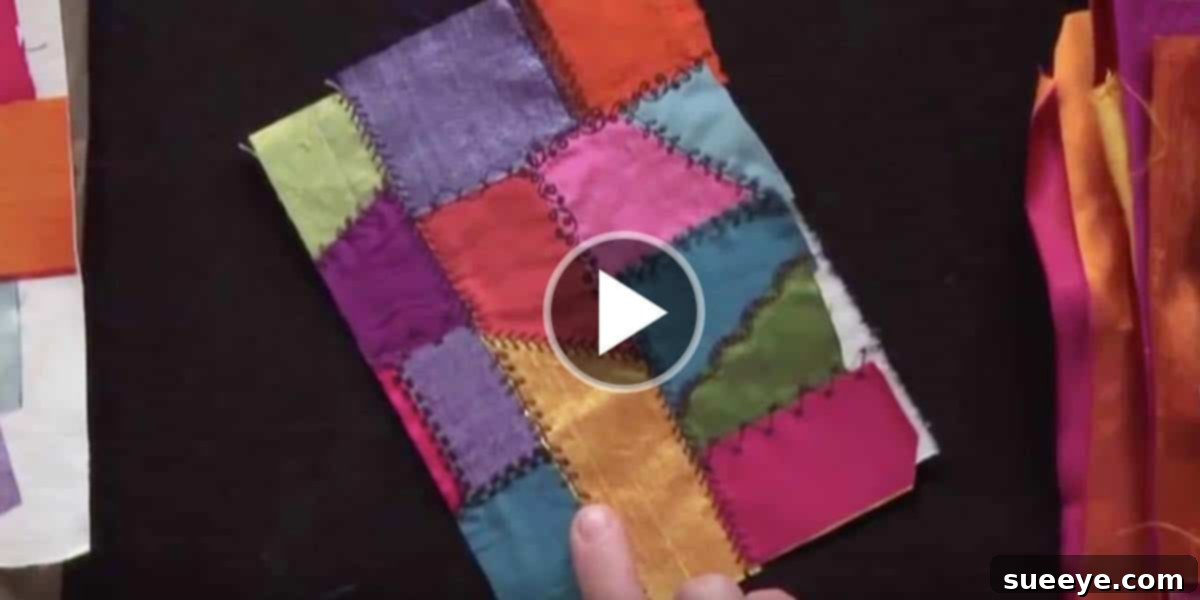
The Enduring Charm of Crazy Quilting: A Guide to Its History, Techniques, and Creative Freedom
Crazy quilting stands as a unique and captivating art form within the vast world of textiles. Unlike traditional quilting, which often relies on precise geometric patterns and utilitarian function, crazy quilts revel in asymmetry, a rich tapestry of textures, and an abundance of decorative embellishments. They are more than just blankets; they are expressive canvases that tell stories through stitches and repurposed fabrics. This guide delves into the intriguing history, essential techniques, and boundless creative potential that make crazy quilting a beloved pursuit for crafters old and new.
A Glimpse into the Past: The Rich History of Crazy Quilts
The origins of crazy quilting are deeply rooted in the opulence and aesthetic sensibilities of the Victorian era, particularly flourishing between 1880 and 1910. Initially, these quilts were less about warmth and more about ostentation and artistic display. As Womenfolk.com aptly notes, “Early quilts made in the crazy style were more show pieces than functional and were often made as smaller unquilted ‘lap robes’ that were used to decorate the parlor. They were fitting showpieces for the lavish interior decoration of the day.”
This period was characterized by an explosion of decorative arts, heavily influenced by the Aesthetic Movement and the emerging interest in Japanese art (Japonism). Victorian homes were often filled with an array of exotic and luxurious items, and crazy quilts perfectly complemented this maximalist interior design philosophy. Rather than the practical cottons of more traditional quilts, these early masterpieces were crafted from sumptuous, high-status fabrics such as velvet, silk, satin, and brocade. These materials were cut and pieced together in seemingly random, abstract shapes, creating a visually striking and often chaotic mosaic.
What truly set these quilts apart, however, was the incredible opportunity they provided for women to showcase their exceptional needlework skills. With a delicate silk thread, artisans meticulously adorned each seam with an array of intricate decorative stitches. Intriguing names like feather, herringbone, fly, chain, buttonhole, and fern stitch describe just a few of the countless variations employed. The imaginative prowess and technical skill of the seamstress were the only limits to the beauty and complexity of these embellishments. These stitches not only added exquisite detail but also served a practical purpose, often covering the raw edges of the fabric pieces.
The enthusiasm for this new quilting style quickly spread, fueled by popular women’s magazines of the era. These publications provided patterns, ideas, and inspiration, making the creation of crazy quilts a widespread craze. Women eagerly embraced the freedom to sew asymmetrical fabric pieces together in abstract arrangements, breaking away from the rigid structures of traditional quilt blocks. This creative fervor for crazy quilting continued robustly for several decades until its popularity began to wane around 1910, as tastes shifted towards simpler, more modern aesthetics. However, its legacy endured, influencing subsequent textile artists and experiencing periodic revivals.
What Makes a Crazy Quilt “Crazy”? Deconstructing the Style
The term “crazy” in crazy quilting perfectly encapsulates its defining characteristics: a delightful departure from convention. Unlike traditional quilts that are typically constructed from carefully measured and cut blocks arranged in a repeating pattern, crazy quilts embrace spontaneity and irregularity. There are no strict rules for symmetry, color placement, or fabric choice, making each piece truly unique.
The core elements that define this captivating style include:
- Asymmetrical Piecing: Fabric scraps of varying shapes and sizes are sewn together, often without prior measurement, creating an organic, free-form design.
- Foundation Piecing: Most crazy quilts are built upon a foundation fabric (often muslin or cotton), which provides stability and allows for the free-form placement of smaller, irregular pieces. This technique is crucial for managing diverse fabric types and creating a sturdy base.
- Luxurious and Diverse Fabrics: A hallmark of crazy quilts is the combination of different fabric types and textures within a single block. While early quilts favored silks and velvets, modern crazy quilts can incorporate cotton, wool, denim, satin, and even synthetic blends, creating a rich sensory experience.
- Extensive Surface Embellishment: This is arguably the most distinctive feature. Seams are not merely functional; they are canvases for elaborate hand embroidery stitches, beads, buttons, lace, ribbons, charms, and other decorative elements. These embellishments transform the practical stitches into works of art.
- Lack of Traditional Batting and Quilting: While some crazy quilts might be lightly padded, many, especially the smaller Victorian pieces, forgo batting and the typical three-layer quilting process. The emphasis is on the embellished surface, not the warmth or drape of a traditional quilt.
In essence, a crazy quilt is a celebration of individual expression, a textile collage where every seam and scrap contributes to a larger, artistic narrative. It’s a style that thrives on contrasts, bringing together disparate elements to form a harmonious, albeit “crazy,” whole.
Essential Materials and Tools for Your Crazy Quilting Journey
Embarking on a crazy quilting project is an exciting endeavor that requires a thoughtful selection of materials and a few basic tools. The beauty of this craft lies in its flexibility, allowing you to tailor your supplies to your skill level, desired aesthetic, and budget.
Fabric Selection: A Symphony of Textures
The most crucial element of any crazy quilt is, of course, the fabric. The key to a visually interesting crazy quilt is diversity. Don’t be afraid to mix and match colors, patterns, and most importantly, textures. This blend creates depth and tactile appeal that is central to the crazy quilt aesthetic.
- Beginner-Friendly: If you’re just starting out, it’s highly recommended to stick primarily to cotton fabrics. Cotton is forgiving, easy to cut and sew, and less prone to fraying than more delicate materials. It allows you to practice the techniques without battling challenging fabrics.
- Advanced Choices: For those with more experience, or a thirst for historical authenticity, incorporating silks, velvets, brocades, satins, and even fine wools will elevate your project. These luxurious fabrics add incredible sheen, pile, and drape, but they can be slippery and require more careful handling.
- Sustainable Crafting: Using Scraps: Crazy quilting is an excellent way to use up small scraps and remnants from other projects. You only need tiny pieces of fabric for each section, making it a sustainable and economical craft. Dive into your fabric stash and let the forgotten treasures inspire you!
- Considering Color Palettes: While there are no hard and fast rules, thinking about a general color palette (e.g., warm tones, cool tones, pastels, jewel tones) can help create a cohesive look amidst the “craziness.” Alternatively, embrace a completely random, scrappy approach for a truly eclectic feel.
Foundation Fabric and Threads
- Foundation Fabric: A light to medium-weight cotton or muslin is ideal for your foundation. This is the base onto which you will sew your decorative fabric scraps. It provides stability, prevents distortion, and makes the piecing process much easier, especially when working with diverse fabric types. Cut your foundation into desired block sizes (e.g., 6×6 inches, 8×8 inches, or custom shapes).
- Sewing Threads: For piecing your fabric scraps onto the foundation, a strong, good-quality cotton or polyester sewing thread that blends with your fabrics is suitable.
- Embroidery Threads: This is where the magic happens! You’ll want a variety of embroidery threads for your decorative stitches. Options include:
- Silk Thread: Historically accurate and adds a beautiful sheen, but can be delicate.
- Cotton Floss (DMC or similar): Widely available, comes in a vast array of colors, and is easy to work with.
- Pearl Cotton: A slightly thicker, lustrous thread that creates a more prominent stitch.
- Metallic Threads: For added sparkle and glamour.
- Rayon Threads: Known for their high sheen.
Having a diverse selection of weights and colors will give you immense creative freedom for your embellishments.
Embellishments Galore
Crazy quilting is renowned for its rich surface decoration. Beyond embroidery stitches, consider incorporating a range of other embellishments:
- Lace and Trim: Small pieces of antique lace, satin ribbons, braids, or decorative trims can be sewn onto seams or as design elements.
- Beads and Sequins: Add sparkle and texture by sewing on glass beads, seed beads, bugle beads, or sequins.
- Buttons: Vintage buttons, decorative buttons, or even small fabric-covered buttons make wonderful accents.
- Charms: Small metal charms (e.g., teacups, scissors, flowers) can be stitched directly onto the fabric.
- Appliques: Small fabric cutouts, often in floral or whimsical shapes, can be appliqued onto a block for added interest.
Basic Quilting Tools
- Needles: A variety of hand-sewing needles (sharp, embroidery, beading) will be essential. If using a sewing machine for piecing, ensure you have appropriate machine needles.
- Scissors: Fabric scissors for cutting larger pieces, small sharp embroidery scissors for trimming threads.
- Pins: For securing fabric pieces to the foundation.
- Thimble: Protects your finger during hand stitching.
- Iron and Ironing Board: Crucial for pressing seams flat as you piece, ensuring a neat finish.
- Rotary Cutter, Mat, and Ruler (Optional): While crazy quilting doesn’t demand precise cuts, a rotary cutter can be useful for squaring up foundation blocks or trimming finished blocks.
- Sewing Machine (Optional): While much of the embellishment is hand-stitched, a sewing machine can speed up the foundation piecing process.
Mastering the Art: Techniques for Creating Your Own Crazy Quilt
Creating a crazy quilt is a journey of discovery, blending fundamental sewing skills with artistic expression. The process is remarkably forgiving, making it an enjoyable craft for both beginners and experienced quilters.
Foundation Piecing: The Heart of Crazy Quilting
Foundation piecing is the cornerstone technique for constructing crazy quilt blocks. It involves sewing fabric scraps directly onto a stable base fabric (the foundation), rather than piecing them together freestanding. This method is incredibly beneficial because it:
- Provides Stability: Keeps the block from stretching or distorting, especially when using fabrics with different stretch properties.
- Facilitates Small Pieces: Allows you to incorporate tiny, irregularly shaped scraps that would be difficult to piece otherwise.
- Eliminates Measuring Stress: You rarely need to measure precisely, allowing for a more organic and free-form design.
Here’s a simplified step-by-step guide to foundation piecing a crazy quilt block:
- Prepare Your Foundation: Cut your chosen foundation fabric (e.g., muslin or plain cotton) into the desired size for your block (e.g., 8×8 inches).
- Start with a Center Piece: Place your first fabric scrap (Piece A), right side up, roughly in the center of your foundation. Pin it in place. This piece doesn’t have to be perfectly centered or square; it’s just a starting point.
- Add the Next Piece: Take a second fabric scrap (Piece B) and align its raw edge with one edge of Piece A, right sides together. Make sure Piece B is large enough to completely cover Piece A plus a seam allowance when flipped open.
- Sew the Seam: Stitch along the aligned edge using a 1/4-inch seam allowance (or slightly larger). You can do this by hand or machine.
- Press and Trim: Flip Piece B open so its right side is facing up and it lays flat. Press the seam open or to one side. Trim away any excess foundation fabric or fabric scraps from the back, ensuring the layers are flat and manageable.
- Continue Adding Pieces: Select a new fabric scrap (Piece C) and align its raw edge with an unstitched edge of either Piece A or Piece B, right sides together. Sew, press, and trim as before.
- Work Outward: Continue adding scraps, working your way around the central pieces and outward towards the edges of your foundation block. Overlap pieces as needed to cover the entire foundation. Don’t worry about perfect shapes; embrace the “crazy” aspect.
- Square Up: Once your entire foundation is covered with fabric scraps, trim the block to your desired finished size, ensuring straight edges.
The Magic of Decorative Stitching
Once your crazy quilt block is pieced, the real artistry begins with decorative stitching. These embellishments transform simple seams into intricate works of art and add rich texture to the quilt’s surface. Every seam on your block is an opportunity for creative expression.
Some popular decorative stitches for crazy quilting include:
- Feather Stitch: A beautiful, flowing stitch that resembles a fern frond, perfect for covering seams gracefully.
- Herringbone Stitch: A criss-cross stitch that creates a textured band.
- Fly Stitch: Resembles a “Y” shape, often used in rows or as individual accents.
- Chain Stitch: Forms a continuous chain of loops, offering a bold line.
- Buttonhole Stitch: Creates a sturdy, decorative edge, often used along appliques or for textural bands.
- French Knot: A small, raised knot that adds delightful dimension, perfect for clusters or dotting designs.
- Spider Web Stitch (or Wheel Stitch): Creates a lovely, circular, woven texture, often used to cover small areas or as a focal point.
- Couching: Laying a decorative thread (often thick or metallic) on the fabric surface and then stitching it down with smaller, discrete stitches.
- Lazy Daisy Stitch: Forms individual loops resembling flower petals.
Experiment with different threads (silk, cotton floss, pearl cotton) and combine stitches to create unique patterns. Don’t be afraid to try new techniques; practice on a scrap piece of fabric first if you’re unsure.
Incorporating Embellishments
Beyond embroidery, crazy quilts invite a host of other embellishments. Consider:
- Lace and Ribbons: Stitch small pieces of lace, delicate ribbons, or braids along seams or as standalone decorative elements.
- Beads and Buttons: Hand-sew beads (seed beads, bugle beads, glass beads) onto your embroidery, or attach decorative buttons as accents. Choose elements that complement your fabric choices.
- Appliques: Cut small shapes from interesting fabrics (flowers, leaves, animals) and applique them onto your block, then embellish their edges with embroidery.
The key is to create a harmonious composition where all the elements contribute to the overall beauty and visual interest of the block. Think about balance, texture, and how each embellishment enhances the story your quilt is telling.
Creative Applications: Beyond the Traditional Quilt
While crazy quilts can certainly be assembled into full-sized bed coverings, their unique charm and often smaller block size make them incredibly versatile for a multitude of other projects. This flexibility is one of the many reasons for their enduring appeal.
When it’s scorching hot outside and the thought of wrestling with a large quilt top is daunting, crazy quilt blocks are a perfect “sit-in-the-basement-and-sew” project. They look awesome, are super easy, and require very little actual measurement. Here are some fantastic applications for your stunning crazy quilt blocks:
- Decorative Throw Pillows: A single embellished crazy quilt block can be the centerpiece of a beautiful throw pillow, instantly adding a touch of vintage elegance or eclectic charm to any sofa or armchair.
- Stunning Wall Hangings: Frame a particularly intricate block or combine a few blocks into a small wall hanging. These make wonderful focal points in a room and allow the detailed embroidery to be admired up close.
- Personalized Tote Bags: Embellish the front panel of a tote bag with a crazy quilt block. This creates a unique accessory that is both functional and a work of art, perfect for carrying your latest craft project or library books.
- Art Quilt Panels: For those interested in textile art, crazy quilt blocks can be incorporated into larger art quilt compositions, adding texture and historical richness.
- Journal or Book Covers: Create a one-of-a-kind cover for a journal, sketchbook, or beloved book using a crazy quilt block. It makes a beautiful, personalized gift.
- Clothing Accents: Consider using a small crazy quilt element as a patch on a jacket, an embellished pocket, or a cuff detail to transform a garment into something truly special.
- Pin Cushions and Sewing Organizers: Small crazy quilt squares can be sewn into luxurious pincushions or incorporated into sewing machine covers and tool organizers, bringing beauty to your crafting space.
- Heirloom Gifts: Because of their intricate nature and the personal touch involved, crazy quilt items make exceptionally thoughtful and cherished handmade gifts for birthdays, anniversaries, or special occasions.
The possibilities are truly endless. The beauty of crazy quilting lies in its adaptability; a single finished block is often a complete work of art in itself, ready to be incorporated into your chosen project.
Why Embrace Crazy Quilting Today? Benefits and Joys
Beyond its historical significance and aesthetic appeal, crazy quilting offers numerous benefits to modern crafters. It’s an art form that deeply resonates with many, providing both creative outlets and practical advantages.
- Unleashing Creative Freedom: This is perhaps the greatest allure of crazy quilting. With no strict patterns or rules to follow, you are free to experiment with colors, textures, stitches, and embellishments. It’s a wonderfully liberating process that encourages personal expression and intuition.
- Mindfulness and Stress Relief: The repetitive motions of hand-stitching and the meditative focus required for intricate embroidery can be incredibly calming and therapeutic. Crazy quilting provides an escape from daily stresses, allowing you to immerse yourself in a creative, tactile experience.
- Sustainable Crafting: Repurposing and Reducing Waste: In an age where sustainability is increasingly important, crazy quilting stands out as an eco-friendly craft. It encourages the use of fabric scraps, remnants, and even treasured pieces of old clothing or linens, giving new life to materials that might otherwise be discarded.
- Creating Unique, Personalized Heirlooms: Every crazy quilt is a one-of-a-kind creation. The combination of fabrics, stitches, and embellishments ensures that no two pieces will ever be identical. This makes crazy quilts perfect for creating personalized gifts or family heirlooms that can be cherished for generations, each stitch imbued with meaning.
- A Connection to Textile History: Engaging in crazy quilting connects you to a rich lineage of textile artists, particularly the Victorian women who pioneered this elaborate style. It’s a way to appreciate and continue a beautiful tradition while infusing it with contemporary flair.
- Accessibility for All Skill Levels: While the finished product can look complex, the basic techniques of foundation piecing are quite simple. Beginners can start with basic stitches and cotton fabrics, gradually expanding their skills. Experienced sewers can challenge themselves with more luxurious materials and intricate embellishments.
Getting Started: Tips for the Aspiring Crazy Quilter
If you’re feeling inspired to try your hand at crazy quilting, here are a few tips to help you begin your journey:
- Start Small: Don’t feel pressured to create a full-sized quilt immediately. Begin with a single 6×6 or 8×8-inch block to get a feel for the process. This allows you to experiment with fabrics and stitches without committing to a large project. A throw pillow or a small wall hanging is an excellent first project.
- Embrace Imperfections: Crazy quilting is about charm, character, and artistic expression, not machine-like perfection. Don’t stress over perfectly straight stitches or precisely aligned seams. The slight irregularities add to the handmade beauty of the piece.
- Utilize Online Tutorials and Resources: The internet is a treasure trove of information. Many talented quilters, like Cookie Gaynor (as mentioned in the original text), offer step-by-step video tutorials and blog posts that can guide you through every aspect of crazy quilting, from foundation piecing to various embroidery stitches. These resources are invaluable for visual learners.
- Play with Fabric: Gather a good variety of fabric scraps in different colors, patterns, and textures. Don’t be afraid to mix unlikely combinations; sometimes the most unexpected pairings create the most stunning results.
- Practice Your Stitches: Before committing to your main project, practice new embroidery stitches on a scrap piece of fabric. This builds confidence and helps you achieve a smoother, more even stitch on your actual quilt block.
- Most Importantly: Have Fun! Crazy quilting is meant to be an enjoyable and creative process. Let your imagination guide you, and savor every stitch you make.
Crazy quilting is a timeless art that beautifully marries history with personal expression. Whether you’re drawn to its opulent Victorian roots or its modern-day appeal as a sustainable and creatively liberating craft, there’s a world of beauty waiting to be explored with needle and thread. So gather your scraps, choose your stitches, and embark on your own “crazy” quilting adventure – you might just create a masterpiece.