
Empower Your Home: Your Ultimate Guide to Making Effective DIY Disinfectant Wipes & Sprays
In today’s world, maintaining a clean and germ-free environment has become more important than ever. With unforeseen shortages of essential cleaning supplies like disinfectant wipes and sprays in grocery stores and pharmacies, the demand for practical, homemade alternatives has surged. This comprehensive guide will equip you with the knowledge and steps to create your own powerful disinfectant wipes and an alcohol-based disinfectant spray, utilizing common household materials you likely already have on hand, such as regular bleach and rubbing alcohol.
Our journey into the world of DIY disinfection is inspired by ingenious creators who share practical solutions. A fantastic example is the resourceful YouTuber, Do It On A Dime, whose amazing video demonstrates the simplicity of crafting homemade disinfectant wipes. These versatile wipes are perfect for ensuring cleanliness at home or for quick sanitation tasks when you’re out and about, effectively cleaning any surfaces before or after touching or handling. Beyond practical demonstrations, it’s crucial to consult reputable sources for best practices. The Centers for Disease Control and Prevention (CDC) provides invaluable guidelines for maintaining a germ-free living environment. While specific URLs may evolve, the core advice detailed in articles like Disinfecting Your Home If Someone Is Sick offers step-by-step instructions on safeguarding your family and yourself.
Why Opt for DIY Disinfectants? The Advantages of Homemade Solutions
Creating your own cleaning supplies offers a myriad of benefits that extend beyond simply circumventing product shortages:
- Cost-Effectiveness: Commercial disinfectant products can accumulate significant costs over time. By making your own, you substantially reduce your household budget for cleaning essentials, using ingredients that are generally very affordable.
- Accessibility and Preparedness: The ability to produce your own cleaning agents means you’re less reliant on fluctuating supply chains. This fosters a strong sense of preparedness and self-reliance, providing peace of mind during uncertain times.
- Control Over Ingredients: You have complete knowledge and control over what goes into your disinfectants. This allows you to avoid unnecessary additives, harsh fragrances, or chemicals that might trigger allergies or sensitivities in your household.
- Environmental Responsibility: Utilizing reusable containers for your homemade wipes and sprays significantly cuts down on plastic waste. This sustainable approach reduces your environmental footprint compared to constantly purchasing single-use commercial products.
- Tailored to Your Needs: You can easily adjust the quantity of disinfectant solution or wipes you prepare, ensuring you always have enough without creating excess waste.
Understanding Your Disinfectant Arsenal: Bleach vs. Rubbing Alcohol
Both bleach and rubbing alcohol are highly effective disinfectants, but they work differently and have distinct applications. Understanding their properties is key to safe and effective use.
The Potency of Bleach (Sodium Hypochlorite)
Unscented household chlorine bleach, containing sodium hypochlorite, is a powerful oxidizing agent widely recognized for its broad-spectrum efficacy against bacteria, viruses (including coronaviruses), and fungi. It works by damaging the proteins and cell structures of microorganisms, rendering them inactive or dead.
- Key Benefits: Highly effective against a wide range of pathogens, very affordable, and widely available.
- Important Considerations: Bleach must be diluted correctly; too high a concentration can be corrosive and dangerous, while too low may be ineffective. Crucially, bleach requires proper ventilation during use and must NEVER be mixed with other cleaning chemicals, especially ammonia, acids (like vinegar), or toilet bowl cleaners, as this can release highly toxic and potentially fatal gases. It can also cause discoloration or damage to fabrics, colored surfaces, and some metals.
The Efficacy of Rubbing Alcohol (Isopropyl Alcohol)
Rubbing alcohol, typically isopropyl alcohol, is another excellent disinfectant that works by denaturing proteins and dissolving lipids, effectively breaking down the cellular components of many bacteria, viruses, and fungi. For optimal disinfection, a concentration of at least 70% is recommended. Concentrations higher than 90% tend to evaporate too quickly, reducing the necessary contact time for effective germ killing. The presence of water in 70% alcohol helps slow evaporation and facilitates better penetration into the microbial cells.
- Key Benefits: Fast-drying, effective against many common germs, generally safe for quick use on a wide variety of surfaces including many electronics (when applied correctly), and leaves virtually no residue.
- Important Considerations: Rubbing alcohol is flammable; keep it away from open flames and heat sources. It can be irritating to skin and eyes, and should never be ingested. Repeated use on certain plastics, varnished wood, or painted surfaces may cause damage or dullness over time.
Recipe 1: Crafting Effective Homemade Bleach-Based Disinfectant Wipes
These bleach-based wipes are ideal for disinfecting hard, non-porous surfaces like kitchen countertops, bathroom sinks, tiled floors, door handles, light switches, and other high-touch areas. Always remember to clean surfaces of any visible dirt or grime with soap and water before applying the disinfectant for optimal effectiveness.
Ingredients/ Materials List For Bleach Wipes:
- 1 cup of water: Distilled water is preferred as it minimizes mineral deposits in your container and can slightly prolong the solution’s stability. However, regular tap water is perfectly acceptable, especially if you plan to use the wipes within a few weeks.
- 1/2 Tablespoon of Unscented Household Bleach: It is critical to use standard, unscented chlorine bleach containing 5-9% sodium hypochlorite. Avoid using “color-safe,” “splash-less,” or heavily scented bleaches, as their chemical compositions differ and may not offer the same disinfecting power or could contain irritants.
- An airtight container: A sturdy plastic container with a tight-fitting, secure lid, such as a Tupperware or a repurposed empty container from commercial disinfectant wipes, is essential. The airtight seal prevents the disinfectant solution from evaporating and keeps your wipes moist and effective for longer.
- One roll of paper towels: Select a durable, absorbent brand of paper towels that can withstand being saturated without easily tearing or falling apart.
- A sharp, serrated knife (e.g., a bread knife): This tool is necessary for safely and cleanly cutting the paper towel roll.
- Personal Protective Equipment: A pair of rubber or latex gloves and eye protection (safety glasses) are highly recommended to protect your skin and eyes from direct contact with bleach solution.
Detailed Directions for Crafting Your Bleach Wipes:
Follow these instructions precisely to ensure both your safety and the maximum effectiveness of your homemade disinfectant wipes:
- Prepare Your Workspace and Personal Protection: Choose a well-ventilated area, such as near an open window or with a fan running. Lay down old newspapers or a protective cloth to shield your work surface from spills. Put on your gloves and eye protection before handling any bleach.
- Precisely Cut the Paper Towel Roll: Take your full roll of paper towels and carefully cut it in half horizontally. A sharp, serrated knife, like a bread knife, is ideal for achieving a clean, even cut through the densely packed paper. Once cut, place one of these half-sized rolls into your chosen airtight container. Store the other half for a future batch of wipes.
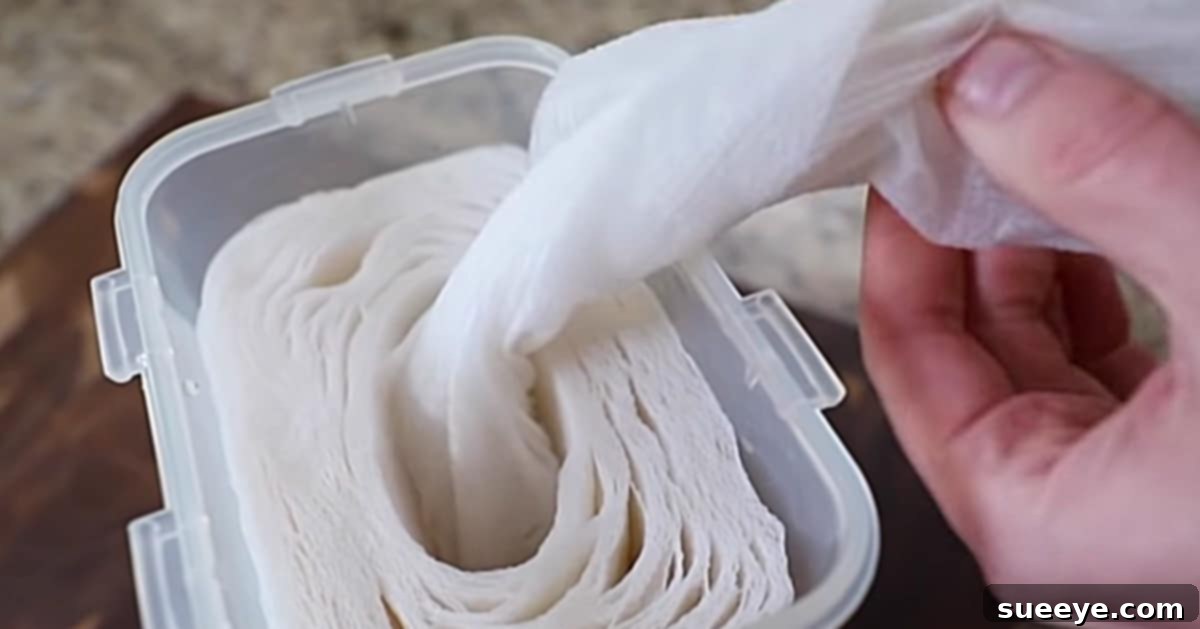
- Remove the Cardboard Core: After the paper towel roll is settled in the container, locate the cardboard tube in its center. Gently but firmly grasp it and twist or pull it out. This action creates the central opening from which you will later dispense individual wipes.
- Carefully Prepare the Disinfectant Solution: In a separate, non-metallic measuring cup or bowl, measure out exactly 1 cup of water. Then, with extreme caution, add 1/2 tablespoon of your unscented household bleach to the water. Stir the mixture gently with a plastic or wooden utensil until the bleach is thoroughly dispersed. CRITICAL SAFETY WARNING: NEVER, under any circumstances, mix bleach with ammonia-based cleaners, vinegar, toilet bowl cleaners, rust removers, or any other household chemicals. This can generate toxic chlorine gas, which is extremely dangerous and potentially fatal.
- Saturate the Paper Towels: Slowly and evenly pour the prepared bleach and water mixture over the paper towel roll inside the container. Ensure that the entire roll becomes fully saturated. You may need to gently press down on the top of the roll to help it absorb the liquid uniformly and expedite the process.
- Set Up for Easy Dispensing: Once the paper towels are thoroughly wet, find the center-most sheet of paper towel. Pull this sheet up through the hole where the cardboard core once was, creating a convenient pull-tag. This will allow for easy, single-wipe dispensing, much like commercial wipes.
- Seal, Label, and Store: Securely fasten the airtight lid onto your container. It is imperative to clearly label the container immediately with its contents (e.g., “Homemade Bleach Disinfectant Wipes – DANGER: Contains Bleach, Do Not Ingest”) and the date of preparation. This prevents accidental misuse and helps you keep track of the solution’s freshness. Store the container out of reach of children and pets in a cool, dark place.
Your homemade bleach disinfectant wipes are now ready to be deployed against germs! Always remember to use them in a well-ventilated area and thoroughly wash your hands with soap and water after each use.
Recipe 2: Simple & Effective Alcohol-Based Disinfectant Spray
This fast-drying alcohol spray is an excellent alternative for surfaces where bleach might not be suitable, such as certain electronics (always spray onto a cloth first, never directly onto devices), glass, or for quick sanitization tasks that require rapid evaporation. Its portability also makes it ideal for on-the-go disinfection.
Ingredients / Materials List For Alcohol Disinfectant Spray:
- Bottle of at least 70% Rubbing Alcohol (Isopropyl Alcohol): This is your primary and often sole ingredient. Ensure the concentration is 70% or higher for optimal disinfecting power. Do not dilute this further with water unless specifically instructed by a reliable source for a different purpose, as it will reduce its efficacy.
- Spray Nozzle and Reusable Bottle: A sturdy, clean spray bottle with a reliable nozzle that produces a fine mist is ideal. You can reuse an old cleaning spray bottle (after thoroughly cleaning and rinsing it) or purchase an empty one.
Simple Directions for Creating Your Alcohol Spray:
Making this disinfectant spray is incredibly straightforward:
- Fill the Bottle: Carefully pour the 70% (or higher) rubbing alcohol directly into your clean, empty spray bottle.
- Attach Spray Nozzle: Screw the spray nozzle securely onto the bottle, ensuring a tight seal to prevent leaks and evaporation.
- Label Clearly: Label the bottle prominently and immediately as “Alcohol Disinfectant Spray” and include a clear warning about its flammability. Store it safely away from heat and open flames.
And just like that, your alcohol-based sterilizer is ready for action! To use, simply spray it onto a surface, ensuring the surface remains visibly wet for at least 30 seconds to a minute (refer to the rubbing alcohol product’s specific instructions for optimal contact time). Allow it to air dry naturally. For electronics, lightly mist a clean microfiber cloth and then gently wipe the device.
Essential Safety Considerations for All Homemade Disinfectants
While the creation of your own disinfectants is empowering, adhering to strict safety protocols is paramount for protecting yourself and your household:
- Prioritize Ventilation: Always ensure adequate ventilation when working with and using bleach solutions. Open windows, use exhaust fans, or work outdoors to minimize inhalation of fumes.
- Wear Protective Gear: Always wear appropriate protective equipment, including gloves to protect your skin from chemical irritation and eye protection (safety glasses or goggles) to prevent accidental splashes.
- Accurate Dilution is Crucial: Follow the recommended dilution ratios for bleach precisely. Using too much bleach does not enhance disinfection and only increases the risk of damage to surfaces and potential health hazards. Too little bleach will render it ineffective.
- NEVER Mix Chemicals: This cannot be overemphasized: Under no circumstances should you mix bleach with ammonia-based cleaners, acids (like vinegar), or any other cleaning agents. This can trigger dangerous chemical reactions that release highly toxic and potentially lethal gases.
- Clear and Immediate Labeling: Label all containers immediately and clearly with the precise contents, concentration, and any necessary warning labels (e.g., “Homemade Bleach Disinfectant Wipes – CAUSTIC, DO NOT INGEST,” “Flammable Alcohol Disinfectant Spray”). This prevents accidental misuse or ingestion.
- Secure Storage: Store all homemade cleaning products, just like commercial ones, in a cool, dry, dark place, securely out of the reach of children, pets, and vulnerable individuals.
- Patch Test Surfaces: Before applying any homemade disinfectant extensively to a new surface, always perform a small patch test in an inconspicuous area to ensure it does not cause discoloration, damage, or unwanted reactions.
- Understand Shelf Life: While alcohol solutions are quite stable when sealed, bleach solutions significantly lose their disinfecting efficacy over time. For optimal germ-killing power, it’s best to prepare fresh bleach solutions daily or every few days. Do not rely on old bleach solutions for disinfection.
Effective Disinfection Practices: Maximizing the Power of Your Wipes & Sprays
Having effective disinfectants is only part of the equation; knowing how to use them correctly is equally vital:
- Clean Before Disinfecting: Disinfectants are most effective on clean surfaces. Always remove visible dirt, dust, and grime with soap and water (or an all-purpose cleaner) before applying your disinfectant. Organic matter can shield germs and reduce the disinfectant’s ability to work.
- Adhere to Contact Time: For disinfectants to effectively kill pathogens, they need to remain wet on the surface for a specific “contact time.” For diluted bleach solutions, this is typically around 5 minutes. For alcohol solutions, generally 30 seconds to 1 minute is sufficient, but always check the specific alcohol product label for precise recommendations. Do not wipe the surface dry immediately after application.
- Target High-Touch Surfaces: Focus your disinfection efforts on areas that are frequently touched by multiple people. This includes doorknobs, light switches, faucet handles, countertops, toilet seats, remote controls, phones, keyboards, and railings.
- Proper Disposal: While the used paper towel wipes can generally be disposed of in regular household waste, ensure any residual liquids or mixing containers are handled responsibly and any unused solutions are disposed of safely according to local guidelines.
Relying on Expert Guidance: The CDC’s Cornerstone of Safety
As highlighted by various experts and creators like Do It On A Dime, referring to credible health organizations like the Centers for Disease Control and Prevention (CDC) is fundamental for understanding and implementing the most effective and safest hygiene practices. The CDC consistently provides up-to-date guidance, especially during public health crises, covering crucial aspects such as:
- Distinguishing Cleaning from Disinfecting: Clarifying when a simple cleaning is sufficient versus when full disinfection is required.
- Recommended Disinfectants: Offering insights into which types of disinfectants are effective against specific pathogens and how to use them.
- Application Techniques: Providing detailed instructions on how to safely and effectively apply cleaning and disinfecting products to various surfaces.
- Personal Protective Equipment (PPE): Guidelines on when and how to properly use gloves, masks, and other protective gear.
- Hand Hygiene: Emphasizing the critical role of frequent handwashing with soap and water or using alcohol-based hand sanitizers in preventing the spread of germs.
It is always recommended to consult the latest guidelines from reputable health organizations like the CDC for the most current and accurate information relevant to your specific situation and any evolving public health concerns. The previously referenced article, Disinfecting Your Home If Someone Is Sick, offers an excellent foundational understanding of thorough home disinfection strategies.
Conclusion: Take Control and Cultivate a Healthier Home
The ability to create your own homemade disinfectant wipes and alcohol sprays is a powerful step towards greater self-sufficiency, financial savings, and peace of mind. With just a few common household items, a commitment to safety, and the detailed guidance provided here, you can effectively combat germs and maintain a clean, healthy living environment for yourself and your loved ones. We found the initial video inspiration by Do It On A Dime incredibly useful, and we sincerely hope this comprehensive guide provides you with all the knowledge, confidence, and practical steps you need to tackle your home disinfection needs effectively and safely. Embrace the DIY spirit and empower your home with these simple, yet profoundly impactful, cleaning solutions!