
Unlocking Home Security: 6+ Ingenious DIY Secret Hiding Places for Your Valuables
In an increasingly unpredictable world, safeguarding our precious possessions has become a paramount concern for many homeowners. While traditional safes offer a baseline level of security, the true genius of home protection often lies in creating clever, unexpected hiding places that blend seamlessly into your everyday environment. Whether you’re looking to stash away cash, valuable jewelry, spare keys, or sensitive documents, the goal is to make these items invisible to the casual observer and even the most determined intruder.
The beauty of these solutions is their simplicity and cost-effectiveness. Inspired by ingenious ideas, such as those shared by Household Hacker on YouTube, you can transform common household items into discreet security zones. These DIY secret hiding spots are not only incredibly cheap to create but also surprisingly easy to implement, offering peace of mind without breaking the bank. Forget bulky safes that stand out; it’s time to embrace the art of camouflage and misdirection to protect what matters most.
The Art of Discreet Security: Why Creative Hiding Spots Matter
The psychology behind secret hiding places is simple yet profoundly effective: thieves typically spend only a few minutes in a home, looking for obvious targets. They’re usually after quick grabs from common spots like bedrooms, master closets, or readily accessible drawers. By creating hiding spots that are unconventional, mundane, or require a second look to even register as a possibility, you dramatically reduce the chances of your valuables being discovered.
These creative solutions serve as an excellent secondary layer of defense, complementing existing security measures. They are ideal for items that you need to access occasionally but don’t want to leave in plain sight, or for those small, high-value items that might not warrant their own dedicated safe. From emergency cash reserves to sentimental heirlooms, a well-placed secret compartment can be the difference between loss and lasting security.
Essential Tools for Crafting Your Hidden Compartments
Before diving into the creation of your secret stashes, it’s helpful to gather a few basic tools and materials. Many of these items are likely already in your home, underscoring the budget-friendly nature of these DIY projects. Safety should always be your priority, especially when using cutting tools.
- An old, thick book: Preferably a hardcover, one that won’t be missed or stands out as valuable itself.
- Some clamps: Essential for holding pages together firmly during the cutting and gluing process.
- A sharp box cutter or utility knife: For precise and clean cuts. Handle with extreme care.
- A tray or foil: Useful for protecting your work surface from glue or paint.
- An outdoor solar light: A common garden fixture perfect for disguising key storage.
- A desk clock: Choose one with enough internal space for a faux back or compartment.
- A plastic soda or water bottle: For creating a discreet container that blends into a fridge or pantry.
- Strong adhesive or craft glue: To secure components and create durable compartments.
- Other common craft supplies: Such as tape, markers, or small weights, depending on the specific project.
Dive into the DIY: Ingenious Secret Hiding Place Ideas
Now, let’s explore some of the most effective and easy-to-create secret hiding places that leverage everyday objects and unexpected locations. Each method offers a unique approach to discreet security.
1. The Classic Book Safe: An Intellectual Illusion
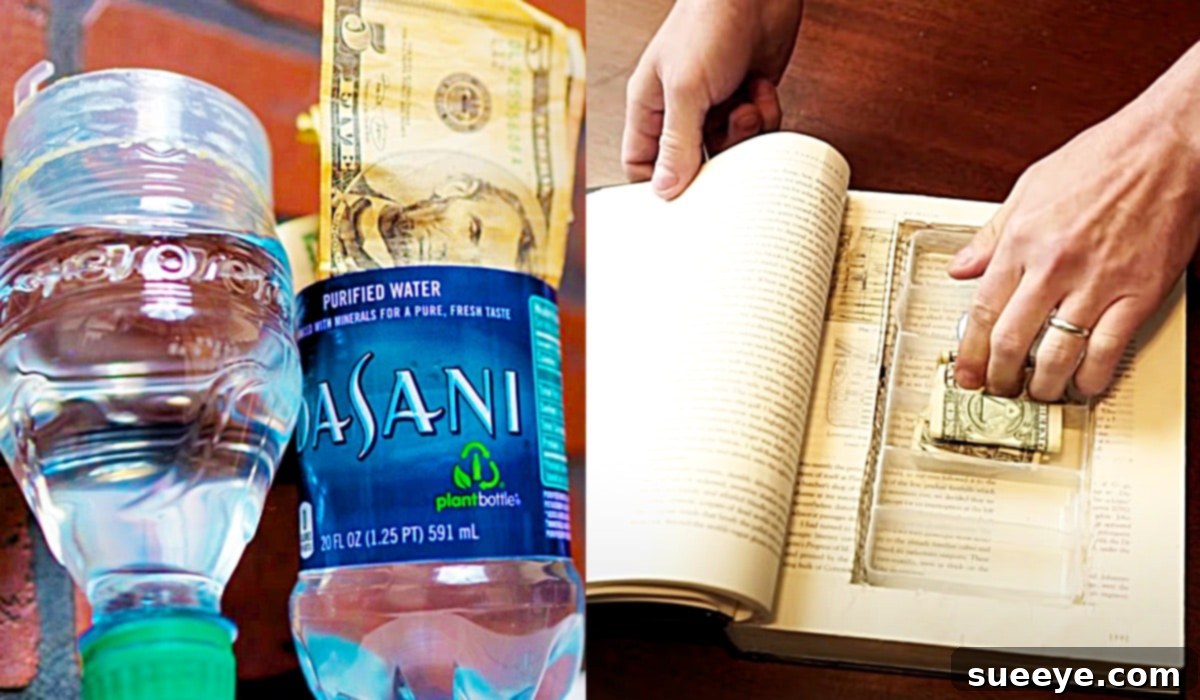
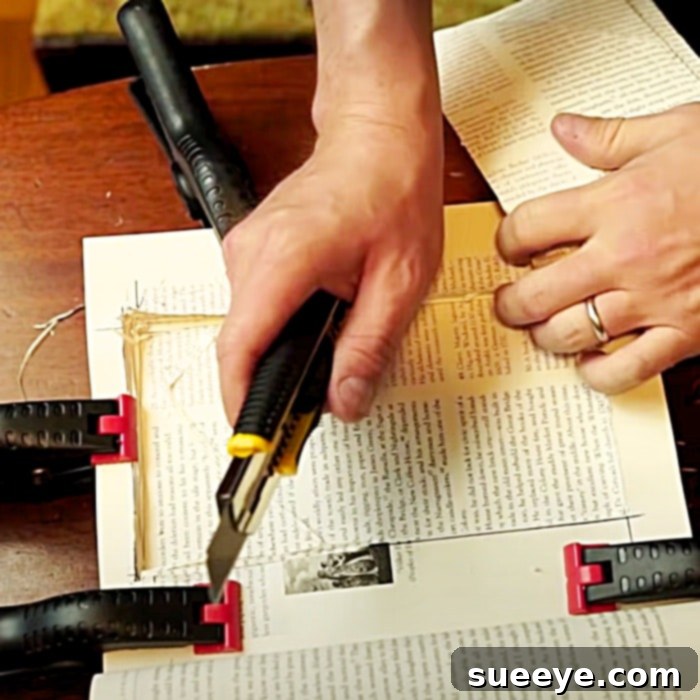
The hollow book safe is a timeless classic for a reason: it’s incredibly effective and virtually undetectable when placed among other books. To create one, select an old hardcover book that looks unassuming and isn’t likely to be opened or borrowed. Clamp the pages tightly together, leaving the front and back covers, and the first few pages free. Use a box cutter to carefully cut a rectangular cavity into the block of pages, creating a neat compartment. Once cut, apply glue around the edges of the cut pages to prevent fraying and ensure the compartment holds its shape. Let it dry completely under pressure. This literary lair is perfect for storing cash, small pieces of jewelry, USB drives, or important keys. Place it on a bookshelf filled with similar-looking volumes to maintain its disguise.
2. The Outdoor Solar Light: Illuminating Your Key Security
A brilliant solution for hiding spare keys or emergency cash outside your home, the outdoor solar light method is ingenious in its simplicity. Many solar lights have a hollow stake or base designed to house the battery and electronics. By carefully disassembling one, you can often create a small, waterproof compartment. Wrap your key or cash in a small plastic bag or film to protect it from moisture. Place it inside the solar light’s base or post, then reassemble it and position it in your garden or walkway as if it were an ordinary fixture. Its functionality as a light further reinforces its inconspicuousness. Just ensure it’s not placed somewhere easily dug up or frequently moved.
3. The Desk Clock Diversion: Time-Honored Secrecy
A common desk clock can be transformed into a surprisingly secure hiding spot for small valuables. Look for a clock that has a removable back or a slightly larger casing. The idea is to create a “faux back” or a small compartment behind the clock’s internal mechanisms, or even within a decorative base if the clock has one. You might need to gently remove some non-essential components or create a small, discreet opening. This spot is ideal for storing micro SD cards, small jewelry items like rings or earrings, emergency cash in rolled bills, or even small, sensitive notes. Place the modified clock prominently on a desk, shelf, or bedside table where it appears to be a normal, functional timepiece.
4. The Soda Bottle Stash: A Refreshingly Secure Spot in the Fridge
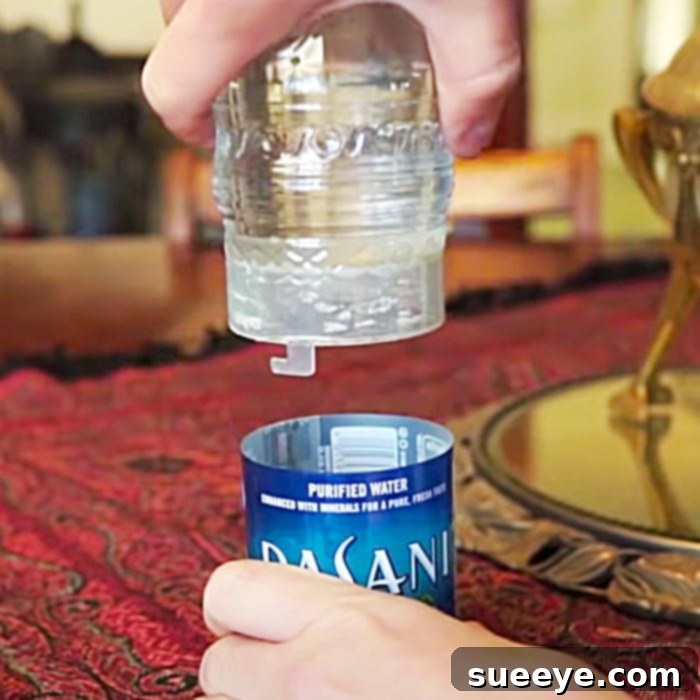
This method cleverly uses the most unlikely of places – your refrigerator or pantry – to hide valuables. Take an empty plastic soda or water bottle and clean it thoroughly. Create a false bottom or a central core by cutting a smaller plastic bottle or tube to fit snugly inside, leaving a sealed compartment at the bottom or center. You can also carefully cut the bottom off a bottle, place your items inside a sealed bag, then reattach the bottom with strong adhesive, ensuring it’s watertight. Fill the bottle with some water (if applicable) or other similar contents if it’s designed to be in the fridge, making it heavy and feel natural. Place it among other drinks; its mundane appearance makes it virtually invisible to anyone not specifically looking for it. Perfect for documents, flash drives, or cash.
5. The Faux Wall Outlet or Vent: A Seamless Integration
While slightly more involved, creating a faux wall outlet or vent cover is an incredibly effective secret hiding place that blends seamlessly into your home’s architecture. Kits are available for this purpose, or you can craft one yourself using a shallow electrical box and an actual outlet or vent cover. The idea is to mount this “fake” cover over a cut-out in your drywall, creating a small recess behind it. Ensure it’s not connected to any live wiring! This hidden compartment is excellent for smaller items like backup keys, folded cash, or valuable documents that you don’t need frequent access to. The trick is to make it look identical to other outlets or vents in the room, making it practically invisible unless specifically pointed out.
6. The Plant Pot Pretender: Nature’s Secret Keeper
Your indoor or outdoor potted plants can offer a surprisingly good spot for discreet storage. For smaller items like a spare key, a small amount of cash, or a USB stick, you can place them in a waterproof bag and bury them a few inches deep beneath the soil of a healthy plant. Ensure the bag is robust and tied securely. For a more sophisticated approach, you can create a false bottom in a larger plant pot. Place a small, shallow container upside down inside the pot, then fill the space above it with soil and plant your flora. The space beneath the inverted container becomes a hidden void. This works best for pots that are not frequently moved or repotted, and where the contents are well-protected from moisture.
7. Beyond the Six: Everyday Items with Hidden Potential
The possibilities for secret hiding places are limited only by your imagination. Consider other common household items: a container of cleaning wipes with a false bottom, an old, gutted aerosol can, a deodorant stick with a hollowed-out center, or even the base of a lamp. The key is to think like a thief, but then outsmart them by choosing locations and items they would never suspect. The more mundane and commonplace the item, the better its camouflage.
General Tips for Maximizing Your Secret Hiding Spots
To ensure your DIY secret hiding places are as effective as possible, keep these tips in mind:
- Diversify your locations: Never put all your valuables in one secret spot. Distribute them across multiple hidden areas in your home.
- Keep it a secret: The effectiveness of a secret hiding place relies entirely on its secrecy. Share its location with as few people as possible, ideally only trusted family members for emergency access.
- Test the realism: After creating a spot, step back and view it with fresh eyes. Does it look natural? Would you suspect it if you didn’t know? Adjust as needed to enhance its disguise.
- Protect contents from elements: Always use waterproof bags or containers for items placed in areas exposed to moisture, dust, or extreme temperatures.
- Regularly check your spots: Periodically ensure your hidden items are still secure and unaffected by their environment.
Beyond the DIY: Enhancing Overall Home Security
While these DIY secret hiding places offer an excellent layer of protection, they are best utilized as part of a broader home security strategy. Consider integrating them with other security measures such as robust door and window locks, a monitored alarm system, security cameras, or even simple measures like proper lighting and trimming shrubbery to eliminate hiding spots around your property. A multi-layered approach to security provides the most comprehensive protection for your home and its contents.
Conclusion
Creating secret hiding places is an empowering and practical way to take control of your home security. By transforming ordinary items into extraordinary safeguards, you can protect your most cherished possessions from theft and misplacement. The ideas presented here, inspired by creative minds like Household Hacker, demonstrate that effective security doesn’t always require expensive gadgets or professional installations. With a little ingenuity, some basic tools, and a commitment to discretion, you can significantly enhance the safety of your valuables and enjoy greater peace of mind in your own home. Start exploring these DIY options today and fortify your personal sanctuary!