
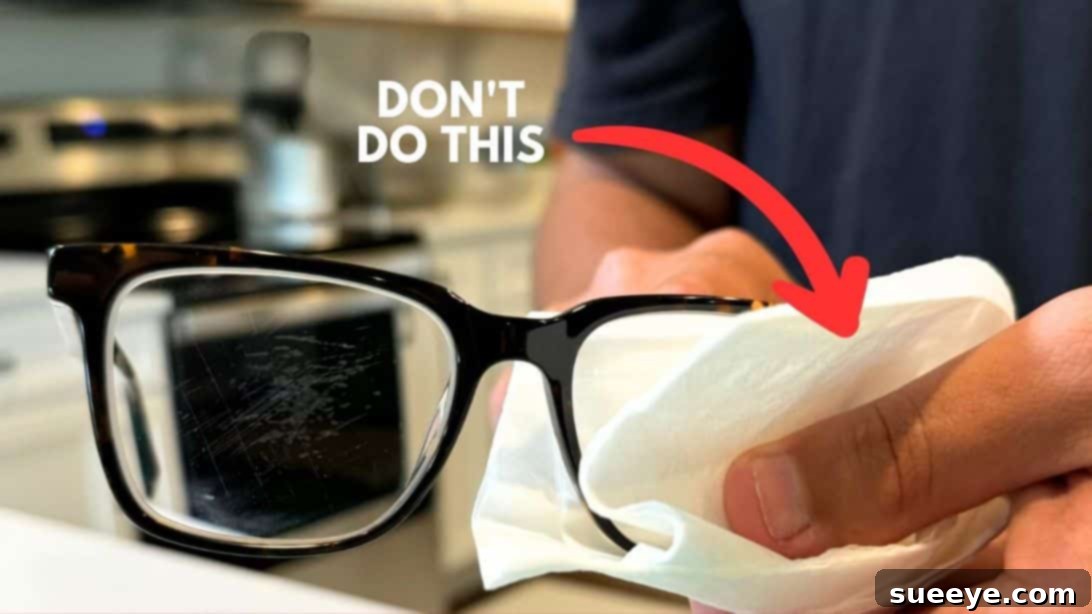
Are you tired of smudged, blurry vision that hinders your daily life? Do you find yourself constantly wiping your glasses with your shirt, only to spread the grime around or worse, scratch your expensive lenses? You’re not alone. Many people unknowingly use improper methods to clean their eyewear, leading to damaged coatings, unsightly scratches, and a diminished visual experience.
Eyeglasses are more than just a fashion accessory; they are a vital tool that allows millions to see the world clearly. Given the significant investment in prescription lenses and stylish frames, understanding the correct way to care for them is paramount. This comprehensive guide will walk you through a simple yet highly effective method to clean your glasses, ensuring they remain in pristine condition, offering you optimal clarity and extending their lifespan.
Forget damaging paper towels, abrasive cloths, or questionable cleaning solutions. We’ll reveal the secrets to achieving streak-free, crystal-clear lenses using common household items, just like experts such as Clean That Up on YouTube demonstrate. By following these easy steps, you can avoid costly repairs, protect your lens coatings, and enjoy the sharp vision you deserve.
RELATED RESOURCES:
- Best Way to Remove Scratches from Eyeglasses and Sunglasses
- How to Clean Eyeglasses and Make Them Fog-Proof
Why Proper Eyeglass Care is Essential for Optimal Vision
Your eyeglasses are a crucial component of your daily life, enabling you to read, drive, work, and engage with the world around you. However, their constant exposure to the environment means they accumulate dirt, dust, skin oils, makeup residue, and even bacteria. Ignoring proper cleaning or using incorrect methods can have several detrimental effects:
- Compromised Vision: Smudges, streaks, and scratches directly impede light transmission, making your vision blurry, distorted, and requiring your eyes to work harder, leading to strain and fatigue.
- Damaged Lens Coatings: Modern prescription lenses often feature advanced coatings like anti-glare (AR), anti-scratch, UV protection, and hydrophobic (water-repellent) layers. Harsh chemicals, abrasive materials, or even just dry wiping can easily degrade or strip these delicate coatings, significantly reducing their effectiveness and the overall performance of your lenses.
- Reduced Lifespan of Your Eyewear: Improper care accelerates wear and tear, forcing you to replace your costly lenses and frames more frequently than necessary. Protecting your investment means adopting a consistent and correct cleaning routine.
- Hygiene Concerns: Glasses sit directly on your face and interact with your skin, hair, and hands throughout the day. They can harbor germs and allergens, making regular, thorough cleaning vital for personal hygiene and preventing skin irritation.
- Diminished Aesthetics: Clean, sparkling glasses not only improve your vision but also contribute to a polished and well-maintained appearance.
Understanding these reasons underscores the importance of learning and applying the right cleaning techniques. It’s not just about seeing clearly today, but about preserving your vision and your eyewear for years to come.
Understanding the Right Tools: What You Need to Clean Your Glasses
You don’t need fancy, expensive solutions to clean your glasses effectively. In fact, some of the best tools are probably already in your home. The key is knowing which ones to use and, perhaps more importantly, which ones to avoid at all costs.
Essential Cleaning Supplies:
- Dawn Dish Soap (or a similar mild, lotion-free dish soap): This is your secret weapon. Dawn, or any gentle, non-abrasive, and lotion-free dish soap, is incredibly effective at breaking down and dissolving skin oils, makeup, and other greasy residues without harming your lenses or their coatings. Avoid soaps with added moisturizers, harsh degreasers, or antibacterial agents that might leave a residue or damage coatings.
- Lukewarm Water: Running water is crucial. It helps to rinse away loose debris before you even touch your lenses, preventing scratches. Lukewarm water is ideal as it’s effective for cleaning without posing a risk of thermal shock to your lenses or frames, which could potentially warp certain materials or damage coatings.
- Smooth Eyeglasses Microfiber Cloth: This is non-negotiable for drying. High-quality microfiber cloths are specifically designed with ultra-fine fibers that effectively capture moisture, dust, and tiny particles without scratching or leaving lint. They buff out any streaks, leaving your lenses sparkling clean and perfectly clear. Always use a dedicated microfiber cloth for your glasses; avoid those used for general cleaning as they may contain trapped debris.
What to Absolutely Avoid When Cleaning Your Glasses:
Using the wrong materials can cause irreparable damage to your lenses and frames. Steer clear of these common culprits:
- Paper Towels, Tissues, or Napkins: These products are made from wood fibers, which are surprisingly abrasive. Wiping your lenses with them is akin to rubbing fine sandpaper across your delicate coatings, leading to micro-scratches over time that dull your vision.
- Shirt Sleeves, Ties, or Any Clothing Fabric: Your clothing, especially cotton, can carry dust, dirt, and lint. Its fibers are often too coarse for lenses, and any trapped particles will act as abrasives when rubbed against the lens surface.
- Saliva or Breathing on Lenses: While seemingly harmless, breathing on your lenses or using saliva to moisten them is ineffective and unsanitary. It merely spreads existing dirt and introduces bacteria, often leaving new smudges.
- Window Cleaners (e.g., Windex) or Ammonia-Based Cleaners: These household cleaners contain harsh chemicals like ammonia, alcohol, and acids that are highly damaging to lens coatings. They can strip away anti-glare, anti-scratch, and UV protective layers, leading to cloudiness, cracks, or a milky appearance over time.
- Abrasive Sponges, Scrubbers, or Rough Brushes: This should be obvious, but any material designed to scrub or scour will undoubtedly scratch your lenses and frames. Always use only your clean fingertips for gentle agitation during the washing phase.
- Hot Water or Steam: Extreme heat can damage plastic frames and certain lens coatings. Always opt for lukewarm water.
By understanding and utilizing the correct tools and avoiding the damaging ones, you set the foundation for a truly effective and safe cleaning routine for your beloved eyeglasses.
The Definitive Guide: How to Clean Your Glasses Step-by-Step
Now that you know what to use and what to avoid, let’s dive into the proper, step-by-step method for cleaning your glasses. This process is designed to be gentle yet effective, ensuring maximum clarity and longevity for your eyewear.
Step 1: The Initial Rinse – Washing Away Loose Debris
Begin by holding your glasses under a gentle stream of lukewarm, running water. This crucial first step helps to dislodge and rinse away any loose dust, dirt, and larger particles from both your lenses and frames. Skipping this step and immediately applying soap or wiping dry can cause these abrasive particles to be dragged across the lens surface, leading to scratches. Ensure the water is not too hot, as extreme temperatures can damage certain frame materials or lens coatings over time.
Step 2: Gentle Lathering – Targeting Grime and Oils
Once your glasses are thoroughly rinsed, apply a tiny drop of Dawn dish soap (or your chosen mild, lotion-free detergent) to each lens. A small amount, no larger than a pea, is sufficient. Using your clean thumb and index finger, gently rub the soap onto both sides of each lens. Move your fingers in a small, circular motion, ensuring you cover the entire surface of the lens. Pay extra attention to areas that frequently collect smudges, like the center of the lenses and the edges. The dish soap works to break down and lift away stubborn oils, fingerprints, and makeup residue without scratching the delicate coatings. Remember, avoid using sponges, scrubbers, or any other abrasive materials during this step, as they could potentially damage the fragile coatings and scratch the lenses.
Step 3: Don’t Forget the Frame – A Holistic Approach
While focusing on your lenses, it’s easy to overlook the frame. However, your frames accumulate sweat, skin oils, makeup, and dirt just as much as your lenses, especially around the nose pads and temples. Extend the soap application to your entire frame, including the nose pads, arms (temples), and hinges. Gently rub these areas with your soapy fingertips to remove any grime and build-up. A clean frame not only looks better but also contributes to better hygiene, preventing skin irritation and ensuring your glasses sit comfortably on your face.
Step 4: The Thorough Rinse – Bidding Farewell to Residue
Once you’ve thoroughly lathered both lenses and frames, it’s time for a comprehensive rinse. Hold your glasses again under a gentle stream of lukewarm running water. Allow the water to flow over all surfaces, ensuring every trace of soap and loosened dirt is completely washed away. Continue rinsing until no suds or slick residue can be felt or seen on the lenses or frame. A complete rinse is vital to prevent streaks and ensure the next drying step is effective. Don’t rush this part; any leftover soap will dry as a visible streak.
Step 5: The Final Polish – Achieving Streak-Free Clarity
This final step is where your glasses truly transform, achieving that coveted streak-free, crystal-clear finish. Gently shake off any excess water from your glasses. Then, reach for your dedicated, clean, smooth eyeglasses microfiber cloth. Microfiber lens cloths are specially designed for this purpose: their ultra-fine fibers are incredibly soft, ensuring they won’t leave any scratches; they effectively buff out any remaining streaks; and they are completely lint-free, guaranteeing a flawless finish. Carefully blot your lenses first, then gently wipe and buff them in a light circular motion until they are completely dry and perfectly clear. It is absolutely crucial to reiterate: DO NOT use a paper towel, a T-shirt, a tissue, or any other common cloth. These materials contain fibers that are too coarse and will either leave lint or, worse, inflict tiny scratches that degrade your vision over time.
Beyond Cleaning: Essential Eyeglass Maintenance Tips
While regular cleaning is fundamental, a holistic approach to eyeglass care will ensure your vision remains unobstructed and your investment protected for the long haul. Here are some additional tips:
- Establish a Routine: Aim to clean your glasses at least once a day, preferably in the morning, or whenever they become noticeably dirty. Consistent cleaning prevents excessive build-up that can be harder to remove.
- Proper Storage is Key: When you’re not wearing your glasses, always store them in a protective hard case. This shields them from dust, accidental drops, and potential scratches from other items. Avoid placing them lens-down on any surface.
- Handle with Care: Always use both hands to put on and take off your glasses. Grabbing them by one temple can twist the frame, leading to misalignment or breakage over time. Hold them by the bridge or the sturdy parts of the frame.
- Avoid Extreme Temperatures: Leaving your glasses in a hot car on a sunny day or exposing them to freezing temperatures can warp plastic frames and damage lens coatings.
- Professional Check-ups: Periodically, it’s a good idea to visit your optometrist for professional cleaning and adjustments. They can tighten screws, re-align frames, and give your glasses a deeper clean using specialized equipment.
- Address Scratches Promptly: While this guide focuses on prevention, if you do get scratches, consult our guide on removing scratches. Be aware that deep scratches often require professional attention or lens replacement.
- Prevent Fogging: For those who struggle with foggy lenses, especially during mask-wearing or temperature changes, check out our dedicated guide on making eyeglasses fog-proof.
The Long-Term Benefits of Meticulous Care for Your Eyewear
Adopting a diligent approach to cleaning and caring for your glasses offers a multitude of long-term benefits that extend far beyond simply seeing clearly:
- Enhanced Visual Comfort: Consistently clear lenses mean your eyes don’t have to strain, reducing eye fatigue and headaches. This translates to greater comfort during reading, computer work, and driving.
- Extended Lifespan of Your Eyewear: By preventing scratches and protecting coatings, you significantly extend the usable life of your expensive lenses and frames, delaying the need for costly replacements.
- Maintained Aesthetic Appeal: Clean, well-maintained glasses look better and contribute to a more professional and polished appearance. Scratched or dirty lenses can make even the most stylish frames look neglected.
- Improved Hygiene: Regular cleaning removes accumulated dirt, oils, and bacteria from your frames and nose pads, which can prevent skin irritation and reduce the risk of eye infections.
- Optimal Optical Performance: Your lenses are engineered for precise optical correction. Any obstruction, from smudges to micro-scratches, degrades this performance, meaning you’re not getting the full benefit of your prescription. Proper cleaning ensures your lenses perform exactly as intended.
- Cost Savings: While the initial investment in good quality eyewear can be substantial, meticulous care reduces the frequency of repairs or replacements, saving you money in the long run.
By integrating these simple, effective cleaning and maintenance habits into your daily routine, you’re not just cleaning your glasses; you’re safeguarding your vision, preserving your investment, and ensuring a brighter, clearer outlook on the world.