
The Astonishing World of Cardboard Furniture: Sustainable, Stylish, and Surprisingly Strong
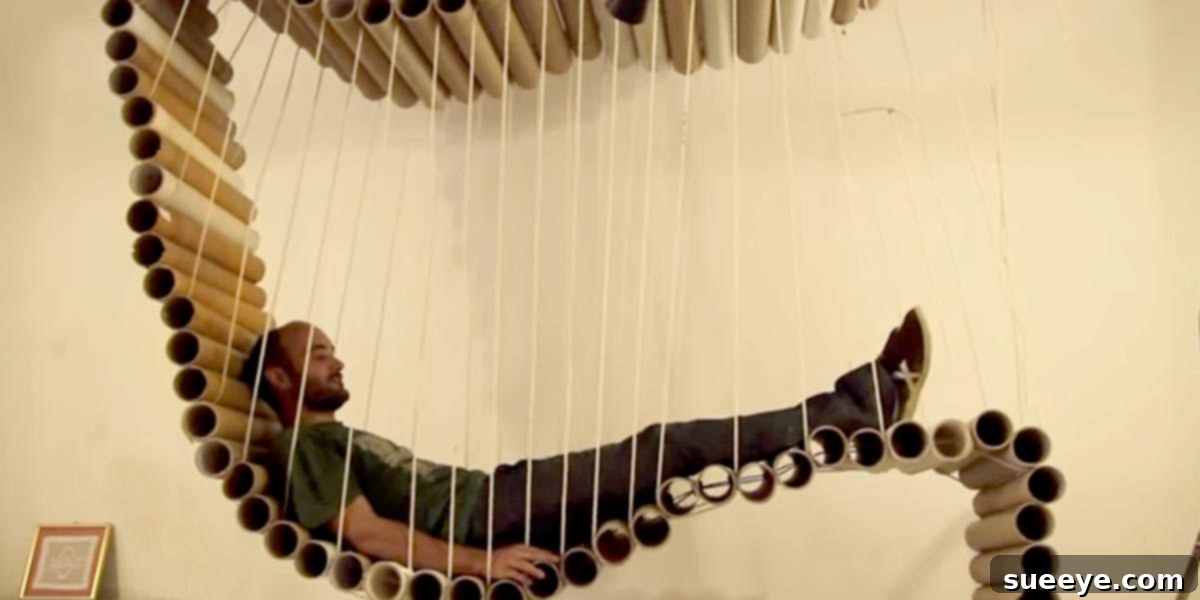
Prepare to be absolutely amazed! Imagine crafting furniture from something as seemingly unassuming as cardboard tubes – pieces robust enough not just to stand, but to comfortably support you, even elevated off the ground. This isn’t a whimsical dream; it’s a proven reality. A groundbreaking project, successfully tested in Spain, has demonstrated the incredible potential of this humble material, showcasing its ability to transform into surprisingly sturdy and functional furniture.
This innovative approach to design is more than just a passing trend; it’s a conversation starter, a testament to ingenious engineering, and a truly fun and impactful way to engage in recycling. The results are not only practical but also remarkably comfortable, challenging our preconceived notions about what furniture can be made of. This cardboard revolution signals a potential paradigm shift in the furniture industry, offering a sustainable and accessible alternative that could one day redefine our living spaces.
The Cardboard Revolution: A Lounger That Defies Expectations
The centerpiece of this awe-inspiring project is a lounger crafted entirely from cardboard tubes. Glimpsing it for the first time, one might be skeptical, but the evidence speaks for itself. This particular design, rigorously put to the test in Spain, proved its mettle, demonstrating exceptional stability and load-bearing capacity. The sheer ingenuity involved in taking a material often discarded and elevating it to a functional, aesthetically pleasing, and surprisingly robust piece of furniture is nothing short of incredible.
Beyond its impressive strength, this cardboard lounger boasts an unexpected level of comfort. Its clever construction, likely utilizing the inherent flexibility and give of the cardboard in a strategic manner, creates a surprisingly ergonomic surface perfect for relaxation. It’s the kind of item that instantly sparks curiosity and admiration, prompting guests to ask, “Is that really made of cardboard?” The answer, a resounding yes, only adds to its charm as a unique and sustainable home accent.
The implications of such a successful prototype are vast. It highlights that with a bit of creativity and engineering foresight, everyday waste materials can be transformed into high-value products. This lounger isn’t just an object; it’s a powerful statement about sustainable living and the boundless possibilities of upcycling, proving that comfort and durability don’t have to come at the expense of environmental responsibility.
Beyond the Box: Why Cardboard is the Future of Furniture
The idea of cardboard furniture, especially pieces as sturdy as the lounger described, opens up a world of possibilities for sustainable living. Our planet is grappling with an escalating waste crisis, and innovative solutions like transforming cardboard waste into durable household items are more crucial than ever. Cardboard, an abundant and often discarded material, offers a low-cost, readily available resource that, when repurposed, significantly reduces landfill burden and conserves natural resources.
Embracing cardboard furniture aligns perfectly with the principles of a circular economy, where materials are kept in use for as long as possible, reducing both consumption and waste. Instead of manufacturing new furniture from virgin materials, which often involves deforestation and energy-intensive processes, we can leverage existing waste streams. This approach not only lessens our environmental footprint but also fosters a deeper appreciation for resourcefulness and mindful consumption.
Furthermore, the production of traditional furniture often involves complex supply chains, shipping, and the use of various chemicals and finishes. Cardboard furniture, especially when crafted at home or by local artisans, can significantly simplify this process, reducing transportation emissions and the reliance on potentially harmful substances. It’s a move towards a cleaner, greener, and more localized approach to furniture creation, making sustainable choices more accessible to everyone.
Unleashing Your Inner Creator: DIY Cardboard Furniture
One of the most appealing aspects of cardboard furniture is its accessibility for the do-it-yourself enthusiast. The process appears remarkably straightforward, making it an ideal project for individuals or families looking to embark on a creative and eco-friendly endeavor. The primary material – cardboard tubes – is surprisingly common. Starting such a project would necessitate collecting these tubes, which can often be sourced from local businesses that generate a steady supply of cardboard waste, such as fabric stores, paper product manufacturers, or even packaging companies.
The simplicity of the construction also makes it a fantastic family activity. Imagine the excitement and friendly competition among siblings over who gets to claim the newly built cardboard lounger! While one lounger might be a great start, the design allows for easy modification and expansion. Many individuals might find themselves wanting to extend the length or width of their creation to accommodate more people or simply for extra lounging space, demonstrating the inherent versatility of this material and design.
This hands-on approach not only results in unique, personalized furniture but also instills a sense of accomplishment and fosters valuable skills. It encourages problem-solving, attention to detail, and an understanding of structural integrity, all while promoting a sustainable mindset. The ease of construction means that even those with limited crafting experience can achieve impressive results, turning what seems like a daunting task into an enjoyable and rewarding creative journey.
Strength, Durability, and Practicality: Dispelling Myths
A common misconception about cardboard furniture is its perceived lack of durability. However, the success of projects like the Spanish-tested lounger shatters these myths, revealing cardboard’s surprising capacity for strength when engineered correctly. The key lies in the structural design, often employing techniques like layering, interlocking, and strategic tube placement, which distribute weight effectively and create a robust framework. High-quality cardboard, especially industrial-grade tubes, is inherently strong and resilient, far exceeding the typical expectations one might have from a cereal box.
While cardboard furniture is undoubtedly sturdy, there are practical considerations for its placement and longevity. For instance, putting a cardboard lounger outdoors without proper protection would not be advisable, as moisture is its primary enemy. Rain and humidity can compromise the structural integrity of untreated cardboard. However, this challenge is easily overcome with the application of appropriate sealers. Using a waterproof sealer can significantly enhance the furniture’s resistance to moisture, making it more robust and extending its lifespan, even if it’s primarily intended for indoor use.
With proper care and occasional maintenance, cardboard furniture can offer remarkable longevity. Its lightweight nature also adds to its practicality, making it easy to move and rearrange. This combination of surprising strength, adaptability through sealing, and ease of handling makes cardboard a highly practical and sustainable material choice for a wide array of furniture pieces, from decorative accents to fully functional seating options.
From Loungers to Living Rooms: Expanding the Vision
The success of the cardboard tube lounger is just the tip of the iceberg, hinting at a much broader potential for cardboard in interior design. If a lounger can be made so robustly, what other furniture pieces could follow suit? We could envision elegantly designed cardboard chairs, tables, shelving units, and even decorative room dividers. This innovation could indeed pose a significant challenge to traditional furniture stores, offering consumers a more affordable, customizable, and environmentally friendly alternative.
The beauty of working with cardboard is its versatility. It can be cut, folded, layered, and sculpted into almost any shape, allowing for incredible design freedom. This opens doors for bespoke furniture solutions, enabling individuals to create pieces that perfectly fit their space and aesthetic preferences, rather than relying on mass-produced items. The idea of furniture tailored precisely to one’s needs, crafted from a sustainable material, is undeniably appealing and represents a fascinating future for home furnishings.
As awareness grows about the environmental impact of consumer goods, the demand for sustainable options will only increase. Cardboard furniture, with its low cost of materials, DIY potential, and eco-friendly credentials, is perfectly positioned to meet this demand. It’s not just about making a chair; it’s about pioneering a new wave of conscious consumption and creative craftsmanship that reimagines the very essence of home furnishing.
Making It Happen: A Guide to Getting Started
For those inspired to embark on their own cardboard furniture journey, the path is well-lit. Resources like detailed tutorials provide invaluable step-by-step guidance. The original project even mentioned a video where two cardboard endeavors are explored, demonstrating the construction process in a clear and engaging manner. Watching experts or seasoned crafters at work can demystify the process, revealing the techniques and tips necessary to achieve a professional-looking and durable result.
These tutorials often break down complex steps into manageable tasks, making the project approachable for beginners. They typically cover everything from material preparation and cutting techniques to assembly methods and finishing touches, including advice on sealants for added durability. Such visual aids are instrumental in empowering individuals to confidently tackle these innovative DIY projects and bring their creative visions to life with cardboard.
Embrace the Innovation
In conclusion, the advent of sturdy, comfortable, and sustainable cardboard furniture is nothing short of revolutionary. It offers a compelling blend of eco-consciousness, design innovation, and practical utility. This exciting movement challenges conventional manufacturing, inviting us all to rethink our relationship with materials and embrace the incredible potential of creative recycling.
So, why not embark on your own cardboard crafting adventure? Whether it’s a simple stool or an elaborate lounger, the journey promises to be rewarding, culminating in a unique, sustainable piece that not only serves a purpose but also tells a remarkable story of ingenuity and environmental responsibility.