
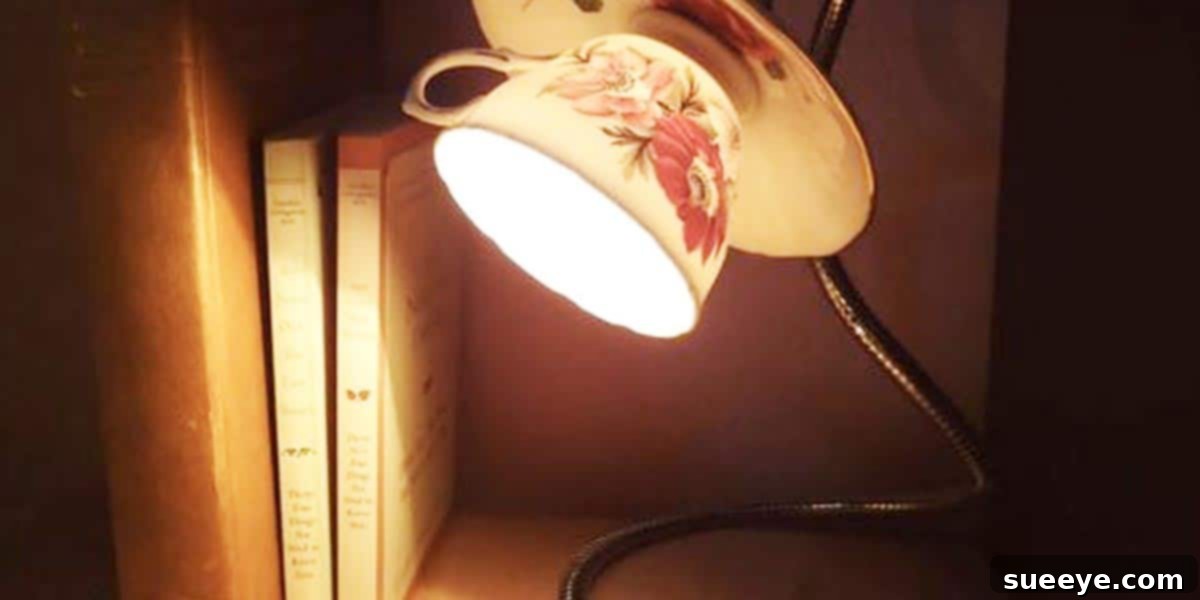
Transform Your Space: The Enchanting World of DIY Teacup Lamps
Are you looking for a truly unique and enchanting way to brighten your home? Do you possess a collection of beautiful, sentimental teacups just waiting to be admired beyond the confines of a cabinet? This comprehensive guide will inspire you to embark on a delightful DIY project: creating your own stunning teacup lamps. Far from being mere illumination, these handcrafted lamps offer a breath of fresh air, infusing any room with personality, elegance, and a touch of whimsical charm.
Imagine replacing those ordinary, mass-produced lamps with a bespoke piece that tells a story, reflects your style, and sparks conversation. Teacup lamps are the perfect solution for adding that distinctive touch, elevating your decor from mundane to magnificent. Whether perched delicately on a study table, illuminating a cozy reading nook, or even suspended as a dazzling chandelier, these lights radiate both warmth and individuality. Get ready to transform your space and make your home truly come alive with these captivating creations.
Why Choose Teacup Lamps for Your Home?
In an era dominated by mass production, there’s a growing appreciation for items that possess character, history, and a personal touch. Teacup lamps perfectly embody this sentiment. They offer a myriad of benefits that extend beyond simple functionality, making them an ideal addition to any thoughtful home:
- Unparalleled Aesthetics: Each teacup, with its unique pattern, delicate rim, and often intricate artwork, brings an inherent beauty. When repurposed into a lamp, this beauty is amplified, casting a soft, inviting glow that highlights its distinct features. They exude a classic elegance blended with a delightful quirkiness that is hard to replicate with conventional lighting fixtures.
- Sustainable and Eco-Friendly: By transforming old teacups, saucers, or even entire tea sets into functional art, you are actively engaging in upcycling. This sustainable practice reduces waste, gives new life to forgotten treasures, and minimizes the demand for new resources. It’s a wonderful way to contribute positively to the environment while beautifying your surroundings.
- Personalized Expression: This DIY project offers an incredible opportunity for personalization. You can select teacups that resonate with your personal style, match your existing decor, or even hold sentimental value. The choice of teacup, bulb, and base allows for endless creative freedom, ensuring your lamp is truly one-of-a-kind.
- Conversation Starters: A teacup lamp is not just a light source; it’s a focal point, a piece of art that invites curiosity and admiration. Guests will undoubtedly be charmed by its originality and intricate design, making it an excellent conversation starter.
The Allure of Upcycling: More Than Just a Light Source
The concept of repurposing household items into decorative or functional pieces has gained immense popularity, largely driven by a desire for unique aesthetics and environmental consciousness. The journey of a teacup from a cherished dining accessory to a luminous art piece is a testament to this trend. Remember the iconic “One-Lump-Two Lamp” from Anthropologie, often priced at a premium? Or the numerous inspiring creations flooding platforms like Pinterest? These examples underscore the broad appeal of creatively repurposed items.
This trend encourages us to look beyond an item’s original purpose and envision its potential in a new context. That thrift store teacup you’ve been admiring, or the forgotten china in your grandmother’s attic, isn’t just an old relic; it’s a canvas awaiting transformation. It’s about celebrating the inherent beauty of vintage items and giving them a second, vibrant life, making them relevant and admired in a contemporary setting.
Finding Your Perfect Teacups: A Treasure Hunt
The beauty of this project lies in the endless possibilities for selecting your materials. You don’t need to break the bank to find exquisite teacups. In fact, some of the most charming lamps emerge from unexpected finds:
- Thrift Stores and Charity Shops: These are goldmines for unique, affordable teacups and saucers. Look for interesting patterns, vibrant colors, or delicate floral designs. Don’t be afraid to mix and match!
- Antique Markets and Flea Markets: Here you might discover more valuable or collectible pieces, often with a rich history. Be sure to inspect them for cracks or chips, especially if you plan to drill them.
- Family Heirlooms: Do you have old china collecting dust in your cupboards? Perhaps your mother or grandmother has a set of teacups that hold sentimental value. Transforming one into a lamp is a beautiful way to honor its history and keep it visible.
- Garage Sales and Estate Sales: These often yield hidden gems at bargain prices. Keep an eye out for sets that might have a missing piece, making the remaining ones perfect for repurposing.
Consider the color palette and style of the room where the lamp will reside. A pastel floral teacup might be perfect for a feminine bedroom, while a bold geometric pattern could suit a modern study. The more unique the teacup, the more character your lamp will possess.
Types of Teacup Lamps You Can Create
The versatility of teacups allows for several imaginative lamp designs:
- Single Teacup Accent Lamp: This is the simplest and often the most popular type. A single teacup serves as the “lampshade” or housing for the light bulb, typically sitting on a saucer base. Ideal for desks, nightstands, or as a charming accent light.
- Stacked Teacup Table/Floor Lamp: For a grander statement, multiple teacups and saucers can be stacked and secured, forming a whimsical column for a larger table or even a floor lamp. This design provides more height and a more dramatic visual impact.
- Teacup Chandelier/Pendant Light: For the more ambitious DIYer, multiple wired teacups can be suspended from a central fixture, creating a breathtaking chandelier or individual pendant lights over a dining table or kitchen island. This requires more advanced electrical knowledge or professional assistance.
Step-by-Step Guide: Crafting Your Own Teacup Lamp
While the exact process may vary slightly depending on your chosen design, here’s a general overview of what you’ll need and how to approach this rewarding project. Always prioritize safety!
Essential Materials You’ll Need
- Teacups and Saucers: Your chosen beauties! Ensure they are free of significant cracks.
- Lamp Kit: This typically includes a lamp cord with a plug, a light socket, and sometimes a switch. These are readily available at hardware stores or online.
- Small LED Light Bulb: Choose a low-wattage LED bulb that fits inside your teacup and emits minimal heat. Warm white bulbs often complement the vintage aesthetic.
- All-Purpose Adhesive/Epoxy: For securing components, especially if stacking teacups. Look for varieties suitable for ceramic and metal.
- Protective Eyewear and Gloves: Crucial for drilling.
- Masking Tape or Painter’s Tape: To prevent chipping when drilling.
Basic Tools for Success
- Rotary Tool with Diamond-Tip Drill Bit or Glass/Ceramic Drill Bit: This is the most critical tool for drilling through the ceramic or porcelain. Start with a smaller bit and widen if necessary.
- Water Spray Bottle: To keep the drilling area cool and prevent overheating/cracking.
- Small Screwdriver Set: For connecting wires to the lamp socket.
- Wire Strippers: To prepare the lamp cord for wiring.
The Creative Process: Assembling Your Lamp
- Prepare Your Teacup: Clean the teacup thoroughly. Place a piece of masking tape over the spot where you intend to drill. This helps prevent the drill bit from slipping and reduces chipping.
- Drilling the Hole:
- Using your rotary tool with a diamond-tip bit, begin drilling slowly and steadily through the bottom of the teacup.
- Continuously spray water onto the drilling area. This is vital for cooling the bit and preventing the ceramic from cracking due to heat buildup.
- Maintain consistent, light pressure. Patience is key! Drilling through ceramic takes time.
- Once the pilot hole is made, you may need to widen it slightly to accommodate the lamp cord’s threading or a grommet.
- Wiring the Socket:
- Carefully thread the lamp cord through the drilled hole in the teacup (and any stacked saucers/teacups if applicable).
- Strip a small section of insulation from the ends of the lamp cord wires.
- Following the instructions provided with your lamp kit, connect the wires to the light socket terminals. Ensure all connections are secure and there are no stray wire strands that could cause a short circuit.
- Assembly and Securing:
- Screw the light socket into place.
- If creating a stacked lamp, carefully glue the teacups and saucers together using strong adhesive or epoxy, ensuring the drilled holes align for the cord. Allow ample drying time.
- Secure the teacup to its saucer base (if desired) using adhesive.
- Final Touches and Testing:
- Insert your chosen LED bulb into the socket.
- Plug in your lamp and test it. Always ensure your hands are dry and you’re working in a safe environment.
- Admire your beautiful creation!
Safety First: Important Considerations
- Electrical Safety: If you are not comfortable with basic wiring, consider purchasing a pre-wired lamp socket that simply needs to be assembled, or seek assistance from someone experienced with electrical work. Always double-check connections before plugging in.
- Drilling Ceramics: Always wear eye protection and gloves. Work in a well-ventilated area. Be mindful that ceramic can chip or crack if too much pressure is applied or if not kept cool. Practice on a spare piece if you’re new to drilling through porcelain or glass.
- Heat Management: Always use low-wattage LED bulbs. Traditional incandescent bulbs generate significant heat, which can damage the teacup over time or pose a fire risk. LEDs are energy-efficient and produce very little heat.
Where to Display Your Teacup Masterpiece
The versatility of teacup lamps means they can enhance almost any room in your home:
- Bedrooms: As charming nightstand lamps, they cast a soft, ambient glow perfect for winding down.
- Living Rooms: Place them on accent tables, bookshelves, or mantels to add character and warm illumination.
- Study or Home Office: A single teacup lamp can provide focused, yet stylish, lighting for your workspace.
- Dining Rooms: A series of pendant teacup lights can create a whimsical and elegant ambiance over a dining table.
- Kitchens: Adorn open shelving or a kitchen island with these unique fixtures for a touch of unexpected charm.
- Nurseries or Children’s Rooms: Pink, blue, or character-themed teacups can be transformed into delightful, fairy-tale lamps for a child’s space, adding a gentle nightlight or decorative element.
Consider the scale of the teacup lamp relative to its surroundings. A delicate single teacup lamp might get lost on a large sideboard but would be perfect for a small side table or shelf.
Design Tips for a Stunning Finish
Elevate your teacup lamp beyond just a light source with these design considerations:
- Teacup Selection: Look for varied patterns, colors, and even sizes. A mix-and-match approach can create an eclectic, bohemian vibe, while a cohesive set offers classic elegance.
- Bulb Aesthetics: Beyond wattage, consider the bulb’s appearance. Edison-style LED bulbs, with their visible filaments, can add a vintage touch even when partially hidden.
- Base Enhancements: For single lamps, consider adding a small, decorative wooden or metal base if the saucer alone doesn’t provide enough stability or height.
- Cable Management: Use decorative fabric-covered cords for an extra touch of sophistication, or consider concealing the cord where possible for a cleaner look.
- Embellishments: Think about adding small charms, beads, or even a delicate tassel to the pull chain (if your kit has one) for an added touch of whimsy.
Care and Maintenance for Lasting Beauty
Your teacup lamp, like any other decorative item, will benefit from regular care:
- Cleaning: Gently wipe down the teacup and saucer with a soft, dry cloth to remove dust. For more stubborn marks, a slightly damp cloth can be used, but ensure no moisture gets into the electrical components.
- Bulb Replacement: Always unplug the lamp before changing the bulb. Ensure you replace it with an LED bulb of similar low wattage to maintain safety and prevent heat buildup.
- Checking Connections: Periodically inspect the lamp cord and connections for any signs of wear or damage. If you notice anything unusual, discontinue use and address the issue immediately.
Conclusion: Illuminate Your Home with Unique Charm
The journey of transforming a simple teacup into a captivating lamp is more than just a DIY project; it’s an act of creation, personalization, and sustainable living. These enchanting lights offer an unparalleled blend of vintage charm, modern appeal, and bespoke elegance that mass-produced items simply cannot replicate.
So, gather those beautiful old teacups, perhaps a set with cherished memories, or embark on a thrilling treasure hunt at your local thrift store. With a few basic tools, a little patience, and a spark of creativity, you can craft a unique lighting fixture that truly reflects your style and illuminates your home with warmth and individuality. Don’t let those beautiful ceramics gather dust – give them a new purpose and let their hidden light shine!
I hope this guide encourages you to think outside the box and discover the joy of upcycling. Your home deserves lighting as unique as you are!