
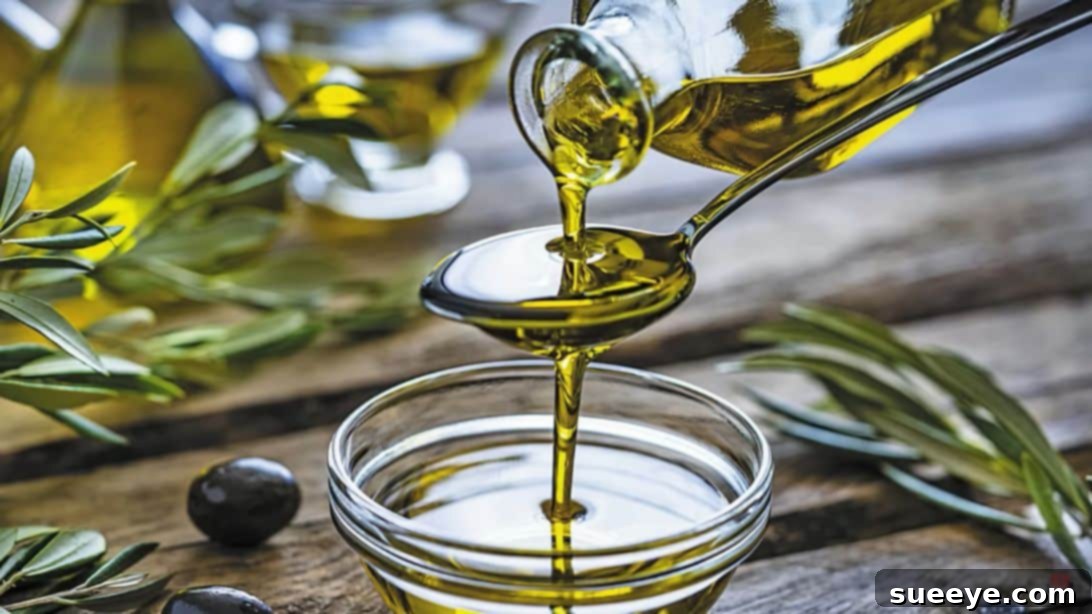
Did you know that navigating the olive oil aisle can be a minefield? The truth is, a significant portion of what’s sold as “extra virgin olive oil” (EVOO) might not be the genuine article. Consumers worldwide seek out EVOO for its exquisite flavor, versatile culinary applications, and impressive health benefits, making it a staple in many kitchens. However, widespread fraud in the industry means that many brands mislabel their products, deceiving buyers into thinking they are purchasing premium, authentic EVOO.
According to experts like Dr. Eric Berg DC, the problem is pervasive, with estimates suggesting that as much as 80% of olive oil products on the market may not truly be extra virgin. This rampant misrepresentation means that many consumers are missing out on the real benefits and taste of authentic olive oil, often unknowingly buying refined or adulterated oils despite clear “extra virgin” labels. Understanding how to differentiate between real and fake EVOO is crucial for your health, your palate, and your wallet.
RELATED: 3 Tests to Check if Your Honey Is Pure or Fake
So, how can you arm yourself with the knowledge to identify a genuine extra virgin olive oil? Fortunately, there are several simple yet effective methods you can use right at home or in the store. Drawing inspiration from insights shared by Dr. Eric Berg on YouTube, we’ve compiled a comprehensive checklist of six crucial indicators. If an olive oil product meets all these criteria, you can be much more confident that you’re getting the authentic, high-quality extra virgin olive oil you deserve.
Here’s another helpful tip you might want to try: How to Clean Your Windows with Olive Oil
Unmasking the Truth: How to Identify Real Extra Virgin Olive Oil
Before diving into the specific tests, it’s helpful to understand what makes extra virgin olive oil so special. True EVOO is the highest grade of olive oil, obtained purely by mechanical means, without the use of solvents or excessive heat. It’s essentially fresh olive fruit juice, retaining all its natural flavors, aromas, and beneficial nutrients. This delicate process and unique composition are what fraudsters try to imitate, but with a keen eye and a few simple checks, you can learn to spot the fakes.
1 – The Peppery Tickle: A Sign of Oleocanthal
One of the most distinctive markers of genuine, high-quality extra virgin olive oil is a subtle, peppery sensation or tickle at the back of your throat. This isn’t an allergic reaction, but rather the presence of a powerful compound called oleocanthal. Oleocanthal is a naturally occurring phenolic compound unique to EVOO, known for its potent anti-inflammatory properties. In fact, it’s been shown to have a similar effect to ibuprofen, though in much smaller doses.
When you taste a true EVOO, particularly a robust variety, you should experience this slight, pleasant irritation or warmth. It might feel like a gentle cough or a “catch” in your throat. This sensation is a direct indicator of the oil’s freshness and its rich concentration of beneficial antioxidants and polyphenols. If your olive oil glides down without any such sensation, it’s highly likely to be a refined, blended, or older oil lacking the vital compounds found in authentic extra virgin olive oil.
2 – The Complex Flavor Profile: Fruity, Bitter, and Pungent
Beyond the throat tickle, the overall taste is a paramount indicator of authenticity. Real extra virgin olive oil boasts a complex and multifaceted flavor profile that cheap or fake oils simply cannot replicate. Expect a symphony of tastes:
- Fruity: This doesn’t mean sweet, but rather a fresh, clean aroma and taste reminiscent of green olives, freshly cut grass, artichokes, or even hints of apple or almond.
- Bitter: A pleasant bitterness, especially in younger oils, is highly desirable. It indicates the presence of antioxidants, particularly polyphenols, which contribute significantly to the oil’s health benefits and shelf life.
- Pungent/Peppery: This relates back to the oleocanthal, manifesting as a peppery finish, often felt more intensely at the back of the throat.
In contrast, fake or low-quality olive oils often have a bland, greasy, metallic, waxy, or even rancid taste. They might lack any discernible olive fruit character. A truly authentic EVOO should evoke a sense of freshness and vibrancy on your palate. To properly taste, take a small sip, let it coat your tongue, draw in a little air (this helps release aromas), and then swallow, paying attention to the finish.
3 – The Right Vessel: Dark Glass or Tin
The packaging of extra virgin olive oil isn’t just about aesthetics; it plays a critical role in preserving the oil’s quality and extending its shelf life. Real EVOO is highly susceptible to degradation from light and oxygen. Therefore, authentic producers will almost always package their high-quality oils in dark glass bottles or opaque tin containers. This protective packaging shields the delicate oil from harmful UV rays and visible light, which can cause oxidation and turn the oil rancid prematurely.
If you find “extra virgin” olive oil in clear glass bottles, especially if it’s prominently displayed under bright lights, it’s a red flag. While not an absolute definitive test on its own, it strongly suggests either the producer isn’t serious about maintaining quality, or the oil inside isn’t truly extra virgin and thus less susceptible to light degradation. Furthermore, plastic containers are generally to be avoided, as plastic can leach chemicals into the oil over time, affecting both its taste and safety.
4 – Understanding the Price Tag: Quality Comes at a Cost
While you don’t need to break the bank for every bottle, genuine extra virgin olive oil is typically more expensive than its inferior counterparts, and for good reason. The production of high-quality EVOO is labor-intensive and costly. It involves careful harvesting (often by hand), rapid processing to prevent spoilage, and stringent quality control measures to ensure low acidity and optimal flavor.
Expect to pay a premium for real EVOO, often upwards of $10 for a standard-sized bottle, and frequently more for truly artisanal or single-estate oils. If you encounter a bottle labeled “extra virgin” selling for unusually low prices—especially prices comparable to vegetable oils or generic blends—be extremely wary. Such prices are often a strong indicator that the oil has been diluted with cheaper, refined oils, or is simply not extra virgin at all. Remember, you’re paying for quality, purity, and the health benefits that come with it.
5 – The Brand’s Story and Provenance: Research Beyond the Label
In an age of widespread information, transparency is key. Reputable olive oil producers are proud of their product and willing to share its story. Don’t just glance at the front label; take the time to look for the producer’s website or contact information on the container. Then, do a little research.
A trustworthy brand will provide detailed information about:
- Country of Origin: Is it a single origin, or a blend?
- Specific Region or Estate: Reputable oils often come from specific farms or regions with a Protected Designation of Origin (PDO) or Protected Geographical Indication (PGI) certification.
- Olive Varietals: Do they specify the types of olives used (e.g., Arbequina, Picual, Frantoio)? This shows expertise and commitment to quality.
- Harvesting Practices: Do they mention traditional or sustainable methods?
- Milling Process: Look for “cold pressed” or “first cold press,” indicating minimal heat during extraction to preserve nutrients and flavor.
Beware of vague descriptions or oils simply labeled “Product of Italy” when the olives might have been sourced from multiple countries and merely bottled in Italy. A clear, traceable lineage from olive grove to bottle is a hallmark of authenticity and a brand that stands behind its product.
6 – Crucial Packaging Details: Harvest Date and Cold Pressing
Beyond the type of container, specific details on the packaging provide invaluable clues about the oil’s freshness and quality. Two key pieces of information to look for are the harvest date and indications of the pressing method.
- Harvest Date: This is arguably the most important date on the label, even more so than the “best by” date. Extra virgin olive oil is best consumed within 18-24 months of its harvest date. A harvest date indicates a producer who prioritizes freshness and is transparent about their product’s age. If only a “best by” date is present, it can be manipulated or reflect an artificially long shelf life for an inferior product. Look for oils harvested within the last year to ensure peak freshness and flavor.
- Pressing Method: Terms like “cold pressed,” “first cold press,” or “mechanically extracted” are good signs. These terms confirm that the oil was extracted at temperatures below 27°C (80.6°F) without the use of chemical solvents. This gentle process ensures the preservation of the oil’s delicate aromas, flavors, and beneficial compounds.
The absence of a harvest date or vague descriptions of the pressing process can be significant warning signs. Authentic EVOO is a fresh product, and its quality diminishes over time. Knowing when the olives were harvested gives you a direct insight into the oil’s vitality and potential health benefits.
Beyond the Basics: More Tips for Buying and Storing EVOO
Now that you’re equipped with the essential knowledge to spot real extra virgin olive oil, here are a few extra tips to ensure you’re making the best choices and preserving your oil’s quality:
Certifications and Seals
Look for certification seals from reputable organizations if available. For instance, in California, the California Olive Oil Council (COOC) has a seal of approval. In Europe, look for Protected Designation of Origin (PDO) or Protected Geographical Indication (PGI) labels, which guarantee that the product comes from a specific region and adheres to strict quality standards.
Understanding Labeling Terms
- “Light” Olive Oil: This term refers to the oil’s flavor and color, not its calorie content. It’s usually a refined olive oil blend with a small amount of virgin olive oil, lacking the robust flavor and health benefits of EVOO.
- “Pure” Olive Oil: Also a blend of refined and virgin olive oils, typically higher quality than “light” but still not true EVOO.
- “Virgin” Olive Oil: A step below extra virgin, it has slightly higher acidity and may have minor flavor defects, but is still unrefined.
Always prioritize “Extra Virgin Olive Oil” for cooking and finishing, as it offers the most health benefits and best flavor.
Proper Storage of EVOO
Even the finest EVOO can degrade if not stored correctly. Keep your olive oil in a cool, dark place, away from direct sunlight and heat sources (like near the stove). A pantry or cupboard is ideal. Ensure the cap is tightly sealed after each use to minimize exposure to oxygen. While refrigeration can make EVOO cloudy or solidify, it doesn’t harm the oil and will return to liquid at room temperature. However, repeated temperature changes are best avoided, so a consistent cool, dark spot is preferable.
The Value of Genuine Extra Virgin Olive Oil
Investing a little extra time and money into finding authentic extra virgin olive oil is an investment in your health and culinary experience. Real EVOO is packed with monounsaturated fatty acids, antioxidants, and anti-inflammatory compounds that support heart health, brain function, and overall well-being. Its vibrant, complex flavor can elevate everyday dishes, transforming a simple salad or piece of bread into a gourmet delight.
By applying these six simple tests, alongside these additional buying and storage tips, you can confidently navigate the market and bring home the real deal. Say goodbye to fake oils and embrace the rich, healthful world of genuine extra virgin olive oil!