
Have you ever found yourself in the frustrating situation of having paint stains on your clothes after a DIY project or a creative endeavor? It’s an almost inevitable mishap, no matter how cautious you are. While fresh paint stains are certainly easier to tackle, the reality is that often, these spills go unnoticed until they’ve had hours to dry, becoming a stubborn, seemingly permanent fixture on your favorite garments. But don’t despair! Even dried paint doesn’t have to mean the end for your clothing. With the right approach and a few common household items, you can effectively remove even the most challenging paint marks.
Ultimate Guide: How to Easily Remove Paint Stains from Clothes (Even Dried Ones)
Paint stains can be a real headache, threatening to ruin a beloved shirt or a comfortable pair of pants. The good news is that you don’t always need expensive, harsh chemicals or a professional dry cleaner to salvage your clothes. This comprehensive guide will walk you through a remarkable DIY cleaning hack, demonstrated by Mark does DIY on YouTube, that has proven incredibly effective for removing paint stains, even those that have set and dried. Forget giving up on stained clothing; with a bit of patience and this proven method, your garments can look as good as new.
The Frustration of Paint Stains: Why Early Action Matters (But Isn’t Always Possible)
The moment paint touches fabric, it begins to bond with the fibers. If caught immediately, a fresh paint spill is usually simple to blot away and rinse. However, life happens. We get distracted, the paint dries, and suddenly, what was a minor inconvenience becomes a major laundry dilemma. Dried paint presents a greater challenge because the pigments and binders have fully adhered to the fabric, making them resistant to simple washing. This is where specialized techniques come into play, and the hack we’re about to explore excels at breaking down those stubborn bonds without damaging your clothes.
Understanding Different Types of Paint and Their Removal Implications
Before diving into the removal process, it’s helpful to understand that not all paints are created equal. Different compositions can influence how easy or difficult they are to remove:
- Water-Based Paints (Latex/Acrylic): These are the most common household paints. They are generally the easiest to remove, especially when wet, but can still be challenging once dry. The method outlined in this guide is particularly effective for these types.
- Oil-Based Paints: These paints are more durable and typically require paint thinners or mineral spirits for removal. While isopropyl alcohol can help loosen some oil-based residues, this hack is primarily optimized for water-based and acrylic paints. For oil-based, you might need stronger solvents, always patch testing first.
- Spray Paints: Often solvent-based, spray paints can be tricky. Isopropyl alcohol can be a good first step, but results may vary depending on the specific formulation.
- Fabric Paints: Designed to be permanent on fabric, these are extremely difficult to remove once cured. This method might offer a slight chance if the paint is not fully set, but expectations should be managed.
Regardless of the paint type, the key principles of mechanical agitation and chemical dissolution remain central to successful stain removal. This guide focuses on a broadly applicable method, with an emphasis on water-based and acrylic paints, which are the most common culprits for clothing mishaps.
Prevention is the Best Medicine: Avoiding Paint Stains Altogether
While this guide offers an excellent solution for existing stains, preventing them in the first place is always ideal. Here are a few tips to minimize your risk:
- Dress for Success (or Mess): Always wear old clothes, overalls, or a designated “painting outfit” that you don’t mind getting dirty.
- Cover Up: Use tarps, drop cloths, or old newspapers to protect floors, furniture, and any surfaces near your painting area.
- Be Mindful: Pay attention to your movements. Avoid wiping brushes on your clothes or leaning against freshly painted surfaces.
- Immediate Cleanup: Keep a damp cloth or paper towels handy for quick cleanups of drips or splatters before they dry.
Gather Your Arsenal: Materials for This Effective Paint Stain Removal Hack
One of the best aspects of this DIY hack is that it relies on readily available and inexpensive items you likely already have around your home. No need for specialized stain removers – just these simple tools and ingredients:
- Spoon: Ideal for carefully scraping off dried paint without damaging fabric fibers.
- Cleaning Toothbrush: Provides targeted scrubbing power for working the cleaning agents into the stain.
- Laundry Detergent: A good quality liquid laundry detergent acts as a surfactant, helping to lift the paint from the fabric.
- Isopropyl Alcohol (Rubbing Alcohol): This is the hero ingredient, acting as a powerful solvent to dissolve many types of paint, especially acrylic and latex.
- Rough Sponge: (e.g., a dish sponge with a scrubbing side) For a final, gentle scrub to dislodge remaining paint particles.
- Cold Water: Essential for rinsing and preventing the paint from setting further.
- Clean Cloths or Paper Towels: For blotting and applying solutions.
Important Pre-Treatment Note: Before applying any cleaning solution, especially isopropyl alcohol, always perform a spot test on an inconspicuous area of your garment (like an inner seam). This ensures that the fabric’s color and integrity won’t be compromised. Different fabrics react differently, so a quick test can save your clothing from irreversible damage.
Step-by-Step Guide: How to Remove Paint Stains from Clothes Effectively
Follow these detailed steps carefully to maximize your chances of completely removing the paint stain:
Step 1: Initial Scrape and Detergent Pre-Treatment
Begin by laying the stained garment on a flat, clean surface. Take your spoon and gently but firmly rough up the dried paint stain. The goal here is to chip away as much of the dry, brittle paint as possible without tearing or damaging the fabric. Work carefully from the edges towards the center of the stain. After you’ve removed the loose flakes, rinse the stained area thoroughly under cold running water. Cold water is crucial as hot water can set the stain. Next, grab a spoonful of liquid laundry detergent and apply it directly onto the wet stain, ensuring it saturates the area completely. The detergent will begin to break down the surface tension of the paint.
Pro Tip: For extremely thick or older paint stains, you might need to spend a little more time with the spoon, carefully using its edge to lift and chip away multiple layers before moving on to the liquids.
Step 2: Agitation and Introducing the Power of Isopropyl Alcohol
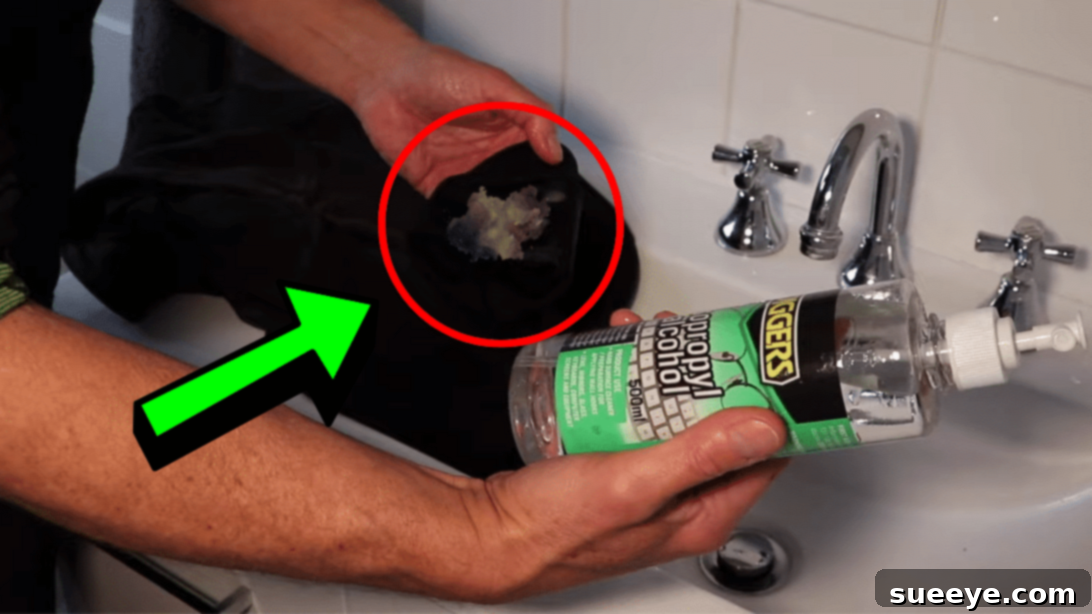
With the detergent applied, gently rub the stained fabric against itself. This mechanical action helps to work the detergent deeper into the paint and physically loosen its grip on the fibers. Continue rubbing for a minute or two, then rinse the area well under cold water again. Inspect the stain – if it’s still significantly visible, it’s time to introduce your secret weapon: isopropyl alcohol. Spray or dab a generous amount of isopropyl alcohol directly onto the remaining paint stain. The alcohol acts as a powerful solvent, dissolving the chemical binders in many types of paint.
Safety Note: Ensure you are in a well-ventilated area when using isopropyl alcohol. Avoid inhaling fumes directly and keep it away from open flames or heat sources. It’s also advisable to wear gloves if you have sensitive skin.
Step 3: Targeted Scrubbing, Final Rinse, and Machine Wash
Once the isopropyl alcohol has been applied, take your dedicated cleaning toothbrush. Gently but firmly scrub the stain in small, circular motions. The bristles will help to agitate the dissolved paint and lift it from the fabric fibers. Apply more isopropyl alcohol as needed to keep the stain saturated and continue scrubbing. You should start to see the paint transfer onto the toothbrush or dissolve away. Repeat this cycle of applying alcohol and scrubbing until the stain visibly diminishes. Finally, take your rough sponge and gently scrub the area one last time to dislodge any lingering particles. Rinse the garment thoroughly under cold water to remove all traces of alcohol and loosened paint. After the manual treatment, wash the garment in your washing machine as you normally would, using your regular laundry detergent and the appropriate water temperature for the fabric.
Crucial Reminder: Do NOT put the garment in a dryer if any trace of the stain remains. Heat from a dryer will permanently set any residual paint into the fabric fibers, making it virtually impossible to remove later. Always air dry the item first, and if the stain is still present, repeat the removal steps as necessary.
Why This Hack Works: The Science Behind the Clean
This paint stain removal method is effective because it combines mechanical action with powerful chemical solvents:
- Mechanical Action (Spoon, Rubbing, Toothbrush): Scraping and scrubbing physically break down the dried paint, weakening its bond with the fabric and making it easier for solvents to penetrate.
- Detergent (Surfactant Action): Laundry detergent contains surfactants that reduce the surface tension of water, allowing it to penetrate the paint and fabric fibers more effectively. It helps to loosen and suspend paint particles.
- Isopropyl Alcohol (Solvent Power): Isopropyl alcohol is a highly effective solvent for many organic compounds, including the binders and pigments found in acrylic and latex paints. It works by dissolving these components, allowing them to be rinsed away. Its volatility also means it evaporates quickly, leaving little residue.
Together, these elements create a formidable attack on paint stains, dislodging, dissolving, and lifting them from your clothes.
General Tips for Stubborn Stains and Fabric Care
Beyond this specific hack, here are some universal principles for tackling stubborn stains and maintaining your garments:
- Always Check Care Labels: Different fabrics have different tolerances. Always consult the garment’s care label before applying any cleaning solution.
- Avoid Over-Rubbing: While agitation is necessary, excessive or aggressive rubbing can damage fabric fibers, especially delicate ones. Be firm but gentle.
- Work from the Outside In: When cleaning stains, start at the outer edges and work your way towards the center. This prevents spreading the stain further.
- Blot, Don’t Rub (Initially): For fresh spills, blot gently to absorb as much as possible before rubbing.
- Patience is Key: Stubborn stains may require multiple applications and repetitions of the cleaning steps. Don’t rush the process.
When to Call the Professionals: Knowing Your Limits
While this DIY hack is incredibly versatile, there are certain situations where professional help might be the best course of action:
- Delicate Fabrics: Silk, rayon, satin, or vintage garments can be easily damaged by scrubbing or strong solvents.
- Very Old, Set-In Stains: If a paint stain has been on a garment for months or years, it may have permanently bonded with the fibers.
- Unknown Paint Types: If you’re unsure what type of paint you’re dealing with, or if it’s a specialty paint (e.g., industrial), a professional might have more effective, targeted solutions.
- Expensive or Sentimental Items: For garments of high value or sentimental importance, it’s often safer to entrust them to experts.
Explore More DIY Cleaning Hacks and Master Your Laundry!
Don’t let paint stains intimidate you any longer. With this powerful and easy-to-follow guide, you have the knowledge and tools to tackle even dried paint on your clothes. This brilliant method, brought to us by Mark does DIY, proves that effective solutions don’t have to be complicated or costly.
For more ingenious solutions to common household challenges and cleaning dilemmas, we highly recommend watching the original video tutorial by Mark does DIY on YouTube. His channel is a treasure trove of practical hacks that can simplify your life and save you money. Give his channel a visit and subscribe to stay updated with his latest tips and tricks!
Need more cleaning inspiration? You might also find this guide on How To Remove Blood Stains From Clothes incredibly useful for other challenging laundry dilemmas, ensuring your wardrobe stays spotless.
*A special thank you to Mark does DIY via YouTube for generously sharing these brilliant techniques and for the inspiring imagery used throughout this comprehensive guide. Your practical advice empowers countless DIY enthusiasts!