
6 Effective Ways to Eliminate Dog Odor and Keep Your Home Fresh
For many of us, dogs are more than just pets; they’re beloved members of the family, bringing immense joy and companionship into our lives. However, along with their unconditional love, our furry friends can sometimes bring an unwelcome guest: persistent pet odor. Whether you’re a seasoned dog owner or a new “fur parent” embarking on this wonderful journey, the concern about maintaining a fresh, clean-smelling home is universal. It’s a common misconception that a house with dogs must inherently smell like dogs. The good news is, it doesn’t have to! With the right strategies and a bit of consistent effort, you can enjoy all the benefits of pet ownership without sacrificing the fresh aroma of your living space.
It’s completely normal for a home with dogs to develop a particular scent. This is largely due to natural oils, dander, and occasional bodily fluids that our canine companions inevitably leave behind. These elements can settle into carpets, upholstery, walls, and even the air itself, leading to that distinct “dog smell.” But fear not! We’ve compiled six highly effective, easy-to-implement methods that will help you tackle these odors at their source, transforming your home into a consistently clean and inviting environment. These tricks are simple to incorporate into your cleaning routine and promise to make a significant impact.
For a visual guide and more inspiration, check out Cleaning With Kim’s video tutorial on YouTube, which offers excellent demonstrations of these techniques. Additionally, explore these related resources for further tips: DIY Odor Stopper Solution (Neutralizer), How To Make Your House Smell Good With Dogs, and 7 Hacks to Stop Dogs from Peeing Indoors.
1. Embrace the Power of Fresh Air: Open Your Windows Regularly
One of the simplest, yet most effective, ways to combat pet odors is often overlooked: ventilation. Stagnant air is a breeding ground for odors, allowing them to accumulate and settle within your home. By regularly opening windows and doors, you create a natural airflow that helps to dilute and carry away stale, odor-laden air, replacing it with fresh, outdoor breezes. This method works wonders by preventing odors from becoming deeply embedded in your home’s fabrics and surfaces.
If the weather permits, make it a daily habit to air out your home for at least 15-30 minutes, especially in areas where your dog spends most of their time. For optimal effect, try to create a cross-breeze by opening windows on opposite sides of your house. This simple act of ventilation doesn’t just clear out pet smells; it also improves overall indoor air quality, making your home feel lighter and more invigorating. Consider using fans in conjunction with open windows to further enhance air circulation throughout your living spaces.
2. Don’t Forget the Walls: A Deep Clean for Hidden Odors
When it comes to deep cleaning to eliminate pet odors, our attention often goes straight to floors and furniture. However, walls can be significant accumulators of pet dander, oils, and microscopic odor particles, especially in homes with active dogs. These particles can cling to painted or wallpapered surfaces, contributing to a pervasive smell that traditional cleaning methods might miss. Washing your walls might sound like an arduous task, but it’s a game-changer for truly neutralizing stubborn pet odors.
To tackle this often-overlooked area, grab a mop bucket and prepare a gentle, odor-fighting solution. Start by adding a small amount of mild liquid laundry detergent – look for one that is low-sudsing and preferably scent-free or lightly scented for sensitive noses – or even a cup of white vinegar, which is an excellent natural deodorizer. Fill the bucket with warm water and mix well. Submerge your regular mop or a large sponge mop into the solution, ensuring it’s thoroughly saturated. Wring out the mop until it’s damp, not dripping, and then systematically mop your walls from top to bottom. Pay extra attention to areas where your dog frequently rubs against the wall or where pet hair tends to accumulate. For delicate surfaces, always perform a patch test in an inconspicuous area first. This deep cleaning action will lift away accumulated grime and odor-causing residues, leaving your walls fresh and clean.
3. Deodorize Your Floors and Carpets with a DIY Solution
Carpets and rugs are notorious for trapping pet odors. Their fibers act like sponges, absorbing oils, dander, and any little accidents, making them prime culprits for a lingering dog smell. While professional carpet cleaning is an option, a powerful and cost-effective DIY deodorizer can work wonders for routine maintenance and immediate relief. This homemade solution utilizes the natural odor-absorbing properties of baking soda, enhanced with essential oils for a pleasant scent.
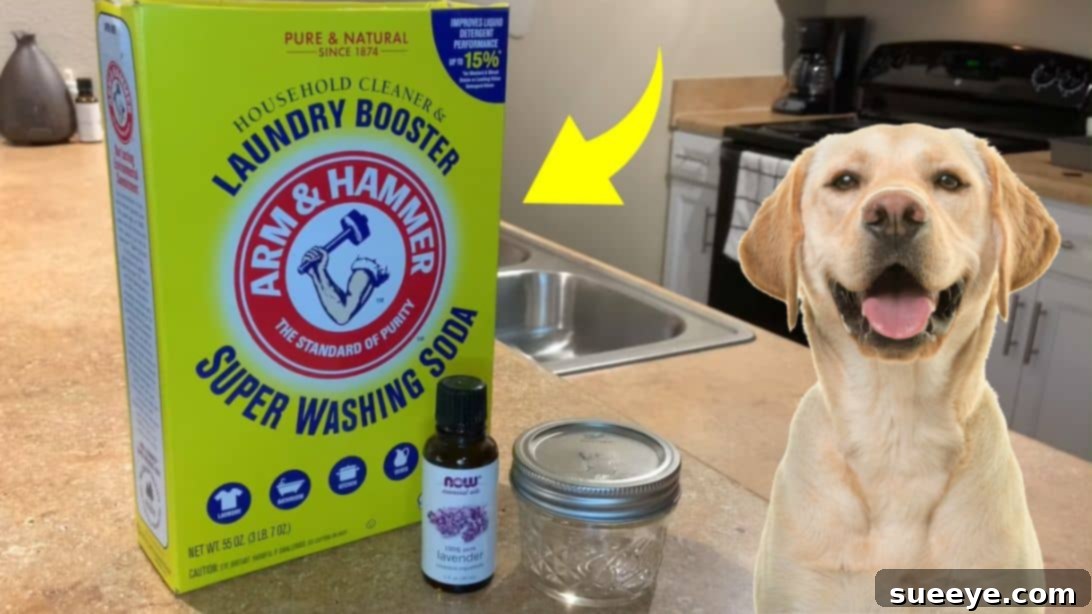
To create your own carpet deodorizer, you’ll need an empty jar (such as a mason jar) and a few key ingredients. Start by filling approximately one-third of the jar with baking soda or washing soda, which is even more potent for odor neutralization. Add about five drops of your favorite pet-safe essential oil. Lavender, lemon, or cedarwood are popular choices for their refreshing scents, but always research essential oils to ensure they are non-toxic for pets if they might come into contact with the treated area (e.g., after vacuuming, or if using directly on pet bedding). Fill another third of the jar with baking soda, then add ten more drops of essential oils. Finally, fill the remaining portion of the jar with baking soda and add a final five drops of essential oils. Secure the lid tightly and shake the mixture well to distribute the essential oils evenly.
Before application, vacuum your carpets thoroughly to remove any loose debris. In the evening, when your dog is less likely to disturb the area, generously sprinkle the homemade deodorizer over your carpets and rugs. Allow the powder to sit overnight – the longer it rests, the more odor it will absorb. The next morning, vacuum the treated areas thoroughly. It’s crucial to ensure all the powder is removed, especially if you have curious pets who might try to ingest it. For hard floors, a diluted white vinegar solution (one part vinegar to one part water) can be used as a natural, effective deodorizing cleaner.
4. Harness the Scent-Refreshing Power of Dryer Sheets
Fabric surfaces like couches, armchairs, and decorative cushions are magnets for pet odors. While frequent washing of removable covers is ideal, for those times between washes or for items that can’t be easily laundered, dryer sheets offer a quick and convenient way to refresh and deodorize. Dryer sheets are designed to infuse fabrics with a pleasant scent and reduce static, making them surprisingly effective for combating localized pet smells.
The trick is to strategically place dryer sheets in areas where odors tend to linger. Tuck them under sofa cushions, place them inside pillowcases, or even slip them beneath throw rugs. For pet beds with non-removable covers, placing a dryer sheet under the bedding layer can help. The subtle fragrance released by the sheets will help to mask and absorb light odors, providing an instant refresh. Remember, this method is more about neutralizing and masking surface odors rather than deep cleaning, so it works best in conjunction with other cleaning routines. Always ensure that dryer sheets are placed out of reach of pets to prevent accidental ingestion, as they are not safe for consumption. For a more direct approach, fabric refreshers specifically designed for pet odors can also be sprayed directly onto upholstery and carpets.
5. Prioritize Regular Washing of Dog Beds
Your dog’s bed is often the epicenter of pet odor in your home. It’s where your furry friend spends a significant amount of time, depositing fur, dander, natural oils, and sometimes even small accidents. Neglecting to wash pet beds regularly allows these elements to accumulate, leading to a strong, pervasive smell that can quickly permeate your entire living space. Therefore, making regular dog bed washing a non-negotiable part of your cleaning routine is paramount to a fresh-smelling home.
The frequency of washing depends on your dog’s activity level, coat type, and any skin conditions, but generally, a weekly or bi-weekly wash for the cover is recommended, with a full bed wash (if applicable) once a month. Before washing, give the bed a thorough vacuuming or shaking outdoors to remove loose fur. Many dog bed covers are machine washable; check the care label for specific instructions. When washing, add about half a cup to a full cup of white vinegar to the rinse cycle along with your regular pet-safe laundry detergent. Vinegar is a natural, powerful deodorizer and disinfectant that effectively breaks down odor-causing bacteria and oils without harsh chemicals. For beds with non-removable inserts, spot clean regularly with an enzymatic cleaner designed for pet stains and odors, which breaks down organic matter rather than just masking the smell. Ensuring your dog’s bed is consistently clean is a fundamental step in odor control.
6. Bathe Your Dog for a Top-to-Bottom Refresh
While environmental factors contribute significantly to pet odors, the primary source of the “dog smell” often originates directly from our pets themselves. Natural oils on their skin, shedding dander, and even trapped dirt and debris in their fur can all contribute to their unique scent. Regular bathing and grooming are essential not only for your dog’s hygiene and comfort but also for maintaining a fresh-smelling home. A clean dog equals a cleaner-smelling house.
The frequency of bathing can vary depending on your dog’s breed, coat type, lifestyle, and any skin sensitivities. Over-bathing can strip their skin of natural oils, leading to dryness and irritation, while under-bathing can result in oil buildup and odor. Consult your veterinarian for the best bathing schedule for your specific dog. When you do bathe your dog, use a high-quality, pH-balanced dog shampoo specifically formulated for their skin and coat. Thoroughly wet their coat, apply the shampoo, and scrub gently to create a lather, paying close attention to often-missed areas like their belly, paws, and under the tail. Rinse thoroughly to ensure no shampoo residue is left behind, as this can cause skin irritation. After bathing, towel-dry your dog as much as possible, or use a pet-specific blow dryer on a cool setting. Beyond bathing, regular brushing helps to remove loose fur and dander, reducing allergens and odor-causing particles in your home. Don’t forget other grooming essentials like ear cleaning and dental care, as these can also contribute to overall pet freshness.
Beyond the Basics: Proactive Measures for an Odor-Free Home
Achieving a truly odor-free home with dogs is an ongoing commitment that extends beyond these six core tips. Implementing a comprehensive proactive strategy can significantly reduce the likelihood of odors returning. Consider investing in a good quality vacuum cleaner equipped with a HEPA filter, designed to trap pet dander and allergens effectively. Regular vacuuming, ideally daily in high-traffic pet areas, can prevent accumulation. For accidental messes, having an enzymatic cleaner on hand is crucial. These cleaners specifically break down the organic compounds in urine and feces, eliminating the odor rather than just masking it, which also discourages pets from revisiting the same spot.
Additionally, air purifiers with activated carbon filters can be highly effective at removing airborne odors. Placing them in rooms where your dog spends the most time can make a noticeable difference. Consistent grooming routines, including regular brushing, paw cleaning after outdoor adventures, and routine veterinary check-ups to rule out underlying health issues that might contribute to body odor, are all vital components. By combining these proactive measures with the six essential tips discussed, you can create a continuously fresh, inviting, and healthy environment for both your family and your cherished canine companions.