
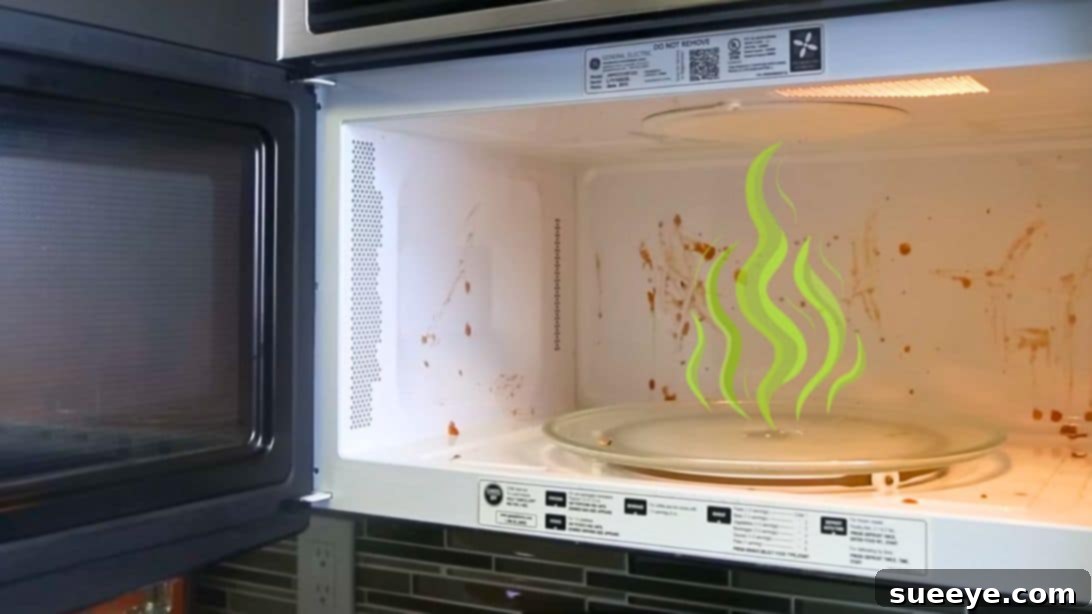
Few kitchen appliances are as essential and frequently used as the microwave. It’s our go-to for quick meals, reheating leftovers, and preparing snacks in a flash. However, this constant use comes with a downside: the inevitable build-up of food splatters, grease, and persistent odors that can turn your convenient appliance into an unappetizing mess. A microwave that smells of yesterday’s fish or popcorn not only affects the taste of your freshly heated food but also poses hygiene concerns.
The good news is that maintaining a clean and fresh-smelling microwave doesn’t require harsh chemicals or intensive scrubbing. With a few simple preventative habits and a powerful natural cleaning technique, you can easily keep your microwave sparkling and odor-free. Say goodbye to chemical fumes and hello to the refreshing scent of lemon, proving that sometimes the simplest solutions are the most effective.
The Necessity of a Clean Microwave: Why It Matters
Beyond aesthetic appeal, a clean microwave is crucial for several reasons:
- Hygiene and Health: Food particles left inside can harbor bacteria and mold, which can transfer to your food, potentially leading to health issues. Regular cleaning removes these contaminants.
- Odor Prevention: Lingering food smells from strong-smelling dishes (like curries, fish, or garlic-infused meals) can permeate subsequent foods, ruining their taste and making your kitchen less inviting.
- Appliance Longevity and Efficiency: Accumulated grime, especially around the heating elements and vents, can reduce the microwave’s efficiency and potentially shorten its lifespan. A clean interior ensures even heating.
- Enhanced Food Taste: No one wants their freshly reheated coffee to taste faintly of last night’s lasagna. A clean microwave ensures your food retains its intended flavor.
Simple Preventative Measures to Keep Your Microwave Fresh
Preventing grime and odors from building up is always easier than tackling a major clean-up. Incorporating these simple habits into your routine can make a significant difference:
- Utilize a Microwave-Safe Splatter Cover: This is arguably the most effective preventative measure. These covers, often made of clear, round plastic with small ventilation holes, act as a shield, trapping splatters and steam. They not only keep your microwave walls clean but also help to heat food more evenly by retaining moisture. Make it a habit to cover virtually everything you heat.
- Wipe Down Fresh Splatters Immediately: The moment you finish using your microwave, especially after a spill, let it cool slightly and then quickly wipe down any fresh splatters with a damp cloth or paper towel. Fresh spills haven’t had time to dry and harden, making them significantly easier to remove. If allowed to dry, they bond to the surface and require much more effort to clean.
- Keep the Door Ajar After Use: Leaving the microwave door open for a few minutes after heating food allows steam and food odors to dissipate, preventing them from settling and contributing to a stale smell inside the appliance.
RELATED: 7 Things You Should Never Microwave
When Prevention Isn’t Enough: The Natural Cleaning Solution
Despite best efforts, sometimes a deeper clean is necessary. For those times when odors persist and grime builds up, turning to harsh chemical cleaners might seem like the only option. However, many conventional cleaners can leave behind strong fumes and residues that you might prefer to avoid, especially in an appliance that heats your food. This is where the power of natural ingredients shines.
The solution? A simple, effective, and environmentally friendly cleaning method utilizing just water and lemon. This technique, championed by experts, leverages the natural acidity of lemons to cut through grease and grime, while simultaneously infusing your microwave with a wonderfully fresh scent. It’s cheap, readily available, and works like magic, proving that you don’t need fancy products to achieve a spotless and sweet-smelling microwave.
Here’s another cleaning tip you might want to try: Easy No-Scrub Oven Cleaning Hack
What You Need to Naturally Clean and Deodorize Your Microwave
- Microwave-safe bowl: Opt for a glass or ceramic bowl that can safely withstand microwave temperatures.
- Fresh lemons: One or two medium-sized lemons will suffice. Their citric acid is the key active ingredient.
- Clean cleaning cloths or sponges: Have at least two on hand – one for initial wiping and another for a final polish. Microfibre cloths are excellent for streak-free results.
Step-by-Step Guide: How to Clean and Remove Odor From Your Microwave
Follow these simple steps to transform your dirty, smelly microwave into a gleaming, fresh-scented appliance:
Step 1: Prepare Your Lemon Slices
Begin by cutting your lemon into several thick slices. The more surface area of the lemon is exposed, the more citrusy steam will be produced, enhancing its cleaning and deodorizing power. You can also squeeze some of the juice directly into the water for an extra boost.
Step 2: Create the Potent Cleaning Solution
Place the lemon slices into your microwave-safe bowl. Fill the bowl approximately halfway with water. The water will create the necessary steam, while the lemon will work its magic to break down grime and release a refreshing aroma throughout your microwave.
Step 3: Activate the Steam Power
Carefully place the bowl with the lemon water into the microwave. Heat it on high power for approximately 2 to 3 minutes, or until the water comes to a rolling boil and the interior of the microwave is visibly steamy. Once the heating cycle is complete, crucial for success, leave the bowl inside the microwave with the door closed for an additional 5 minutes. This allows the steam to fully penetrate and loosen hardened food splatters, grease, and grime on the interior walls, ceiling, floor, and even the microwave door. The hot, acidic steam acts as a natural scrubber, making subsequent wiping effortless.
Step 4: Safely Remove the Bowl
After the resting period, carefully open the microwave door. The bowl will be very hot, so use oven mitts or a thick kitchen towel to safely remove it from the microwave. Exercise caution to avoid burns from both the hot bowl and the residual steam.
Step 5: The Effortless Wipe Down
Using a clean, damp cleaning cloth (a microfibre cloth works wonders here), begin wiping down the interior surfaces of the microwave. You’ll be amazed at how easily dried-on food and grease now come away. Start from the top, then move to the sides, back, and bottom. Don’t forget to thoroughly clean the inside of the microwave door, paying attention to the seal and the area around the latch. For any particularly stubborn spots, a gentle scrub with the same cloth should be sufficient. Rinse your cloth frequently to avoid spreading grime.
Step 6: Don’t Forget the Turntable
The microwave turntable often collects spills and debris, and it’s essential for even heating. Carefully remove the microwave plate (turntable) and, if it’s particularly dirty, you can wash it in the sink using the remaining lemon water from the bowl or regular dish soap. Rinse it thoroughly with clean water and then wipe it dry with a separate clean cloth before placing it back into the microwave. Ensure it’s properly seated on its rotating ring.
Step 7: Final Polish (Optional but Recommended)
For an extra streak-free shine and to ensure all residue is gone, lightly dampen a fresh microfibre cloth with clean water and give the interior one final wipe. You can also use this cloth to quickly wipe down the exterior of your microwave, including the control panel and handle, for a complete clean. Your microwave will not only be visually spotless but will also carry a delightful, fresh lemon scent.
Beyond Lemon: Other Natural Microwave Cleaning Hacks
While lemon is fantastic, other natural ingredients can also come to the rescue:
- Vinegar Power: Similar to lemon, white vinegar is an excellent natural cleaner and deodorizer. Mix equal parts white vinegar and water in a microwave-safe bowl. Heat for 3-5 minutes, then let it sit for 5-10 minutes before wiping. Be aware that the vinegar smell will be noticeable initially, but it dissipates quickly, leaving a neutral, clean scent.
- Baking Soda for Stubborn Stains: For exceptionally tough, baked-on stains or lingering strong odors, a paste of baking soda and a little water can be applied directly to the problem areas. Let it sit for a few minutes, then scrub gently with a damp sponge. Baking soda is mildly abrasive and highly effective at absorbing odors.
Maintenance Tips for a Long-Lasting, Clean Microwave
To keep your microwave in pristine condition and avoid frequent deep cleans:
- Consistent Use of Splatter Covers: This cannot be stressed enough. It’s the easiest way to prevent future messes.
- Daily Quick Wipes: After the last use of the day, a quick wipe-down of the interior with a damp cloth takes less than a minute and prevents build-up.
- Weekly Deep Cleans: Aim to perform the lemon-water method at least once a week, especially if your microwave sees heavy use.
- Address Spills Immediately: The sooner you clean a spill, the easier it is to remove. Don’t let it dry and harden.
Things to Avoid When Cleaning Your Microwave
To protect your appliance and ensure safety:
- Abrasive Scrubbers or Steel Wool: These can scratch the interior coating of your microwave, potentially causing damage and making it harder to clean in the future. Stick to soft cloths or sponges.
- Harsh Chemical Sprays: Avoid spraying cleaning solutions directly into the microwave, especially near vents or electrical components. This can cause damage. Always apply cleaner to a cloth first.
- Over-Saturating with Water: While steam is good, excessive water can seep into electrical components. Use damp cloths, not soaking wet ones.
- Placing Metal Objects (other than turntable if specified): Never put metal in the microwave during any cleaning process that involves heating, as this can cause sparking and damage.
Frequently Asked Questions (FAQ) About Microwave Cleaning
Here are answers to some common questions about keeping your microwave clean and fresh:
Can I use limes instead of lemons for cleaning?
Absolutely! Limes contain similar citric acid properties to lemons and will work just as effectively to cut through grease and deodorize your microwave. You can use them interchangeably based on what you have on hand.
How often should I clean my microwave using this method?
The frequency depends on how often you use your microwave and what kind of food you heat. For average use, a deep clean with the lemon method once a week or every two weeks is ideal. If you heat strong-smelling or particularly messy foods frequently, you might want to do it more often, perhaps twice a week.
What if a strong odor persists after cleaning?
If a stubborn odor remains, you can try repeating the lemon cleaning process. Alternatively, try the vinegar method mentioned above, as vinegar is a very strong deodorizer. For persistent smells, place an open bowl of baking soda or a few pieces of activated charcoal in the microwave overnight to absorb lingering odors.
Is it safe to heat water in the microwave for cleaning?
Yes, it is perfectly safe to heat water in a microwave-safe bowl for cleaning purposes. Just ensure the bowl is specifically designed for microwave use (typically glass or ceramic) and avoid heating plain tap water in extremely smooth containers to prevent superheating, which can cause sudden boiling when disturbed. Adding lemon slices helps prevent this.
Can I use essential oils in the water for a nice scent?
While essential oils can add a pleasant scent, they typically don’t possess the cleaning power of citric acid found in lemons or acetic acid in vinegar. You can add a few drops of an essential oil like lemon, orange, or tea tree to the water *after* the lemon slices have done their job, but it won’t contribute significantly to cleaning grime.
Conclusion: A Fresh Microwave Awaits!
A clean and fresh-smelling microwave is within easy reach, and you don’t need a cupboard full of chemicals to achieve it. By implementing simple preventative measures like using a splatter cover and wiping up spills promptly, you can significantly reduce the amount of grime buildup. When a deeper clean is required, the natural power of lemons and water offers an incredibly effective, safe, and pleasant solution.
Embrace this natural cleaning hack to effortlessly remove stubborn food splatters and neutralize unwanted odors. Not only will your microwave look spotless, but it will also smell wonderfully fresh, enhancing your kitchen environment and ensuring your food always tastes its best. Give this method a try – you’ll wonder why you ever bothered with anything else!