
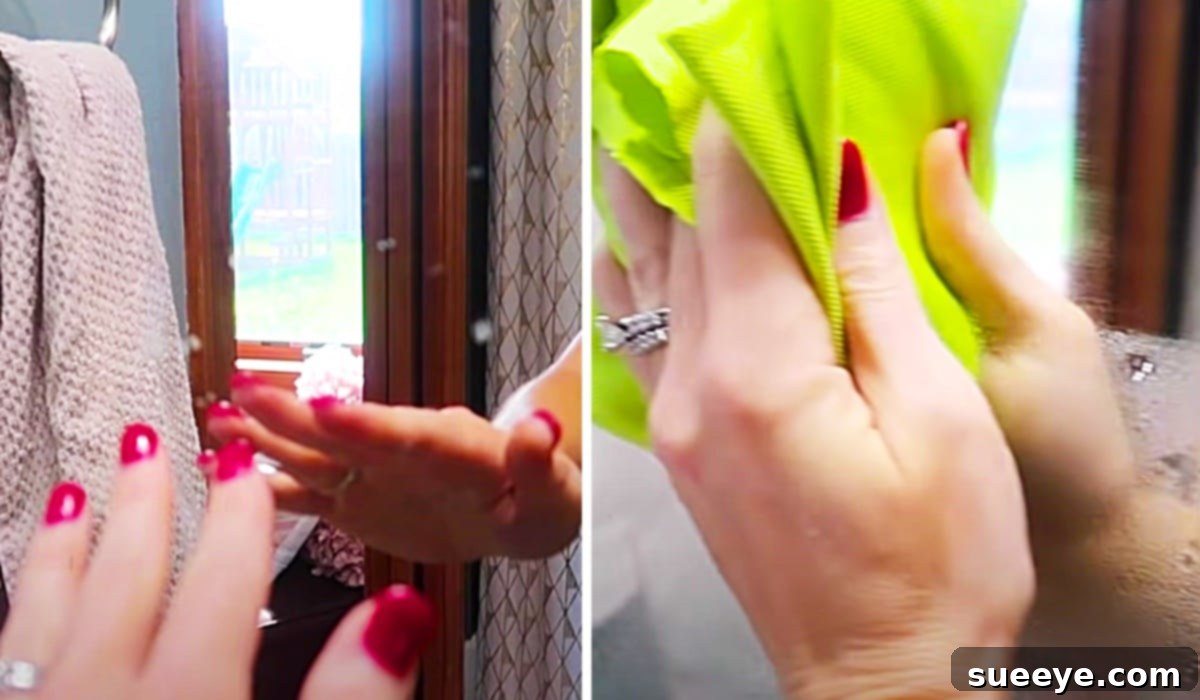
The Ultimate Guide to Achieving Streak-Free Mirrors and Sparkling Windshields
There’s nothing quite as frustrating as stepping out of a refreshing shower only to be greeted by a fogged, splattered, or streaky bathroom mirror. From toothpaste remnants and soap scum to errant water spots and everyday dust, our mirrors and windows seem to attract grime with an almost magnetic force. The quest for truly streak-free glass often feels like an endless battle, with many commercial cleaners promising perfection but delivering only disappointment. If you’ve ever found yourself scrubbing furiously, only to reveal new streaks when the glass dries, you’re not alone. The good news is, achieving crystal-clear, spotless mirrors and windows doesn’t have to be a chore filled with harsh chemicals or endless buffing. There’s a remarkably simple, effective, and eco-friendly method that will transform your cleaning routine and deliver dazzling results every single time.
I recently stumbled upon an amazing video tutorial by Andrea Jean Cleaning on YouTube, which completely revolutionized my approach to this common household problem. Her insights reveal a method so straightforward, yet so powerful, that it makes achieving perfectly clean glass astonishingly easy. Forget complicated formulas and specialized equipment; the secret lies in a few basic items and a clever technique. This guide will walk you through the method, explain why it works so brilliantly, and provide additional tips to keep your glass surfaces gleaming longer.
Essential Materials for Spotless Glass Surfaces
One of the most appealing aspects of this highly effective cleaning method is its simplicity. You won’t need an arsenal of expensive products or a cabinet full of chemicals. The key to success lies in the quality of your tools and understanding how to use them properly. Here’s what you’ll need to get started:
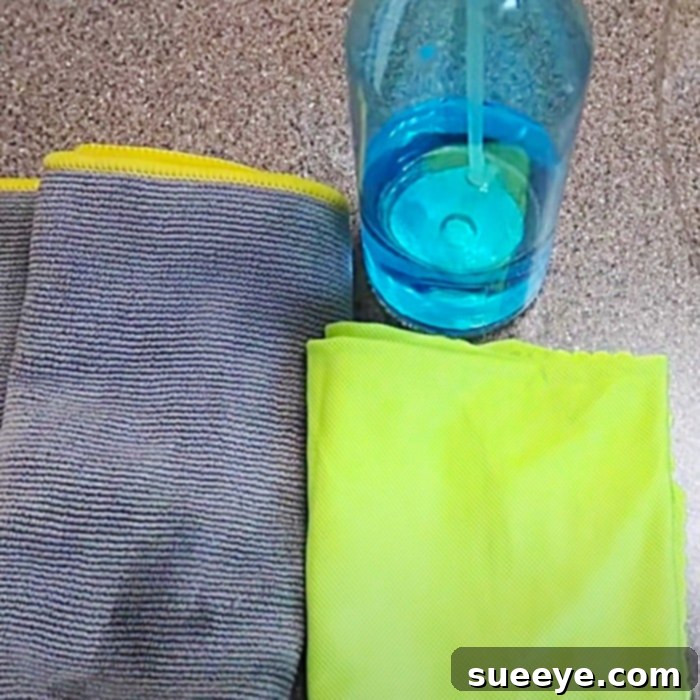
- A Spray Bottle with Filtered Water: This is perhaps the most crucial element. While tap water might seem convenient, the minerals and impurities often present in it are notorious culprits for leaving streaks and water spots on glass as it dries. Filtered water, free from these elements, ensures a clean slate and a truly streak-free finish.
- A High-Quality Microfiber Cloth: Not all microfiber cloths are created equal. For glass cleaning, you need a dense, tightly woven microfiber cloth designed specifically for polishing and absorbing without leaving lint or residue. These cloths are incredibly effective at trapping dirt, dust, and moisture within their microscopic fibers.
- An E-Cloth (Optional, but Highly Recommended): An E-Cloth is a specialized type of microfiber cloth, often considered superior for glass and shiny surfaces. They are engineered with unique fiber structures that can clean effectively with just water, making them an excellent choice for an entirely chemical-free approach. If you’re serious about sparkling results, investing in an E-Cloth is a game-changer.
With just these three simple items, you are fully equipped to tackle even the most stubborn glass grime and achieve professional-level results in minutes. The beauty of this method lies in its efficiency and the fact that it steers clear of harsh chemical cleaners, making it safer for your home, your family, and the environment.
The Definitive Guide to Streak-Free Mirror and Windshield Cleaning
The method championed by Andrea Jean Cleaning is brilliantly straightforward, relying on the power of filtered water and advanced microfiber technology to deliver unparalleled clarity. Forget the days of endless scrubbing and buffing with paper towels that only leave behind lint and new streaks. This two-step process is designed for speed, efficiency, and dazzling, consistent results.
Step-by-Step Directions for Immaculate Glass:
- Prepare Your Surface: For heavily soiled mirrors or windshields, especially those with caked-on grime, dust, or insect splatters, it can be helpful to give the surface a quick pre-wipe with a slightly damp cloth to remove loose debris. This prevents you from simply spreading dirt around. For typical bathroom mirror grime or everyday dust, you can often proceed directly to the next step.
- Lightly Mist with Filtered Water: Take your spray bottle filled with filtered water and lightly mist the glass surface you intend to clean. The key here is “lightly.” You don’t want to soak the mirror or window, as excessive water can lead to dripping and a longer drying time, potentially reintroducing streaks. A fine, even mist is all that’s required to activate the cleaning power of your cloth. The filtered water ensures that no mineral deposits are left behind, which are the primary cause of streaks from tap water.
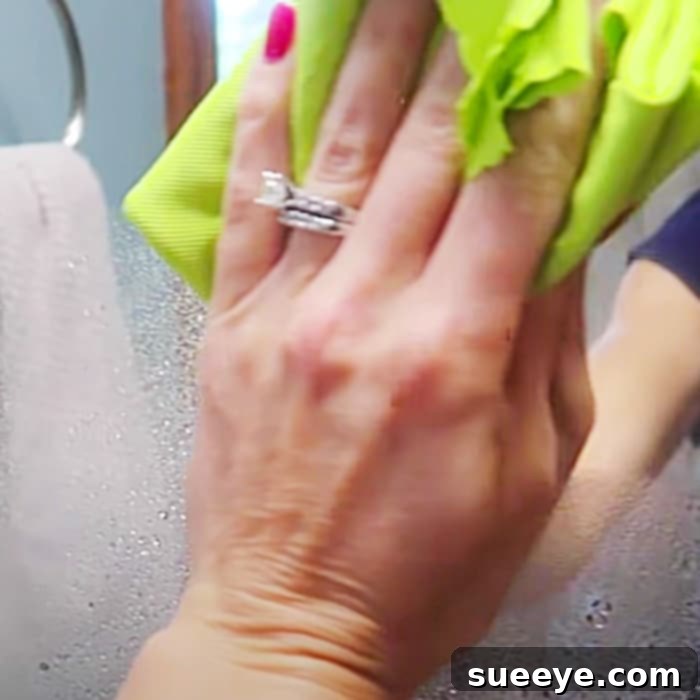
- Wipe and Polish with Your Microfiber or E-Cloth: Immediately after misting, take your clean, dry microfiber cloth or E-Cloth. Begin wiping the damp area. The technique is important here:
- Use an S-Pattern or Top-to-Bottom Strokes: Start at the top of the glass and work your way down in overlapping S-shaped strokes or straight, overlapping vertical strokes. This ensures you cover every inch of the surface without missing spots.
- Apply Gentle, Even Pressure: You don’t need to press hard. The unique structure of the microfiber or E-Cloth, combined with the slight dampness, does the work of lifting and trapping grime.
- Flip or Fold Your Cloth: As your cloth picks up dirt and moisture, it can become saturated. Fold your cloth into quarters so you have multiple clean surfaces to work with. Flip to a clean side as needed to maintain maximum effectiveness and avoid redistributing dirt.
- Buff for Brilliance (Optional): For an ultimate streak-free shine, particularly on mirrors, you can use a separate, completely dry microfiber cloth to give the glass a final, gentle buffing. This step helps to absorb any residual moisture and polish the surface to a high sheen. However, with a good E-Cloth and filtered water, this step is often unnecessary, as the initial wipe leaves a guaranteed streak-free finish.
This method truly simplifies glass cleaning, making it quick and effective. The magic lies in the synergistic combination of impurity-free water and the superior absorbency and scrubbing power of specialized microfiber materials. Once you try it, you’ll wonder how you ever cleaned glass any other way.
Why This Method Outshines Traditional Approaches
The effectiveness of using filtered water and a high-quality microfiber or E-Cloth stems from a few key scientific and practical advantages that traditional cleaners and paper towels simply cannot match:
- No Streaks, Guaranteed: The primary enemy of streak-free glass is residue. Commercial glass cleaners often contain detergents, dyes, and other additives that, while designed to clean, can leave behind a thin film if not perfectly buffed away. Tap water contains minerals (like calcium and magnesium) that dry and leave visible spots. Filtered water eliminates these mineral deposits, and microfiber cloths are designed to pick up every last trace of moisture and grime without redepositing anything.
- Chemical-Free Cleaning: This method requires no chemical sprays. This is a huge benefit for several reasons:
- Healthier Home Environment: No inhaling harsh fumes or exposing skin to potentially irritating substances.
- Eco-Friendly: Reduces chemical runoff into waterways and reliance on plastic spray bottles.
- Safer for Sensitive Surfaces: Ideal for mirrors with delicate frames or tinted windows, where chemicals might cause damage over time.
- Cost-Effective in the Long Run: While a good E-Cloth might be a small initial investment, it will last for hundreds of washes, eliminating the recurring cost of purchasing glass cleaning solutions and paper towels. Your only ongoing expense is filtered water.
- Unmatched Efficiency: The combination of water and advanced microfiber makes cleaning incredibly fast. Dirt is lifted and trapped almost instantly, reducing the need for repeated passes and strenuous scrubbing.
- Versatility: This method isn’t just for bathroom mirrors. It’s equally effective on windows, glass tables, shower doors, stainless steel appliances, car windshields, and even electronic screens (always check manufacturer guidelines for electronics first).
Extending the Sparkle: Tips for Various Glass Surfaces
While the core method remains the same, a few nuanced approaches can optimize your results for different glass surfaces.
Bathroom Mirrors:
Bathroom mirrors are notorious for collecting soap scum, toothpaste splatter, hairspray residue, and steam condensation. For these surfaces, a slightly warmer filtered water mist can help break down oil-based residues more effectively. Consider wiping down your mirror daily with a dry microfiber cloth after showering to prevent steam-induced water spots from forming.
Windows:
For larger windows, especially those prone to heavy dust or pollen, start by vacuuming the window sills and wiping down frames with a damp cloth before cleaning the glass. This prevents dirt from transferring back onto your freshly cleaned panes. Avoid cleaning windows in direct, hot sunlight, as the water can evaporate too quickly, leading to streaks even with filtered water. Choose a cloudy day or clean in the morning/evening. For exterior windows, a squeegee can be an excellent additional tool after the initial wipe-down, but the filtered water/microfiber method still provides a fantastic base.
Car Windshields and Car Windows:
Automotive glass presents its own challenges: road grime, bug splatters, tree sap, and an interior haze caused by dashboard off-gassing. For windshields, especially the exterior, you might need a bit more preliminary work. For dried bug guts, let the misted filtered water sit for a minute or two to rehydrate them before wiping. For stubborn sap, a tiny bit of rubbing alcohol on a corner of your cloth can help, followed by a water wipe. For interior auto glass, the filtered water and E-Cloth method is perfect for removing that greasy film without leaving streaks that can impair visibility, particularly at night.
Troubleshooting and Common Mistakes to Avoid
Even with the best method, sometimes issues can arise. Here’s how to troubleshoot and avoid common pitfalls:
- Still Seeing Streaks?
- Check Your Water: Are you truly using filtered water? Tap water is the #1 culprit.
- Is Your Cloth Clean? A dirty or saturated microfiber cloth will redeposit grime. Wash your cloths regularly with a microfiber-specific detergent (no fabric softener!) and air dry.
- Too Much Water: Over-misting can leave too much moisture to evaporate cleanly. Use a lighter hand.
- Cleaning in Direct Sun: As mentioned, direct sun can dry the water too quickly.
- Don’t Use Fabric Softener: When washing your microfiber cloths, never use fabric softener. It clogs the microfibers, reducing their ability to absorb and trap dirt, rendering them ineffective.
- Avoid Paper Towels: They shed lint and often contain binders that leave residue. Stick to microfiber or E-Cloths.
- Don’t Combine with Other Cleaners: If you’re using the filtered water method, don’t mix it with traditional glass cleaners. The chemicals can react with the water or leave their own residue.
The ease and effectiveness of this simple system are truly remarkable. Once you experience the unparalleled clarity and lasting shine achieved with just filtered water and a quality microfiber or E-Cloth, you’ll never go back to chemical-laden sprays and paper towels. This method not only delivers visually stunning results but also promotes a healthier, more sustainable approach to home cleaning.
I am genuinely thrilled to have discovered this method, and I highly recommend watching Andrea Jean Cleaning’s tutorial on YouTube for a visual demonstration. Seeing the technique in action can further solidify your understanding and boost your confidence in achieving perfectly clear mirrors and windows throughout your home and vehicle. Say goodbye to streaks and hello to sparkling surfaces!