
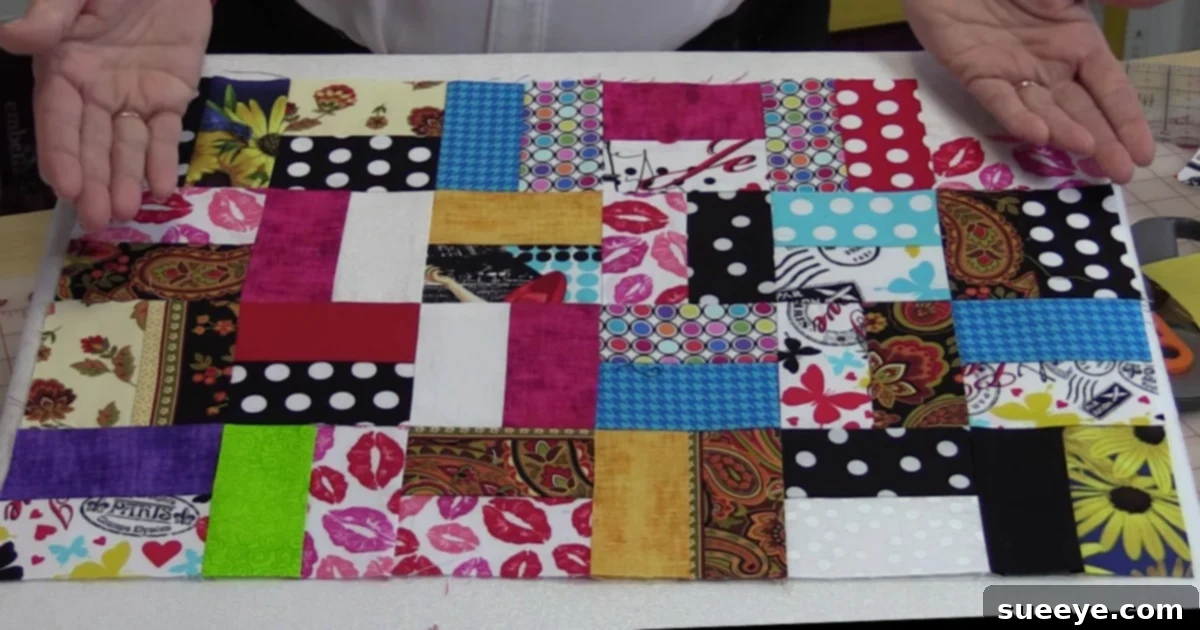
Crafting Comfort: The Enduring Appeal of “True” Scrappy Quilts
There’s a special magic found in quilts, particularly the vibrant, storytelling creations known as “scrappy quilts.” They evoke a profound sense of warmth, history, and comfort, reminiscent of cherished pieces made by generations past. For me, they immediately bring to mind the countless hours my Grandmother and Mother poured into their craft, transforming simple fabric into works of art. While their quilting repertoire was vast, encompassing many styles, the scrappy quilt holds a unique place in the heart of textile enthusiasts.
The very essence of a scrappy quilt lies in its resourceful origins. Imagine a time when every piece of fabric was precious, and nothing went to waste. It’s easy to envision a resourceful individual, perhaps wanting to create a cozy blanket for a loved one, looking at their collection of leftover fabric snippets – remnants from sewing garments, curtains, or other household items – and seeing not waste, but opportunity. Thus, the “scrappy quilt” was born: a brilliant, sustainable solution to utilize every beautiful morsel of fabric. This ingenious approach continues to be a cornerstone of modern quilting, offering a fantastic way to give new life to the lovely scraps accumulated from various sewing projects.
The Allure of Scrappy Quilts: A Tapestry of Memories and Sustainability
More Than Just Fabric: The Story in Every Scrap
Each small piece of fabric within a scrappy quilt carries its own whisper of a past project, a forgotten dress, or a once-bright curtain. When these disparate pieces are brought together, they don’t just form a blanket; they create a rich tapestry of memories, textures, and colors that tell a unique story. This inherent narrative is what makes scrappy quilts so deeply personal and profoundly cherished. They are a testament to resourcefulness, creativity, and a keen eye for beauty in the everyday. Beyond their aesthetic appeal, scrappy quilts embody a powerful message of sustainability, transforming potential waste into enduring art. It’s a craft that aligns perfectly with a conscious lifestyle, promoting reuse and reducing environmental impact while producing something truly beautiful and functional.
The process of gathering scraps is an adventure in itself. It might involve diving into your own stash of remnants, exploring fabric stores for their “end of bolt” bins, or even acquiring bags of pre-loved fabric from thrift stores. Each discovery adds another potential chapter to your quilt’s story. This approach not only makes quilting more accessible and economical but also infuses each project with an element of surprise and spontaneity. No two scrappy quilts are ever truly alike, making each one a unique masterpiece.
Embracing Imperfection: The Unique Beauty of Scrappy Designs
What truly sets scrappy quilts apart is their vibrant, eclectic aesthetic. They celebrate the beauty of contrast and harmony, where a kaleidoscope of colors, patterns, and fabric types come together to create a cohesive whole. Unlike meticulously planned quilts with rigid color palettes, scrappy quilts revel in their seemingly random assembly, which paradoxically often results in the most breathtaking designs. The more diverse the scraps, the richer and more dynamic the final piece becomes, bursting with personality and charm.
There’s also a wonderful tactile quality to these quilts. They seem to gain character and softness with every wash, becoming even more inviting and comforting over time. The gentle wear and softening of the various fabrics contribute to a wonderfully lived-in feel, making them perfect for snuggling on the couch or adding a touch of rustic elegance to any room. This evolving texture and appearance only deepen their appeal, transforming them from mere household items into beloved companions that stand the test of time. In my home, quilts are not just decor; they are focal points of comfort and beauty, and the scrappy ones hold a particularly special place for their unique ability to infuse a space with warmth and personality.
My Personal Journey with Quilting: A Relaxing and Rewarding Hobby
The Therapeutic Art of Hand Stitching
Quilting, for me, transcends being just a hobby; it’s a deeply relaxing and meditative escape. There’s a profound satisfaction that comes from working with my hands, meticulously piecing together fabric, and watching a design gradually emerge. While machine quilting offers speed and precision, I particularly cherish the process of hand stitching. It’s a quiet, rhythmic activity that perfectly complements my evenings. I often find myself with a needle and thread in hand, engrossed in the delicate work of binding or adding embellishments, all while catching up on my favorite recorded shows. This blend of creative pursuit and mindful relaxation makes quilting an ideal pastime, offering a perfect antidote to the stresses of daily life. Do you agree that finding such a fulfilling hobby is truly a gift?
The gentle rhythm of stitching, the focus required to match seams and create intricate patterns, allows my mind to quiet and find a sense of peace. It’s a productive form of unwinding, resulting in a tangible item that brings joy. Many quilters report similar experiences, highlighting the therapeutic benefits of the craft. It’s not just about the end product, but the journey of creation itself, a journey filled with patience, precision, and personal expression.
Heirlooms in the Making: Cherished Gifts and Family Connections
Over the years, I’ve had the pleasure of creating several scrappy quilts in various sizes, each one a labor of love. Among my most treasured projects are the baby quilts I’ve made as gifts for expectant parents. They are always met with immense appreciation, proving to be a big hit and a heartwarming symbol of new beginnings. There’s something incredibly special about gifting a handmade quilt – it’s an offering of comfort, warmth, and a piece of your own time and care. These quilts aren’t just blankets; they become instant heirlooms, wrapped in stories and love, destined to be passed down through generations.
However, the quilts that hold the most profound meaning for me are those lovingly crafted by my own Mother. Her quilts are not merely functional items; they are tangible expressions of her love and dedication. She possesses a beautiful, advanced sewing machine, which she uses with incredible skill to personalize each piece. A signature touch she adds is monogramming a heartfelt message and the dates directly onto her quilts, making each one a chronicle of its creation and recipient. Even more incredibly sweet, she often incorporates her grandchildren’s handprints into a corner of the quilt, a precious detail that captures a moment in time and makes the quilt uniquely theirs. These quilts are more than just fabric and thread; they are living testaments to family bonds, preserving memories and providing comfort for years to come. They stand as enduring symbols of the love that binds us, reminding me of her warmth and creativity with every glance.
Getting Started with Your Own “True” Scrappy Quilt
Gathering Your Treasures: From Scraps to Masterpiece
Embarking on your first scrappy quilt journey is an exciting prospect. The initial step is perhaps the most enjoyable: gathering your fabric scraps. Don’t feel limited to only new fabrics; the true spirit of a scrappy quilt lies in its diverse collection. Dig through your sewing room, ask friends for their unwanted remnants, or even repurpose old cotton garments that have seen better days but still possess charming patterns. Aim for a variety of colors, prints, and even subtle textures, keeping in mind that cotton fabrics are generally the easiest to work with for beginners due to their stable nature. Organizing your scraps by color family or print style can be helpful, but also don’t be afraid to embrace a completely random, spontaneous approach for a truly “scrappy” look. The beauty is in the mix!
Consider the overall “feel” you want for your quilt. Do you prefer a harmonious blend of muted tones, or an explosion of bright, contrasting colors? While the definition of a scrappy quilt encourages spontaneity, a loose color scheme can still help guide your choices and create a cohesive, visually appealing outcome. However, part of the magic is allowing the scraps to dictate the direction, often leading to unexpected and delightful combinations you might not have intentionally planned.
Basic Steps to Piecing Your Scrappy Quilt
Once your treasure trove of scraps is ready, the actual construction begins. For a “true” scrappy quilt, simple square or rectangular blocks are often the easiest and most effective. Here’s a simplified overview of the general process:
- Preparation: Wash and press all your fabric scraps to prevent future shrinkage and ensure even cutting.
- Cutting: Decide on a consistent block size (e.g., 2.5-inch squares, 5-inch squares, or various sized rectangles). Use a rotary cutter and mat for precision, or scissors with a template. The key is uniformity in your individual pieces for easier piecing.
- Piecing Blocks: Sew your cut fabric pieces together to form larger quilt blocks. For a simple scrappy quilt, you might just sew squares into rows, and then sew rows together. Or, you could create more complex blocks like “four-patch” or “nine-patch” using your scraps.
- Assembling the Quilt Top: Once you have enough blocks, arrange them on the floor or a design wall until you achieve a pleasing layout. Then, sew the blocks into rows, and sew the rows together to form the complete quilt top.
- Layering (Quilt Sandwich): This involves three layers: the quilt top (your pieced design), batting (the fluffy middle layer for warmth and loft), and the backing fabric (usually a single large piece). Lay the backing fabric wrong side up, smooth out the batting on top, and finally, place your quilt top right side up on the batting.
- Quilting: This is the process of stitching through all three layers to hold them together and create texture. You can do this by hand (as I often enjoy) or with a sewing machine. Simple straight lines, grid patterns, or “stitch in the ditch” (sewing along the seams) are great for beginners.
- Binding: The final step is to finish the edges of your quilt with a fabric binding. This not only gives the quilt a clean, professional look but also protects the raw edges.
While this might seem like a lot of steps, each stage is manageable, and countless resources are available to guide you. The satisfaction of holding a finished quilt, knowing you transformed humble scraps into a beautiful, functional piece of art, is truly unparalleled.
Ready to Start Your Quilting Adventure?
If you’re feeling inspired to create your very own “true” scrappy quilt, you’re in luck! Learning from an experienced quilter can make the process incredibly enjoyable and straightforward. Watch how the talented Laura Ann Coia makes this wonderful quilt in her step-by-step tutorial. Her clear instructions and visual guidance will empower you to transform your collection of fabric scraps into a cozy masterpiece you’ll cherish for years. Dive into the world of quilting and discover the joy of creating something beautiful with your own hands!
Embrace the journey, enjoy the process, and soon you’ll have a unique, comforting scrappy quilt that tells its own vibrant story. Happy quilting!