
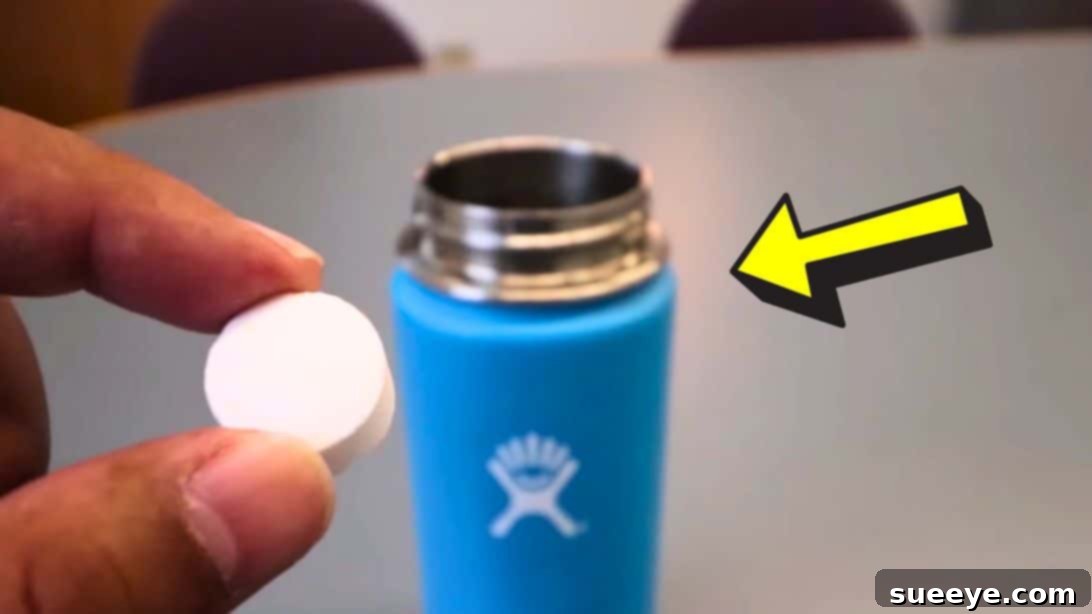
The Ultimate Guide to Cleaning Metal Water Bottles: Say Goodbye to Odors and Germs
Metal water bottles have become an indispensable part of our daily lives, transforming how we stay hydrated on the go. From sleek stainless steel designs to vibrant, insulated models, these reusable companions are everywhere. I, like many others, rely on my metal water bottle daily, appreciating its convenience over endless trips to the kitchen for a glass of water. They are eco-friendly, stylish, and excellent at keeping drinks at the desired temperature. However, the convenience and environmental benefits come with a crucial responsibility: regular cleaning. Neglecting this vital step can quickly lead to an unpleasant surprise – a funky odor or an unwelcome taste that taints even the freshest water.
Ensuring your water bottle is meticulously cleaned every day is paramount to eliminating lurking bacteria and preventing the buildup of mold and mildew. A clean bottle not only tastes better but also safeguards your health. If you’ve found yourself with a water bottle that has developed a persistent, stale smell, don’t despair! This comprehensive guide is designed to help you revitalize your bottle with simple, effective cleaning strategies.
RELATED: How to Remove Stale Odors and Taste From Water Bottles
Why Your Metal Water Bottle Needs Regular Cleaning
While metal water bottles are fantastic for sustainability and convenience, they create an ideal breeding ground for bacteria and other microorganisms if not cleaned properly. The warm, moist environment inside, especially after holding beverages like coffee, juice, or protein shakes, is perfect for microbial growth. This growth manifests as unpleasant smells, slimy residues, and even potential health risks. Regular cleaning prevents:
- Bacterial Buildup: Harmful bacteria can multiply rapidly, leading to gastrointestinal issues.
- Mold and Mildew: These can thrive in damp conditions, causing foul odors and potential respiratory problems.
- Unpleasant Odors and Tastes: Residues from beverages and bacteria can leave your water tasting stale or off.
- Mineral Deposits: Hard water can leave behind mineral buildup, affecting taste and hygiene.
- Reduced Lifespan: Consistent neglect can lead to irreparable stains and damage, shortening your bottle’s life.
Prioritizing daily cleaning ensures you always enjoy fresh, clean water and prolongs the life of your valuable investment.
Effective Methods to Deep Clean a Smelly Metal Water Bottle
For those times when daily rinsing isn’t enough, or if you’ve rediscovered a long-forgotten bottle with a stubborn odor, specialized cleaning methods are incredibly effective. We’ll explore three straightforward techniques, inspired by cleaning expert Kinze Chhoy, that utilize common household products or convenient cleaning tablets. These methods are designed to tackle everything from everyday grime to persistent smells and stains, restoring your bottle to pristine condition in minutes.
For more general cleaning wisdom, you might find these insights helpful: 3 Clever Cleaning Tips From a Janitor.
What You’ll Need for a Sparkling Clean Water Bottle
Before you begin, gather the necessary supplies for your chosen method. Having everything at hand will make the cleaning process seamless and efficient.
General Cleaning Tools (Recommended for all methods):
- Bottle brush (with a long handle)
- Small brush for lids and straws (if applicable)
- Warm water
- Dish soap (mild)
- Clean towel or drying rack
Method 1: White Distilled Vinegar (The Natural Deodorizer)
- White distilled vinegar
Vinegar is an exceptional natural cleaner and deodorizer. Its acetic acid content effectively breaks down bacteria and mold, neutralizing odors without harsh chemicals. This method is particularly effective for general sanitization and removing stale smells.
Method 2: Baking Soda (The Gentle Scrubber)
- Baking soda (sodium bicarbonate)
Baking soda is a mild abrasive and an excellent odor absorber. Its alkaline properties help to neutralize acidic smells and gently scrub away tough residues and stains without scratching the metal surface. It’s perfect for tackling stubborn grime.
Method 3: Bottle Bright Tablets (The Convenient Solution)
- Bottle Bright tablets (or similar effervescent cleaning tablets)
For those seeking a hassle-free, minimal-effort cleaning solution, specialized cleaning tablets are a godsend. These tablets use effervescent action to deep clean, remove stains, and eliminate odors, making them ideal for a quick but thorough sanitization, especially for hard-to-reach areas.
Detailed Steps: How to Clean a Water Bottle Effectively
Method 1 – How to Clean a Hydro Flask (or any metal bottle) Using Vinegar
This method harnesses the natural power of white distilled vinegar to eliminate bacteria and neutralize stubborn odors. It’s a simple yet highly effective way to sanitize your bottle.
- Prepare the Bottle: First, rinse your metal water bottle thoroughly with warm water to remove any loose debris or residue.
- Add Vinegar: Pour about half a cup (approximately 120 ml) of white distilled vinegar directly into your water bottle. For very large bottles, you might increase this to a full cup.
- Swirl and Coat: Secure the lid tightly and gently swirl the vinegar around the bottle. Ensure the vinegar coats all interior surfaces, paying special attention to any areas that appear stained or particularly smelly. This helps the acetic acid reach every corner.
- Let it Sit: Allow the vinegar solution to sit inside the bottle for at least 5 minutes. For deeply ingrained odors or persistent stains, you can extend this soaking time to 30 minutes or even overnight. The longer it sits, the more time the vinegar has to break down mineral deposits and kill bacteria.
- Scrub (Optional but Recommended): For an extra clean, use a bottle brush to gently scrub the inside of the bottle, especially around the base and neck, while the vinegar is still inside.
- Rinse Thoroughly: After soaking, empty the vinegar solution. Rinse the bottle meticulously with warm water. Continue rinsing until all traces of vinegar smell are gone. You may need to rinse several times.
- Air Dry: Invert the bottle on a drying rack or prop it upside down to allow it to air dry completely. Ensuring it’s completely dry prevents new bacterial growth.
Pro Tip: You can also soak the lid and any removable straw components in a bowl of warm water and vinegar (a 1:1 ratio) for the same duration.
Method 2 – How to Clean a Metal Water Bottle Using Baking Soda
Baking soda is a versatile cleaning agent known for its gentle abrasive qualities and exceptional odor-absorbing properties. This method is perfect for lifting stubborn stains and neutralizing a variety of smells.
- Create a Paste: In a small bowl, combine 2 to 3 tablespoons of baking soda with a small amount of warm water. Mix until it forms a thick, scrubbing paste. Adjust the consistency as needed – it should be thick enough to cling to the brush.
- Apply the Paste: Dip your bottle brush into the baking soda paste. Carefully insert the brush into your flask and use it to scrub the entire interior surface. Focus on areas with visible stains, residue, or persistent odors. The abrasive nature of the baking soda will help lift away grime without scratching the metal.
- Scrub Thoroughly: Work the brush vigorously, ensuring you reach the bottom, sides, and neck of the bottle. For particularly stubborn spots, apply more paste and let it sit for a few minutes before scrubbing again.
- Clean the Lid and Straw: Apply some paste to a smaller brush or sponge and scrub the lid, mouthpiece, and any removable straw components. These areas often accumulate grime.
- Rinse Completely: Once you’ve scrubbed all affected areas, rinse the bottle and its components thoroughly with warm water. Make sure to remove all baking soda residue, as lingering particles can affect the taste of your water.
- Final Rinse and Dry: Perform a final rinse with clean water. Invert the bottle and allow it to air dry completely on a rack.
Pro Tip: For extremely tough odors, after cleaning with baking soda, you can also let a tablespoon of dry baking soda sit in the bottle overnight before rinsing it out in the morning. This can absorb any lingering smells.
Method 3 – Clean Water Bottle Using Bottle Bright Tablets (or similar effervescent cleaners)
For unparalleled convenience and powerful cleaning action without the need for scrubbing, effervescent cleaning tablets like Bottle Bright are an excellent choice. They are specially formulated to tackle tough stains and odors with minimal effort.
- Prepare the Bottle: Ensure your water bottle is empty. For best results, it helps to give it a quick rinse with warm water first.
- Add Tablet: Drop one cleaning tablet into the bottle. For larger bottles (over 32 oz / 1 liter) or extremely dirty bottles, you might consider using two tablets.
- Fill with Hot Water: Carefully fill the bottle with hot water (not boiling, as this can be dangerous and unnecessary for most bottles). The hot water activates the effervescent action of the tablet.
- Observe and Wait: Watch as the tablet fizzes, releasing oxygen bubbles that lift away grime and neutralize odors. Let the solution work its magic for 15 to 30 minutes. For severe stains or deeply set odors, you can extend the soaking time up to an hour or even overnight.
- Empty and Rinse: Once the designated time has passed, pour out the cleaning solution. Rinse the bottle thoroughly with clean water to remove any remaining residue from the tablet.
- Air Dry: Place the bottle upside down on a drying rack or prop it to allow complete air circulation and drying.
Benefit: This method is particularly effective for bottles with narrow openings or intricate designs where a brush might not reach, ensuring a comprehensive clean.
Maintaining a Fresh Bottle: Daily Habits and Extra Tips
While the deep cleaning methods above are fantastic for tackling existing problems, adopting a consistent daily cleaning routine is key to preventing odors and ensuring lasting hygiene. Prevention is always better than cure!
Daily Cleaning Ritual:
- Rinse After Every Use: As soon as you finish your drink, rinse your bottle with warm water. Don’t let residues dry and stick.
- Wash with Soap and Water: At the end of each day, wash your bottle with warm water and a small amount of mild dish soap. Use a bottle brush to thoroughly scrub the interior.
- Don’t Forget the Lid and Straw: These are often overlooked but can harbor significant bacteria. Dismantle all parts of the lid and straw (if applicable) and clean them with a small brush and soap. Many lids are top-rack dishwasher safe, but check manufacturer instructions.
- Air Dry Completely: This is perhaps the most critical step. After washing, ensure the bottle, lid, and straw are completely dry before reassembling or storing. Store the bottle uncapped and upside down to allow maximum airflow. Trapped moisture is the primary cause of mold and mildew.
Additional Tips for Optimal Hygiene:
- Avoid Harsh Abrasives: While baking soda is a gentle abrasive, avoid steel wool or very harsh scrubbers that could scratch the inside of your metal bottle, potentially creating tiny crevices where bacteria can hide.
- No Bleach: Never use bleach to clean your metal water bottle. It can react with stainless steel, damage finishes, and leave harmful residues. Stick to natural cleaners or specialized bottle cleaning products.
- Deep Clean Regularly: Even with daily cleaning, plan for a deep clean using one of the methods above at least once a week, or more frequently if you use your bottle for beverages other than water.
- Check for Damage: Periodically inspect your bottle for any dents, cracks, or rust. These can compromise the bottle’s integrity and create hard-to-clean areas.
- Consider a Drying Rack: A dedicated bottle drying rack can significantly aid in proper air drying, ensuring all components are thoroughly dry.
How to Clean a Smelly Metal Water Bottle (Summary and Encouragement)
Living with a smelly metal water bottle is completely avoidable. By understanding why odors occur and applying these effective cleaning strategies, you can ensure your hydration experience is always fresh and hygienic. Whether you prefer the natural power of vinegar and baking soda or the convenience of cleaning tablets, each method offers a reliable path to a pristine bottle. Combine these deep-cleaning techniques with consistent daily maintenance, and you’ll say goodbye to unwanted smells and hello to pure, clean hydration. Make bottle hygiene a priority, and enjoy the lasting benefits of a fresh, clean, and safe metal water bottle every single day!