
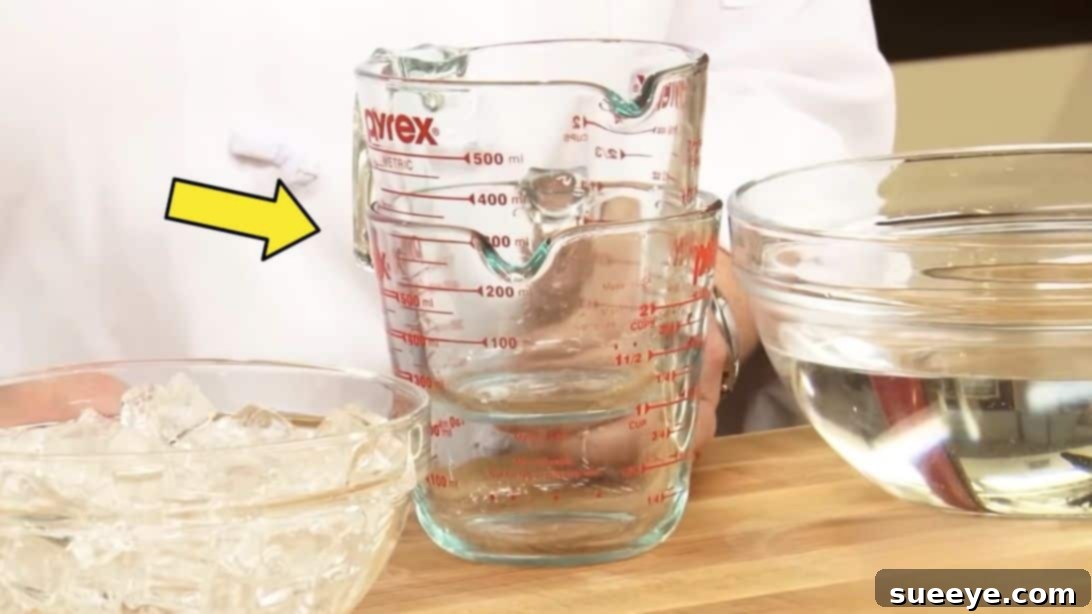
There are few kitchen frustrations quite like reaching for a glass, only to find it stubbornly stuck to another. Whether it’s a stack of drinking glasses, measuring cups, or even glass bowls, this common problem can bring your kitchen routine to a grinding halt. You pull, you twist, you exert force, but they just won’t budge. The good news? You don’t have to resort to brute strength or risk breaking your beloved glassware. There’s a brilliant, scientifically sound trick that uses the power of temperature to effortlessly free your stuck glasses, and it works nearly every time.
This comprehensive guide will walk you through the simplest and most effective method for separating stuck glass items, reveal the clever science behind it, and provide valuable tips to prevent this annoyance from happening again. Say goodbye to wasted energy and hello to smoothly separated glassware!
Why Do Glass Cups and Bowls Get Stuck Together? Understanding the Common Culprit
Before diving into the solution, it’s helpful to understand why your glasses become inseparable in the first place. This common kitchen conundrum primarily boils down to a phenomenon called thermal expansion and contraction, often coupled with moisture and air pressure. When glass items are stacked together while they are still warm – perhaps straight out of the dishwasher or after a quick wash – they expand ever so slightly. If they then cool down while nested, they contract, creating a very tight seal. Any residual moisture between the glasses can also create a vacuum or a strong surface tension, further cementing their bond.
Imagine stacking glasses that are fresh from a warm wash. As they cool, the outer glass (the one below) contracts around the inner glass (the one on top). If there’s even a tiny bit of moisture, it acts like a sticky film, making the bond incredibly strong. This effect is particularly noticeable with perfectly fitting glasses or bowls, where there’s minimal space for air to break the seal.
RELATED: How to Repair Broken Glasses with Super Glue and Baking Soda
Prevention is Key: Best Practices for Stacking and Storing Glassware
While the “unstuck” trick we’re about to share is incredibly effective, the best strategy is always prevention. By adopting a few simple habits, you can significantly reduce the chances of your glass items getting stuck in the first place.
- Ensure Complete Drying: Always make sure your glasses, bowls, or containers are thoroughly dry before stacking them. Even a thin film of water can contribute to the suction effect that causes them to stick. A quick towel dry or allowing them to air dry completely on a rack can make a big difference.
- Allow to Cool Fully: This is perhaps the most crucial tip. If you’ve just washed your glassware with warm water or they’ve come out of a hot dishwasher, let them cool down to room temperature before nesting them. This prevents the initial expansion and subsequent contraction that forms a tight seal.
- Avoid Over-Stacking: While it might save space, stacking too many glasses or bowls together can increase the pressure on the lower items and make them more prone to sticking. Try to limit stacks to a manageable number, especially for delicate or frequently used items.
- Consider Alternative Storage: If space allows, consider storing glasses side-by-side on shelves or in a cabinet rather than stacking them. Glassware racks or dividers can also be excellent investments for protecting your items and preventing them from getting stuck.
- Be Gentle: When placing one glass inside another, do so gently. Don’t force them together, as this can create too tight a fit and potentially chip the rims.
By following these simple guidelines, you can minimize the frustration and ensure your glassware is always ready for use.
The Genius Hack: Separating Stuck Glass Cups with Ice and Warm Water
If you’ve already found yourself with a stack of uncooperative glasses, don’t despair! This ingenious trick, widely popularized by experts like America’s Test Kitchen, is your go-to solution. It leverages the principles of thermal expansion and contraction in a controlled way, making stubborn glassware separation a breeze. This method is incredibly versatile and works wonders for drinking glasses, glass measuring cups, glass bowls, and virtually any glass containers that have become stuck together.
The beauty of this hack lies in its simplicity and effectiveness. It requires minimal effort and household items you likely already have on hand. No more struggling, no more prying, and no more risking chipped edges. Just a few seconds of applying the right temperatures, and your glasses will come apart safely and easily.
Here’s another hack you might want to try: 7 Different Ways To Open A Stuck Jar Lid
What You Need to Separate Stuck Glass Measuring Cups (or Any Glassware)
Gathering your materials is the first and easiest step. You’ll need:
- Ice Cubes: These will be used to cool and contract the inner glass.
- Warm Water: This will be used to warm and expand the outer glass. Ensure the water is warm, but not scalding hot or boiling, as extreme temperature shock can damage some types of glass. Lukewarm to comfortably warm tap water is usually sufficient.
- Large Bowl or Sink: You’ll need a container large enough to submerge the bottom stuck glass.
- Gloves (Optional): If you’re sensitive to cold or warm water, or just want a better grip, kitchen gloves can be helpful.
Step-by-Step Guide: How to Safely Separate Stuck Glasses
Follow these simple instructions carefully for the best results. Remember to be gentle throughout the process.
Step 1: Prepare Your Warm Water Bath
Start by filling a large mixing bowl or your kitchen sink with warm water. The water should be warm to the touch, but not excessively hot. You need enough water to submerge the outer, bottom glass of your stuck pair completely, ensuring that the rim of the inner glass stays above the waterline.
Step 2: Chill the Inner Glass with Ice
Carefully place ice cubes into the top, inner glass. Fill it up as much as possible without overflowing or compromising stability. The goal is to make this inner glass as cold as possible, causing it to contract.
Step 3: Submerge and Separate
With the ice in the top glass, gently lower the entire stuck pair into the warm water bath, ensuring the bottom glass is fully submerged. Let them sit in the warm water for just a few seconds – usually 30 seconds to a minute is sufficient. You might even hear a subtle “pop” or feel a slight shift as the seal breaks.
After a short wait, carefully lift the stuck glasses out of the warm water. Holding the bottom glass firmly, gently twist and pull the top glass upwards. It should now separate with relative ease. If it’s still stuck, submerge it for a few more seconds, perhaps adding a bit more warm water to the bowl or ensuring the ice is still plentiful in the top glass, and try again. Repeat the process gently until they separate.
The Science Behind the Separation: Thermal Expansion and Contraction Explained
The success of this method isn’t magic; it’s pure physics. It relies on the principle that most materials, including glass, expand when heated and contract when cooled. When you introduce a significant temperature difference between the two stuck glasses, you create a momentary change in their dimensions that breaks the seal.
Here’s how it works:
- The Bottom Glass (Expansion): When you place the outer glass into warm water, its temperature rises. As it heats up, the glass molecules vibrate more vigorously and spread out, causing the glass itself to expand ever so slightly. This expansion creates a tiny, but crucial, gap between the outer and inner glass.
- The Top Glass (Contraction): Simultaneously, the ice cubes inside the inner glass rapidly cool its temperature. As it cools, its molecules slow down and draw closer together, causing the glass to contract.
This combined effect – the outer glass expanding while the inner glass contracts – works together to loosen the incredibly tight seal that was holding them together. The slight increase in the outer glass’s diameter and decrease in the inner glass’s diameter provides just enough space to overcome the friction and any vacuum effect, allowing you to easily pull them apart. It’s a testament to how simple scientific principles can solve everyday household problems!
Troubleshooting and Advanced Tips for Stubbornly Stuck Glasses
While the ice and warm water trick is highly effective, sometimes you might encounter particularly stubborn pairs. Here are some troubleshooting tips and additional advice:
- Repeat the Process: If the glasses don’t separate on the first try, don’t force them. Simply reset: add more ice to the top glass if it has melted, refresh the warm water if it has cooled, and repeat the submersion for another 30-60 seconds. Sometimes a second application is all it takes.
- Twist Gently: Instead of just pulling straight up, try a gentle twisting motion as you pull. This can help to break any lingering friction or suction.
- Check for Damage: Before applying any force, inspect the rims of both glasses for any chips or cracks. Forcing already damaged glass can cause it to break further. If there’s significant damage, it might be safer to discard them, especially if they are drinking glasses.
- Adjust Water Temperature: Ensure your warm water is sufficiently warm (but again, not boiling) and that the ice in the top glass is plentiful and cold. The greater the temperature differential, the more pronounced the expansion and contraction effect will be.
- Use a Non-Slip Grip: If your hands are wet, use a towel or kitchen gloves to get a better grip on both glasses, reducing the chance of slipping and breaking them.
- Patience is a Virtue: Resist the urge to yank or apply excessive force. Glass is fragile, and patience combined with the thermal trick is far more effective and safer.
Beyond Cups: Applying the Thermal Principle to Other Stuck Glassware
This fantastic warm water and ice cube method isn’t just for drinking glasses. Its underlying scientific principle makes it incredibly useful for a variety of other stuck items around your kitchen:
- Glass Measuring Cups: Often designed to nest, measuring cups are prime candidates for getting stuck. This method works perfectly.
- Glass Bowls: Whether for mixing or serving, nested glass bowls can create a powerful suction. Apply the same technique.
- Glass Storage Containers: Many brands of glass food storage containers are designed to stack. If they get stuck, especially after being washed, this trick will help.
- Jars with Stubborn Lids: While a different kind of “stuck,” the principle of thermal expansion can also help with tightly sealed jar lids. Running warm water over the metal lid (causing it to expand) can make it easier to open.
Understanding the simple physics of thermal expansion and contraction empowers you to solve many household sticky situations with ease and without damage.
Conclusion: Effortless Glass Separation is Within Your Reach
Dealing with stuck glasses can be an annoying inconvenience, but it doesn’t have to be a major hassle. With the smart application of ice and warm water, you have a proven, safe, and incredibly effective method to separate virtually any stuck glass item in your kitchen. This ingenious hack, rooted in basic physics, transforms a frustrating problem into a quick, satisfying solution.
Remember to practice preventive measures like ensuring your glassware is dry and cool before stacking, and you’ll minimize future occurrences. But for those times when glasses inevitably cling together, you now possess the knowledge and the simple tools to set them free. No more struggling, no more risking breakage – just smoothly separated glasses, ready for their next use. Give this trick a try the next time you encounter stuck glassware, and prepare to be amazed by its effortless effectiveness!