
Mastering the Art of Freezing and Reheating Cooked Rice for Perfect Meals
Rice is a global staple, cherished across cultures for its versatility and comforting presence on the plate. From the delicate aroma of jasmine rice accompanying an Asian stir-fry to the hearty texture of basmati paired with Indian curries, it’s arguably one of the best side dishes to complement an endless array of main courses. Its mild flavor profile allows it to beautifully absorb the robust tastes of savory and salty dishes without overpowering them. With numerous preparation methods—steaming, boiling, pilaf, risotto, and more—each often calling for specific rice varieties, it’s a testament to its culinary flexibility.
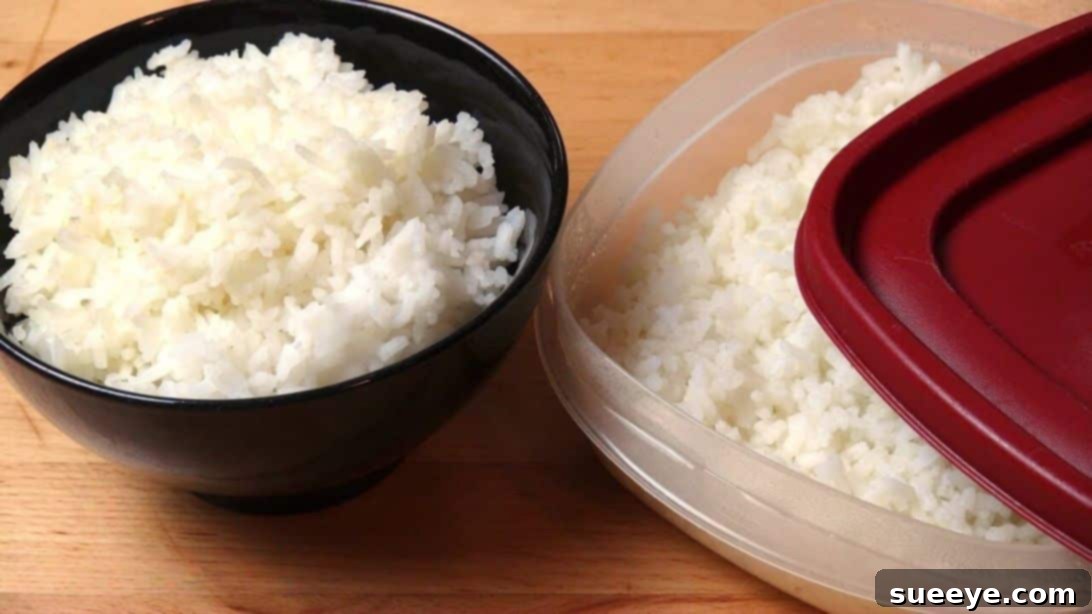
Given its popularity, it’s common to find ourselves with leftover cooked rice after dinner. While many might discard it, wondering what to do with the excess, there’s an incredibly simple and safe solution that not only reduces food waste but also revolutionizes your meal prep: freezing. Properly freezing and reheating cooked rice can bring it back to a fluffy, moist state, almost as if it were freshly prepared. This technique is a game-changer for busy households and anyone looking to streamline their cooking process.
RELATED: Why You’re Probably Cooking Rice The Wrong Way
Why Freezing Cooked Rice is a Culinary Lifesaver
Embracing the habit of freezing leftover rice offers a multitude of benefits that extend beyond simply preventing waste. It’s a smart strategy for efficient meal planning, healthy eating, and even saving money. Here’s why you should make it a regular practice:
- Convenience and Time-Saving: Imagine coming home after a long day and having perfectly cooked rice ready in minutes. Freezing allows you to cook a large batch once and then have components for multiple meals throughout the week or month. This drastically cuts down on active cooking time for subsequent dinners.
- Reduced Food Waste: Uneaten rice often ends up in the bin, contributing to food waste. By freezing it, you give those delicious grains a second life, ensuring every grain is put to good use.
- Budget-Friendly Meal Prep: Buying rice in bulk is often more economical. When you cook and freeze it in portions, you’re maximizing your grocery budget and ensuring you always have an affordable base for meals.
- Healthier Eating: Having pre-cooked rice on hand makes it easier to whip up healthy, homemade meals instead of resorting to less nutritious takeout options. You can quickly assemble grain bowls, stir-fries, or side dishes with minimal effort.
- Portion Control: Freezing rice in individual or family-sized portions helps with managing serving sizes, which can be beneficial for dietary goals.
The Science Behind Stored Rice and Food Safety
When dealing with cooked rice, especially leftovers, food safety is paramount. Cooked rice can harbor spores of Bacillus cereus, a bacterium that can multiply at room temperature and produce toxins causing food poisoning. Freezing, when done correctly, halts this bacterial growth, making it a safe storage method. The key is rapid cooling and proper reheating.
The texture of rice also changes when cooked. Starch retrogradation occurs as rice cools, causing it to become harder. Freezing pauses this process. When reheating, the addition of a little moisture helps to rehydrate the rice grains, allowing the starch molecules to relax and the rice to become fluffy and moist again, just like fresh. This understanding underpins the simple yet effective techniques we’re about to explore.
Choosing the Right Rice for Freezing
While most cooked rice varieties can be frozen, some perform better than others:
- Long-Grain and Medium-Grain Rice (e.g., Basmati, Jasmine, American Long-Grain): These are excellent choices for freezing. Their individual grains separate well after reheating, retaining a pleasant, fluffy texture.
- Brown Rice and Wild Rice: These whole-grain varieties also freeze exceptionally well. Their slightly chewier texture holds up beautifully to the freezing and reheating process.
- Short-Grain and Sticky Rice (e.g., Sushi Rice, Arborio for Risotto): While technically freezable, these types tend to be stickier and might lose some of their characteristic texture after thawing. They can still be frozen, but be aware the reheated result might be slightly softer or clumpier. For specific dishes like risotto, it’s generally best to cook fresh.
Step-by-Step Guide to Freezing Cooked Rice
The success of perfectly reheated rice begins with the freezing process. Following these simple steps will ensure your rice maintains its quality and safety.
- Cook Your Rice as Normal: Prepare your chosen rice variety according to your preferred method. Whether steamed, boiled, or cooked in a rice cooker, ensure it’s cooked to your desired tenderness.
- Cool Rapidly: This is the most crucial step for food safety. Spread the cooked rice thinly on a baking sheet or wide platter. This allows it to cool down quickly to room temperature (within one hour is ideal, and definitely no longer than two hours) to prevent bacterial growth. You can even place the baking sheet in the refrigerator to speed up the cooling process.
- Portion and Transfer: Once completely cooled, transfer the rice into microwave and freezer-safe containers or freezer bags. Portion the rice into quantities you typically use for a single meal or serving. This prevents you from thawing more than you need.
- Seal Properly: If using containers, put on a tight-fitting lid. If using freezer bags, press out as much air as possible before sealing. An airtight seal is key to preventing freezer burn, which can dry out the rice and affect its flavor and texture.
- Label and Date: Always label your containers or bags with the contents (e.g., “Cooked Basmati Rice”) and the date it was frozen. This helps you keep track of its freshness.
- Freeze: Place the sealed rice in the freezer. Cooked rice can be safely stored in the freezer for up to 3 months for optimal quality. While it may technically be safe longer, its texture and flavor can start to degrade past this point.
Reheating Frozen Rice for Perfect Texture
Bringing frozen rice back to life is surprisingly simple, especially with the help of a microwave. The goal is to restore moisture and fluffiness, ensuring it tastes as good as freshly cooked. This technique is brilliantly demonstrated by OnePotChefShow’s tutorial, guaranteeing fluffy and moist results.
- Remove from Freezer: Take the frozen rice portion out of the freezer. If using a container, remove the lid. If using a freezer bag, transfer the rice into a microwave-safe bowl.
- Add Moisture: This is the secret to fluffy, moist rice. Sprinkle one to two tablespoons of water over the frozen rice. For larger portions, you might add a little more. This water will create steam during reheating, rehydrating the grains.
- Cover with Damp Paper Towel: Lightly dampen a paper towel with water, then use it to cover the top of the rice. This acts like a mini-steamer, trapping moisture and ensuring even heating without drying out the rice.
- First Microwave Cycle: Place the bowl in the microwave.
- For a small portion (e.g., 1 cup): Microwave for approximately one minute.
- For a larger portion (e.g., 2-3 cups): Microwave for two to three minutes.
The exact time may vary based on your microwave’s wattage and the amount of rice.
- Fluff and Check: Carefully remove the damp paper towel (it will be hot!). Use a fork to gently fluff up the rice. Check if it’s heated through and has reached your desired temperature and texture. If not, proceed to the next step.
- Second Microwave Cycle (If Needed): Put the damp paper towel back on the bowl. Microwave again for an additional 1 to 3 minutes, or until the rice is steaming hot throughout.
- Stand and Serve: Once done, remove the paper towel and allow the rice to stand for 1 to 2 minutes. This allows the heat to distribute evenly and the grains to reabsorb any remaining moisture. Fluff it with a fork one last time, and it’s ready to serve alongside your favorite dishes!
Alternative Reheating Methods
While microwaving is the quickest method, you can also reheat frozen rice using other techniques:
- Stovetop: Transfer frozen rice to a saucepan. Add a splash of water (1-2 tbsp per cup of rice). Cover tightly and heat over low to medium heat, stirring occasionally, until hot and fluffy. This can take 5-10 minutes.
- Oven: For larger quantities, place frozen rice in an oven-safe dish. Add a few tablespoons of water or broth and cover tightly with foil. Bake at 300°F (150°C) for 15-20 minutes, or until heated through, stirring halfway.
Special Considerations: Fried Rice and Day-Old Rice
It’s important to note that the freezing and reheating technique described above is primarily for plain cooked rice intended as a side dish or base for other recipes where a moist, fluffy texture is desired. However, there’s a significant exception when it comes to making fried rice.
For fried rice, you typically want day-old (or even two-day-old) rice that has been refrigerated. The reason for this specific requirement is that day-old rice is naturally drier and firmer. This dryer texture is crucial for achieving the perfect consistency in fried rice – individual grains that don’t clump together, allowing them to absorb sauces and flavors without becoming mushy. Reheating frozen rice, even with the added moisture, tends to make it softer, which isn’t ideal for a truly authentic fried rice texture.
So, if your culinary plans involve whipping up a delicious fried rice dish, skip the freezing and opt for refrigerated leftover rice instead. Here are some fantastic fried rice recipes you might want to try:
- Easy Beef Fried Rice
- Hot Buttered Corn Rice
- Bacon And Cabbage Fried Rice Recipe
Safety First: Best Practices for Handling Cooked Rice
Reiterating food safety is crucial when dealing with cooked rice. Improper handling can lead to foodborne illness. Always remember:
- Cool Quickly: As mentioned, cool cooked rice to room temperature within one hour, and certainly no longer than two hours, before refrigerating or freezing.
- Reheat Thoroughly: Always reheat rice until it is steaming hot throughout. Do not just warm it up. The internal temperature should reach at least 165°F (74°C).
- No Repeated Reheating: Only reheat cooked rice once. Freezing and then reheating is fine, but do not refreeze already reheated rice.
- Consume Promptly: Once reheated, consume the rice immediately. Do not leave it sitting out at room temperature.
- Don’t Thaw at Room Temperature: Always thaw frozen rice in the refrigerator or reheat directly from frozen. Thawing at room temperature gives bacteria an opportunity to multiply.
Conclusion
Mastering the art of freezing and reheating cooked rice is a valuable skill for any home cook. It transforms leftover rice from a potential waste product into a convenient, ready-to-use ingredient that can dramatically simplify your meal prep and reduce your time in the kitchen. By following the simple steps for rapid cooling, proper freezing, and careful reheating, you can ensure that your stored rice remains perfectly fluffy, moist, and delicious, ready to elevate any meal. Embrace this smart kitchen hack, and you’ll always have a versatile foundation for countless culinary creations at your fingertips – just remember to use day-old rice for your fried rice adventures!