
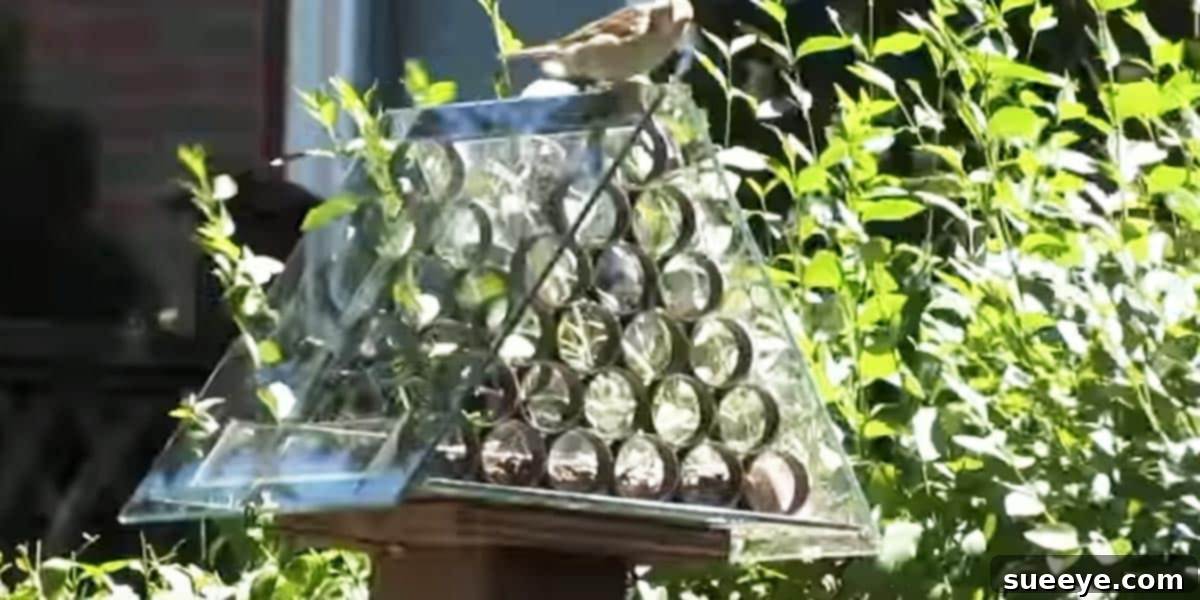
The Ultimate Guide to Squirrel-Proof Bird Feeders: Reclaim Your Backyard Oasis
For many avid bird watchers and backyard enthusiasts, the joy of seeing colorful birds flock to a feeder is often overshadowed by a persistent, furry nemesis: the squirrel. These clever, acrobatic critters have a remarkable talent for circumventing nearly every obstacle placed in their path, turning a relaxing hobby into a constant battle of wits. If you’ve ever felt the frustration of refilling an expensive bird feeder only to watch it get plundered within hours, you are certainly not alone.
The struggle against squirrels isn’t just about saving a few dollars on birdseed; it’s about preserving a peaceful sanctuary for your feathered friends. Squirrels, while undeniably cute, can be quite aggressive. They chase away smaller birds, hog the feeders, and can even chew through plastic and wood, destroying valuable equipment. The ingenuity they display in their pursuit of an easy meal is truly astonishing, making them both a marvel and a menace to bird lovers worldwide. But what if we told you there are genuinely effective ways to outsmart these bushy-tailed bandits?
Understanding Your Clever Adversaries: The Squirrel Psyche
Before we dive into solutions, it’s crucial to appreciate the intelligence of squirrels. They are not merely driven by instinct; they learn, adapt, and strategize. Observe a squirrel attempting to reach a feeder, and you’ll witness a mini-masterclass in problem-solving. They evaluate distances, test various routes, and remember what works and what doesn’t. A failed attempt is rarely a deterrent; instead, it’s a learning opportunity. This resilience and cunning are precisely why many off-the-shelf “squirrel-proof” solutions fall short – they underestimate the adversary.
Their determination stems from a simple, powerful drive: calories. Birdseed, especially high-fat varieties like black oil sunflower seeds, represents a dense and easily accessible energy source. In the wild, squirrels expend considerable energy foraging for nuts and berries. A bird feeder offers a concentrated buffet, making it worth the considerable effort they put into accessing it. Acknowledging their motivation and intelligence is the first step toward devising truly effective deterrents.
The Frustrating Cycle: Why Common Solutions Often Fail
Many of us, out of desperation and ingenuity, have tried a myriad of solutions to protect our precious birdseed. You might have tried some of these yourself, only to be met with disappointment:
- Trash Can Lids and Large Baffles: While large, dome-shaped baffles can be effective when installed correctly, simply placing a trash can lid over a feeder often doesn’t cut it. Squirrels can often find a gap, use a nearby branch to leap over it, or even gnaw their way through less sturdy materials. The effectiveness hinges on proper installation and sufficient distance from jump-off points.
- Slinkys on Poles: The idea here is that a Slinky, being unstable and difficult to grip, will prevent squirrels from climbing a pole. While this might deter some less adventurous squirrels for a short period, determined ones quickly learn to navigate it. They might even discover that if they move fast enough, they can get past the Slinky before it fully collapses, or they might simply bypass the pole altogether by jumping from a tree or roof.
- Drilled Frisbees on Poles: Similar to Slinkys, frisbees threaded onto a pole are an attempt to create a barrier. However, squirrels are adept at finding even the smallest purchase. They can often squeeze past or find a way to grip the edge, using their strong claws and agile bodies to shimmy up. For hanging feeders, this solution is entirely irrelevant.
- Hot Pepper Birdseed: This is a popular suggestion based on the fact that birds don’t taste capsaicin (the compound that makes peppers hot), but mammals do. While it might deter some squirrels initially, many quickly adapt. They might still eat the seeds, just with a bit of a cough, or they might learn to flick away the spicy seeds to get to the plain ones underneath. Furthermore, excessive use can sometimes irritate other animals or even the birds themselves if the dust gets into their eyes.
- Ultrasound Generators: These devices emit high-frequency sounds supposedly unpleasant to squirrels but inaudible to humans. Unfortunately, scientific evidence for their long-term effectiveness is scarce. Animals often habituate to such sounds, and the range and intensity might not be sufficient to deter a hungry squirrel focused on a meal.
- Slingshots and Other Direct Deterrents: While tempting in moments of extreme frustration, these methods are often ineffective, require constant vigilance, and can be harmful to wildlife. The goal should always be humane deterrence.
The common thread among these failed attempts is that they often rely on static barriers or mild irritants that don’t account for a squirrel’s remarkable agility, intelligence, and sheer persistence. To truly succeed, we need solutions that fundamentally change the accessibility of the food or exploit a squirrel’s physical limitations.
The Science of Success: Truly Effective Squirrel-Proofing Principles
The most successful squirrel-proof bird feeders employ one or a combination of these core principles:
- The Baffle Barrier: A baffle is a smooth, wide, and often cone-shaped or dome-shaped barrier that prevents squirrels from climbing up or down to reach the feeder.
- Pole Baffles: These wrap around a feeder pole, creating a slick, insurmountable barrier that squirrels cannot climb past. They must be placed at least 5-6 feet off the ground and at least 8-10 feet away from any jump-off points (trees, fences, decks).
- Hanging Baffles: These are domes placed above a hanging feeder. A squirrel attempting to climb down the feeder support will hit the baffle and be unable to get around its wide, slick surface. Again, proper placement away from jump-off points is critical.
- The Cage Enclosure: Feeders surrounded by a wire cage allow smaller birds to pass through to the seed while keeping larger squirrels (and sometimes larger birds like jays) out. The spacing of the wire mesh is key – wide enough for most small songbirds, too narrow for squirrels.
- The Weight-Activated Mechanism: These are perhaps the most ingenious. They feature perches or feeding platforms that are spring-loaded. When a heavy animal like a squirrel (or even a large bird) lands on it, a mechanism activates, either closing off access to the seed ports or lowering the entire feeding tray, effectively denying the squirrel its meal. Smaller, lighter birds do not trigger the mechanism.
- The Spin-Proof Design: Some feeders are designed with perches that spin or tilt under a squirrel’s weight, making it impossible for them to maintain their grip and balance. This is a variation of the weight-activated principle but focuses on dislodging the squirrel rather than just blocking access.
Types of Squirrel-Proof Bird Feeders: Finding Your Perfect Match
With these principles in mind, let’s explore the various types of feeders that truly deliver on their promise:
1. Weight-Activated Feeders
These are often considered the gold standard for squirrel deterrence. When a squirrel lands on a perch or platform, its weight triggers a mechanism that either closes the seed ports or lowers a protective shroud, denying access. Once the squirrel leaves, the feeder resets itself for smaller birds. They come in various designs, from tube feeders with closing ports to hopper feeders with lowering cages. They are highly effective and fascinating to watch in action, demonstrating a clear cause-and-effect that even intelligent squirrels struggle to overcome.
2. Caged Feeders
These feeders feature an outer cage with mesh spacing designed to allow small birds like finches, chickadees, and nuthatches to easily pass through, while preventing larger animals like squirrels, grackles, and jays from reaching the inner seed container. Caged feeders are an excellent choice if you want to specifically attract smaller bird species and are also concerned about larger bully birds. Ensure the cage openings are appropriately sized for the birds you wish to attract versus those you want to exclude.
3. Baffled Feeders (with Proper Placement)
While baffles are a component rather than a feeder type itself, they are so crucial that they deserve a dedicated mention. A high-quality feeder combined with an effectively placed baffle is an unbeatable combination. Whether it’s a cone baffle on a pole or a dome baffle above a hanging feeder, the key is the slick, wide surface that offers no grip and creates an insurmountable barrier. The absolute rule for baffle success is placing the feeder and baffle system at least 8-10 feet away from any potential launch points—trees, fences, power lines, or even your house. Any less, and a determined squirrel will simply leap over it.
4. Spinners and Tilted Perch Feeders
These feeders introduce an element of instability. Perches are designed to spin freely or tilt sharply under a squirrel’s weight, making it impossible for them to hold on. While less common than weight-activated or caged feeders, they offer a kinetic solution that can be quite amusing to observe. Squirrels often attempt these repeatedly before giving up, offering a comical display of acrobatics and frustration.
Beyond Just the Feeder: Additional Strategies for Success
A squirrel-proof feeder is the cornerstone, but a holistic approach yields the best results:
- Strategic Placement: Reiterate the 8-10 feet rule from any jump-off points. This is non-negotiable for success.
- Consider Pole Mounting: Pole-mounted feeders with effective baffles are often more squirrel-proof than hanging feeders, as they offer fewer points of access from above.
- Cleanliness: Regularly clean up spilled seed around the feeder. Accumulations on the ground can still attract squirrels and other pests, defeating some of your efforts.
- Offer an Alternative: Many bird lovers choose to offer a separate squirrel feeder, placed a good distance from their bird feeders. Filling it with corn, peanuts, or special squirrel mix can divert their attention and give them their own dedicated dining spot, fostering a more peaceful coexistence.
- Seed Choice: While not a primary deterrent, some seeds like safflower are less appealing to squirrels and certain larger birds, but still enjoyed by specific bird species like cardinals, chickadees, and finches.
The Benefits: More Than Just Saving Seeds
Investing in a truly squirrel-proof bird feeder offers a multitude of rewards:
- Significant Cost Savings: Birdseed can be expensive. By preventing squirrels from emptying your feeder daily, you’ll dramatically reduce your seed consumption and save money in the long run.
- More Birds, Happier Birds: Without aggressive squirrels dominating the feeder, shyer and smaller bird species will feel safer and more comfortable visiting your backyard, enriching your birdwatching experience.
- Peace of Mind: No more constant vigilance or exasperated sighs. You can enjoy watching your birds without the ongoing battle.
- Feeder Longevity: Squirrels can damage feeders by chewing. A squirrel-proof design protects your investment and extends the life of your equipment.
- Humane Solution: These methods deter squirrels without causing them harm, allowing you to appreciate all aspects of backyard wildlife.
A DIY Solution: Building Your Own Squirrel-Proof Sanctuary
While many excellent commercial squirrel-proof feeders are available, the satisfaction of creating your own can be incredibly rewarding. If you’re a hands-on individual looking for a project, consider designing and building your own. There are numerous inventive designs out there that effectively utilize the principles we’ve discussed, often using readily available materials.
For those interested in a practical, step-by-step guide to constructing a highly effective squirrel-proof bird feeder, we recommend exploring tutorials from clever builders who have perfected their designs over years of battling these ingenious creatures. One notable example of a truly effective design that integrates many of these principles can be found in detailed guides that demonstrate how to construct a feeder that not only keeps squirrels at bay but also offers them a safe way to scavenge dropped seeds, ensuring no harm comes to them. This ensures a balanced approach where birds feast securely, and squirrels still get their fair share from what falls to the ground.
Conclusion: Enjoy Your Squirrel-Free Birdwatching
The battle against squirrels at the bird feeder can be a long and challenging one, testing the patience of even the most dedicated bird lover. However, by understanding squirrel behavior and employing scientifically sound deterrence principles, you can absolutely win the war. Whether you choose a high-tech weight-activated feeder, a sturdy caged design, or implement a DIY solution with robust baffles, the key is to be smarter, more consistent, and more persistent than your furry adversaries.
Reclaim your backyard oasis, protect your investment in birdseed, and most importantly, create a truly peaceful and welcoming environment for your cherished feathered visitors. With the right squirrel-proof bird feeder, you can finally sit back, relax, and enjoy the beauty of nature without the constant drama of a squirrel invasion.