
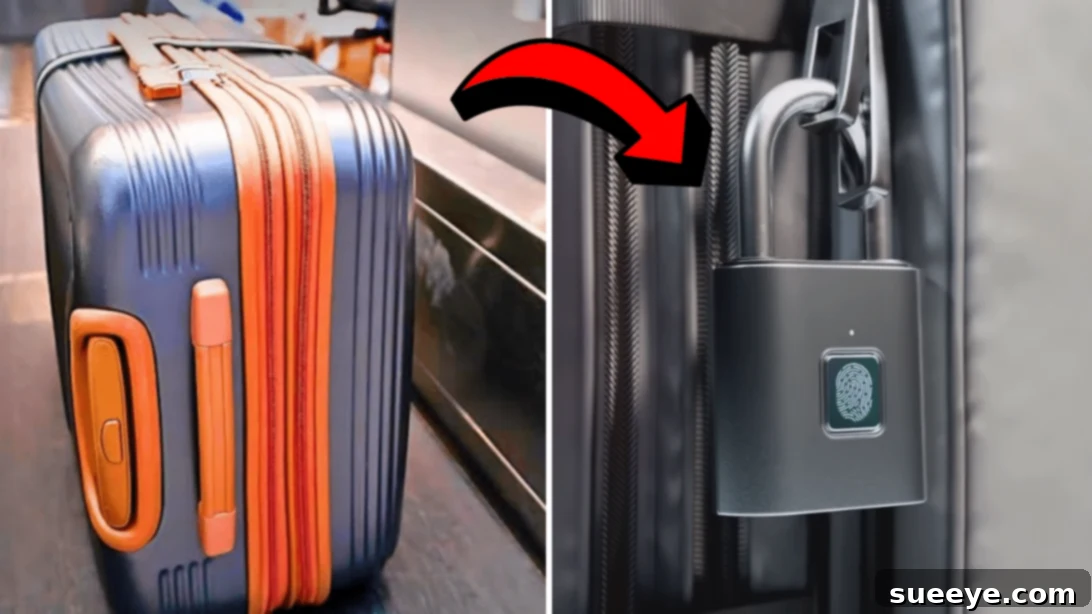
Embarking on a journey, whether for leisure or business, is always an exciting prospect. However, the excitement of travel can quickly turn into anxiety if concerns about the security of your belongings arise. In today’s interconnected world, where travel is more accessible than ever, ensuring the safety of your luggage and its contents has become a paramount concern for seasoned globetrotters and first-time adventurers alike. From meticulous packing checklists to double-checking passports, travelers diligently prepare for their adventures, yet sometimes overlook one of the most critical aspects: safeguarding their luggage from potential theft. This comprehensive guide is designed to equip you with invaluable anti-theft travel tips, providing practical strategies and innovative hacks to protect your valuables and ensure peace of mind throughout your travels.
Unfortunately, cases of luggage theft are not as uncommon as one might hope. Airports, train stations, bus terminals, and even hotel lobbies can be opportunistic environments for thieves. Being well-prepared and proactive is your best defense. By understanding common theft tactics and implementing smart security measures, you can significantly reduce the risk of becoming a victim. The following tips and hacks, inspired by expert advice from channels like Travel Tips & Hacks on YouTube, offer actionable steps to keep your luggage secure and effectively deter potential thieves from targeting your belongings.
Ultimate Tips to Secure Your Luggage: Protecting Your Valuables
- Choose the Right Luggage: Your First Line of Defense
- Mastering Hack-Proof Zippers for Enhanced Security
- Leveraging TSA-Approved Locks for Deterrence and Compliance
- Utilizing Security Tapes or Tamper-Evidence Seals for Vigilant Protection
- Smart Packing Strategies: What Not to Check
- Personalizing Your Luggage for Easy Identification and Deterrence
- Embracing Technology: GPS Trackers for Peace of Mind
How to Keep Your Luggage Secure: In-Depth Strategies
#1: Choose the Right Luggage: Your First Line of Defense
The type of luggage you select isn’t just about style or capacity; it’s a critical component of your overall security strategy. Think of your suitcase as the fortress protecting your belongings. Hard shell cases, particularly those constructed from robust materials like polycarbonate or aluminum, offer superior resistance against forced entry and impact damage. Their rigid structure makes them significantly harder to cut into or pry open compared to soft-sided bags, immediately deterring thieves looking for quick and easy targets. When making your choice, also pay attention to the quality of the zippers. Opt for bags equipped with double zippers, also known as self-repairing or interlocking zippers. These are inherently more difficult to compromise than single-coil zippers. Some advanced luggage models even feature anti-theft zippers specifically designed with interlocking teeth or puncture-resistant materials, providing an additional layer of formidable security against common breaching methods. Investing in well-constructed, durable luggage is a foundational step in proactive travel safety.
#2: Mastering Hack-Proof Zippers for Enhanced Security
One of the most insidious and common methods thieves use to access luggage is the infamous “pen trick.” This involves merely wedging the tip of a ballpoint pen between the teeth of a standard zipper, causing it to split open with surprising ease, even if the zipper pulls are locked together. After removing desired items, a thief can then simply run the zipper pull back over the opened section, resealing the bag as if nothing ever happened, leaving you none the wiser until you reach your destination. To counteract this silent threat, prioritize luggage featuring anti-puncture or double-coil zippers. These specialized zippers are engineered with tightly woven, interlocking teeth that are significantly more resistant to being forced apart. For ultimate peace of mind, consider zipperless luggage options. These innovative bags typically utilize sturdy latches, clasps, or integrated combination locks instead of conventional zippers, completely eliminating the vulnerability of the pen trick. If your current bag has standard zippers, consider reinforcing them with heavy-duty zip ties in addition to a lock; while not foolproof, they add an extra barrier and create a visible sign if tampered with.
#3: Leveraging TSA-Approved Locks for Deterrence and Compliance
TSA-approved locks are a standard feature for many international travelers, designed to allow airport security personnel (specifically the Transportation Security Administration in the U.S. and similar agencies abroad) to open your luggage for inspection using a universal master key without causing damage to your lock or bag. Beyond their primary function, these locks also serve as a significant deterrent to potential thieves. The presence of a TSA lock signals that attempting to open your bag will require additional time and effort, making it a less appealing target for opportunistic criminals who often seek the path of least resistance. However, it’s crucial to understand that not all TSA-approved locks are created equal. Some cheaper versions can be easily picked or cut. When choosing a lock, opt for robust, tamper-resistant combination locks made from durable materials. Cable locks, which allow you to secure multiple zipper pulls together and even attach your bag to a fixed point, offer superior flexibility and make it significantly harder for someone to quickly gain access. Always ensure your lock is set to a memorable, complex combination that isn’t easily guessed. Remember, while a TSA lock can be opened by authorities, it still acts as a crucial barrier against unauthorized access by anyone else.
#4: Utilizing Security Tapes or Tamper-Evidence Seals for Vigilant Protection
For an added layer of visual security and immediate detection of tampering, security tapes or tamper-evidence seals are highly effective tools. These ingenious products are designed to provide clear, undeniable proof if someone has attempted to open or disturb your luggage. Security tape is straightforward to apply along the seams, over the zippers, or across any main opening of your suitcase. Should a thief try to access your bag, they would inevitably have to break or remove the tape, leaving behind a conspicuous sign of interference. Tamper-evidence seals function similarly but often come as adhesive stickers or numbered plastic seals that are placed strategically over zippers or latches. Many travelers take this a step further by using personalized seals, perhaps with bright, unique colors or custom branding. This customization makes your bag not only more recognizable on a crowded baggage carousel but also harder for a thief to tamper with without being noticed. The visible disruption of such a seal immediately alerts you that your bag has been compromised, allowing you to take immediate action, such as reporting it to airport authorities before leaving the premises. This simple, cost-effective method adds a powerful psychological and practical deterrent.
#5: Smart Packing Strategies: What Not to Check
Perhaps the most fundamental rule for protecting your valuables is this: if it’s indispensable, irreplaceable, or highly valuable, do not check it. This includes essential documents like passports, visas, identification cards, and important medications. Similarly, expensive electronics such as laptops, tablets, cameras, and their accessories, as well as jewelry, cash, credit cards, and sentimental items, should always travel with you in your carry-on bag. Even if your checked luggage is securely locked, incidents of mishandling, loss, or theft can still occur. By keeping these critical items close at hand, you eliminate the risk of them being lost or stolen from checked baggage. Always aim to pack a change of clothes and basic toiletries in your carry-on as well, just in case your checked bag experiences delays. This strategy minimizes potential disruption and keeps your most critical assets under your direct supervision at all times.
#6: Personalizing Your Luggage for Easy Identification and Deterrence
Making your luggage stand out is a simple yet effective anti-theft measure. Generic black or navy suitcases are a dime a dozen on baggage carousels, making them easy targets for mistaken identity—or worse, deliberate theft. By personalizing your bags, you make them instantly recognizable to you and less attractive to thieves. This can be achieved through various means: using brightly colored luggage straps, attaching distinctive ribbons or tags, applying unique stickers, or even choosing luggage in an unusual color or pattern. Beyond aiding quick identification, a highly personalized bag signals to potential thieves that its owner is attentive and organized, making it a less desirable target. Ensure all your bags, including carry-ons, have clear identification tags both externally and internally, containing your name, phone number, and email address (avoiding your home address for security reasons). Some travelers even place a copy of their itinerary inside, which can be helpful if your luggage is misplaced and needs to be returned.
#7: Embracing Technology: GPS Trackers for Peace of Mind
In an age of advanced technology, you can now equip your luggage with small, discreet GPS or Bluetooth trackers. Devices like Apple AirTags or Tile trackers can be slipped inside your suitcase, allowing you to monitor its location in real-time via your smartphone. While these trackers won’t prevent theft directly, they offer invaluable peace of mind, especially for checked luggage. If your bag goes missing or is stolen, having a tracker significantly increases your chances of locating it, providing concrete evidence to airport staff or law enforcement. This technology empowers you with information, transforming a potentially helpless situation into one where you have a tangible means of recovery. Always ensure the device is charged and placed securely within your bag before travel.
How to Keep Your Checked Luggage Safe: Comprehensive Measures
Securing your checked luggage requires a slightly different approach than your carry-on, as it leaves your direct sight and control for periods. Beyond the robust locks and tamper-evident seals discussed above, there are additional proactive steps you can take to enhance its safety from the moment you check it in until it’s back in your hands.
- Pack Smart: Valuables Always in Carry-On: Reiterate the golden rule: never pack anything truly valuable or essential in your checked luggage. This includes passports, travel documents, cash, credit cards, jewelry, electronics, prescription medications, and sentimental items. If the item is critical to your trip or irreplaceable, it belongs with you in the cabin.
- Use Strong, Distinctive Luggage Tags: Always use durable luggage tags with your name, email, and phone number (international format). Avoid putting your home address on external tags. Consider placing an additional, more detailed tag inside your luggage with your itinerary and contact information, just in case the external tag is lost.
- Photograph Your Luggage and Contents: Before heading to the airport, take clear photos of your packed luggage, both inside (if you have unique items) and outside. Also, take a picture of your checked bag at the check-in counter, including the baggage tag. This documentation can be incredibly valuable for insurance claims or reporting theft/loss.
- Arrive Early and Watch Your Bag Being Tagged: At the check-in counter, observe the agent closely as they tag your bag. Ensure the destination code is correct and that the tag is securely attached. If you’re connecting flights, confirm the final destination on the tag.
- Consider Luggage Wrapping Services: Many major airports offer a plastic wrapping service for checked luggage. While it doesn’t make your bag impenetrable, it provides a highly visible deterrent to thieves and offers an extra layer of protection against accidental openings, scuffs, and minor tampering. Any attempt to access the bag would necessitate tearing the plastic, making it immediately evident.
- Stay Vigilant at the Baggage Carousel: Once you land, proceed directly to the baggage carousel. Do not leave your luggage unattended, even for a moment, once it appears. Be alert for anyone loitering suspiciously or attempting to pick up bags that aren’t theirs. Double-check the baggage tag on any bag you pick up to ensure it’s actually yours.
- Inspect Your Luggage Immediately: Before leaving the airport, carefully inspect your luggage for any signs of tampering, damage, or forced entry. Check zippers, locks, and seams. If you notice anything amiss, report it immediately to the airline’s baggage services desk before you exit the terminal. This increases your chances of receiving compensation or initiating an investigation.
- Travel Insurance: Your Ultimate Safety Net: While not a direct anti-theft measure, comprehensive travel insurance is an essential safety net. It can provide financial compensation for lost, stolen, or damaged luggage and its contents. Understand your policy’s coverage limits and requirements for reporting incidents.
By integrating these multi-faceted strategies, from careful luggage selection and robust locking mechanisms to smart packing and technological aids, you significantly enhance your travel security posture. Safe travels are a result of informed choices and proactive measures. Don’t let the worry of theft overshadow the joy of exploration.
*All image credit belongs to Travel Tips & Hacks via YouTube. Follow and subscribe to their channel for more inspiring travel security content!