
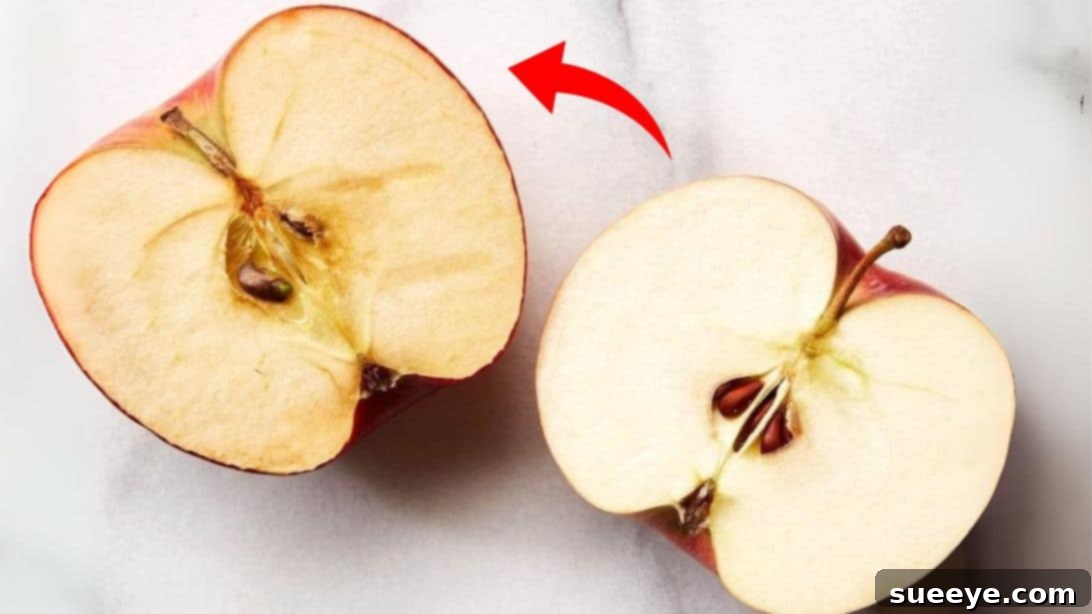
As the air turns crisp and leaves begin to change, the delightful aroma of apple orchards signals the arrival of apple season. For many, this time of year means indulging in beloved traditions of baking pies, crafting crisps, and whipping up delectable cakes. While these classic apple desserts like Delicious Baked Cinnamon Apples, Caramel Apple Pie Bombs, and a refreshing Fall Caramel Apple Milkshake are always a treat, the versatility of apples extends far beyond the dessert table. Apples are not only incredibly tasty and adaptable in countless recipes, but they are also packed with an impressive array of health benefits, making them a true superfood for overall wellness. Rich in dietary fiber and powerful antioxidants, this humble fruit offers more than just a sweet bite; it’s a nutritional powerhouse. Whether you enjoy them in a complex dessert or as a simple snack, understanding how to keep apples at their best will elevate your culinary experience and maximize their healthful properties.
The Unbeatable Health Benefits of Apples
The age-old adage, “An apple a day keeps the doctor away,” holds remarkable truth. Apples are a fantastic source of essential nutrients that contribute significantly to a healthy lifestyle. One of their most celebrated attributes is their high fiber content. Dietary fiber is crucial for digestive health, aiding in regular bowel movements and preventing constipation. It also contributes to a feeling of fullness, which can be beneficial for weight management by reducing overall calorie intake. Furthermore, the soluble fiber found in apples, specifically pectin, has been linked to lowering cholesterol levels and regulating blood sugar, making apples an excellent choice for heart health and diabetes management.
Beyond fiber, apples are brimming with antioxidants, particularly polyphenols. These powerful compounds combat oxidative stress in the body, which is a key factor in the development of chronic diseases like heart disease, certain cancers, and neurodegenerative disorders. Quercetin, a potent flavonoid found abundantly in apples, has anti-inflammatory and antiviral properties. Apples also provide a good source of Vitamin C, a vital nutrient for immune system function and skin health, and Vitamin K, which plays a role in blood clotting and bone health. To truly harness these incredible benefits, the best approach is to enjoy apples fresh and whole, with their skin intact.
Why the Skin is Key
It’s tempting to peel an apple before eating, especially when slicing it for children or certain recipes. However, the apple’s skin is where a significant concentration of its nutrients resides. A considerable portion of the fiber, antioxidants, and vitamins are found in or just beneath the peel. Removing the skin means you’re missing out on a substantial part of the apple’s health-promoting properties. Therefore, for maximum nutritional benefit, always try to consume apples with their skin on, after thoroughly washing them, of course. This simple practice ensures you’re getting the full spectrum of advantages this wonderful fruit has to offer.
Understanding and Combating Apple Browning
While enjoying fresh, crisp apple slices is a delight, there’s one common frustration that many home cooks and snack enthusiasts encounter: the rapid browning of cut apples. Within minutes of slicing, the pristine white flesh begins to turn an unappetizing brown, deterring many from preparing apples ahead of time. This phenomenon, known as enzymatic browning, is a natural chemical reaction and a perfectly harmless process, but it certainly diminishes the visual appeal and can slightly alter the texture and flavor perception.
The Science Behind the Browning
The browning of apples occurs when the fruit’s internal cells are exposed to oxygen in the air. Apples contain an enzyme called polyphenol oxidase (PPO), which reacts with naturally occurring phenolic compounds within the apple when oxygen is present. This reaction produces melanin, a pigment that causes the brown discoloration. It’s the same process that causes avocados or bananas to brown after being cut. While the browned fruit is still safe to eat, its fresh, crisp appeal is unfortunately lost. This common problem makes it challenging to pack sliced apples for lunchboxes, prepare fruit platters in advance, or enjoy apples as a convenient grab-and-go snack.
Fortunately, extensive research and practical experience have yielded several highly effective methods to prevent or significantly delay this browning process. One particularly simple and brilliant solution, shared by the School Nutrition Association, involves a basic ingredient found in every kitchen: salt. This method is incredibly effective and doesn’t impart any noticeable salty flavor to the apples if done correctly. Let’s delve into this ingenious technique and ensure your sliced apples remain perfectly fresh and inviting for longer.
The Ultimate Saltwater Soak Method to Keep Apples From Turning Brown
This simple yet highly effective method utilizes a mild saltwater solution to create an environment where the enzymes responsible for browning cannot react with oxygen. The salt acts as an enzyme inhibitor, effectively slowing down or stopping the oxidation process without affecting the apple’s taste or texture, making it an ideal choice for meal prepping and everyday snacking. The School Nutrition Association has perfected this technique, making it accessible and easy for anyone to implement.
What You Need to Keep Apples From Turning Brown
- Salt: Regular table salt or kosher salt works perfectly.
- Water: Cold tap water is sufficient.
- Large Container or Bowl: Big enough to submerge your apple slices.
- Airtight Container: For storing the treated apple slices in the refrigerator.
Step-by-Step Guide to Preventing Apple Browning
Step 1: Prepare the Saltwater Solution
Begin by filling a large container or bowl with one gallon of cold water. Precision is key here for optimal results; measure out half a teaspoon of salt. Add the salt to the water and whisk thoroughly until the salt is completely dissolved. It’s crucial that the salt is evenly distributed throughout the water to ensure consistent treatment of the apple slices. This seemingly small amount of salt is enough to inhibit the browning enzymes without imparting any unwanted flavor to your fruit.
Step 2: Prepare Your Apples
Select fresh, firm apples for this process. Wash them thoroughly. Then, core each apple and slice them into your desired wedges or pieces. Remember, for maximum nutritional benefit, there’s no need to peel the apples; the skin is rich in fiber and antioxidants. Ensure your slices are uniform in size to allow for even treatment in the saltwater solution.
Step 3: Soak the Apple Slices
Carefully add the prepared apple slices into the saltwater solution. Make sure that all the flesh parts of the apples are completely submerged in the water. You may need to gently push them down or place a light plate on top to keep them immersed. Allow the apple slices to sit in the solution for a full 5 minutes. This soaking time is critical for the salt to work its magic and create a protective barrier against oxidation.
Step 4: Drain, Store, and Enjoy
After 5 minutes, carefully drain the apple slices from the saltwater solution. It is crucial not to rinse them with fresh water afterward, as this would wash away the protective salt residue and negate the browning prevention. Once drained, transfer the apples into an airtight container. Cover the container with its lid, ensuring it is tightly sealed to minimize air exposure. Place the sealed container in your refrigerator. Following this method, your apple slices should stay remarkably fresh, crisp, and free from browning for approximately 3 days, making them perfect for lunchboxes, snacks, or prepped ingredients.
Other Effective Methods to Keep Apples Freshly Sliced
While the saltwater soak is highly effective and recommended, there are several other proven methods you can employ to keep your sliced apples from turning brown. Each method works by either creating an acidic environment, a physical barrier, or introducing antioxidants that interrupt the enzymatic browning process. Exploring these options gives you flexibility depending on the ingredients you have on hand and your preferences.
Lemon Juice or Other Citrus Solutions
This is perhaps the most widely known method. The ascorbic acid (Vitamin C) in lemon juice acts as a potent antioxidant, and its acidity lowers the pH of the apple’s surface, inhibiting the PPO enzyme.
- How to use: Lightly brush or spray diluted lemon juice over the apple slices, or soak them in a bowl of water with a tablespoon of lemon juice for 3-5 minutes.
- Pros: Very effective, readily available.
- Cons: Can impart a subtle lemony flavor, which might not be desirable for all recipes.
Honey Water Solution
Honey contains a compound that inhibits polyphenol oxidase. It’s a natural and sweet alternative to lemon juice.
- How to use: Mix two tablespoons of honey into one cup of water. Soak apple slices for about 30 seconds to a minute, then drain.
- Pros: Natural, adds a very subtle sweetness, no strong flavor change.
- Cons: Might be slightly sticky, some people prefer not to add extra sugar.
Club Soda or Ginger Ale Soak
The carbonation in club soda or ginger ale creates a barrier on the apple’s surface, limiting oxygen exposure. Some sodas also contain citric acid.
- How to use: Submerge apple slices in club soda or ginger ale for a few minutes.
- Pros: Quick, often doesn’t alter flavor, convenient if you have these drinks on hand.
- Cons: May not be as effective for very long storage periods as other methods.
Ascorbic Acid Powder or Vitamin C Tablets
For a pure and tasteless antioxidant boost, ascorbic acid is highly effective.
- How to use: Dissolve 1/2 teaspoon of ascorbic acid powder (or crushed Vitamin C tablets) in 1 cup of water. Soak apple slices for 3-5 minutes, then drain.
- Pros: Very effective, virtually no flavor change, strong antioxidant properties.
- Cons: Requires purchasing ascorbic acid, less common in every pantry.
Commercial Produce Preservers
Several brands offer commercial solutions specifically designed to prevent fruit browning. These typically contain a blend of citric acid and other antioxidants.
- How to use: Follow the product instructions, usually involving a quick dip or spray.
- Pros: Very effective, convenient.
- Cons: Can be more expensive, less “natural” if you prefer whole-food ingredients.
Vacuum Sealing
For the longest possible freshness without any added ingredients, vacuum sealing is an excellent option.
- How to use: Place apple slices in a vacuum seal bag and use a vacuum sealer to remove all air.
- Pros: Extremely effective for preventing browning and extending freshness; no flavor alteration.
- Cons: Requires specialized equipment (a vacuum sealer).
Choosing the Right Apples for Slicing and Storage
While all apples will eventually brown, some varieties are naturally more resistant to oxidation due to their lower PPO enzyme activity or higher natural acidity. When planning to slice apples ahead of time, opting for these varieties can give you a head start in preventing discoloration.
- Granny Smith: Known for their tartness and crisp texture, Granny Smiths are also excellent at resisting browning due to their high acidity.
- Honeycrisp: A popular choice for snacking, Honeycrisps maintain their color and crunch well after slicing.
- Gala: Sweet and crisp, Gala apples also tend to brown slower than many other varieties.
- Fuji: With their firm texture and sweet flavor, Fuji apples are another good option for pre-sliced preparations.
Always select apples that are firm to the touch and free of bruises or soft spots, as these indicate damage that can accelerate browning and spoilage.
Maximizing the Freshness of Whole Apples
Before you even think about slicing, knowing how to store whole apples properly can significantly extend their shelf life and ensure they remain crisp and delicious for weeks. Proper storage is the first step in enjoying fresh apples, whether whole or sliced.
- Refrigeration is Key: Unlike many fruits, apples actually thrive in cold temperatures. Storing whole apples in the crisper drawer of your refrigerator is the best way to keep them fresh. The cold environment slows down the ripening process, preventing them from becoming mealy or soft.
- Separate Storage: Apples produce ethylene gas, a natural ripening agent. While this can be useful for ripening other fruits, it can also cause other produce (and even other apples) to spoil faster. Store apples separately from ethylene-sensitive fruits and vegetables like bananas, avocados, and broccoli to prolong their freshness.
- Avoid Washing Until Ready: Washing apples before storage can remove their natural protective wax coating and introduce moisture, which can encourage spoilage. Wash them just before you’re ready to eat or slice them.
Beyond Browning: Creative Ways to Enjoy Your Fresh Apples
With these effective browning prevention techniques in your arsenal, you can confidently prepare apples for a myriad of uses, expanding beyond traditional desserts. Imagine the possibilities for school lunches, office snacks, or elegant appetizers, all featuring perfectly pristine apple slices:
- Salads: Add crisp apple slices to green salads for a touch of sweetness and crunch. They pair wonderfully with walnuts, blue cheese, and a light vinaigrette. Think Waldorf salad or a modern kale and apple creation.
- Savory Dishes: Apples complement savory flavors surprisingly well. Incorporate slices into pork roasts, chicken dishes, or even stuffings for a hint of sweetness and acidity.
- Snack Platters: Prepare beautiful fruit and cheese platters with bright, unbrowned apple slices alongside grapes, crackers, and various cheeses.
- Healthy Snacks: Simply enjoy apple slices with a dollop of peanut butter, almond butter, or a sprinkle of cinnamon for a quick, nutritious, and satisfying snack.
- Breakfast Bowls: Garnish your oatmeal, yogurt, or smoothie bowls with fresh apple slices for added texture and nutrients.
RELATED: The Only Way to Tell If a Pineapple Is Ripe
Conclusion: Enjoying Apples to Their Fullest
Apples are an extraordinary fruit, offering a delightful combination of taste, versatility, and robust health benefits. From their fiber-rich flesh to their antioxidant-packed skin, every bite contributes to your well-being. The common challenge of browning, once a deterrent, is now easily overcome with simple, effective methods like the saltwater soak. By understanding the science behind browning and implementing these practical tips, you can ensure your sliced apples remain as appealing and nutritious as the moment they were cut. So, embrace apple season with confidence, prepare your favorite desserts, experiment with new recipes, and always have fresh, vibrant apple slices ready to enjoy. Cheers to enjoying perfectly crisp, unbrowned apples, all season long and beyond!