
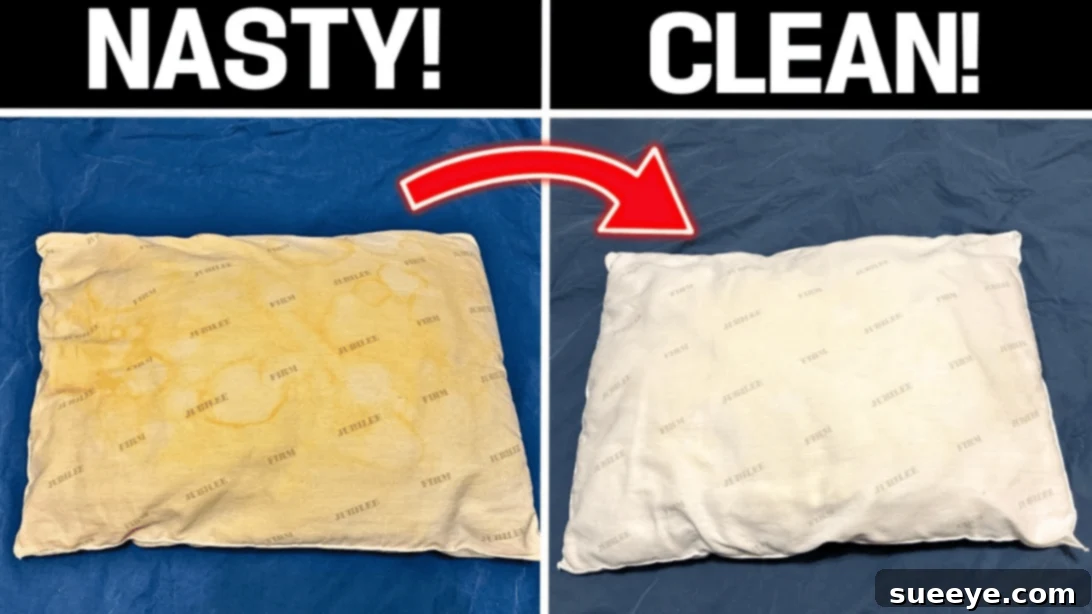
There’s nothing quite like sinking into a bed adorned with fresh, fluffy pillows at the end of a long day. As someone who’s particularly selective about pillow comfort and quality, I understand the profound impact a perfect pillow has on a good night’s sleep. However, maintaining that pristine comfort and aesthetic often proves to be a challenge. Over time, pillows can lose their loft, accumulate sweat and oils, and develop unsightly yellow stains, transforming them from cozy cloud-like supports into rather uninviting lumps. While taking care of your pillows can seem straightforward, it often presents unexpected difficulties, especially if you overlook those crucial cleaning instructions found on the care tag.
Without the right cleaning approach, it’s incredibly easy to inadvertently damage your pillows, leading to premature wear and tear or even ruining their delicate structure. But fear not! This comprehensive guide is designed to help you reclaim those bright, fluffy pillows you adore. We’ll delve into a highly effective cleaning and whitening method, inspired by the expert insights from Clean With Confidence on YouTube, ensuring your pillows look and feel brand new. Say goodbye to yellowing and hello to a revitalized sleep sanctuary, all through a few simple yet powerful steps!
How to Restore Your Pillows: The Ultimate Guide to Cleaning and Whitening for a Fluffy, Fresh Sleep
Pillows are an essential part of our daily lives, providing comfort and support for hours each night. Yet, they are often the most neglected items in our bedding arsenal when it comes to regular cleaning. While we regularly wash our sheets and pillowcases, the pillows themselves can become a breeding ground for dust mites, allergens, and bacteria, not to mention accumulating body oils, sweat, and drool that lead to stubborn yellow stains and an overall dingy appearance. Beyond the aesthetic appeal, a clean pillow plays a vital role in our health and well-being. Regular cleaning and whitening not only extend the life of your pillows but also contribute to a healthier sleep environment, free from irritants that can trigger allergies or respiratory issues.
This guide will equip you with the knowledge and techniques to effectively deep clean and whiten your washable pillows, restoring them to their original glory. We’ll cover everything from essential materials to a detailed, step-by-step process that guarantees brilliant results. Get ready to transform your sleep experience with exceptionally clean, white, and wonderfully fluffy pillows!
Why Your Pillows Need Regular Cleaning and Whitening
Understanding the “why” behind pillow care is the first step towards better sleep hygiene. Your pillows are subjected to a nightly onslaught of body fluids, skin cells, and environmental particles. Over time, these accumulate within the pillow’s fibers, leading to several undesirable outcomes:
- Unsightliness: The most obvious sign is the yellowing and discoloration that develops over months of use. This is primarily due to sweat, body oils, and residual makeup or skincare products seeping through pillowcases.
- Health Concerns: Pillows are a favorite habitat for dust mites, microscopic creatures that thrive in warm, humid environments and feed on dead skin cells. Their waste products are common allergens, triggering asthma, eczema, and other allergic reactions. Additionally, bacteria and fungi can grow in dirty pillows, potentially leading to skin irritations or respiratory problems.
- Reduced Comfort and Support: The accumulation of moisture and debris can cause the pillow’s filling to clump and break down, leading to a loss of loft and support. A flat, lumpy pillow can contribute to neck pain, stiffness, and disrupted sleep.
- Shorter Lifespan: Neglecting proper care can significantly shorten the lifespan of your pillows, forcing you to replace them more frequently than necessary. Regular cleaning helps maintain the integrity of the filling and fabric.
By committing to a routine of deep cleaning and whitening, you’re not just improving the appearance of your bedding; you’re investing in your health, comfort, and the longevity of your sleep essentials.
Essential Supplies for Sparkling White Pillows
Before you embark on your pillow-reviving mission, gathering the right materials is crucial. This method relies on a few common household items known for their cleaning and whitening prowess. Here’s what you’ll need:
- Hydrogen Peroxide (3% solution): This readily available disinfectant and mild bleaching agent is excellent for pre-treating stains and brightening fabrics without the harshness of chlorine bleach. It works by breaking down organic matter and lifting discoloration, making it an ideal first step for yellowed pillows.
- High-Quality Laundry Detergent: Choose your preferred laundry detergent. A good quality detergent will effectively lift dirt, oils, and other residues from the pillow fibers. For best results, consider a detergent specifically designed for whites or one with stain-fighting enzymes.
- Dryer Balls (Wool or Plastic): These seemingly simple tools are invaluable for drying pillows. Dryer balls help to agitate the pillows in the dryer, preventing the filling from clumping, speeding up the drying process, and ensuring your pillows emerge wonderfully fluffy and evenly dried. They also reduce static.
- OxiClean (or similar oxygen bleach): OxiClean is a powerful oxygen-based stain remover and whitener. Unlike chlorine bleach, it’s generally safe for colors and many fabric types, making it an excellent choice for tackling stubborn stains and boosting overall brightness without damaging your pillows. It releases oxygen when mixed with water, which helps to break down stains and neutralize odors.
Step-by-Step Guide to Deep Clean and Whiten Your Pillows
With your materials ready, let’s dive into the process. Following these steps carefully will ensure your pillows get the thorough cleaning they deserve.
Step 1: Pre-Treatment and Preparation – The Foundation of Cleanliness
The very first and most critical step before any washing begins is to check the care tag on your pillows. This tiny label holds vital information about the pillow’s material and recommended cleaning instructions. While this guide is suitable for most washable pillows (like synthetic or down/feather), some types, such as memory foam or latex, may require different methods or spot cleaning only. Ignoring the care tag can lead to irreversible damage, so always consult it first.
Once you’ve confirmed your pillows are machine washable, it’s time for pre-treatment. For noticeable yellowing or specific stains, grab your hydrogen peroxide. Spray a generous amount directly onto the stained areas. Don’t be shy – saturate the spots well, ensuring the peroxide penetrates the fabric. Hydrogen peroxide acts as a gentle yet effective whitener and disinfectant, starting the breakdown of organic stains. Allow the hydrogen peroxide to sit and work its magic for at least 30 minutes. This dwell time is crucial for the solution to effectively lift and loosen embedded dirt and discoloration. While it’s sitting, you can prepare your washing machine for the next step.
Step 2: The Washing Machine Cycle – Thorough Cleaning
After the pre-treatment, it’s time to move your pillows to the washing machine. To ensure balanced washing and proper agitation, it’s best to wash two pillows at a time. This helps prevent the machine from becoming unbalanced and allows the pillows to move freely, ensuring a more thorough clean. If you only have one pillow to wash, you can add a few clean towels to balance the load.
Next, adjust your washing machine settings. Select a cycle designed for bulky items or bedding – this often involves a slower spin speed and more gentle agitation. Crucially, always use cool water for washing pillows. Hot water can cause certain fillings to clump or shrink, and it can also set some stains. Additionally, select an extra rinse cycle. Pillows tend to absorb a lot of water and detergent, and an extra rinse ensures all soap residues are thoroughly flushed out, preventing stiffness or skin irritation. You can use any high-quality laundry detergent you prefer, adding the recommended amount for a large load. Avoid over-sudsing, as excessive detergent can be difficult to rinse completely from thick pillow fillings. Once all settings are in place, start the wash cycle.
Step 3: Drying and Post-Treatment – Fluffiness and Final Whitening
Once the wash cycle is complete, carefully transfer your now-clean (but very wet) pillows to the dryer. This is where your dryer balls come into play! Place 2-3 dryer balls in the dryer along with your pillows. Dryer balls are essential because they help to beat and fluff the pillows as they tumble, preventing the filling from clumping together and ensuring even drying. They also create air pockets, significantly speeding up the drying process. Set your dryer to a low heat or air fluff setting. High heat can damage some pillow fillings and potentially bake in any remaining stains or odors.
Drying pillows can take a surprisingly long time, sometimes several hours. It’s vital that pillows are completely dry inside and out to prevent mildew growth. Periodically remove the pillows from the dryer, fluff them by hand, and feel for any damp spots. If you notice any remaining dampness, continue drying. Once dry, examine your pillows. If they’ve come out wonderfully white and fresh, congratulations – they’re ready for use! However, if you find that some stubborn stains or yellowing still persist, don’t despair. You can repeat the entire washing and drying process for a second cycle. This time, instead of hydrogen peroxide, pretreat the lingering stains with OxiClean. Mix OxiClean according to package directions to create a paste or spray, apply it generously to the remaining soiled areas, and let it sit for another 30 minutes before washing again with cool water and an extra rinse. OxiClean’s oxygen-based formula provides a powerful boost for tackling persistent discoloration. After this second wash, dry them thoroughly with dryer balls again. Your pillows should now be sparkling white, luxuriously fluffy, and ready to provide you with the restful sleep you deserve!
Beyond Whitening: Comprehensive Pillow Care Tips for Lasting Freshness
Achieving sparkling white pillows is a great accomplishment, but ongoing care is essential to maintain their freshness and extend their lifespan. Here are some invaluable tips for comprehensive pillow care:
- Use Pillow Protectors: This is arguably the most effective preventative measure. Pillow protectors act as a barrier between your pillowcase and the pillow itself, shielding it from sweat, oils, dust mites, and allergens. Choose waterproof or allergen-proof protectors for maximum protection. They are much easier to wash frequently than the pillow itself.
- Regular Washing Schedule: While deep cleaning and whitening might be an occasional task (every 3-6 months), your pillow protectors and pillowcases should be washed weekly. For the pillows themselves, aim to wash them every 3 to 6 months, depending on usage and how much you sweat.
- Airing Out Pillows: On a sunny, low-humidity day, take your pillows outside and let them air out for a few hours. The sun’s UV rays can help sanitize and refresh them naturally, killing bacteria and dust mites, and helping to remove lingering odors.
- Fluffing Daily: Take a moment each morning to fluff your pillows. This simple action redistributes the filling, helps maintain their loft and shape, and prevents clumping, ensuring consistent comfort and support.
- Spot Cleaning Minor Spills: For small, fresh spills, address them immediately with a damp cloth and a mild soap solution. Gently blot the area, then allow it to air dry completely before replacing the pillowcase. This can prevent minor incidents from turning into major stains.
- Rotate Pillows: If you use multiple pillows, rotate them regularly. This helps to distribute wear and tear evenly, preventing one pillow from flattening or degrading faster than the others.
Understanding Different Pillow Types and Their Cleaning Needs
It’s important to acknowledge that not all pillows are created equal when it comes to washing. This comprehensive whitening guide is most suitable for synthetic fiber pillows (like polyester fill) and down or feather pillows, which are generally machine washable. However, certain popular pillow types require different care:
- Memory Foam and Latex Pillows: These pillows should almost never be put in a washing machine. The intense agitation and water can break down their unique structure, causing them to disintegrate or lose their supportive properties. Instead, these types typically require spot cleaning with a mild detergent and water, followed by thorough air drying.
- Buckwheat and Millet Pillows: These are filled with natural hulls and should never be washed. The hulls must be emptied, and the cover can then be washed separately.
Always consult your pillow’s care label to confirm its specific cleaning recommendations. When in doubt, err on the side of caution or seek professional cleaning advice.
Troubleshooting Common Pillow Cleaning Issues
Even with the best intentions, you might encounter a few hurdles during the pillow cleaning process. Here’s how to address some common issues:
- Pillows Still Appear Yellow After Washing: If the yellowing persists even after a double wash with OxiClean, the stains might be deeply set and very old. At this point, you might consider if the pillow has reached the end of its life, as some discoloration is simply irreversible. For minor remaining tints, repeated washing cycles or a stronger oxygen booster (following product instructions) might help, but be mindful of fabric wear.
- Pillows Smell Damp or Musty After Drying: This almost always indicates that the pillow was not dried completely. Even a slight amount of residual moisture can lead to mildew and an unpleasant odor. Immediately re-dry the pillow on a low-heat setting with dryer balls, potentially for several hours, ensuring it’s bone-dry. Sunlight exposure can also help eliminate mustiness.
- Pillow Filling Clumps or Becomes Lumpy: This is a common issue if dryer balls aren’t used or if the pillow isn’t fluffed frequently during drying. If your pillow still feels lumpy after drying, try to manually break up the clumps by gently massaging and patting the pillow. Regular use of dryer balls in subsequent washes should prevent this.
- Pillow Lost its Loft: Over time, all pillow fillings compress. While cleaning can help refresh and fluff them, if a pillow has significantly lost its loft, it might be an indication that it’s time for a replacement.
FAQs About Pillow Cleaning and Whitening
Here are answers to some frequently asked questions about maintaining clean and white pillows:
Q: Can I use chlorine bleach to whiten my pillows?
A: While chlorine bleach is a powerful whitener, it’s generally not recommended for pillows. It can be too harsh, potentially damaging the fabric and filling, leading to premature breakdown and weakening of fibers. For down and feather pillows, chlorine bleach can strip natural oils, making them brittle. Hydrogen peroxide and OxiClean are safer, gentler, and highly effective alternatives.
Q: How often should I wash my pillows?
A: For optimal hygiene and to prevent significant yellowing, most experts recommend washing your pillows every 3 to 6 months. If you suffer from allergies or sweat heavily, you might consider more frequent washing (every 2-3 months). Pillow protectors, however, should be washed weekly along with your sheets.
Q: Can I wash memory foam pillows?
A: Generally, no. Memory foam pillows should not be submerged in water or put in a washing machine, as it can destroy their cellular structure. Most memory foam pillows only allow for spot cleaning with a damp cloth and mild detergent, followed by thorough air drying. Always check the specific care tag for your memory foam pillow.
Q: How do I know when it’s time to replace my pillows?
A: A good rule of thumb is to fold your pillow in half. If it doesn’t spring back to its original shape, it’s likely lost its support and is ready for retirement. Other signs include persistent lumps, visible wear and tear, permanent odors, or if you consistently wake up with neck pain.
Q: Are dryer balls really necessary?
A: While you can dry pillows without them, dryer balls are highly recommended. They significantly improve the drying process by preventing clumping, speeding up drying time, and ensuring the pillows are evenly fluffed and completely dry. This helps prevent mildew and keeps your pillows feeling soft and supportive.
The Transformative Power of a Clean Pillow
Embarking on the journey to clean and whiten your pillows is more than just a chore; it’s an investment in your sleep quality, health, and overall well-being. By following these detailed steps, you’re not only restoring the aesthetic appeal of your bedding but also creating a cleaner, more hygienic, and more inviting sleep environment. Imagine the satisfaction of resting your head on a pillow that feels as fresh and fluffy as the day you bought it, free from stains, odors, and hidden allergens. With a little care and the right techniques, you can enjoy the luxurious comfort of perfectly clean, white pillows night after night. So go ahead, give your pillows the spa treatment they deserve, and prepare to experience the transformative power of truly clean sleep!
*All these amazing images are thanks to Clean With Confidence via YouTube. Do visit his channel to see more videos like this!
RELATED: How to Whiten White Shoes