
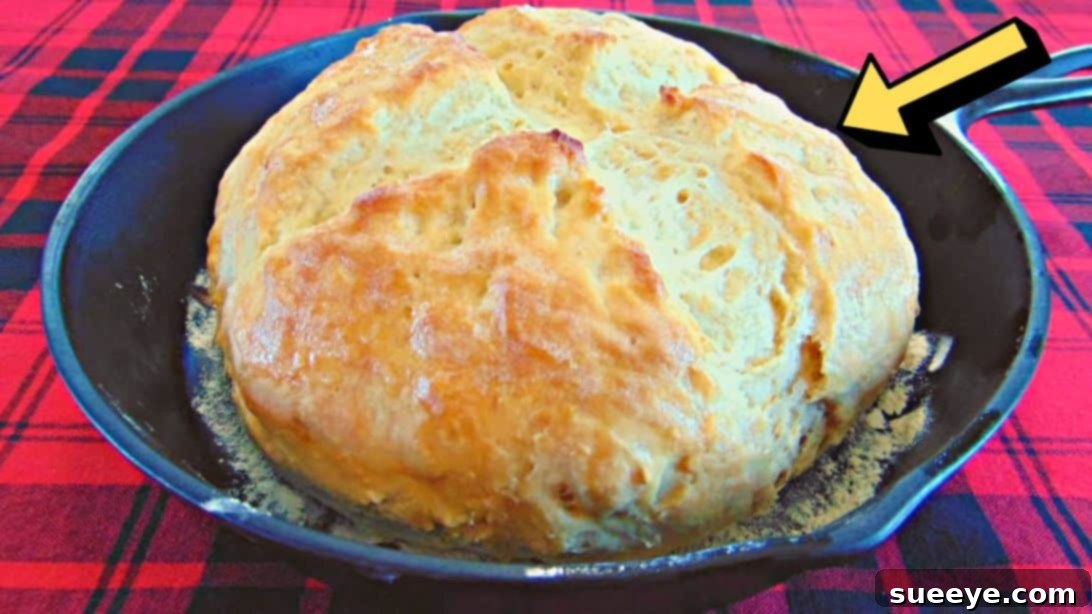
4-Ingredient No-Fail Irish Soda Bread Recipe: Your Quick & Easy Homemade Bread
Discover the ultimate secret to baking incredibly delicious, homemade bread with minimal effort: the 4-Ingredient No-Fail Irish Soda Bread. This beloved recipe, famously shared by The Hillbilly Kitchen – Down Home Country Cooking on YouTube, is renowned for its speed, simplicity, and consistently perfect results. Forget complicated kneading and lengthy proofing times; this soda bread comes together in minutes, making it the fastest and easiest bread you can master. Ideal for busy weekdays or a relaxing weekend brunch, its rustic charm and comforting flavor make it an instant family favorite. Whether you’re a seasoned baker or just starting your culinary journey, this foolproof recipe promises a golden, crusty loaf every time. Perfect for pairing with hearty soups, spreading with your favorite jam, or elevating any sandwich, you’ll find yourself wanting to bake this delectable bread for breakfast, lunch, and dinner.
Why Choose Irish Soda Bread? The Appeal of Simplicity
Irish Soda Bread stands out in the world of baking for several compelling reasons. Its primary allure lies in its remarkable simplicity and speed. Unlike traditional yeast breads that demand extensive kneading and multiple proofing stages, soda bread relies on a chemical reaction between baking soda and an acidic ingredient, typically buttermilk, to achieve its rise. This means no waiting for yeast to activate, no laborious kneading sessions, and fresh bread on your table in under an hour from start to finish. This makes it an ideal choice for:
- Beginner Bakers: With just a few basic ingredients and straightforward steps, it’s virtually impossible to fail, boosting confidence in the kitchen.
- Time-Pressed Cooks: When unexpected guests arrive or you need a quick accompaniment for dinner, soda bread is your go-to.
- Rustic Charm: Its distinctive cross-scored top and wholesome texture bring a touch of traditional, down-home comfort to any meal.
- Versatility: It serves as a blank canvas for countless variations, easily transforming from a sweet treat to a savory side dish.
Embrace the joy of baking fresh bread without the fuss, and experience why Irish Soda Bread remains a cherished staple in kitchens worldwide.
The Rich History of Irish Soda Bread
The story of Irish soda bread is as rich and comforting as the bread itself, deeply intertwined with Ireland’s culinary heritage. While often associated with Ireland, the use of soda as a leavening agent was actually pioneered by Native Americans. However, it was in 19th-century Ireland, amidst periods of economic hardship and limited resources, that soda bread became a staple. Flour, salt, baking soda, and sour milk (buttermilk was often readily available from churning butter) were cheap and accessible ingredients, making this simple loaf a cornerstone of the Irish diet.
The traditional method involved cooking the dough on a griddle or in a bastible (a cast-iron pot) over an open fire, giving it a dense texture and a distinct flavor. The iconic cross carved into the top of the loaf wasn’t just decorative; it served practical purposes, allowing the heat to penetrate more evenly and making it easier to break into four quarters. Folklore also suggests it was a way to ward off evil spirits or bless the bread. Today, while often baked in modern ovens, Irish soda bread continues to symbolize simplicity, resilience, and hearty tradition, celebrated globally, especially around St. Patrick’s Day.
Ingredients: Simple Steps to Homemade Goodness
One of the beauties of this soda bread recipe is its minimal ingredient list, focusing on quality components that deliver maximum flavor and texture. For a truly authentic and delicious loaf, gather the following:
- 4 cups of all-purpose flour or bread flour: All-purpose flour yields a softer crumb, while bread flour offers a slightly chewier texture. Choose what you prefer!
- 2 cups of whole buttermilk: This is the star ingredient, providing the essential acid to react with the baking soda and giving the bread its characteristic tang and tender crumb.
- 1-1½ tsp of baking soda: The leavening agent that makes the bread rise quickly without yeast.
- 1 tsp of salt: Enhances the flavor of all the other ingredients.
Optional additions for enhanced flavor and texture:
- 1 egg: Adds richness, a slightly softer crumb, and a golden hue to the crust.
- 2 tbsp of butter: Incorporating melted butter can make the bread more tender and flavorful.
- 2 tbsp of sugar or honey: For a sweeter loaf, perfect for breakfast or dessert pairings.
These optional ingredients allow you to customize your soda bread to your liking, from a purely traditional savory loaf to a slightly sweeter, richer version.
Directions: Baking Your Perfect Loaf
Baking this Irish soda bread is incredibly straightforward, designed for efficiency and delicious results. Follow these simple steps for a golden, crusty loaf:
Step 1: Prepare the Dough
In a large mixing bowl, combine your dry ingredients first: the all-purpose flour, salt, and baking soda. Whisk them together briefly to ensure even distribution. Next, pour in the whole buttermilk. If you’re including any optional wet ingredients like a beaten egg or melted butter, add them with the buttermilk. Using a sturdy spoon or your hands, gently mix all the ingredients until they just come together to form a shaggy dough. Be careful not to overmix; overworking the dough can lead to a tough bread. Once it forms a cohesive ball, transfer it to a lightly floured surface or directly into your prepared skillet.
Prepare your baking vessel: traditionally, soda bread is baked in a cast-iron skillet, which helps create a beautifully crisp crust. Lightly flour the bottom of a skillet pan, then carefully place your dough ball at the center. Ensure there’s a little space between the dough and the sides of the pan. Now, score the top of the dough: using a sharp knife, make a large “X” or cross pattern across the center, extending almost to the edges. This traditional scoring allows the bread to expand evenly while baking and helps release steam. For an extra rustic touch, poke a few more holes with your knife around the dough’s surface. Finally, if you have any leftover buttermilk (or a splash of regular milk), rub a little at the top of the dough; this helps create a beautiful golden-brown crust.
Step 2: Bake to Golden Perfection
While you’re preparing your dough, preheat your oven to a high temperature of 425°F (220°C). Allow it to preheat for at least 15 minutes to ensure it reaches and maintains the correct temperature. This initial high heat helps create a beautiful crust and gives the bread a good initial rise. Once the oven is ready, carefully place your skillet with the dough inside. Immediately after placing the bread in the oven, reduce the temperature to about 350°F (175°C).
Let the bread bake for approximately 30 to 40 minutes. The exact baking time can vary slightly depending on your oven and the thickness of your loaf. To check for doneness, look for a deep golden-brown crust. You can also tap the bottom of the loaf; if it sounds hollow, it’s a good sign that it’s cooked through. Another indicator is an internal temperature of around 200-210°F (93-99°C) if you use a thermometer. Once baked, carefully remove the bread from the oven and transfer it to a wire rack to cool completely. Allowing it to cool on a rack prevents the bottom from becoming soggy, preserving that wonderful crust. Serve warm with your favorite accompaniments and enjoy your homemade masterpiece!
Tips for Baking the Perfect Soda Bread
While Irish soda bread is known for being forgiving, a few simple tips can elevate your loaf from good to absolutely perfect:
- Don’t Overmix the Dough: This is the golden rule of soda bread. Once the wet and dry ingredients are combined, mix just enough until a shaggy dough forms. Overmixing develops the gluten in the flour, resulting in a tough, dense bread rather than a tender, crumbly one.
- Use Real Buttermilk: For the best flavor and rise, authentic buttermilk is key. Its acidity reacts perfectly with the baking soda. If you don’t have buttermilk, you can make a substitute by adding 1 tablespoon of lemon juice or white vinegar to a measuring cup, then filling it with regular milk to the 1-cup mark. Let it sit for 5-10 minutes until it slightly curdles.
- Handle the Dough Gently: After mixing, turn the dough out onto a lightly floured surface and gently pat or shape it into a round. Avoid excessive handling or kneading.
- Score Deeply: The “X” cut on top isn’t just for tradition; it allows heat to penetrate the center of the loaf more effectively, ensuring even baking, and helps the bread rise properly without cracking uncontrollably. Cut about two-thirds of the way through the dough.
- Preheat Your Oven Properly: Starting with a hot oven (425°F/220°C) helps the bread get a good initial lift and forms a lovely crust. Reducing the temperature (to 350°F/175°C) allows the interior to cook through without burning the outside.
- Check for Doneness: The bread should have a rich golden-brown crust and sound hollow when tapped on the bottom. An instant-read thermometer inserted into the center should read about 200-210°F (93-99°C).
- Cool on a Wire Rack: As soon as the bread comes out of the oven, transfer it to a wire rack. This allows air to circulate around the entire loaf, preventing the bottom from becoming soggy and preserving its crisp crust.
Variations and Add-ins to Try
The basic Irish soda bread recipe is fantastic on its own, but it also serves as a wonderful canvas for culinary creativity. Here are some popular variations and add-ins to personalize your loaf:
- Sweet Variations:
- Raisin/Currant Soda Bread: Add ½ to 1 cup of raisins or currants to the dry ingredients for a classic sweet Irish tea bread.
- Orange Zest & Caraway Seeds: For a fragrant twist, incorporate 1 tablespoon of orange zest and 1-2 teaspoons of caraway seeds.
- Honey & Sugar: Increase the optional sugar or honey to 1/4 cup and add a pinch of cinnamon for a sweeter, dessert-like bread.
- Savory Enhancements:
- Herb & Cheese: Mix in ½ cup of shredded cheddar cheese and 2 tablespoons of fresh chopped herbs like rosemary, thyme, or chives.
- Onion & Garlic: Sauté a small chopped onion and 1-2 cloves of minced garlic until translucent, then add to the dough for an aromatic savory bread.
- Sun-Dried Tomato & Olive: Chop ½ cup of sun-dried tomatoes (oil-packed, drained) and ¼ cup of Kalamata olives, then fold into the dough.
- Flour Alternatives:
- Whole Wheat Soda Bread: Substitute up to half of the all-purpose flour with whole wheat flour for a nuttier flavor and denser texture. You might need a little extra buttermilk as whole wheat flour absorbs more liquid.
- Oatmeal Soda Bread: Replace about ½ cup of flour with rolled oats for added texture and a wholesome touch.
Experiment with these additions to find your favorite combination and make this versatile bread truly your own!
Serving Suggestions: What to Pair with Your Soda Bread
Irish soda bread is incredibly versatile and can be enjoyed at any meal, complementing both sweet and savory dishes. Its slightly dense yet tender crumb and distinctive flavor make it a perfect companion for a wide range of foods:
- With Soups and Stews: There’s no better partner for a hearty bowl of soup or stew than a slice of warm soda bread. Its robust texture is perfect for soaking up rich broths. Try it with:
- Traditional Irish Stew or Beef Stew
- Creamy Tomato Soup or Butternut Squash Soup
- Lentil or Minestrone Soup
- Chili or Goulash
- For Breakfast or Brunch: A slice of soda bread toasted or fresh, makes a delightful start to the day.
- Spread with Irish butter, jam, marmalade, or honey.
- Alongside scrambled eggs, bacon, or a full Irish breakfast.
- With cream cheese and smoked salmon.
- As a Side for Dinner: Serve it warm with a pat of butter alongside your main course.
- With roasted chicken or pork.
- Alongside a fresh green salad.
- As an accompaniment to cheese boards.
- With Tea or Coffee: A slightly sweeter variation of soda bread, perhaps with raisins, is excellent with your afternoon tea or coffee.
- Sandwiches: Its sturdy structure makes it perfect for sandwiches. Use it for deli meats, cheese, or even leftover roast.
However you choose to enjoy it, Irish soda bread adds a touch of homemade goodness to any dining experience.
Frequently Asked Questions (FAQ) About Soda Bread
For those new to baking soda bread or looking to perfect their technique, here are answers to some common questions:
- Q: Can I use regular milk instead of buttermilk?
A: While buttermilk is ideal for its acidity and traditional flavor, you can create a substitute. Add 1 tablespoon of lemon juice or white vinegar to a liquid measuring cup, then fill it with regular milk (whole milk works best) up to the 1-cup line. Let it sit for 5-10 minutes until it curdles slightly. This “soured milk” will react with the baking soda similarly to buttermilk. - Q: Do I have to knead soda bread?
A: Absolutely not! In fact, you should avoid kneading soda bread. Overworking the dough develops gluten, which will result in a tough, dense loaf rather than the desired tender crumb. Just mix until the ingredients are combined and then gently shape. - Q: Why is there an “X” on top of the bread?
A: The cross has both practical and traditional significance. Practically, it allows the heat to penetrate the loaf more evenly, helping it to cook through, and helps the bread expand without cracking. Traditionally, it was believed to ward off evil spirits or bless the bread, ensuring a good bake. - Q: How do I store soda bread?
A: Soda bread is best eaten fresh on the day it’s baked, as it can dry out quickly. Store any leftovers wrapped tightly in foil or plastic wrap, or in an airtight container at room temperature for up to 2-3 days. - Q: Can I freeze soda bread?
A: Yes, you can! To freeze, allow the baked bread to cool completely. Wrap it tightly in plastic wrap, then in aluminum foil. It can be frozen for up to 1-2 months. Thaw at room temperature, and for a refresh, you can warm it briefly in a preheated oven. - Q: Why did my soda bread turn out dense or hard?
A: The most common reasons are overmixing the dough, using too much flour (which can dry it out), or not enough buttermilk/acidity to activate the baking soda properly. Ensure you measure ingredients accurately and handle the dough minimally.
Conclusion: Your New Go-To Bread Recipe
Congratulations! You now hold the secret to baking one of the easiest, fastest, and most delicious breads out there. This 4-ingredient, no-fail Irish Soda Bread recipe, inspired by the wonderful teachings of The Hillbilly Kitchen, is more than just a recipe; it’s an invitation to experience the joy of homemade bread without any of the usual fuss. From its humble origins to its comforting presence on modern tables, soda bread embodies simplicity, tradition, and pure, unadulterated flavor. Whether you’re making it for a special occasion or simply to enjoy a fresh slice with your morning coffee, this recipe promises delightful results every time. So go ahead, gather your ingredients, follow these straightforward steps, and get ready to enjoy a warm, crusty loaf that will surely become a staple in your kitchen. Happy baking!
*Thanks to The Hillbilly Kitchen – Down Home Country Cooking via YouTube for all images used here. If you loved this recipe, then you’ll surely love her other video tutorials too, so give her channel a visit and subscribe!