
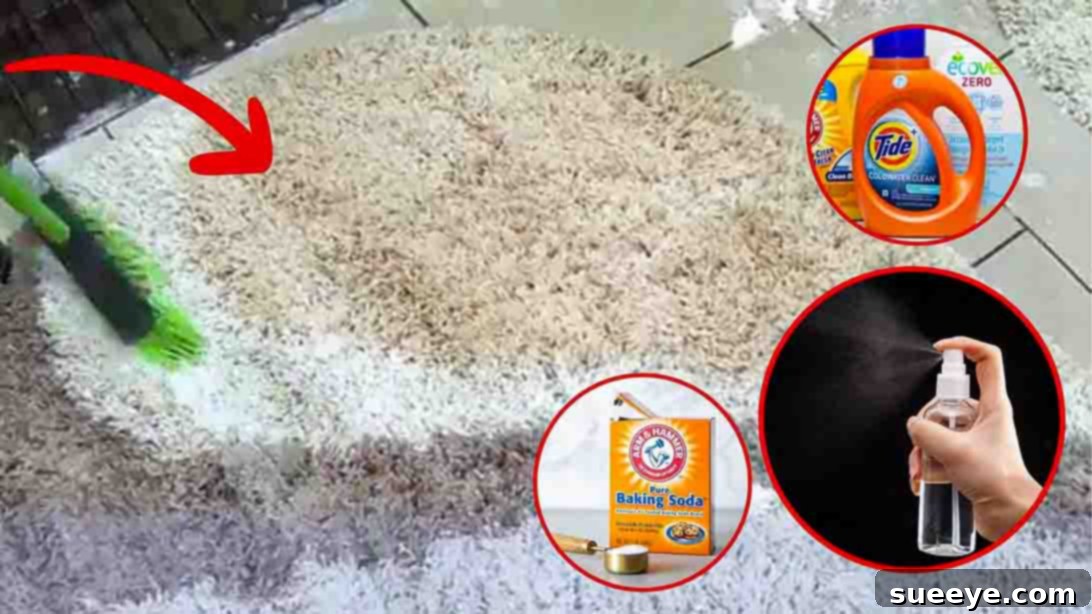
Transforming your home environment often starts with the often-overlooked carpets. They endure daily foot traffic, spills, and general wear, accumulating dirt and allergens that can affect the overall cleanliness and air quality of your living space. While professional carpet cleaning services and advanced machines offer powerful solutions, they often come with a significant cost and the inconvenience of scheduling. What if you could achieve a remarkably deep clean for your carpets right at home, without investing in expensive equipment or hiring external help? This guide introduces a revolutionary, budget-friendly, and highly effective method to deep clean your carpets using simple household items and a bit of elbow grease.
Inspired by the practical insights from Best Cleaning Tools on YouTube, this DIY approach promises professional-level results without the hefty price tag. It’s a method that prioritizes accessibility and efficiency, making deep carpet cleaning a feasible task for anyone. Forget about renting bulky machines or dealing with complicated instructions; this technique is straightforward, uses readily available materials, and puts you in control of your carpet’s cleanliness. While it may require a little more time and effort compared to automated processes, the satisfaction of a freshly cleaned carpet, achieved entirely by your own hands, is truly rewarding. Prepare to revitalize your carpets and breathe new life into your home with this fantastic, machine-free cleaning solution.
Why Choose This Machine-Free Carpet Cleaning Method?
In a world full of specialized gadgets and services, opting for a traditional, machine-free carpet cleaning method might seem counterintuitive. However, this approach offers a myriad of benefits that make it an incredibly attractive option for homeowners looking for effective, economical, and environmentally conscious solutions.
Cost-Effectiveness at Its Best
One of the most compelling reasons to choose this method is the significant cost savings. Renting a carpet cleaning machine can easily cost a substantial amount for a single day, not to mention the specialized cleaning solutions that often come with them. Professional services, while convenient, are even more expensive, often charging per square foot. This DIY method leverages common household items like baking soda, salt, and standard detergent, most of which you likely already have. This dramatically reduces your expenditure, allowing you to achieve a deep clean without breaking the bank. It’s an investment in cleanliness, not in equipment.
Accessibility and Simplicity
The beauty of this method lies in its simplicity and accessibility. You don’t need any technical know-how to operate complex machinery. The steps are straightforward and easy to follow, making it suitable for anyone, regardless of their cleaning experience. All the tools required are basic and can be found in almost any home or easily purchased from a local grocery store. This means you can tackle a dirty carpet whenever you notice it, without waiting for a rental machine to become available or for a professional appointment.
Gentle Yet Effective Cleaning
Many heavy-duty carpet cleaning machines use harsh chemicals and aggressive scrubbing mechanisms that, over time, can damage carpet fibers or leave behind residues. This hand-cleaning method, using a bristle brush and a mild detergent solution alongside natural ingredients like baking soda and salt, is much gentler on your carpet. Baking soda is renowned for its natural deodorizing and mild abrasive properties, while salt aids in lifting dirt without being overly harsh. This ensures a thorough clean that preserves the integrity and lifespan of your carpet.
Environmentally Friendly Options
By relying on natural and widely available ingredients, this method tends to be more environmentally friendly than many commercial alternatives. You reduce your carbon footprint by avoiding the energy consumption of large machines and minimizing the use of strong chemical detergents that can be harmful to wastewater systems. Using less water and focusing on targeted cleaning further contributes to a more sustainable approach to home maintenance.
Deep Cleaning and Odor Elimination
This technique doesn’t just surface clean; it actively works to penetrate deep into the carpet fibers. The combination of baking soda, salt, and detergent loosens embedded dirt, grime, and odors. Baking soda is particularly effective at absorbing and neutralizing smells, leaving your carpet not just visibly cleaner but also fresher. The scrubbing action with the bristle brush ensures that even stubborn particles are dislodged and can be effectively removed.
Flexibility and Control
When you clean your carpet by hand, you have complete control over the process. You can focus on heavily soiled areas, adjust the amount of scrubbing pressure, and ensure thorough rinsing. This level of personalized attention is often difficult to achieve with automated machines. It allows you to address specific problem areas with precision, leading to a more satisfying and comprehensive clean across your entire carpeted area.
In essence, this machine-free carpet cleaning method offers a powerful, practical, and eco-conscious alternative to conventional methods. It empowers you to maintain a pristine home environment efficiently and affordably, proving that sometimes, the best solutions are the simplest ones.
Materials You’ll Need:
Gathering the right materials before you begin ensures a smooth and uninterrupted cleaning process. The beauty of this method lies in its reliance on common household staples, making it incredibly accessible and cost-effective. Here’s what you’ll need, along with a brief explanation of each item’s role:
- Baking Soda: This versatile household hero acts as a natural deodorizer and a mild abrasive. It helps to absorb odors, lift grime, and break down tough stains, preparing them for removal.
- Spray Bottle: Essential for evenly distributing your cleaning solution. A standard, clean spray bottle will work perfectly to mist the carpet without oversaturating it.
- Table Salt: Beyond its culinary uses, table salt provides a gentle abrasive quality that aids in scrubbing. It works with the baking soda to loosen dirt particles from the carpet fibers, making them easier to brush away.
- Rags (Plenty of them): You’ll need several clean, absorbent rags. Microfiber towels or old cotton t-shirts work wonderfully. These are crucial for soaking up excess moisture and lifted dirt during the cleaning and rinsing stages.
- Water: Both for mixing your detergent solution and for the final rinse. Ensure you have access to clean, fresh water throughout the process.
- Detergent (Mild Liquid Dish Soap or Laundry Detergent): A small amount of a gentle liquid detergent is all that’s needed. It acts as a degreaser and helps to emulsify dirt, making it easier to lift. Choose a low-foaming variety if possible to minimize suds.
- Bristle Brush: A stiff-bristled brush is key for effectively scrubbing the carpet fibers. Look for one with durable bristles that can penetrate the carpet without damaging it. A scrubbing brush typically used for floors or laundry works well.
Having these items ready will set you up for success, ensuring you can move through each step of the deep cleaning process without interruption.
Step-by-Step Deep Cleaning Guide:
Before you dive into the deep cleaning process, a little preparation goes a long way. First, thoroughly vacuum the entire carpeted area you plan to clean. This removes loose dirt, dust, and debris, preventing it from turning into muddy residue during the wet cleaning process. Next, test your cleaning solution on an inconspicuous area of the carpet (like a corner or under a piece of furniture) to ensure there’s no discoloration or adverse reaction. Once cleared, clear the area of furniture and any obstacles to give yourself ample space to work. Now, let’s get started on revitalizing your carpet!
Step 1: Preparing the Carpet and Initial Scrub
This initial phase is where the powerful combination of household ingredients begins to work its magic, tackling embedded dirt and unpleasant odors.
Mixing Your Cleaning Solution:
Begin by preparing your detergent solution. In your clean spray bottle, combine approximately 1/8 teaspoon of a mild liquid detergent (such as dish soap or laundry detergent) with clean water. The exact amount of water isn’t critical, but ensure the bottle is full enough to cover your cleaning area. Too much detergent can lead to excessive suds and make rinsing more difficult, so a small amount is truly sufficient. Gently shake the spray bottle to ensure the water and detergent are well combined, creating a mild, effective cleaning mist.
Applying Dry Ingredients:
Next, focus on the area of the carpet you wish to deep clean. Lightly dust this entire section with a generous amount of baking soda. Think of it like a light snow shower over the carpet. Baking soda is a phenomenal natural deodorizer and a mild abrasive. It works to absorb lingering odors, break down grease, and loosen stubborn dirt particles from the carpet fibers. Immediately after the baking soda, sprinkle an even layer of table salt over the same area. The salt acts as an additional abrasive, enhancing the scrubbing action and helping to physically lift dirt during the subsequent steps. This dual application creates a powerful, natural cleaning agent.
Misting with Detergent Solution:
Once the baking soda and salt are in place, spray the prepared detergent-water mixture evenly over the carpet. Aim for a light mist that dampens the dry ingredients and the carpet fibers, but avoid saturating the carpet. The goal is to activate the baking soda and salt, allowing the detergent to penetrate and emulsify the dirt. Let this mixture sit for several minutes. This dwell time is crucial as it allows the ingredients to break down grime, neutralize odors, and loosen particles, making them easier to remove.
The Scrubbing Action:
Now, grab your bristle brush. Begin to vigorously scrub the carpet, focusing on one small section at a time. The key here is to scrub in one direction only. This technique helps to lift the carpet fibers and dislodge dirt efficiently without matting the pile. Scrubbing in multiple directions can push dirt back into the carpet. Apply firm but controlled pressure, ensuring the bristles penetrate the carpet and agitate the soiled areas. As you scrub, you’ll notice the mixture transforming into a foamy, often discolored, slurry – this is a good sign, indicating that dirt is being lifted from the fibers.
Removing Debris:
Once you’ve thoroughly scrubbed a section, it’s time to remove the lifted dirt and gunk. Use a clean, damp rag or paper towels to wipe up the dirty residue. For more substantial debris or clumpy bits, you might gently scrape them off with a flat edge (like a spatula) or use a strong vacuum cleaner with a wet/dry function, if available. Ensure you pick up as much of the visible debris and dirty moisture as possible before moving to the next section or the next step.
Step 2: Rinsing and Final Drying
This step focuses on removing any remaining cleaning solution and dirt, ensuring your carpet is left residue-free and clean.
Second Pass Scrubbing (Optional but Recommended):
For a truly deep clean, especially on high-traffic or heavily soiled areas, consider making a second pass. Move to a slightly different angle from where you started brushing – perhaps a 45-degree shift. This allows the bristles to access different sides of the carpet fibers, dislodging any remaining stubborn dirt. Again, scrub in one consistent direction within this new angle. This meticulous approach ensures that all angles of the carpet fibers are thoroughly cleaned, maximizing dirt removal.
Initial Water Absorption:
Once the scrubbing is complete across your chosen area, it’s time to start the drying process and lift the dirty moisture. Grab several clean, dry, and highly absorbent rags. Lay these rags firmly along the entire scrubbed section of the carpet. You can even walk or press down on them to encourage maximum absorption. The goal here is to soak up as much of the dirty water and cleaning solution as possible. Leave the rags in place for several minutes, or until they become visibly damp. Replace them with fresh, dry rags if needed, continuing this process until the carpet feels mostly dry to the touch.
Rinsing with Clean Water:
After the initial absorption, it’s crucial to rinse the carpet to remove any lingering detergent residue. Empty your spray bottle and thoroughly rinse it out. Then, refill it exclusively with clean, fresh water – do not add any detergent this time. Lightly spray this clean water over the nearly-dried carpet. The purpose of this step is to dilute and lift any remaining soap film or dirt particles that might still be present. Leaving detergent residue can attract dirt more quickly in the future, making your carpet get dirty faster, so a thorough rinse is essential for long-term cleanliness.
Final Water Absorption and Drying:
Immediately after spraying the clean water, repeat the absorption process. Lay down more clean, dry, and absorbent rags over the moistened area. Press down firmly or walk over them to ensure they effectively soak up the rinsing water. This final absorption stage is critical for removing all impurities and excess moisture. Once the rags have absorbed a significant amount of water, remove them. At this point, your carpet should feel significantly cleaner and only slightly damp. To speed up the final drying process, open windows for ventilation, turn on ceiling fans, or even use a portable fan directed at the carpet. Avoid walking on the carpet until it is completely dry to prevent re-soiling.
Advanced Tips for Best Results
To maximize the effectiveness of your machine-free carpet deep cleaning and ensure a pristine finish, consider these additional tips:
- Pre-Treat Stubborn Stains: For exceptionally stubborn stains, consider pre-treating them before applying the full cleaning method. A paste made of baking soda and a small amount of water left on the stain for 30 minutes can work wonders. Blot, don’t rub, before proceeding with the steps.
- Work in Sections: Especially for larger carpeted areas, it’s far more manageable and effective to work in small, 3×3 foot sections. This prevents the cleaning solution from drying out before you can scrub and absorb it, ensuring maximum dirt extraction.
- Ventilation is Key: Good airflow significantly speeds up drying time and prevents musty odors. Open windows, turn on fans, or even use a dehumidifier if available.
- Use White Rags: Opt for white or light-colored rags. This allows you to clearly see the amount of dirt being lifted from your carpet and ensures no dye transfer from the rag to your carpet.
- Don’t Oversaturate: While the carpet needs to be damp, avoid drenching it. Excessive moisture can lead to longer drying times, potential mildew growth, and damage to the carpet backing. A light mist is usually sufficient.
- Brush Type Matters: For delicate carpets, a softer bristle brush might be more appropriate. For tough, synthetic carpets, a firmer brush will be more effective. Always prioritize the longevity of your carpet fibers.
- Regular Maintenance: Deep cleaning is essential, but regular vacuuming (at least once or twice a week) dramatically extends the time between deep cleans and prevents dirt from building up excessively.
- Patience During Drying: Resist the urge to walk on the carpet until it is completely dry. Foot traffic on damp carpets can re-deposit dirt and flatten fibers, undoing your hard work.
Frequently Asked Questions (FAQs)
How often should I deep clean my carpet using this method?
The frequency depends on several factors, including foot traffic, the presence of pets or children, and personal preference. For high-traffic areas or homes with pets/children, deep cleaning every 3-6 months is recommended. For areas with less use, once or twice a year might suffice. Regular vacuuming in between deep cleans is crucial for maintenance.
Can I use this method on all carpet types?
This method is generally safe for most synthetic carpets (nylon, olefin, polyester). However, exercise caution with natural fiber carpets like wool, silk, or antique rugs, as they can be more sensitive to moisture and certain cleaning agents. Always perform a patch test on an inconspicuous area first, regardless of carpet type, to check for colorfastness and any adverse reactions.
Is this cleaning method safe for pets and children?
Yes, because it relies primarily on baking soda, salt, and a small amount of mild detergent, it’s generally considered safer than many harsh chemical cleaners once the carpet is completely dry. Ensure all residues are thoroughly rinsed and dried. If you have particularly sensitive pets or children, consider using an eco-friendly or hypoallergenic detergent.
What if my carpet is heavily soiled with old, tough stains?
For heavily soiled carpets or old, set-in stains, you might need to repeat the first step (baking soda, salt, detergent spray, and scrub) multiple times. Allow adequate drying time between applications. For specific, stubborn stains, you might also want to research targeted stain removal techniques before beginning the general deep clean.
How long does it take for the carpet to dry completely?
Drying time can vary significantly based on the humidity levels in your home, the amount of moisture applied, and the ventilation. Typically, with good airflow (open windows, fans), a lightly damp carpet can dry within 4-12 hours. Avoid walking on it until it’s completely dry to prevent re-soiling and potential mildew. Using a dehumidifier can dramatically speed up drying.
Can I use a stronger detergent for a better clean?
It’s generally not recommended. Stronger detergents can leave behind more residue, which can attract dirt faster and lead to a “sticky” feel. They can also be harder to rinse out and potentially damage carpet fibers or backing. A small amount of mild detergent is usually effective enough when combined with baking soda and salt.
Conclusion
Achieving a deep, refreshing clean for your carpets doesn’t have to be an expensive or complicated endeavor. This machine-free method, inspired by expert tips, empowers you to revitalize your living spaces with minimal cost and maximum satisfaction. By harnessing the simple yet powerful properties of baking soda, salt, and a mild detergent, you can effectively lift embedded dirt, eliminate odors, and restore the vibrancy of your carpets.
While this process demands a bit of your time and effort, the rewarding outcome of a visibly cleaner, fresher home is undeniable. Embrace the hands-on approach, follow our detailed steps and tips, and experience the profound difference it makes. Say goodbye to the hassle of heavy machinery and hello to a cleaner, healthier, and more inviting home environment, all achieved through your own dedication. Give this fantastic cleaning method a try, and prepare to be impressed by the transformation of your carpets.