
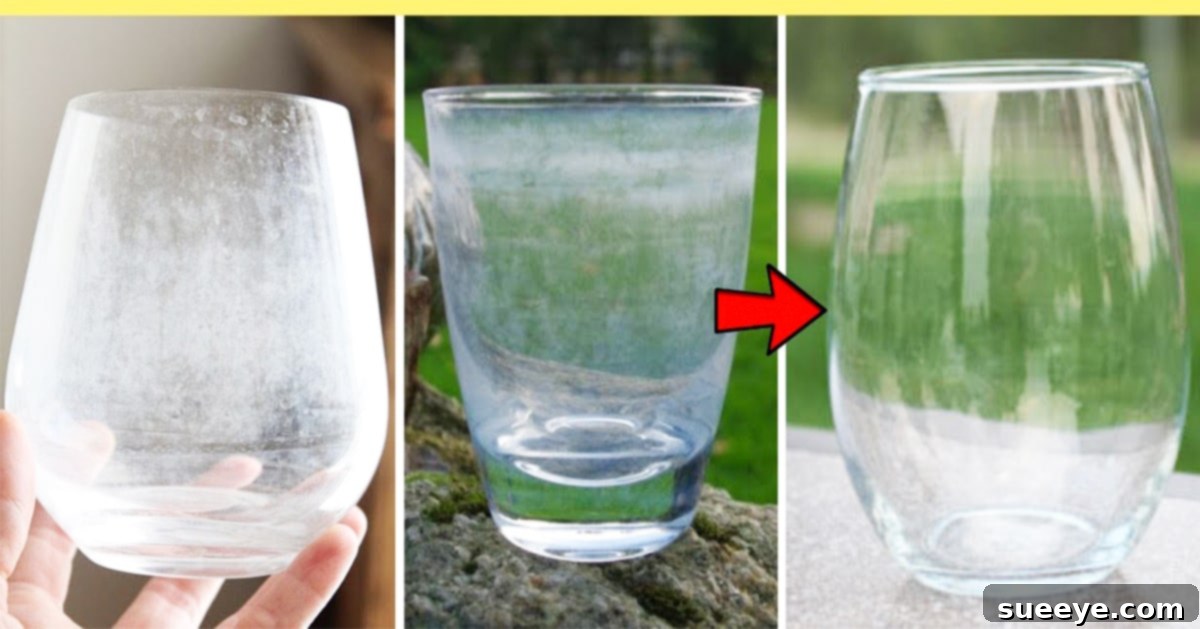
Banish Hard Water Stains: The Ultimate Guide to Sparkling Glassware with Baking Soda
There’s nothing quite as frustrating as reaching for a seemingly clean drinking glass, only to find it marred by unsightly, cloudy streaks. These tell-tale marks, known as hard water stains, can transform even the most exquisite glassware into something dull and uninviting. Whether they appear after a cycle in the dishwasher, from air-drying, or simply due to the mineral content in your tap water, hard water stains are a common household nuisance. They don’t just affect drinking glasses; wine glasses, shower doors, mirrors, and even faucets can fall victim to these stubborn mineral deposits, making your clean spaces look less than pristine.
Fortunately, achieving crystal-clear glassware and surfaces doesn’t require harsh chemicals or expensive commercial products. A simple, yet incredibly effective, DIY cleaning solution is often hiding in your pantry. Inspired by smart cleaning hacks and demonstrations, like those found on popular cleaning solution channels, we’re going to reveal a powerful, natural method to eliminate hard water stains using a brilliant combination of common household ingredients: baking soda, lemon juice, and a touch of dish soap. This quick and easy trick not only works wonders on your drinking glasses and beloved wine glasses but is also versatile enough to tackle those persistent water marks on shower glass and other surfaces throughout your home.
The Ubiquitous Problem: Understanding Hard Water Stains
Before diving into the solution, it’s helpful to understand what hard water stains truly are and why they’re such a challenge. Hard water contains elevated levels of dissolved minerals, primarily calcium and magnesium. When this water evaporates, it leaves behind these mineral residues on surfaces. Over time, these residues accumulate, forming a hazy, chalky film that’s notoriously difficult to remove with just water and regular soap. This buildup is what gives your glassware that cloudy appearance, making it look dirty even after being washed.
Dishwashers, ironically designed to clean, can sometimes exacerbate the problem. The high heat of the drying cycle can bake these minerals onto the glass, making them even more recalcitrant. Similarly, allowing shower doors to air dry repeatedly without wiping can lead to a significant accumulation of calcium and magnesium deposits, creating a dull, opaque surface that detracts from your bathroom’s sparkle. Recognizing these culprits is the first step toward effective treatment and prevention.
Discovering the Miracle Mixture: Baking Soda, Lemon, and Dish Soap
The solution we’re exploring leverages the unique properties of three everyday items. Separately, they are useful; combined, they form a formidable foe against mineral buildup. This powerful trio works synergistically to break down, lift, and remove those stubborn hard water spots, restoring the original clarity and shine to your items.
Why This Combination Works Wonders
- Baking Soda (Sodium Bicarbonate): More than just a deodorizer, baking soda is a mild alkali and a gentle abrasive. Its fine crystalline structure provides a scrubbing action that helps dislodge mineral deposits without scratching delicate surfaces like glass. Chemically, it can help neutralize acidic mineral buildup and reacts with acidic components to create a scrubbing foam.
- Lemon Juice (Citric Acid): This natural acid is the star player in dissolving mineral deposits. The citric acid in lemon juice reacts with the alkaline calcium and magnesium carbonates that form hard water stains, breaking them down into soluble compounds that can be easily rinsed away. Beyond its powerful cleaning action, lemon juice leaves a fresh, clean scent and acts as a natural disinfectant.
- Dish Soap: The role of dish soap is crucial for its surfactant properties. Surfactants reduce the surface tension of water, allowing the cleaning solution to spread more easily and penetrate grime. It helps emulsify any grease or oil present, ensuring the baking soda and lemon juice can directly target the mineral stains. It also helps the mixture adhere to vertical surfaces, like the inside of a glass, allowing the active ingredients more contact time with the stains.
Supplies You’ll Need for Crystal Clear Results
Gathering your materials for this effective cleaning hack is straightforward, as you likely already have most of them in your kitchen. You won’t need any specialized tools, just these common household staples:
- Dish soap
- Baking soda
- Lemon juice (freshly squeezed or bottled concentrate works well)
- Optional tools: A soft brush, a non-abrasive sponge, or a microfiber cloth for scrubbing, and a clean, lint-free towel for drying.
Step-by-Step Guide to Eradicating Hard Water Stains
The beauty of this method lies in its simplicity. While the core process is easy, incorporating a few strategic steps can significantly enhance its effectiveness, especially for more challenging stains. Here’s how to bring back the sparkle to your stained glassware and surfaces.
Preparation and Initial Application
First, identify the glassware or surface you want to treat. For a single drinking glass or wine glass, work directly into the item. For larger areas like shower doors, you might prepare the paste in a small bowl.
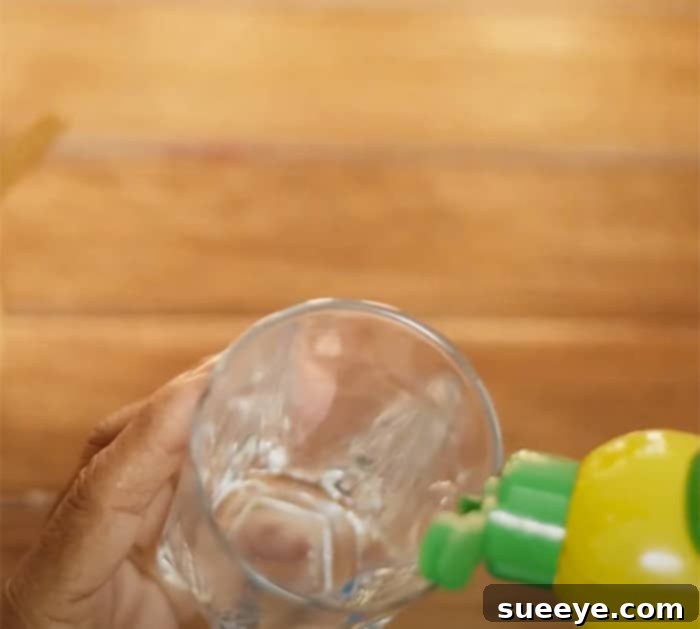
Next, add a few drops of dish soap, a generous spoonful or two of baking soda, and a good squeeze of lemon juice directly into the affected glass. The exact measurements for the ingredients are quite flexible and can be adjusted based on the severity of the hard water stains. For a moderately stained glass, you might start with a tablespoon of baking soda, a teaspoon of lemon juice, and a few drops of soap. The goal is to create a thick, spreadable paste.
Mixing and Initial Treatment
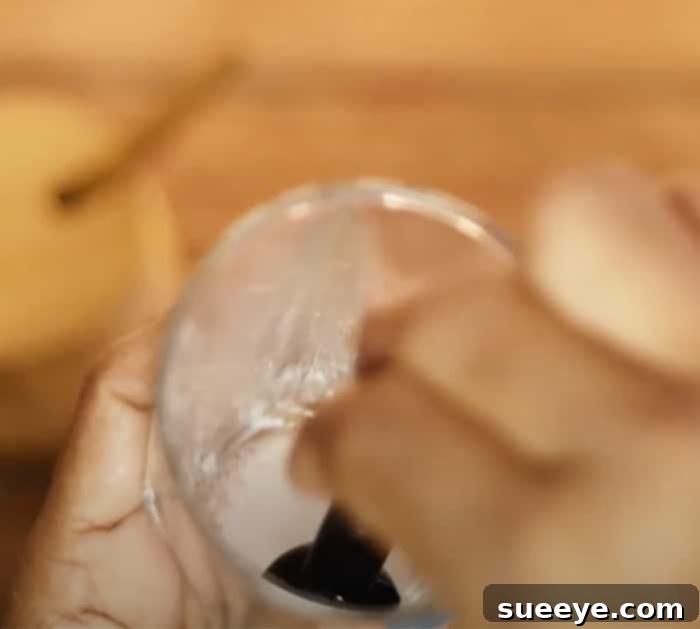
Using a spoon, a small brush, or even your finger, gently stir the mixture together within the glass. Once a paste forms, swish it around, making sure it thoroughly coats all the areas affected by hard water stains. Allow the mixture to sit on the surface for a few minutes. This crucial waiting period gives the citric acid in the lemon juice time to begin breaking down the mineral deposits, making the subsequent scrubbing more effective.
The Scrubbing Phase for Stubborn Stains
After the initial contact time, if the stains are still visible, it’s time for some gentle scrubbing. Take a soft brush, a non-abrasive sponge, or a microfiber cloth and gently scrub the stained areas. Work in small circular motions, applying light to medium pressure. You should feel the mild abrasive action of the baking soda as it helps lift the softened mineral deposits. Be patient, as some deeply etched stains may require a bit more effort and time.
The Soaking Secret for Optimal Results
For items with very stubborn or widespread hard water stains, such as multiple wine glasses or a heavily stained decanter, soaking can be a game-changer. Instead of treating each item individually, fill your sink or a large basin with warm water. Add a generous amount of baking soda (e.g., half a cup to a cup), a good squeeze of lemon juice (a quarter to half a cup), and a few squirts of dish soap. Stir well to dissolve the ingredients, then submerge your drinking glasses or other affected items. Let them soak for anywhere from 15 to 30 minutes, or even longer for severe buildup. The extended contact time allows the solution to work deeply into the mineral deposits, softening them considerably before you even begin scrubbing. After soaking, proceed with the scrubbing phase as described above.
Rinse and Reveal
Once you’ve scrubbed or soaked and the stains appear to be gone, rinse the items thoroughly under clean, warm running water. Ensure all traces of the cleaning paste are washed away. The final and most crucial step for preventing new water spots is to immediately dry the item. Use a clean, lint-free microfiber cloth or tea towel to hand-dry each piece until it’s sparkling and completely dry. This prevents any residual water from evaporating and leaving fresh mineral spots.
Beyond Drinking Glasses: Versatile Applications for Your Home
The beauty of this baking soda, lemon, and dish soap concoction is its versatility. Once you’ve seen its power on your glassware, you’ll naturally want to apply it to other areas of your home plagued by hard water stains:
- Shower Doors: For those cloudy shower glass panels, create a thicker paste in a bowl. Apply it generously to the stained areas, let it sit for 10-15 minutes, then scrub with a non-abrasive sponge or brush. Rinse thoroughly with water, perhaps using a spray bottle, and squeegee dry for a streak-free finish.
- Faucets and Chrome Fixtures: Hard water spots often collect around the base of faucets. Apply the paste to these areas, let it sit briefly, then scrub with an old toothbrush or a soft cloth. Rinse and buff dry to restore their shine.
- Windows and Mirrors (Exterior): For outdoor windows or bathroom mirrors with water spots, a slightly diluted version of this paste can be effective. Apply, gently scrub, and rinse thoroughly, followed by immediate drying.
- Stainless Steel Sinks: While not glass, stainless steel can also suffer from water spots. This mixture can help clean and polish your stainless steel sink, making it gleam.
Prevention is Key: Keeping Your Glassware Spotless
While this cleaning hack is incredibly effective, preventing hard water stains from forming in the first place is always the best strategy. Here are some tips to keep your glassware and surfaces looking pristine:
- Hand Dry Immediately: The most effective prevention for glassware is to hand-dry it immediately after washing, whether by hand or in the dishwasher, using a clean, lint-free cloth. This removes water before minerals have a chance to deposit.
- Use a Dishwasher Rinse Aid: If you use a dishwasher, always use a rinse aid. Rinse aids contain surfactants that help water sheet off surfaces, preventing droplets from drying and leaving spots.
- Regular Vinegar Rinse: Periodically rinse your glassware with a dilute solution of white vinegar. Vinegar’s acidity helps break down nascent mineral deposits before they become stubborn stains.
- Consider a Water Softener: If hard water is a pervasive issue throughout your home, investing in a whole-house water softener can significantly reduce mineral buildup on all your surfaces and appliances.
- Consistent Cleaning: Don’t let stains accumulate. A quick wipe down of shower doors after each use, or a regular cleaning schedule for glassware, can prevent severe buildup.
Why Choose This Natural Cleaning Hack?
Beyond its undeniable effectiveness, this natural cleaning solution offers several compelling advantages over commercial alternatives:
- Cost-Effective: All the ingredients are inexpensive and commonly found in most homes, saving you money on specialized cleaning products.
- Eco-Friendly: Reducing your reliance on harsh chemical cleaners is better for the environment and reduces chemical runoff.
- Safe for Your Home and Family: Using natural ingredients means less exposure to potentially irritating or toxic chemicals, making it a safer option for homes with children and pets.
- Gentle Yet Powerful: The combination is tough on stains but gentle on surfaces, protecting your valuable glassware from scratching or damage.
Final Thoughts on Sparkling Success
Discovering that your beautiful wine glasses or everyday drinking glasses have been dulled by hard water stains can be disheartening, but it doesn’t mean they’re destined for the trash. This simple, natural, and incredibly effective method using baking soda, lemon juice, and dish soap is a true game-changer. It’s a quick cleaning hack that requires minimal effort and ingredients you already have on hand. The satisfaction of restoring your cloudy, stained items to their original, sparkling glory is immense.
So, the next time you spot those frustrating mineral marks, don’t despair. Instead, grab these powerful pantry staples and transform your dull, water-stained items into brand new-looking pieces. From your kitchen to your bathroom, this versatile mixture will help you achieve a cleaner, clearer, and more brilliant home. Get ready to enjoy crystal-clear drinking glasses and spotless surfaces once again!