
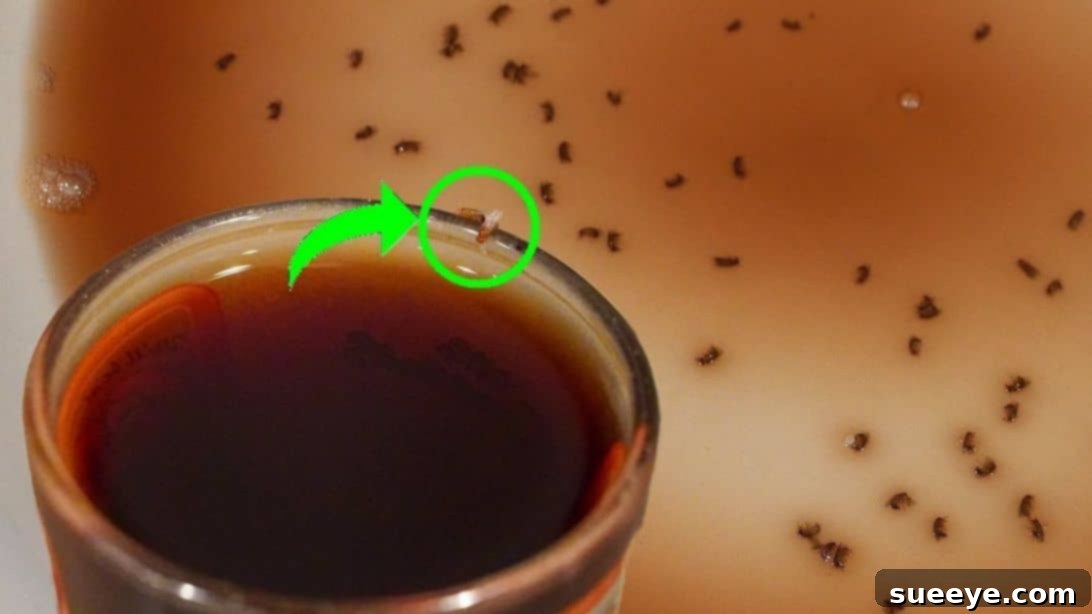
The Ultimate DIY Fruit Fly Trap: Naturally Eliminate Pesky Pests from Your Kitchen
Those tiny, elusive insects hovering around your fruit bowl or circling your kitchen counters are likely fruit flies, scientifically known as Drosophila melanogaster. These common household pests are more than just a nuisance; they can multiply rapidly, laying up to 500 eggs in their short lifespan, quickly turning a minor problem into a full-blown infestation. Primarily attracted to the irresistible aroma of fermenting produce, fruit flies also find solace and breeding grounds in drains, garbage disposals, and trash containers where organic materials break down.
Dealing with fruit flies can be incredibly frustrating. While many commercial sprays and traps exist, they often come with chemical concerns or prove to be less effective than desired. What if there was a simple, non-toxic, and remarkably effective solution using ingredients you already have in your pantry? Look no further! We’re about to share a genius DIY fruit fly trap, a method championed by The Millennial Gardener, that promises a fruit fly-free kitchen within days.
This ingenious trap is not only easy to assemble but also highly efficient. Many who have tried it, myself included, can attest to its consistent success. Say goodbye to those airborne annoyances and reclaim your kitchen with this clever hack!
RELATED: How to Use Baking Soda for Pest Control
Why Do Fruit Flies Invade Our Homes? Understanding the Attraction
Before diving into the solution, it’s helpful to understand the enemy. Fruit flies are masters of detection, drawn to the yeast produced during the fermentation process of ripe or rotting fruits and vegetables. They don’t just appear out of thin air; they often hitchhikes on produce brought home from the grocery store, or they can enter through tiny cracks and open windows. Once inside, they swiftly locate fermenting organic matter to feed and reproduce. This includes not only your fruit bowl but also forgotten food scraps in the trash, moist kitchen sponges, uncleaned drains, and even spilled drinks.
Their rapid breeding cycle is what makes them such persistent pests. A single female fruit fly can lay hundreds of eggs, which hatch into larvae within hours and reach adulthood in about a week. This quick turnaround means that if you don’t break the cycle, their population can explode exponentially.
The Problem with Conventional Solutions
Many homeowners resort to chemical insecticides to combat fruit flies. However, spraying pesticides in food preparation areas carries inherent risks to family members and pets. These chemicals can leave residues on surfaces and become airborne, posing health concerns. Moreover, chemical sprays often only kill adult flies, doing little to address the eggs and larvae, leading to recurring infestations. Store-bought traps can also be costly and may not always live up to their promises. This is where a safe, natural, and highly effective DIY approach truly shines.
The Science Behind This Genius DIY Fruit Fly Trap
What makes this particular fruit fly trap so remarkably effective? It leverages the fruit fly’s natural instincts against itself using common household items. The magic lies in two key ingredients: fruit-based vinegar and dish soap.
-
The Attractant: Fruit-Based Vinegar
Fruit flies have an incredibly keen sense of smell, particularly for the acetic acid found in vinegar, which closely mimics the scent of fermenting fruit. This strong aroma acts as an irresistible lure, drawing the flies directly to your trap. Varieties like apple cider vinegar, balsamic vinegar, or red wine vinegar are highly effective due to their sweet, fruity notes. Even white vinegar can work if sweetened slightly. -
The Mechanism: Dish Soap & Surface Tension
This is the ingenious part. Normally, a fruit fly can land on the surface of liquid like vinegar and safely fly away due to surface tension. However, just a drop or two of dish soap acts as a surfactant, breaking down this surface tension. When a fruit fly attempts to land on the vinegar solution treated with dish soap, it immediately sinks into the liquid and drowns, unable to escape. It’s a simple yet highly effective physical trap. -
The Boost: New Bananas
While the vinegar is a powerful attractant, adding a piece of ripening fruit, especially a banana, amplifies the lure. Bananas, as they ripen, release ethylene gas and volatile compounds that are incredibly appealing to fruit flies, drawing them even more effectively towards the trap.
Here’s another insect hack for you: Get Rid of Most Insects Around Your Home Using This Trick
What You Need to Get Rid of Fruit Flies
Gathering your supplies for this effective fruit fly trap is incredibly simple. You likely have most of these items in your kitchen already, making this a cost-effective and convenient solution.
- Dish Soap: Any brand will do. The key is its ability to break surface tension. Scented or unscented, it doesn’t matter, as its primary role is physical, not aromatic.
- Sweet Fruit-Based Vinegar of Your Choice: This is the primary attractant. Highly recommended options include:
- Apple Cider Vinegar: A top choice due to its strong, sweet, and fruity aroma.
- Balsamic Vinegar: Its rich, sweet, and complex scent is also very appealing to fruit flies.
- Red Wine Vinegar: Another excellent option, mimicking the aroma of fermenting fruits.
- Optional: If you only have white vinegar, you can sweeten it with a pinch of sugar or a drop of fruit juice to enhance its attractiveness.
- Shot Glass: This small container is ideal due to its size and narrow opening, making it easy for flies to enter but harder for them to navigate once inside the liquid. If you don’t have a shot glass, any small, shallow container like a ramekin, a small glass bowl, or even a repurposed jar lid will work, as long as it has a wide enough opening for flies to access.
- New Bananas: Specifically “new” or just ripening bananas are preferred. As they ripen, they emit an irresistible scent that acts as an additional beacon for fruit flies. If bananas aren’t available, any other piece of ripening or slightly overripe fruit (like an apple slice, melon rind, or peach) can also be used as an auxiliary lure.
Once you have these simple items ready, you’re just moments away from setting up your highly effective fruit fly defense system.
How to Get Rid of Fruit Flies with This Genius Trap
The setup for this fruit fly trap is incredibly straightforward. Follow these steps for optimal results and prepare to see a noticeable reduction in your fruit fly population within a few days!
Step 1: Clear the Area and Eliminate Competing Attractants
Before setting up your trap, it’s crucial to remove all other potential food sources that might compete with your trap’s allure. Store susceptible fruits and vegetables in the refrigerator or in sealed containers. Wipe down counters thoroughly, and ensure no food scraps are left exposed. This step consolidates the fruit fly problem, making your trap the most appealing option in the vicinity.
Step 2: Fill Your Trap with the Attractant
Carefully fill your shot glass (or chosen small container) with the fruit-based vinegar. Fill it almost to the brim, leaving just a tiny space at the very top. The goal is to maximize the surface area of the attractant while ensuring enough room for the next step.
Step 3: Introduce the Surface Tension Breaker
Add a small amount of dish soap to the vinegar. One or two drops are usually sufficient for a shot glass-sized container. You don’t need much; the key is to gently break the surface tension of the liquid. Avoid stirring vigorously, as excessive bubbles can temporarily reduce the trap’s effectiveness.
Step 4: Optimize the Liquid Surface for Maximum Effectiveness
After adding the dish soap, gently top off the shot glass with more vinegar until the liquid reaches the very rim, forming a slight dome or meniscus. This creates maximum surface tension just before it’s broken by the soap, allowing fruit flies to confidently approach and attempt to land, only to fall into the solution. A high liquid level also makes it easier for flies to access the attractant.
Step 5: Strategic Placement of Your Trap
Place the assembled trap in the area where you observe the most fruit fly activity. This is typically near your fruit bowl, sink, garbage can, or any other location where you’ve noticed them congregating. If you have a larger kitchen or a severe infestation, consider setting up multiple traps in different hotspots for enhanced effectiveness.
Step 6: Add Your Auxiliary Lure
Position the new bananas (or other ripening fruit) directly beside the shot glass trap. While these bananas themselves might not yet be susceptible to a full fruit fly infestation, their natural ripening scent will significantly amplify the overall attraction of your trap, drawing more flies toward the vinegar solution.
Step 7: Monitor and Maintain for Continuous Control
Check your shot glass trap every morning. You’ll likely see trapped fruit flies in the solution. Due to evaporation, the vinegar level may decrease over time. If you notice the liquid has significantly evaporated or is full of flies, simply refill it with fresh vinegar and add another drop of dish soap. For sanitary reasons and to maintain optimal effectiveness, it’s a good practice to completely refresh the trap every few days or once it becomes heavily populated with flies. Dispose of the trapped flies and liquid down the drain before refilling.
Troubleshooting & Advanced Tips for a Fruit Fly-Free Home
While this trap is highly effective, sometimes fruit flies can be particularly stubborn. Here are some additional tips and troubleshooting advice:
- Location is Key: If your trap isn’t working as expected, try moving it to a different location within the affected area. Fruit flies follow scent trails, so placing it directly where they are most active is crucial.
- Freshness Matters: Ensure your vinegar is relatively fresh, as its potency and attractiveness can diminish over time. Regularly refreshing the trap solution every 2-3 days is recommended for peak performance.
- Check for Hidden Breeding Sites: Beyond obvious fruit bowls, fruit flies love drains, garbage disposals, and even damp sponges. Pouring hot water mixed with baking soda and vinegar down drains can help eliminate larvae. Regularly clean your garbage disposal and always rinse out recyclables.
- Store Produce Properly: Once ripe, store fruits and vegetables in the refrigerator. Consider washing produce as soon as you bring it home to remove any hitchhiking eggs or larvae.
- Seal Trash Cans: Use trash cans with tight-fitting lids and empty them frequently, especially those containing food waste.
- Consider Other Attractants: If you don’t have fruit vinegar, a mix of sugar and water with a few drops of dish soap can sometimes work as an alternative, though fruit vinegar is generally superior.
The Benefits of This DIY Fruit Fly Solution
Opting for this homemade fruit fly trap offers numerous advantages:
- Cost-Effective: Uses inexpensive, readily available ingredients.
- Non-Toxic & Safe: No harmful chemicals, making it safe for homes with children and pets.
- Environmentally Friendly: Reduces reliance on chemical pesticides.
- Highly Effective: Targets the fruit fly’s natural instincts for consistent results.
- Easy to Implement: Minimal setup and maintenance required.
Your Genius Fruit Fly Trap Awaits!
You no longer have to live with the annoyance of fruit flies buzzing around your kitchen. This genius DIY trap, combining the irresistible allure of fruit vinegar with the surface-tension-breaking power of dish soap, offers a simple, safe, and incredibly effective solution. By understanding why fruit flies are attracted to your home and consistently applying this method, you can regain control of your kitchen and enjoy a pest-free environment.
Try this method today and witness the dramatic reduction in fruit flies firsthand. Enjoy your clean, peaceful, and fruit fly-free home!