
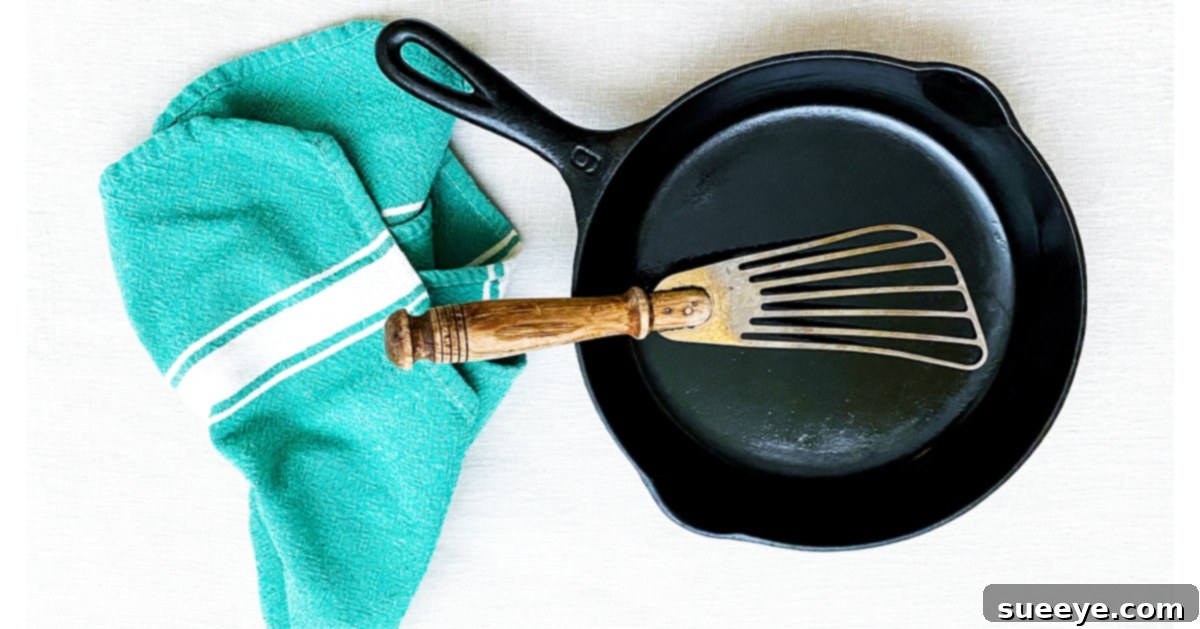
Mastering Cast Iron: 7 Common Mistakes to Avoid for Lasting Cookware
Cast iron cookware holds a cherished place in kitchens worldwide, celebrated for its incredible durability, versatile performance, and the unique flavors it imparts to food. From perfectly seared steaks and crispy fried chicken to hearty stews and golden cornbread, a well-maintained cast iron skillet can truly elevate your culinary creations. However, despite its robust nature, caring for cast iron is often misunderstood, leading to common mistakes that can compromise its performance and longevity. Many home cooks, myself included, have made errors that result in rust, sticking food, or a dulled patina. This comprehensive guide will illuminate the seven most frequent cast iron cookware mistakes and provide clear, actionable solutions to ensure your beloved pan remains a prized possession for generations. By understanding these pitfalls and adopting proper care techniques, you can unlock the full potential of your cast iron and keep rust marks at bay.
Mistake 1: Avoiding Soap During Cleaning
One of the most persistent myths surrounding cast iron care is that soap should never touch your pan. This old wives’ tale originated in an era when soaps contained lye, a harsh chemical that would indeed strip away the hard-earned seasoning. However, modern dish soaps are mild and formulated to cut grease without damaging the polymerized oil layer that forms the pan’s seasoning. A well-seasoned cast iron pan boasts a layer of polymerized oil that is bonded to the surface, essentially creating a natural non-stick coating. This layer is remarkably resilient. Therefore, you absolutely *can* and *should* use a small amount of mild dish soap and warm water when cleaning your cast iron, especially after cooking greasy or sticky foods. The key is to avoid abrasive scrubbers like steel wool unless you are intentionally stripping the pan for re-seasoning. Instead, opt for a stiff brush, sponge, or plastic scraper to remove food residue. After washing, rinse thoroughly and immediately proceed to dry the pan to prevent rust formation, which brings us to our next crucial point.
Mistake 2: Soaking Cast Iron in Water
If there’s one cardinal sin in cast iron care, it’s allowing your pan to soak in water. Cast iron, by its very nature, is highly susceptible to rust when exposed to moisture for extended periods. Unlike stainless steel, cast iron lacks chromium, which provides rust resistance. The moment bare iron comes into contact with water and oxygen, the oxidation process begins, leading to unsightly and damaging rust spots. The goal after cooking and cleaning is to get your pan dry as quickly as possible. Never leave it submerged in the sink, and avoid letting food sit in it for hours before cleaning. As soon as you’ve washed your pan, dry it immediately and thoroughly with a towel. For an extra layer of prevention, you can place it over low heat on the stovetop for a few minutes until all moisture has evaporated. Once completely dry and still warm, apply a very thin, even coat of neutral cooking oil (like vegetable, canola, or grapeseed oil) to the entire surface, inside and out, using a paper towel. This thin oil layer acts as a protective barrier, sealing the surface and maintaining the seasoning, effectively safeguarding against rust.
Mistake 3: Cooking Acidic Ingredients for Long Periods
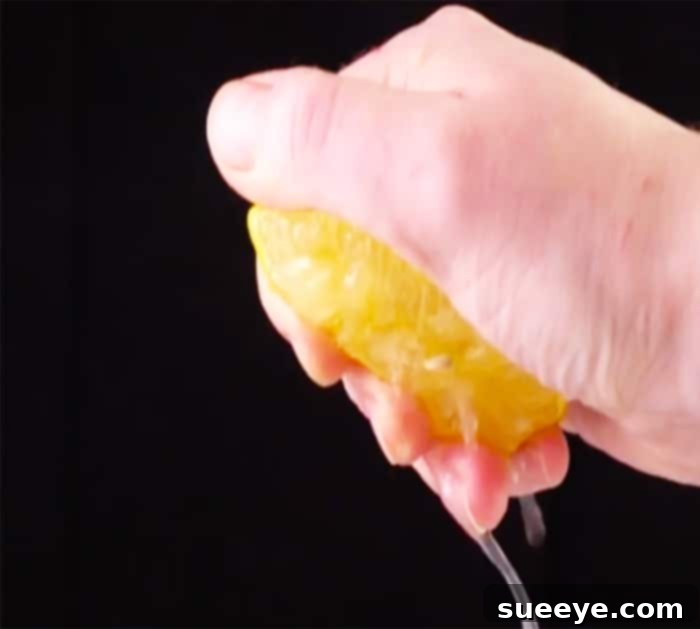
While cast iron is incredibly versatile, it’s not the ideal vessel for every type of dish, especially those with high acidity that require long simmering times. Acidic ingredients, such as tomatoes, wine, vinegar, and citrus juices, can react negatively with the bare iron underneath the seasoning. When exposed to acids for extended periods, the seasoning layer can be stripped away, leaving your pan vulnerable to rust and potentially leaching a metallic flavor into your food. For instance, slow-cooking a rich Bolognese sauce or a lengthy tomato-based stew in a cast iron skillet is generally not recommended. The prolonged contact with acid will degrade the seasoning and may give your delicious sauce an unpleasant metallic tang. However, this doesn’t mean all acidic foods are off-limits. A quick squeeze of lemon juice at the end of cooking or a splash of wine to deglaze a pan for a few minutes is usually fine, as the exposure time is minimal. For dishes that require extensive simmering with acidic components, consider using an enameled cast iron pot or a stainless steel pan to protect your seasoning and the flavor of your food.
Mistake 4: Neglecting Regular Re-seasoning
Seasoning is the “secret sauce” of cast iron cookware, the vital layer of polymerized oil that provides a natural non-stick surface and protects the iron from rust. Many people understand the initial seasoning process but often overlook the importance of regular maintenance seasoning. Think of it as caring for the pan’s skin – it needs constant nourishment to stay healthy. While you don’t need a full oven seasoning after every use, a quick re-seasoning, especially after a thorough cleaning, is highly beneficial. This routine helps to reinforce and build up the non-stick layer, ensuring your pan performs optimally. After gently washing with soap and water and thoroughly drying your pan (as discussed in previous points), apply a very thin layer of neutral cooking oil (e.g., grapeseed, vegetable, canola) to the entire surface of the pan, both inside and out. Use a paper towel to rub it in, then wipe off any excess until the pan no longer looks greasy, but has a dull sheen. Place the pan over high heat on your stovetop for about 5-10 minutes, or until you see a wisp of smoke. This heat polymerizes the oil, bonding it to the pan’s surface. Allow it to cool completely before storing. This simple practice after each use will significantly extend the life and performance of your cast iron, preventing sticking and ensuring a beautiful, robust patina.
Mistake 5: Failing to Preheat the Pan Adequately
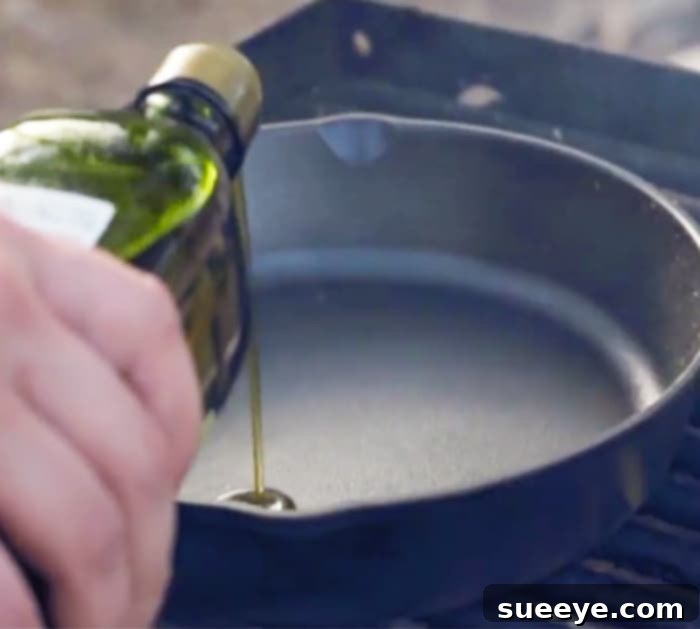
Patience is a virtue, especially when cooking with cast iron. One of the most common mistakes is rushing the preheating process. Cast iron is an excellent heat retainer, but it’s a relatively poor heat conductor compared to materials like aluminum or copper. This means it takes longer to heat up evenly across its surface. Dropping ingredients into a cold or insufficiently preheated cast iron pan is a recipe for disaster, often leading to food sticking, uneven cooking, and a less-than-ideal crust. To harness the full power of your cast iron, you must preheat it slowly and thoroughly. Place your pan over medium heat on the stovetop for at least 5 to 10 minutes before adding any oil or ingredients. For larger skillets, this might take even longer. You’ll know it’s hot enough when you drop a small fleck of water onto the surface and it sizzles immediately and evaporates, or when a thin layer of oil shimmers without smoking excessively. Proper preheating allows the entire pan to reach a consistent temperature, eliminating hot spots and ensuring that your food cooks evenly, develops a fantastic sear, and releases easily from the non-stick surface. This step is crucial for achieving that crispy texture on proteins and vegetables that cast iron is famous for.
Mistake 6: Mismanaging Cast Iron’s Heat Distribution
Following on from preheating, understanding and managing cast iron’s unique heat distribution properties is vital. While cast iron excels at retaining heat once hot, it does not heat up evenly initially due to its thermal conductivity. This often leads to “hot spots” if not properly managed. The assumption that “cast iron does not heat unevenly” is a common misconception; it *can* heat unevenly if not given the time to equalize its temperature. Simply placing it on a burner and expecting instant, uniform heat is a mistake. To achieve truly even heating, especially for delicate items like fish or eggs, extend your preheating time. You can also move the skillet around on the stovetop occasionally during the preheating phase to help distribute the heat more uniformly across the bottom. For truly even heat, some chefs even recommend heating the pan in the oven before transferring it to the stovetop. Once the pan is thoroughly and evenly hot, its incredible heat retention makes it perfect for maintaining consistent cooking temperatures. With proper preheating and heat management, you can successfully cook even fragile and delicate ingredients on cast iron, achieving beautiful browning and a superior texture without burning or sticking. It’s about letting the pan do its work, rather than forcing it.
Mistake 7: Fearing Metal Utensils
Another common apprehension among cast iron users is the fear of damaging the seasoning with metal utensils. Many cooks instinctively reach for silicone or wooden spatulas, believing that metal will scratch off the hard-earned non-stick layer. However, this concern is largely unfounded for a well-seasoned cast iron skillet. The seasoning on cast iron is not a delicate coating that can be easily scraped away by a metal spoon or spatula during normal cooking. It’s a layer of polymerized oil that has chemically bonded with the iron, making it quite durable. In fact, using metal spatulas can sometimes even be beneficial. The act of gently scraping the bottom of the pan with a metal utensil can help smooth out the seasoning over time, contributing to an even more non-stick surface. It can also be very effective for releasing fond (those flavorful browned bits) from the bottom of the pan, which is essential for making delicious sauces and gravies. While you wouldn’t want to attack your pan with a sharp knife or a harsh metal scourer, regular metal cooking utensils like spatulas, spoons, and tongs are perfectly safe and often more effective for cooking in cast iron. Don’t let the sound of metal on metal deter you – your pan is tougher than you think!
Overall, embracing cast iron cookware means understanding its unique characteristics and adjusting your care routine accordingly. These seven common mistakes are easily avoidable with a little knowledge and practice. By cleaning it properly with mild soap, avoiding prolonged water exposure, drying and oiling it meticulously, being mindful of highly acidic ingredients, performing regular maintenance seasoning, and preheating it thoroughly, you can ensure your cast iron skillet not only lasts a lifetime but also consistently delivers exceptional cooking results. With proper care, your cast iron will develop a rich, dark patina and become a truly indispensable tool in your kitchen, a testament to culinary tradition and practical durability. Invest a little time in its care, and it will repay you with countless delicious meals and a legacy of cooking excellence.