
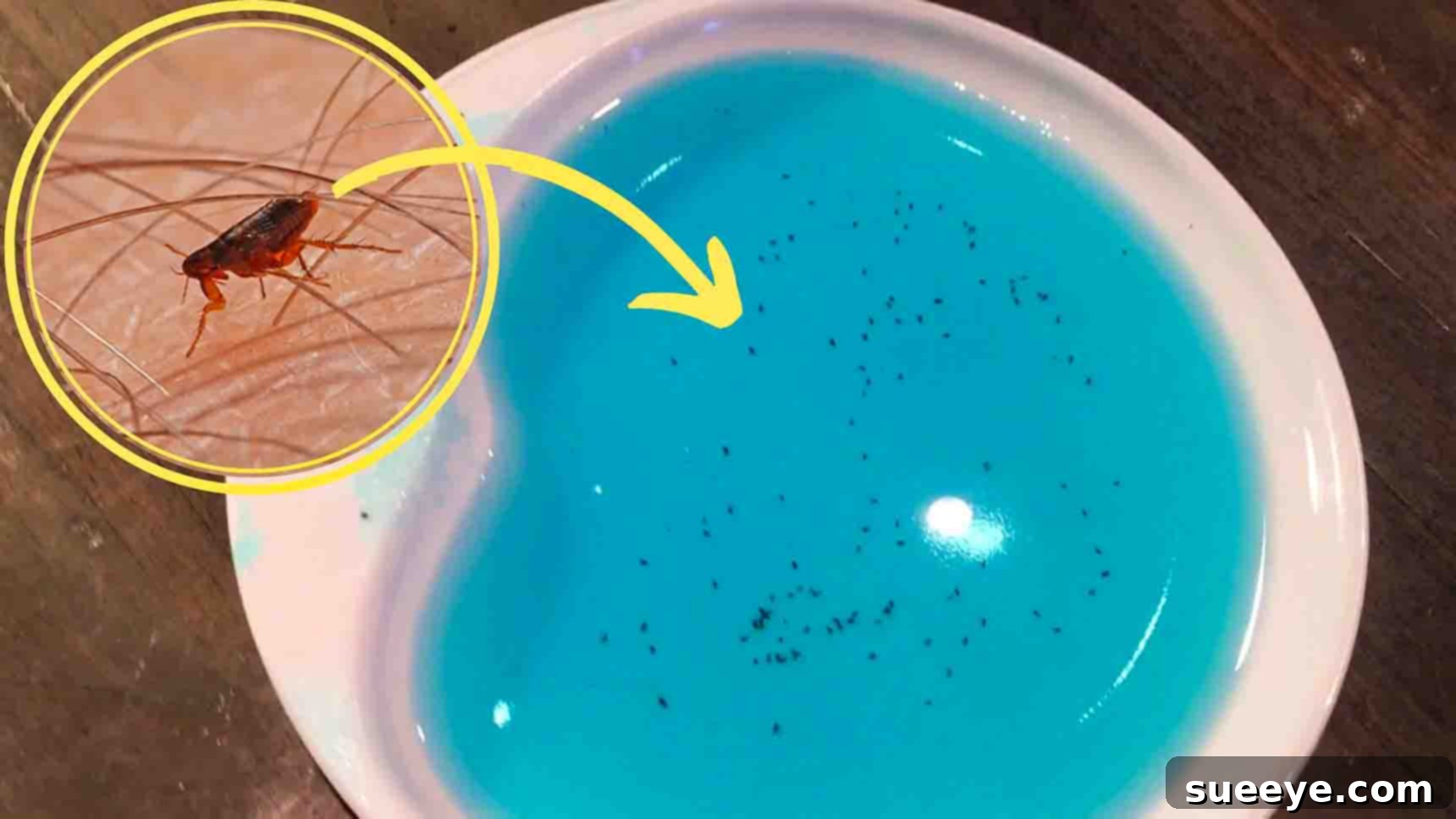
Are you struggling with a persistent flea infestation that makes you, your family, and your pets miserable? Fleas are more than just an annoyance; these tiny pests can cause itchy bites, skin irritation, and even transmit diseases. Finding an effective, affordable, and safe solution can feel overwhelming when faced with countless commercial products and expensive exterminator services. Thankfully, a brilliant, super simple, yet incredibly effective method, popularized by Papa Joe Knows on YouTube, offers a genuine game-changer. This ingenious DIY flea trap promises to make your flea problems disappear rapidly, often within just twenty-four hours. It’s not only remarkably fast but also incredibly cheap and uncomplicated to set up, utilizing items you likely already have around your home. Say goodbye to harsh chemicals and costly treatments, and embrace a practical approach to reclaim your home from these unwanted invaders. Share this innovative method with your family and friends today and help them achieve a flea-free environment too!
This comprehensive guide will walk you through every step of creating this highly efficient flea trap, explaining the science behind its success, and offering additional tips for complete flea eradication. Prepare to learn how to effectively tackle flea infestations with minimal effort and maximum impact.
Understanding the Flea Menace: Why Immediate Action is Crucial
Fleas are more than just a minor inconvenience; they are highly resilient parasites that can quickly multiply, leading to a full-blown infestation in your home. Their life cycle is incredibly fast, allowing them to go from egg to adult in a matter of weeks under ideal conditions. A single adult flea can lay up to 50 eggs per day, which then fall off your pet and into your carpets, furniture, and bedding. These eggs hatch into larvae, then pupate into cocoons, which can lie dormant for months, waiting for the perfect conditions (like warmth and vibrations from a host) to emerge as adult fleas. This cycle means that simply treating your pet isn’t enough; you must also address the environmental infestation in your home.
Beyond the relentless itching and discomfort they inflict on both humans and pets, fleas can also pose significant health risks. They can cause allergic dermatitis in sensitive pets, leading to severe scratching, hair loss, and skin infections. In young or vulnerable animals, heavy infestations can even lead to anemia. Furthermore, fleas are known carriers of diseases and parasites, including tapeworms and cat scratch fever, making their removal a critical aspect of household hygiene and pet care.
Why This DIY Flea Trap Is Your Best Solution
Among the myriad of flea control methods available, this simple DIY trap stands out for several compelling reasons:
- Incredible Effectiveness: This method capitalizes on the fleas’ natural instincts, drawing them into a trap from which there is no escape.
- Unmatched Simplicity: You don’t need any special skills or complex procedures. It’s a setup anyone can do in minutes.
- Remarkably Cost-Efficient: Forget expensive sprays, bombs, or professional services. This trap utilizes basic household items, making it virtually free.
- Rapid Results: Unlike other methods that take days or weeks, you’ll often see significant results within 24 hours, providing quick relief.
- Safety First: This non-toxic approach is ideal for homes with children, pets, or individuals sensitive to chemical insecticides, offering peace of mind.
- Environmental Friendliness: By avoiding harsh chemicals, you’re choosing an eco-conscious method for pest control.
Materials You Will Need for Your Flea Trap:
Gathering your supplies for this DIY flea trap is straightforward. You only need three common household items:
- Desk Lamp (or any bendable/adjustable light source): The key here is a lamp that generates heat and can be positioned close to the floor. The light and warmth emitted by the lamp are irresistible to fleas, drawing them in from dark corners. An adjustable “gooseneck” lamp is ideal as it allows you to direct the light precisely. A simple nightlight or bare bulb in a fixture can also work if positioned correctly.
- Dawn Dishwashing Liquid (or similar strong dish soap): This is the secret weapon. Any good quality dish soap that effectively cuts grease will work. Dawn is often recommended due to its excellent surface tension-reducing properties.
- Plate or Saucer (a shallow bowl works too): A shallow dish is crucial. Fleas are small, and a deep container would make it harder for them to reach the water. The wider the surface area, the more fleas it can potentially catch.
Step-by-Step Directions: Setting Up Your Ultimate Flea Trap
Step 1: Prepare the Attractant and Light Source
Begin by filling your plate or saucer with approximately half an inch to an inch of water. The exact amount isn’t critical, but ensure there’s enough liquid to cover the entire bottom surface of the dish. Next, add a few drops of Dawn dishwashing liquid into the water. You don’t need to create a lot of suds; just enough to break the surface tension. Gently stir the mixture with your finger or a small spoon until the soap is evenly dispersed throughout the water. The dish soap is essential because it eliminates the water’s natural surface tension. Without this tension, fleas that jump into the water will immediately sink and drown, unable to escape. If there were no soap, they might simply float or jump out.
Once your soapy water mixture is ready, place the plate directly on the floor in an area where you’ve noticed flea activity. Ideal spots include corners, near pet bedding, under furniture, or in other dark, undisturbed areas where fleas tend to hide. Position your desk lamp directly over the plate, aiming its light and warmth downwards onto the water. Ensure the lamp is stable and not a fire hazard. Leave the lamp switched on continuously for a minimum of twenty-four hours. Fleas are naturally attracted to light and, more significantly, to heat – they perceive it as a potential host. As they jump towards the warmth of the lamp, they will inadvertently land in the soapy water, becoming trapped.
Step 2: Observe the Results and Maintain Your Trap
After twenty-four hours, return to your trap and prepare to be amazed. You will likely find numerous fleas already drowned in the dish soap mixture. Their tiny, dark bodies will be visible at the bottom of the plate, a testament to the trap’s effectiveness. The sight of the trapped fleas confirms that the method is working by interrupting the flea life cycle and removing adult fleas from your environment.
To dispose of the trapped fleas, simply pour the contents of the plate down the toilet or into a drain, flushing with plenty of water. Alternatively, you can seal the mixture in a plastic bag before discarding it in the trash. It’s crucial to clean the plate thoroughly and then reset the trap immediately with fresh water and dish soap. Fleas reproduce quickly, and new eggs are constantly hatching. To effectively break the flea life cycle and completely clear your home of these pests, you should run this trap for several consecutive nights, or even weeks, until you stop catching any fleas. Consistency is key to achieving a truly flea-free home.
The Science Behind the Success: Why This Trap Works
The effectiveness of this DIY flea trap isn’t magic; it’s a clever application of basic science and understanding flea behavior:
- Phototaxis and Thermotaxis: Fleas exhibit both positive phototaxis (attraction to light) and positive thermotaxis (attraction to heat). When they detect the warmth and light from the lamp, their instinct is to jump towards it, mistaking it for a warm-blooded host.
- Surface Tension Manipulation: Water has a natural surface tension, which allows light objects (like small insects) to float on it. Dish soap is a surfactant, meaning it breaks down this surface tension. When fleas jump into the soapy water, they immediately sink and drown because the water can no longer support their weight.
- Passive Trapping: Unlike active hunting methods, this trap works while you sleep or go about your day. It continuously attracts and captures fleas, significantly reducing their numbers without any direct intervention from you.
- Targeting the Adults: While this trap primarily catches adult fleas, removing them helps to break the breeding cycle by preventing them from laying more eggs. When combined with other flea control methods, it becomes a powerful tool against infestations.
Optimizing Your Flea Trap for Best Results
To maximize the efficacy of your DIY flea trap, consider these additional tips:
- Strategic Placement: Place traps in multiple locations, especially in areas where pets spend a lot of time (e.g., near their beds, favorite napping spots) and in dark, carpeted rooms.
- Consistency is Key: Run the trap nightly for at least a week, even after you stop seeing fleas. This helps catch newly hatched fleas from pupae that emerge.
- Combine with Vacuuming: Regularly vacuum carpets, rugs, upholstery, and cracks in floors. The vibrations from vacuuming can stimulate flea pupae to hatch, making them more susceptible to the trap. Immediately empty the vacuum bag outside or place a flea collar inside to kill any fleas caught.
- Pet Treatment: This trap is a great environmental control, but it doesn’t treat your pet directly. Ensure your pets are on a vet-approved flea preventative.
- Safety First: Always ensure the desk lamp is placed on a stable surface and away from any flammable materials like curtains or bedding to prevent fire hazards.
Beyond the Trap: Comprehensive Flea Control Strategy
While the DIY flea trap is remarkably effective, it’s best utilized as part of a broader, integrated pest management strategy to completely eliminate fleas from your home. Flea control requires a multi-pronged approach that targets all stages of the flea life cycle and addresses both your pets and their environment.
Consider incorporating these additional measures for a truly flea-free home:
- Regular Vacuuming: As mentioned, vacuuming is crucial. Pay close attention to areas where pets rest, along baseboards, and under furniture. The suction removes eggs, larvae, and pupae, and the vibrations can encourage dormant pupae to hatch, making them vulnerable to your trap or other treatments.
- Washing Pet and Human Bedding: Wash all pet bedding, blankets, and your own bed linens in hot water at least once a week. High temperatures kill all flea life stages.
- Pet Flea Treatment: Consult your veterinarian about the best flea preventative for your pets. This could include topical treatments, oral medications, or flea collars. Consistent pet treatment is vital to break the life cycle, as pets are often the primary source of new fleas in the home.
- Yard Treatment (if applicable): If your pets spend time outdoors, fleas might be breeding in your yard, particularly in shaded, moist areas with tall grass or leaf litter. Consider using pet-safe yard treatments or nematodes to control outdoor flea populations.
- Decluttering: Reduce clutter in your home, which can provide hiding spots for fleas. Regular cleaning makes it easier to spot and address infestations.
- Professional Extermination: For severe, persistent infestations that don’t respond to DIY and basic measures, it might be necessary to call a professional pest control service. They have access to stronger treatments and expertise in targeting fleas at all life stages.
Frequently Asked Questions About The DIY Flea Trap
- Is this method safe for pets and children?
- Yes, it’s considered very safe. Unlike chemical sprays, there are no harmful fumes or residues. The primary concern would be if a curious pet were to drink the soapy water, which might cause mild stomach upset. Place the trap where pets are less likely to disturb it, or supervise young children around it.
- How long should I leave the trap out?
- For initial knockdown, leave it on for at least 24 hours. For ongoing control and to catch newly hatched fleas, it’s recommended to run the trap nightly for several consecutive nights, or even a couple of weeks, until you no longer find any fleas in the morning.
- What if I don’t catch any fleas?
- If you’re not catching fleas, consider these points:
- Placement: Is the trap in a high-activity flea area? Try moving it.
- Light/Heat: Is the lamp providing sufficient warmth and light?
- Infestation Level: It’s possible your flea problem isn’t severe, or they are concentrated elsewhere.
- Soap Efficacy: Ensure your dish soap is effectively breaking surface tension.
- Can I use any type of soap?
- While many dish soaps will work, those known for cutting grease effectively (like Dawn) tend to be best because they are excellent at breaking down surface tension, ensuring fleas drown quickly.
- Will this trap kill flea eggs or larvae?
- No, this trap specifically targets adult fleas. To eliminate eggs and larvae, you need to combine this method with thorough vacuuming, washing pet bedding, and possibly pet treatments. The trap helps reduce the adult population, preventing more eggs from being laid.
Fast And Cheap Way To Get Rid of Fleas: Reclaim Your Home!
Living with fleas is a frustrating experience, but it doesn’t have to be a permanent one. This super simple, fast, and incredibly cheap DIY flea trap, inspired by insights from Papa Joe Knows, offers an accessible and non-toxic solution to a common household nuisance. By understanding the behavior of fleas and utilizing basic household items, you can effectively reduce and eliminate flea populations in your home without resorting to harsh chemicals or expensive professional services.
Embrace this practical approach to flea control and witness the satisfying results within a mere twenty-four hours. Remember that consistency, combined with other preventative measures like regular cleaning and pet treatment, will lead to the best long-term outcomes. Don’t let fleas dominate your living space any longer. Take action today, set up your trap, and enjoy the peace of mind that comes with a flea-free home. Your pets, your family, and your sanity will thank you!