
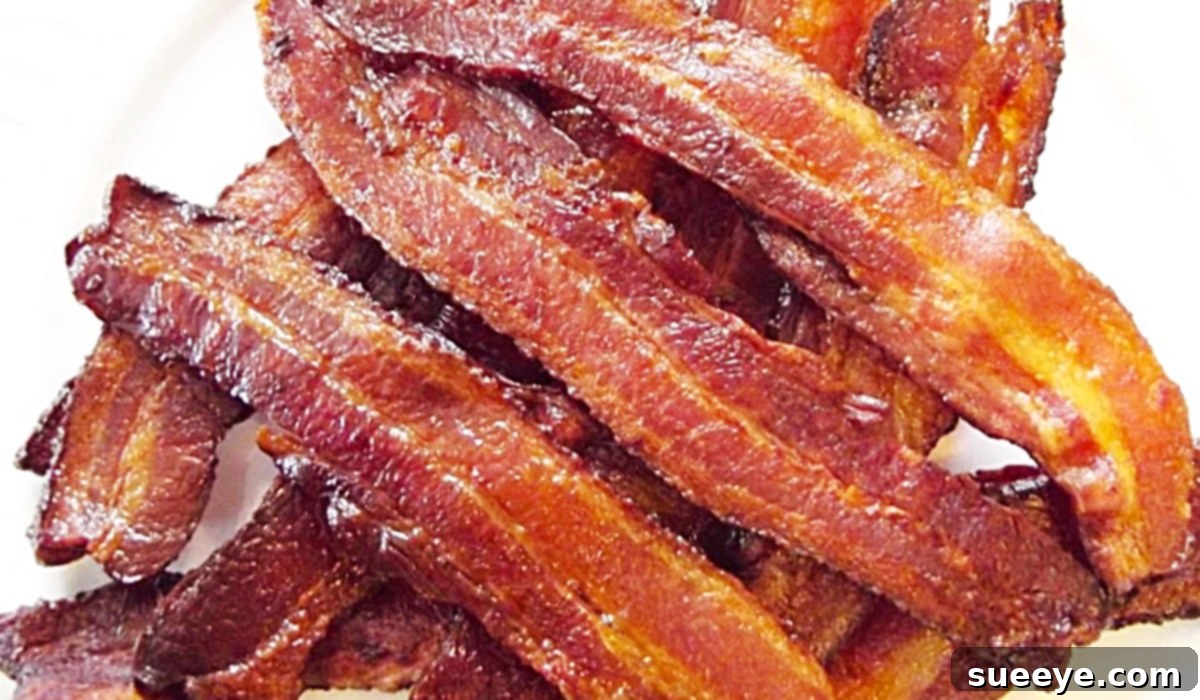
How to Cook Perfectly Even & Crispy Bacon in the Oven: The Ultimate Guide
For many culinary enthusiasts and breakfast lovers, bacon holds a special place. Its savory aroma and irresistible crispness make it a staple on countless plates. However, the journey to perfectly cooked bacon can often be fraught with challenges. The common stovetop method, while traditional, frequently leads to frustrating results: some strips are burnt to a crisp, while others remain stubbornly raw and limp. The constant need for attention, flipping, and the inevitable grease splatter can turn what should be a delightful cooking experience into a messy chore.
If you’ve ever wrestled with unevenly cooked bacon, you’re not alone. I, too, have faced the recurring dilemma of achieving that elusive, uniform crispness. Despite my best efforts—cooking it slowly, adjusting heat, and vigilant turning—the outcome was often a mosaic of overcooked edges and undercooked centers. This persistent problem led me on a quest for a better method, a way to ensure every single slice of bacon emerged from the kitchen in its ideal state.
My search eventually led me to a revelation: oven-cooked bacon. This method promises a consistent, even cook with minimal fuss, and it has truly transformed my bacon-making process. Inspired by an insightful tutorial by The Hillbilly Kitchen on YouTube, I discovered how remarkably simple it is to achieve flawless bacon in the oven. The video showcased a method that delivered beautifully cooked bacon from start to finish, free from the usual pitfalls. Intrigued and eager to banish uneven bacon from my life, I knew I had to try it immediately. The results were nothing short of amazing, offering a clean and even cooking experience that has become my go-to technique.
Why Oven-Baked Bacon Is a Game-Changer
Switching from stovetop to oven for your bacon isn’t just a minor adjustment; it’s a complete revolution in how you prepare this beloved breakfast item. Here’s why oven-baked bacon stands out as the superior method:
- Unmatched Evenness: The primary benefit is undeniably the perfectly even cook. An oven provides consistent heat circulation around each strip of bacon, ensuring that every part cooks at the same rate. This eliminates the hot spots and cool zones common on a frying pan, resulting in uniformly golden-brown and crispy bacon without any burnt or raw bits.
- Reduced Mess: Say goodbye to grease splatters that coat your stovetop, countertops, and even your clothes. When bacon cooks in the oven, the grease stays contained within the sheet pan. This significantly reduces cleanup time and keeps your kitchen much tidier.
- Hands-Off Convenience: Once the bacon is in the oven, your work is largely done. You’re freed from the constant vigilance required for stovetop cooking, allowing you to focus on preparing other parts of your meal, enjoying your coffee, or simply relaxing. It’s truly a “set it and forget it” approach for a significant portion of the cooking time.
- Consistent Crispy Texture: The dry heat of the oven allows the bacon fat to render slowly and evenly, resulting in a superior crispy texture from end to end. You can achieve varying levels of crispness by adjusting cooking time, always with consistent results.
- Ideal for Batch Cooking: Need to feed a crowd? An oven can accommodate multiple sheet pans of bacon at once, making it incredibly efficient for large breakfasts, brunches, or meal prepping for the week ahead.
Essential Ingredients & Equipment for Oven-Baked Bacon
Preparing delicious oven-cooked bacon requires just a few simple ingredients and basic kitchen tools. The beauty of this method lies in its simplicity and accessibility.
Ingredients:
- 1 Pound of Bacon (or more!): The star of the show! You can use any type of bacon you prefer—regular cut, thick-cut, thin-cut, applewood smoked, or peppered. Keep in mind that the thickness will affect the cooking time, with thick-cut bacon requiring a bit longer to crisp up. For beginners, regular or thin-cut bacon is a great starting point to get a feel for the process.
- Optional Seasonings: While bacon is flavorful enough on its own, a sprinkle of black pepper, a dash of cayenne, or even a light brush of maple syrup before baking can elevate its taste.
Equipment:
- A Sturdy Sheet Pan (Baking Sheet): A standard half-sheet pan (approximately 13×18 inches) is ideal. Make sure it has raised edges (a rimmed baking sheet) to contain the rendered bacon fat. This is crucial for preventing grease from spilling over into your oven.
- Aluminum Foil or Parchment Paper: To line your sheet pan. This is your secret weapon for super easy cleanup! Both work wonderfully, though parchment paper might offer slightly better non-stick properties and can sometimes result in a slightly crispier bottom, while foil holds up well to higher heat.
- An Oven: Any conventional oven will do. Ensure it’s preheated to the correct temperature for even cooking.
- Optional: A Wire Rack: For the ultimate crispy bacon, place an oven-safe wire rack on top of your foil-lined sheet pan before arranging the bacon. This elevates the bacon, allowing air to circulate completely around each strip, facilitating even crisping on all sides and letting the fat drip away more effectively.
- Tongs: Essential for safely handling and flipping the hot bacon.
- Paper Towels: For draining excess grease after cooking, ensuring maximum crispness.
Step-by-Step Directions for Perfect Oven-Cooked Bacon
Following these simple steps will guide you to perfectly cooked, crispy, and evenly browned bacon every time, significantly reducing the mess and effort typically associated with stovetop frying.
1. Preheat Your Oven:
Begin by preheating your oven to 350°F (175°C). Proper preheating is key to ensuring the bacon starts cooking immediately and evenly when placed inside. Allow at least 15-20 minutes for your oven to reach the desired temperature.
2. Prepare Your Baking Sheet:
Line your rimmed baking sheet with aluminum foil or parchment paper. This step is crucial for effortless cleanup. If you’re using aluminum foil, ensure it covers the entire surface of the pan, extending slightly up the sides to catch all the rendered fat. For extra crispy bacon, especially if not using a wire rack, ensure the foil or parchment lies flat without many wrinkles.
3. Arrange the Bacon:
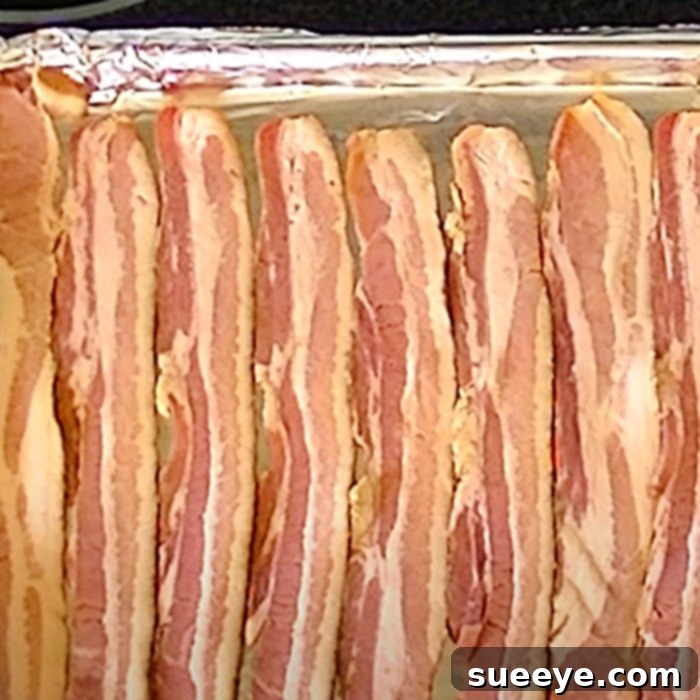
Lay the bacon strips in a single layer on the prepared baking sheet. It’s important not to overlap the bacon; this ensures that each strip cooks evenly and crisps up properly. If you’re using a wire rack, place it on top of the lined pan and arrange the bacon directly on the rack. This allows fat to drip away, promoting crispness.
4. Cook the Bacon:
Carefully place the baking sheet into your preheated oven. Cook at 350°F (175°C) for approximately 15-25 minutes. The exact cooking time will vary depending on the thickness of your bacon and your desired level of crispness. Thinner bacon will cook faster, usually within 15-18 minutes, while thick-cut bacon may take 20-25 minutes or even a bit longer.
As demonstrated in the inspiring video by The Hillbilly Kitchen, it’s beneficial to monitor your bacon closely, especially towards the end of the cooking process. For ultimate evenness and a consistent texture, you can turn the bacon strips over once, halfway through the cooking time. This ensures both sides are exposed to the direct heat of the pan and helps achieve that perfect, uniform crispness. If you’re aiming for a truly hands-off experience, especially with a wire rack, a single flip may not be strictly necessary, but it can enhance the results.
5. Drain and Serve:
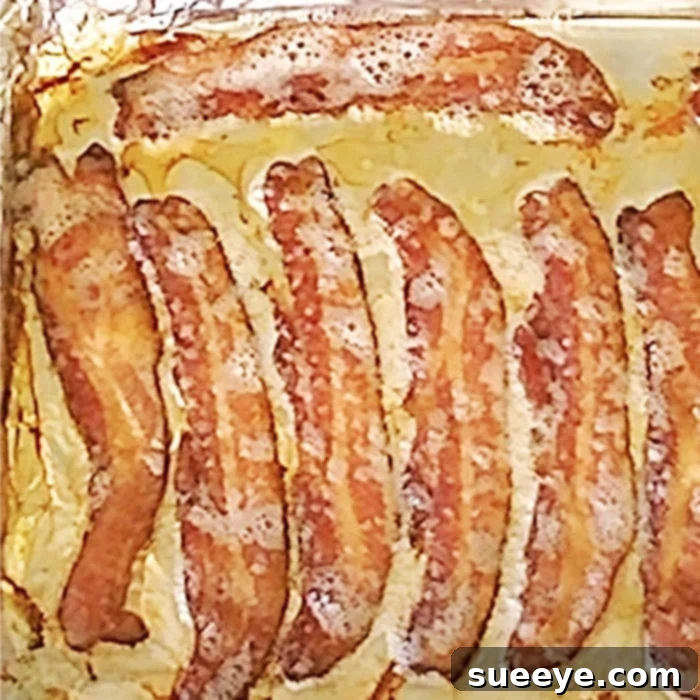
Once the bacon reaches your desired level of crispness and golden-brown color, carefully remove the baking sheet from the oven. Using tongs, transfer the cooked bacon strips to a plate lined with several layers of paper towels. This allows any excess grease to drain off, leaving you with perfectly crispy, less greasy bacon.
Allow the bacon to rest on the paper towels for a few minutes. It will continue to crisp up slightly as it cools. You can then serve it immediately or use it in your favorite recipes.
Expert Tips for the Crispiest Oven Bacon
Achieving bacon perfection in the oven is easy, but a few expert tips can take your results from good to extraordinary:
- Start Cold (Optional but Recommended): Some chefs advocate placing bacon in a cold oven and then turning it on. This allows the fat to render more slowly and evenly, potentially resulting in crispier bacon. Experiment to see what works best for your oven and bacon type.
- Experiment with Temperature: While 350°F (175°C) is a great standard, you can adjust the temperature to suit your preferences. A lower temperature (e.g., 325°F/160°C) for longer will yield chewier bacon, while a slightly higher temperature (e.g., 400°F/200°C) for a shorter period can produce extra-crispy results, but requires closer monitoring to prevent burning.
- The Wire Rack Advantage: As mentioned, cooking bacon on a wire rack placed over a foil-lined sheet pan is the ultimate trick for uniformly crispy bacon. It allows the hot air to circulate completely around each strip and ensures the bacon doesn’t sit in its own grease, leading to a crispier texture.
- Don’t Overcrowd the Pan: Give your bacon strips space. Overcrowding leads to steaming rather than frying, resulting in limp bacon. If you need to cook a large batch, use multiple pans or cook in batches.
- Bacon Thickness Matters: Adjust your cooking time based on the thickness of your bacon. Thin-cut bacon crisps up quickly, while thick-cut varieties require more time. Always keep a watchful eye, as bacon can go from perfectly done to burnt in a flash.
- Save the Bacon Grease: Don’t discard that flavorful rendered fat! Once it has cooled, carefully pour it into a heat-proof jar or container and refrigerate it. Bacon grease adds incredible flavor to scrambled eggs, roasted vegetables, cornbread, and more. Strain it through a fine-mesh sieve or cheesecloth to remove any small burnt bits for a cleaner fat.
Serving Suggestions & Creative Uses for Oven-Baked Bacon
Perfectly cooked bacon is incredibly versatile and can elevate a wide array of dishes beyond the breakfast plate.
- Classic Breakfast & Brunch: Serve alongside scrambled eggs, pancakes, waffles, French toast, or a hearty omelet.
- Sandwiches & Wraps: Essential for a classic BLT (Bacon, Lettuce, Tomato). Add it to club sandwiches, chicken wraps, or even grilled cheese for an extra layer of flavor and crunch.
- Salads & Soups: Crumble crispy bacon bits over green salads, potato salads, Cobb salads, or creamy soups like split pea or potato soup for a smoky, savory topping.
- Baked Potatoes & Casseroles: Bacon bits are a delightful addition to loaded baked potatoes, mashed potatoes, mac and cheese, or various casseroles.
- Burgers & Hot Dogs: Top your favorite burgers or hot dogs with a few strips of crispy bacon for an indulgent treat.
- Appetizers: Wrap bacon around dates, scallops, or shrimp and bake them for a sophisticated appetizer.
- Vegetable Enhancement: Cooked bacon and its rendered fat can add incredible depth to sautéed greens like collards, spinach, or kale.
The Clean and Perfect Bacon Solution
This oven-cooked bacon method is truly a fabulous idea that yields perfect bacon every single time, and perhaps even more importantly, it is so much cleaner than its stovetop counterpart. The days of dodging grease splatters and endlessly flipping bacon strips are over. By embracing the oven, you unlock a world of consistent crispiness, even cooking, and effortless cleanup, transforming your bacon-making routine into a pleasure rather than a chore.
Whether you’re preparing a quick weekday breakfast, a lavish weekend brunch, or simply need perfectly cooked bacon as an ingredient for your favorite recipes, the oven method is your reliable ally. Give it a try, and discover the unmatched ease and delicious results that await. You’ll wonder why you ever cooked bacon any other way!