
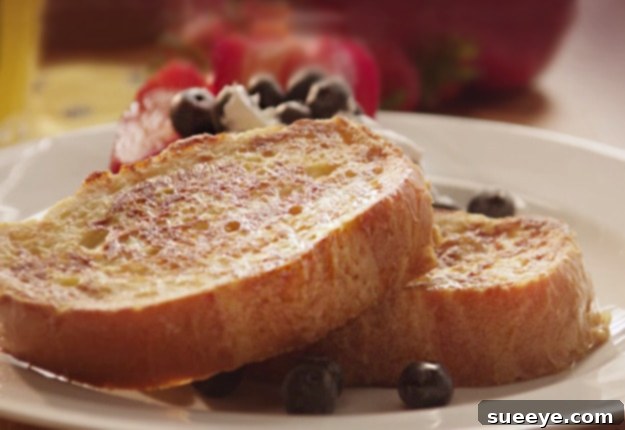
The Ultimate Guide to Perfect French Toast: Easy Homemade Recipe & Pro Tips
Are you ready to transform your breakfast routine from mundane to magnificent? Forget the same old cereal and elevate your mornings with a plate of golden, fluffy, and utterly delicious French toast. This classic breakfast dish is surprisingly simple to make, incredibly versatile, and guaranteed to become a family favorite. Whether you’re a seasoned chef or a beginner in the kitchen, our comprehensive guide will walk you through every step, ensuring you achieve perfect French toast every single time. Get ready to impress your taste buds and loved ones!
Why French Toast is the Ultimate Breakfast Treat
French toast holds a special place in the hearts of breakfast lovers for several compelling reasons:
- Simple & Quick: With just a few staple ingredients and minimal prep time, you can whip up a gourmet-level breakfast in minutes.
- Incredibly Versatile: From the type of bread to the spices in your custard and the array of toppings, French toast is a blank canvas for your culinary creativity.
- Economical: It’s a fantastic way to use up day-old bread, preventing waste and turning humble ingredients into something extraordinary.
- Comfort Food: Warm, sweet, and satisfying, French toast offers a comforting embrace on any morning, making it perfect for lazy weekends or special occasions.
A Brief History of French Toast
While commonly known as “French toast,” this delightful dish’s origins are not exclusively French. In fact, recipes for soaking bread in milk and eggs and then frying it can be traced back to ancient Roman times. Apicius, a Roman cookbook from the 4th or 5th century AD, contains a recipe called “Aliter Dulcia” (Another Sweet Dish) which is strikingly similar. Over centuries, various cultures adopted and adapted the concept. The German “Arme Ritter” (poor knight’s toast) and the British “Poor Knights of Windsor” are other historical examples. The term “French toast” likely gained popularity in America due to a chef named Joseph French, who reportedly forgot the apostrophe when naming his dish, leading to the lasting “French toast.” Regardless of its true origin, its enduring appeal is a testament to its delicious simplicity.
Essential Ingredients for the Best French Toast
Making truly outstanding French toast starts with selecting the right ingredients. Here’s what you’ll need:
- Bread: This is arguably the most crucial component. While many think fresh bread is best, day-old or slightly stale bread is actually ideal. It holds its shape better and absorbs the custard without becoming soggy. Thick slices (around 3/4 to 1 inch) are recommended. Popular choices include brioche, challah, or even a robust sourdough.
- Eggs: The binding agent for your custard. Use large eggs for the perfect consistency and rich flavor.
- Milk or Cream: Whole milk provides richness, but you can also use half-and-half, heavy cream, or even plant-based milk alternatives like almond or oat milk for a different flavor profile. The fat content contributes to the creamy texture.
- Sweetener: Granulated sugar is standard, but you can also use brown sugar, maple syrup, or honey in your custard for added depth and a touch of sweetness.
- Flavorings: Pure vanilla extract is a must for classic French toast, imparting a warm and inviting aroma. Ground cinnamon and a pinch of nutmeg add further warmth and aromatic complexity that defines this breakfast favorite.
- Butter or Oil: For cooking, butter adds a rich, browned flavor and helps achieve a beautiful golden crust. You can also use a neutral oil like canola or vegetable oil, or a combination of both for best results.
Recommended Equipment
Gathering your tools beforehand makes the cooking process smooth and enjoyable:
- Shallow Dish or Pie Plate: Essential for easily dipping and soaking the bread slices in the custard.
- Whisk: For thoroughly combining the egg custard ingredients.
- Measuring Cups and Spoons: For accurate ingredient proportions.
- Large Skillet or Griddle: A non-stick pan is ideal for cooking multiple slices evenly.
- Spatula: For flipping the French toast safely and efficiently.
- Wire Rack: Set over a baking sheet, this helps keep cooked French toast warm and prevents it from becoming soggy while you finish the batch.
Easy Step-by-Step Recipe: How to Make Perfect French Toast
Follow these detailed steps to create a breakfast masterpiece in your own kitchen:
Step 1: Prepare Your Bread
As mentioned, slightly stale bread works best. If your bread is fresh, you can lightly toast it in a toaster or oven for 5-10 minutes at 300°F (150°C) to dry it out slightly. This crucial step prevents your French toast from becoming mushy and ensures a better texture. Slice your chosen bread into thick pieces, ideally 3/4 to 1 inch thick. This thickness allows the bread to soak up enough custard without disintegrating and gives you a satisfying, substantial texture.
Step 2: Whisk the Custard
In a shallow dish or pie plate, crack 2 large eggs. Add 1/2 cup of whole milk (or your preferred dairy/non-dairy alternative), 1 tablespoon of granulated sugar, 1/2 teaspoon of pure vanilla extract, 1/4 teaspoon of ground cinnamon, and a tiny pinch of nutmeg. For an enhanced flavor, a tiny pinch of salt can also be added to balance the sweetness. Whisk vigorously until all ingredients are well combined and the mixture is smooth, with no streaks of egg white remaining. This ensures every bite of French toast has a consistent, delicious flavor.
Step 3: Soak the Bread
Carefully dip each slice of bread into the egg custard, ensuring both sides are fully coated. The soaking time is crucial for perfect French toast: for thicker, sturdier bread (like challah or brioche), you might soak for 20-30 seconds per side. For softer, thinner bread, 10-15 seconds per side is usually sufficient. The goal is for the bread to absorb the custard without becoming completely saturated and falling apart. You want it moist, not soggy, retaining some structural integrity.
Step 4: Cook to Golden Perfection
Heat a large skillet or griddle over medium heat. Add 1 tablespoon of butter or a swirl of oil, allowing it to melt and coat the bottom of the pan. Once the butter is shimmering (or oil is hot and shimmery), carefully place the soaked bread slices onto the hot surface, ensuring not to overcrowd the pan. Cook for 2-4 minutes per side, or until each side is beautifully golden brown and cooked through. The internal temperature should be heated, and the egg custard set, indicating it’s fully cooked. Adjust the heat as needed to prevent burning and ensure even cooking.
Step 5: Serve Immediately and Enjoy!
Transfer the cooked French toast to individual plates or, if cooking for a crowd, to a wire rack set over a baking sheet in a warm oven (around 200°F/90°C) to keep them warm while you cook the remaining slices. Serve hot with your favorite toppings and a generous drizzle of maple syrup. Get creative and add fresh fruit for a burst of color and natural sweetness!
Expert Tips for the Best French Toast Ever
Achieving French toast perfection is easier than you think with these insider tips:
- Choose the Right Bread: While any bread works, certain types elevate the experience significantly. Challah, brioche, sourdough, or even a thick-sliced artisanal white bread are excellent choices. Remember, day-old bread prevents sogginess.
- Don’t Over-Soak: This is a common mistake that leads to a mushy interior. Aim for a delicate balance where the bread is saturated but still holds its structure firmly.
- Proper Pan Temperature: Medium heat is absolutely key. Too low, and your French toast will dry out; too high, and it will burn on the outside before cooking through on the inside, leaving a raw custard center.
- Use Real Vanilla: A good quality pure vanilla extract makes a noticeable difference in the overall flavor profile of your French toast.
- Add a Pinch of Salt: A tiny pinch of salt in the custard can subtly enhance and balance all the sweet flavors without making the French toast taste salty.
- Ghee or Clarified Butter: These have a higher smoke point than regular butter, making them less likely to burn while still delivering that irresistible rich, buttery flavor and golden crust.
- Don’t Overcrowd the Pan: Cook in batches if necessary. Overcrowding lowers the pan temperature and steams the French toast instead of frying it, resulting in a less crispy exterior and a longer cooking time.
Creative Variations and Customizations
The beauty of French toast lies in its endless possibilities for customization. Get creative and make it uniquely yours with these delicious ideas:
- Different Breads:
- Challah or Brioche: Rich, eggy, and slightly sweet, these breads create an incredibly decadent and fluffy French toast, absorbing the custard beautifully.
- Sourdough: For a delightful tangy contrast to the sweet custard, offering a more sophisticated flavor profile.
- Banana Bread: As suggested, using homemade banana bread instead of regular bread creates a truly unique and flavorful French toast with built-in sweetness, moisture, and a wonderful banana aroma. This is an incredible way to use up leftover banana bread, transforming it into an even more special treat!
- Panettone or Stollen: Perfect for holiday brunch, these sweet, fruit-studded breads add festive flavors and a delightful texture to your French toast.
- Texas Toast: Super thick slices offer a substantial and hearty French toast that can handle a lot of custard and toppings.
- Flavorful Custards:
- Citrus Zest: Add orange or lemon zest to the custard for a bright, fresh note that cuts through the richness.
- Spiced Custard: Experiment with cardamom, ginger, or pumpkin pie spice for seasonal twists and deeper, warmer flavors.
- Coffee or Liqueur: A splash of espresso or a touch of rum, brandy, or orange liqueur (like Grand Marnier) can add sophistication and a gourmet touch to your breakfast.
- Nutty Flavors: A few drops of almond extract complement the vanilla beautifully, giving a subtle marzipan-like essence.
- Coconut Milk Custard: Use full-fat coconut milk for a tropical twist, especially delicious with toasted coconut flakes and pineapple toppings.
- Stuffed French Toast:
Take your French toast to the next level by stuffing it! Spread cream cheese mixed with a little sugar and vanilla, or your favorite fruit preserves, between two slices of bread before dipping. You can also make a pocket in a single thick slice and fill it with berries, chocolate, or a nut butter mixture before cooking.
- Savory French Toast:
Skip the sugar in the custard and add savory elements like herbs (chives, thyme, rosemary), a pinch of black pepper, and perhaps some grated Parmesan cheese. Serve with a fried egg, crispy bacon, avocado, or a fresh salad for a unique and satisfying savory experience.
Delicious Toppings and Serving Suggestions
The final flourish for your perfect French toast comes from the toppings. Don’t be shy – this is where you can truly express yourself and cater to every palate!
- Classic Syrups:
- Pure Maple Syrup: The quintessential topping, offering a rich, warm sweetness that complements French toast perfectly.
- Fruit Syrups/Sauces: Blueberry, strawberry, or raspberry syrups add a vibrant burst of fruity flavor and color.
- Honey: A natural and equally delicious alternative to maple syrup.
- Fresh Fruit:
Sliced bananas, an assortment of fresh berries (strawberries, blueberries, raspberries), peaches, or a medley of seasonal fruits add essential freshness, vibrant color, and natural sweetness that balances the richness of the toast.
- Creams & Dairy:
- Whipped Cream: Light and airy, a dollop of homemade or store-bought whipped cream is always a crowd-pleaser and adds a luxurious feel.
- Greek Yogurt or Crème Fraîche: For a slightly tangy contrast that beautifully cuts through the sweetness and adds a creamy texture.
- Ice Cream: A scoop of vanilla bean ice cream with warm French toast is an indulgent dessert-for-breakfast treat that is utterly irresistible!
- Powdered Sugar: A simple dusting of confectioners’ sugar adds an elegant touch and a subtle extra sweetness without being overpowering.
- Nuts & Seeds: Chopped pecans, walnuts, almonds, pistachios, or toasted coconut flakes add a delightful crunch, texture, and nutty flavor dimension.
- Chocolate: Chocolate chips (melted and drizzled or sprinkled directly), chocolate sauce, or cocoa nibs are fantastic for chocolate lovers.
- Compotes & Jams: Warm fruit compotes (apple cinnamon, mixed berry, cherry) or your favorite high-quality fruit preserves add intense fruit flavor and a lovely warmth.
- Savory Sides: Pair your sweet French toast with crispy bacon, savory sausage links, or slices of ham for a well-rounded and satisfying breakfast plate that offers both sweet and salty elements.
Common Mistakes to Avoid
Even though French toast is simple, a few pitfalls can hinder perfection. Steer clear of these common errors to ensure your success:
- Using Fresh, Soft Bread: This is arguably the biggest mistake. Fresh bread turns mushy and doesn’t hold up to soaking. Always opt for day-old or lightly toasted bread for the best results.
- Under or Over-Soaking: Too little soak results in dry, unflavored spots on your French toast. Too much leads to a soggy, falling-apart mess that’s difficult to flip. Master the soak time for your chosen bread type.
- Cold Pan or Too Hot Pan: A cold pan won’t give you that beautiful golden-brown crust. A screaming hot pan will burn the exterior before the custard cooks through, leaving a raw interior. Medium heat is your reliable friend for even cooking.
- Overcrowding the Skillet: This drops the pan temperature significantly and steams the French toast instead of frying it, preventing that desired beautiful golden-brown, slightly crispy crust. Always cook in batches if necessary.
- Skimping on Butter/Oil: A little fat in the pan is crucial for achieving good browning, preventing sticking, and adding flavor. Don’t be afraid to add more between batches to keep the pan properly lubricated.
- Not Whisking Custard Thoroughly: Unmixed egg whites can lead to uneven texture and visible white streaks in your cooked French toast. Whisk until perfectly smooth.
Storing and Reheating Leftover French Toast
If you happen to have any French toast left over, don’t despair! It reheats surprisingly well, making it excellent for meal prep or quick weekday breakfasts:
- Storage: Allow cooked French toast to cool completely before storing. Place in an airtight container or freezer bag in the refrigerator for up to 3-4 days. For longer storage, freeze for up to 1-2 months. When freezing, separate layers with parchment paper to prevent sticking.
- Reheating:
- Toaster Oven/Oven: This is often the best method for crispy results. Reheat at 350°F (175°C) for 5-10 minutes (from the fridge) or 10-15 minutes (from the freezer) until heated through and crisp.
- Toaster: Works wonderfully for individual slices, giving them a satisfying crunch.
- Skillet: Reheat in a lightly buttered skillet over medium heat until warm and slightly crispy on the outside. This method is great for imparting fresh butter flavor.
- Microwave: While quick, this method can sometimes make French toast soggy and soft. Use as a last resort for just warming, then finish in a toaster or oven if possible to restore some texture.
Ready to Make Your Best French Toast Ever?
Making French toast is more than just a recipe; it’s an opportunity to create joy in your kitchen and at your breakfast table. With these simple steps, expert tips, and endless customization ideas, you’re now equipped to whip up a breakfast that will impress everyone. So, go ahead, grab that bread, whisk those eggs, and start cooking! Your delicious, golden-brown French toast awaits. Enjoy the process, and savor every delightful bite!