
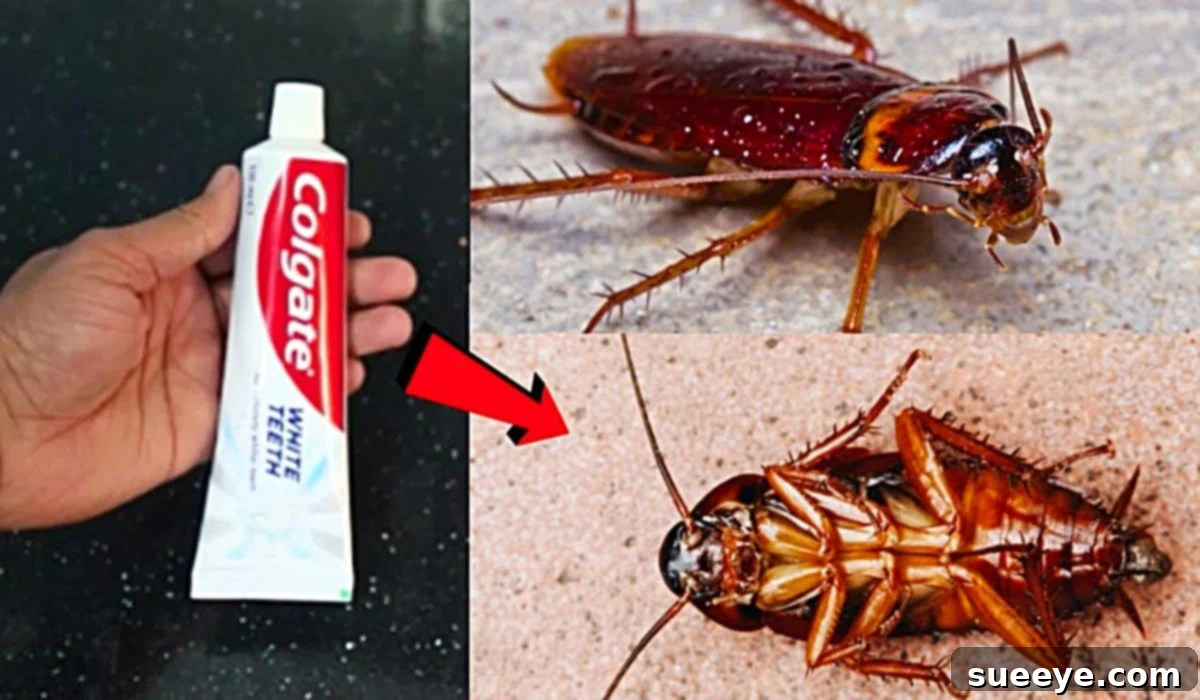
How to Eliminate Cockroaches and Ants Naturally with Everyday Household Items
Few things are as unsettling as discovering unwelcome pests in your home. Cockroaches, in particular, are notorious for their resilience and ability to multiply quickly, making them one of the most challenging household invaders to eradicate. While many commercial pest control products promise quick fixes, they often come with a hidden cost: harsh chemicals that can pose risks to your family, pets, and the environment. This is why the quest for safe, natural, and effective solutions is more crucial than ever.
Fortunately, you don’t always need industrial-strength chemicals to reclaim your space from these tiny intruders. Many everyday household items possess surprising pest-fighting properties. We were particularly impressed by an ingenious method shared by Mr. Maker on YouTube, demonstrating how to create a highly effective cockroach bait using something as common and innocuous as toothpaste. This natural approach not only offers a powerful solution for cockroaches but also highlights how simple ingredients like lemon and cinnamon can deter other common pests, such as ants.
This comprehensive guide will delve into these innovative natural pest control strategies, providing you with detailed instructions and valuable insights to help you maintain a pest-free home environment. We’ll explore the science behind why these humble ingredients work, ensuring you understand the efficacy of each method. From crafting a potent cockroach bait to creating effective barriers against ants, prepare to discover how easily you can transform your home into an unwelcome zone for pests, all while prioritizing safety and sustainability.
The Imperative of Natural Pest Control in Modern Homes
The decision to opt for natural pest control methods is driven by several compelling factors. Traditional chemical pesticides, while effective, often introduce toxins into your living spaces. These chemicals can linger on surfaces, contaminate the air, and pose significant health risks, especially to young children, pregnant women, and pets who spend a lot of time close to the floor. Respiratory issues, skin irritations, and even more serious health complications have been linked to prolonged exposure to certain chemical pesticides.
Beyond health concerns, environmental impact is another critical consideration. Many chemical agents can harm beneficial insects, disrupt local ecosystems, and pollute water sources. Natural solutions, on the other hand, offer a gentler approach. They are typically biodegradable, non-toxic, and harness the repellent or destructive properties of substances already found in nature or common household pantries. This not only makes them safer for your immediate environment but also contributes to a healthier planet.
Furthermore, natural pest control can be incredibly cost-effective. Instead of repeatedly purchasing expensive commercial products, you can utilize ingredients you likely already own or can acquire cheaply. This approach empowers you to take control of pest issues without breaking the bank, offering a sustainable, economical, and responsible way to manage household pests. It’s about creating an integrated pest management strategy that focuses on prevention and eco-friendly eradication.
The Unexpected Power of Toothpaste Against Cockroaches
The idea of using toothpaste to combat cockroaches might sound unusual, but its effectiveness is surprisingly well-documented among natural pest control enthusiasts. The key lies in creating a bait that is irresistible to cockroaches, yet ultimately lethal. Toothpaste, when combined with other common kitchen ingredients, forms a potent trap.
How Toothpaste Works as a Roach Killer
While not all toothpastes are created equal, many contain ingredients that are detrimental to cockroaches when ingested. Some toothpastes contain trace amounts of borax or fluoride, both of which can act as stomach poisons for insects. More importantly, the minty scent of toothpaste, while pleasant to humans, may also play a role in confusing or deterring pests. However, the primary mechanism of action in this bait recipe is its ability to attract cockroaches with sugar and flour, leading them to consume the mixture which then acts as a dehydrating agent or a mild toxin, effectively eliminating them.
The beauty of this method is its dual approach: the sugar acts as a powerful attractant, luring the cockroaches to the bait, while the other ingredients work to neutralize them. Unlike harsh chemical sprays that only kill on contact and can leave toxic residues, this bait targets the roaches’ digestive system, offering a more thorough and often safer solution within your home environment. This method ensures that the pests are drawn away from your living spaces to consume the bait, making it a discrete and highly effective strategy for controlling stubborn cockroach infestations.
DIY Toothpaste Roach Bait: A Step-by-Step Guide
Creating this natural cockroach bait is remarkably simple, requiring just a few common household items. This recipe, inspired by Mr. Maker’s practical video tutorial, provides a non-toxic alternative to conventional pesticides, making it ideal for homes with children and pets.
Ingredients For This Natural Pesticide Mixture:
- 3 teaspoons of sugar
- 4 teaspoons of all-purpose flour
- 2 to 3 teaspoons of toothpaste (standard white toothpaste works best)
- 3 teaspoons of water (plus a little more as needed to achieve a dough-like consistency)
Directions for Crafting Your Homemade Roach Bait Balls:
This wonderful video tutorial by Mr. Maker on YouTube provides excellent visual guidance for preparing these natural bait balls, which are highly effective in controlling pests in your home. Follow these steps for best results:
Step 1: Combine Dry Ingredients
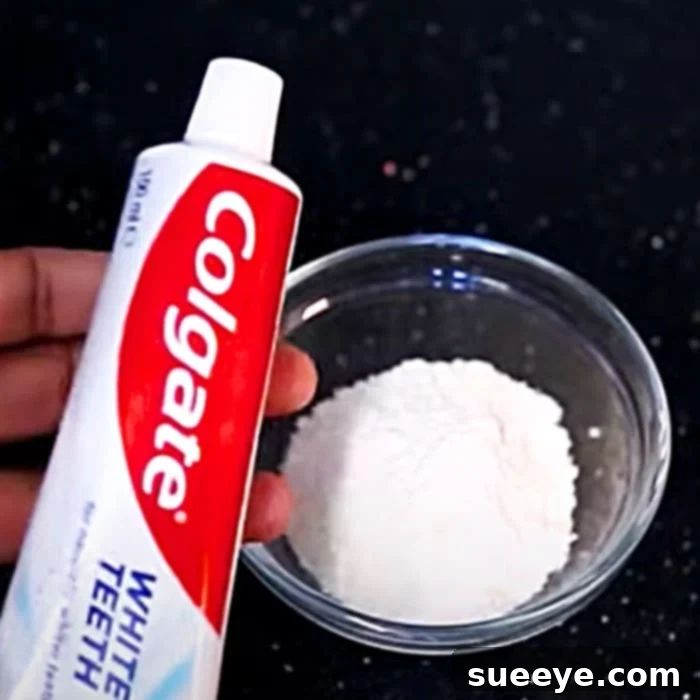
Begin by taking a clean, medium-sized mixing bowl. Add 3 teaspoons of sugar and 4 teaspoons of all-purpose flour to the bowl. Stir these dry ingredients together thoroughly. The sugar acts as a primary attractant for cockroaches, luring them to the bait, while the flour serves as a binder, helping to form the dough consistency and providing a palatable base.
Step 2: Add Toothpaste and Initial Water
Next, squeeze 2 to 3 teaspoons of toothpaste into the bowl with the sugar and flour. Start with 2 teaspoons of water and begin mixing all the ingredients. The goal is to create a thick, pliable dough. The toothpaste is the active ingredient, and its specific compounds contribute to the bait’s effectiveness against the roaches.
Step 3: Adjust Consistency and Form Bait Balls
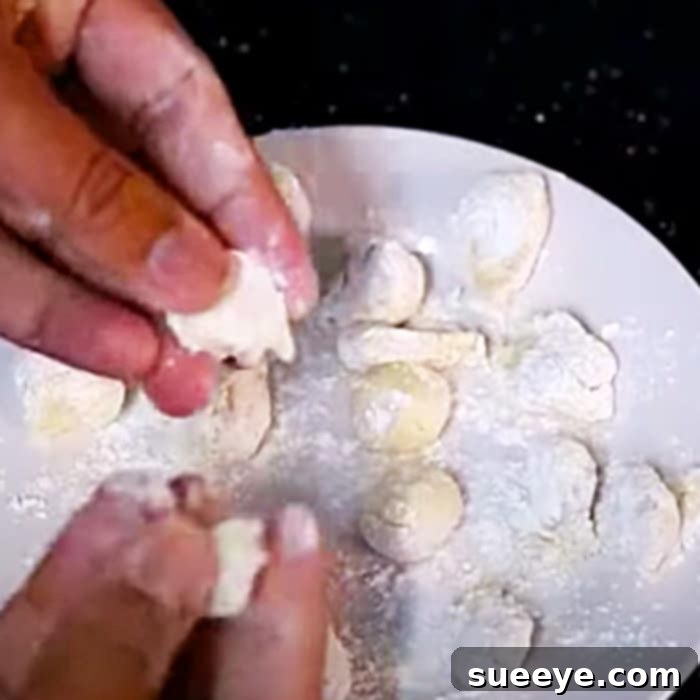
Continue mixing. If the mixture is too dry and crumbly, add water in very small increments (half a teaspoon at a time) until you achieve a dough consistency that can be easily rolled into small balls. The dough should be firm enough to hold its shape but soft enough to manipulate. Once the dough is ready, roll small portions of it into tiny balls, roughly the size of a pea or a small marble. These small sizes ensure they are appealing and easy for cockroaches to carry or consume.
Step 4: Strategic Placement for Maximum Effectiveness
The placement of these bait balls is critical for successful cockroach eradication. Position them in areas where cockroaches are known to hide or travel. These include dark, damp, and warm environments such as under sinks, behind refrigerators and dishwashers, inside kitchen cabinets, near plumbing pipes, in cracks and crevices in walls, and along baseboards. Ensure the bait balls are placed out of reach of children and pets, even though they are non-toxic, to prevent accidental ingestion. Regular monitoring and replacement of the bait balls every few days will help maintain their effectiveness until the cockroach problem subsides.
This is a truly effective and non-toxic roach bait recipe for humans, offering peace of mind alongside powerful pest control.
Beyond Cockroaches: Lemon and Cinnamon for Other Pests
While the toothpaste bait targets cockroaches, other common household pests like ants can be effectively deterred using different natural remedies. Lemon and cinnamon, both readily available, offer excellent solutions.
Lemon Juice and Lemon-Scented Cleaners for Ants
Ants navigate primarily through scent trails, leaving pheromones that guide other ants to food sources. Lemon juice, being highly acidic, disrupts these trails and acts as a powerful natural repellent. Ants despise the strong citrus scent and its acidic properties, which interfere with their sensory receptors and communication systems.
- Application: To use lemon effectively, spray your countertops, kitchen sinks, window sills, and any other areas where you’ve noticed ant activity with a solution of fresh lemon juice diluted with a small amount of water. You can also wipe down surfaces with lemon-scented cleaners. The natural acidity cleans and disinfects while leaving behind a scent that ants find intolerable.
- Benefits: This method not only deters ants but also leaves your home smelling fresh and clean, without the harsh fumes of chemical repellents. Regular application around entry points and potential food sources will create an effective barrier.
Cinnamon as a Barrier Against Crawling Insects
Cinnamon is another fantastic natural deterrent, particularly effective against ants and other small crawling insects. Its strong aroma is pleasant to humans but overwhelming and disorienting for many pests, disrupting their ability to follow scent trails and navigate.
- Application: Sprinkle ground cinnamon liberally around entry points such as doorways, window sills, and any cracks or holes in your foundation. You can also draw lines of cinnamon powder directly on surfaces where ants are marching. For a less messy approach, place cinnamon sticks in strategic locations like pantries, near pet food bowls, or under cabinets.
- Benefits: The pungent smell of cinnamon creates a natural barrier that pests are reluctant to cross. It’s a completely safe and natural way to protect your home from unwanted visitors, adding a warm, inviting aroma to your indoor environment rather than a chemical one.
Integrated Natural Pest Management: A Holistic Approach
Achieving and maintaining a pest-free home often requires more than just tackling individual pests with single remedies. An integrated natural pest management approach combines these specific natural solutions with good household practices to create an environment that is generally unwelcoming to pests.
Key Practices for a Pest-Free Home:
- Maintain Impeccable Hygiene: Pests are primarily attracted to food and water. Regularly clean up food spills, wipe down counters, sweep and vacuum floors, and ensure dishes are washed promptly. Store all food in airtight containers to cut off their food supply.
- Eliminate Water Sources: Cockroaches, in particular, need water to survive. Fix leaky pipes, don’t leave standing water in sinks, and wipe down wet areas after use. Dehumidifiers can also help reduce moisture levels.
- Seal Entry Points: Inspect your home for cracks and crevices in walls, gaps around windows and doors, and holes in screens. Seal these potential entry points with caulk or weather stripping to prevent pests from entering.
- Declutter: Pests love to hide in clutter. Reduce stacks of newspapers, magazines, cardboard boxes, and other debris that can provide shelter.
- Regular Maintenance: Consistently apply natural deterrents like lemon spray for ants and replace toothpaste bait balls for cockroaches. Persistence is key to long-term success.
By combining the targeted application of natural remedies with these preventative measures, you create a robust defense system against a wide array of common household pests. This holistic strategy is not only highly effective but also promotes a healthier, safer, and more pleasant living environment for everyone in your household.
Safety and Important Considerations When Using Natural Pest Control
While natural pest control methods like those utilizing toothpaste, lemon, and cinnamon are generally considered safer than chemical alternatives, it’s still important to approach them with a mindful perspective. The term “non-toxic” for humans doesn’t mean “edible” or completely harmless if ingested in large quantities, especially by curious pets or very young children.
Keep Bait Out of Reach:
Even though the toothpaste bait is less harmful than chemical pesticides, the sugar content can be highly attractive to children and pets. Always place bait balls in discreet locations that are inaccessible to them, such as behind appliances, deep inside cabinets, or within sealed bait stations if available. Monitor the bait regularly and remove any that appear disturbed or partially consumed by non-target species.
Patch Testing for Acidic Solutions:
When using lemon juice, remember it’s acidic. While generally safe on most kitchen surfaces, it’s wise to perform a small patch test on an inconspicuous area first, especially on delicate surfaces like natural stone countertops (marble, granite) or certain types of wood, to ensure it doesn’t cause discoloration or damage. Diluting the lemon juice slightly can also help mitigate potential issues while retaining its effectiveness against ants.
Consistency is Key:
Natural pest control often requires more patience and consistent application than chemical methods. You might not see instant results, but with regular maintenance and adherence to the strategies outlined, you will gradually gain control over the pest population. Observe pest activity to fine-tune your placement and application frequency.
Know When to Call a Professional:
For severe or entrenched infestations, particularly those that persist despite diligent application of natural remedies, it may be necessary to consult a professional pest control service. Even then, you can specify your preference for eco-friendly or integrated pest management approaches that minimize chemical use. Natural solutions are incredibly powerful for prevention and managing minor to moderate infestations, forming a crucial part of a comprehensive pest management plan.
Conclusion: Embrace a Natural, Pest-Free Home
Dealing with household pests can be a frustrating experience, but it doesn’t have to involve harsh chemicals or expensive professional services. As demonstrated by innovative tutorials like the one from Mr. Maker on YouTube, effective and safe pest control solutions can often be found right within your home. The simple yet powerful methods of using toothpaste for cockroaches and lemon and cinnamon for ants offer a refreshing, eco-friendly approach to maintaining a healthy living environment.
By adopting these natural strategies, you’re not only eliminating bothersome pests but also making a conscious choice to protect your family, pets, and the planet from unnecessary chemical exposure. These DIY methods are cost-effective, easy to implement, and surprisingly potent when used consistently. Remember that a proactive approach, combining these natural remedies with good household hygiene and sealing entry points, forms the strongest defense against future infestations.
Empower yourself with the knowledge that a pest-free home is achievable through simple, natural means. Give these methods a try and experience the peace of mind that comes with knowing you’re managing your home naturally and responsibly. Say goodbye to unwanted guests and hello to a cleaner, safer, and more serene living space.