
Spring is a time of renewal and excitement for gardeners, and the allure of raised garden beds is undeniable. These versatile planting structures offer numerous benefits, from improved soil drainage and easier access to better pest control. However, embarking on a raised bed gardening journey without proper foresight can lead to common pitfalls that waste precious time, effort, and resources. To help you cultivate a thriving and productive garden this season, we’ve compiled a comprehensive guide to the top five gardening mistakes to avoid when setting up your raised beds, drawing insights from experienced gardeners and horticultural best practices.
Whether you’re a seasoned green thumb or a budding beginner, understanding these potential missteps will equip you with the knowledge to establish a successful and sustainable raised bed garden. From meticulously planning your layout to understanding the nuances of soil composition and optimal planting times, each step is crucial for maximizing your yields and minimizing frustration. Let’s delve into these essential considerations to ensure your spring gardening endeavors flourish.
Top 5 Raised Bed Gardening Mistakes to Avoid This Spring
#1 Not Having a Strategic Plan for the Overall Garden Space
One of the most significant oversights new raised bed gardeners make is failing to envision the complete layout of their garden before constructing or placing their beds. While the enthusiasm to start planting is understandable, a lack of comprehensive planning can lead to inefficiencies, accessibility issues, and regret down the line. Raised beds represent a substantial investment of both time and money, making a strategic approach absolutely essential.
Begin by assessing your entire outdoor area. Consider factors such as sunlight patterns throughout the day and across seasons – most vegetables and herbs require at least 6-8 hours of direct sunlight. Evaluate the topography for optimal drainage; you want to avoid areas where water naturally pools. Think about accessibility: how will you reach all parts of your raised beds? Will pathways be wide enough for wheelbarrows or garden tools? Are your beds positioned conveniently close to a water source?
Furthermore, consider future expansion. While it’s often wise to start small to gain experience, having a long-term vision allows you to place your initial beds in a way that accommodates additional beds, composting bins, tool sheds, or other garden features you might want to add later. Plan for adequate spacing between beds for comfortable movement and air circulation around your plants. Sketch out different layouts, considering the flow of your garden and how it integrates with your existing landscape. A well-thought-out plan ensures that your raised beds enhance your garden’s functionality and aesthetic appeal, rather than creating an isolated, inconvenient planting zone.
#2 Not Having an Efficient Watering Plan
Water is the lifeblood of any successful garden, and raised beds are no exception. In fact, raised beds tend to dry out faster than in-ground gardens due to increased air circulation around the sides and better drainage. Overlooking a consistent and efficient watering strategy can quickly lead to stressed plants, poor growth, and diminished yields. Fortunately, a watering system doesn’t need to be complex or costly; it simply needs to be effective and reliable.
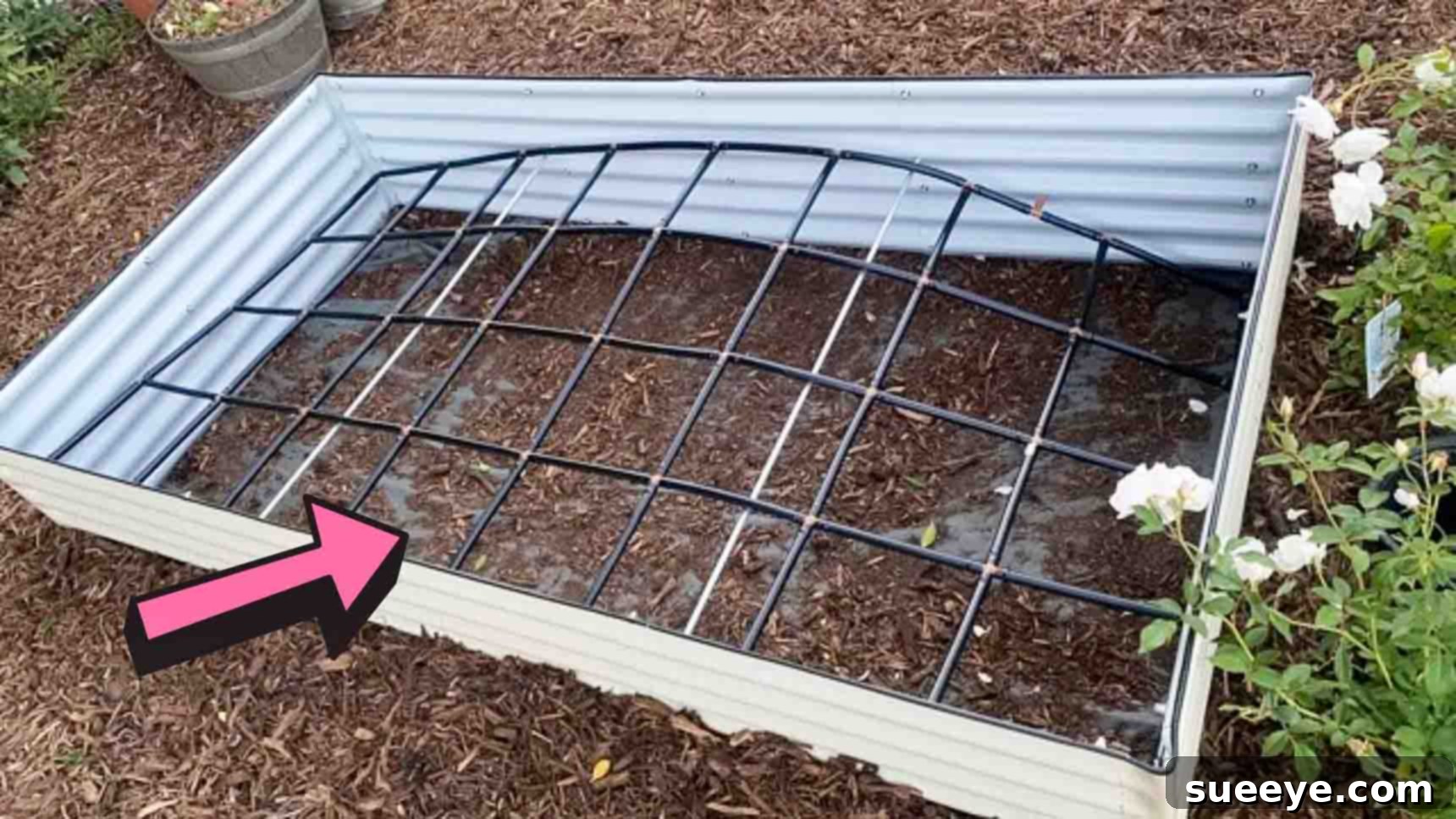
The simplest approach involves manual watering with a hose or watering can, but this can be time-consuming and inconsistent, especially as your garden grows. A more efficient solution is a drip irrigation system. These systems deliver water directly to the plant’s root zone, minimizing evaporation and water waste. They can be easily set up using a standard garden hose and connected to a battery-operated timer. The timer allows for automated watering at specific intervals, ensuring your plants receive the right amount of moisture even when you’re away or busy.
Other options include soaker hoses, which slowly release water along their length, or even a well-placed sprinkler if coverage is adequate and waste is minimized. When planning your watering system, consider the specific needs of your plants – some require more water than others. Regularly checking soil moisture levels is also crucial, as weather conditions can significantly impact water requirements. Investing in a thoughtful watering plan will conserve water, save you effort, and most importantly, contribute significantly to the health and vitality of your raised bed garden.
#3 Not Ensuring Sufficient Soil Depth
The foundation of healthy plant growth lies beneath the surface, specifically in the depth of your soil. A common error in raised bed gardening is not filling the beds with enough soil, thereby limiting the space available for roots to grow and thrive. While raised beds offer excellent drainage, inadequate soil depth can lead to stunted growth, reduced yields, and plants that are more susceptible to drought and nutrient deficiencies.
For most vegetables and herbs, raised beds should ideally be between 12 to 18 inches deep. This depth provides ample room for root systems to expand, anchor the plant securely, and access a wider range of nutrients and moisture. Shallower beds restrict root development, making plants prone to toppling over and unable to reach deeper water reserves during dry spells. If you’re planning to grow root crops like carrots, potatoes, or radishes, deeper beds are even more critical.
For very tall raised beds (exceeding 18 inches), filling the entire volume with expensive garden soil can be cost-prohibitive. This is where the ancient “hugelkultur” method comes into play. Hugelkultur involves layering organic materials at the bottom of your raised bed, which decompose over time, providing a slow-release nutrient source, retaining moisture, and reducing the amount of purchased soil needed. Start with larger logs and branches at the very bottom, followed by smaller sticks, wood chips, leaves, straw, grass clippings, and compost, before topping it off with your high-quality garden soil. This method not only saves money but also creates a living, dynamic ecosystem within your raised bed, benefiting your plants for years to come.
#4 Underestimating the Critical Importance of Soil Quality
If there’s one golden rule in gardening, it’s that soil truly matters – it’s arguably the most critical factor determining your garden’s success. Thinking that “any soil will do” for a raised bed is a grave mistake that can undermine all your other efforts. Healthy soil is not just dirt; it’s a living ecosystem teeming with microorganisms, nutrients, and organic matter that directly impacts plant vitality, disease resistance, and overall productivity.
What defines healthy soil for raised beds? It should be light, fluffy, and porous, allowing for excellent drainage while simultaneously retaining adequate moisture. This structure facilitates good aeration, which is vital for root respiration and the health of beneficial soil organisms. High-quality soil is rich in organic matter, such as compost, which acts like a sponge, holding water and nutrients and slowly releasing them to plants. Organic matter also improves soil structure, preventing compaction and fostering a thriving microbial community.
Before filling your beds, consider investing in a high-quality raised bed mix, or create your own blend using a combination of topsoil, compost, and other amendments like perlite or vermiculite for drainage and aeration. Avoid using heavy garden soil directly from your yard, as it may compact too easily in a raised bed environment and lack the necessary nutrients. Regularly amend your soil with fresh compost each season to replenish nutrients and maintain its optimal structure. Remember, the more you nurture and care for your soil, the more it will improve over time, becoming the bedrock of a consistently successful and bountiful garden.
#5 Planting Crops at the Incorrect Time
Gardening success isn’t just about what you plant, but also when you plant it. Planting at the wrong time is a common mistake that can lead to poor germination, stunted growth, bolting (premature flowering), or even crop failure. Each plant has specific environmental requirements, particularly concerning temperature, and understanding these needs is crucial for maximizing your yields.
Plants are generally categorized as either cool-season or warm-season crops. Cool-season crops, such as lettuce, spinach, kale, peas, radishes, and broccoli, thrive in cooler temperatures of spring and fall. They prefer temperatures between 50-70°F (10-21°C) and can often tolerate light frosts. Planting these too late into warm weather will cause them to bolt, turning bitter and unusable.
Warm-season crops, including tomatoes, peppers, corn, beans, squash, and cucumbers, require consistently warm temperatures, typically above 60-65°F (15-18°C), both day and night, and are very sensitive to frost. Planting them too early when there’s still a risk of frost can severely damage or kill the plants. It’s essential to know your local average last frost date in spring and first frost date in fall. Resources like your local agricultural extension office or online gardening sites can provide this crucial information based on your USDA plant hardiness zone.
Always refer to seed packets or plant tags for specific planting instructions, including optimal soil temperatures, spacing, and maturity dates. Consider using tools like soil thermometers to ensure your beds are warm enough for warm-season crops. For an extended growing season, explore options like row covers or cold frames to protect early plantings from unexpected cold snaps or to shield cool-season crops from early summer heat. Aligning your planting schedule with the natural cycles of your chosen crops and your local climate will significantly increase your chances of a successful harvest.
Embarking on a raised bed gardening adventure can be incredibly rewarding, transforming your backyard into a vibrant oasis of fresh produce and beautiful blooms. By proactively addressing these common spring gardening mistakes, you set yourself up for not just a good season, but a consistently thriving garden year after year. From the initial strategic planning of your space and the implementation of an efficient watering system, to prioritizing deep, nutrient-rich soil and understanding the precise timing for planting each crop, every step contributes to the overall health and productivity of your raised beds. Remember, gardening is a continuous learning process, and even seasoned gardeners encounter challenges. By learning from these common pitfalls, you can cultivate not only a bountiful harvest but also a deeper connection with the natural world right in your own backyard. Happy gardening!