
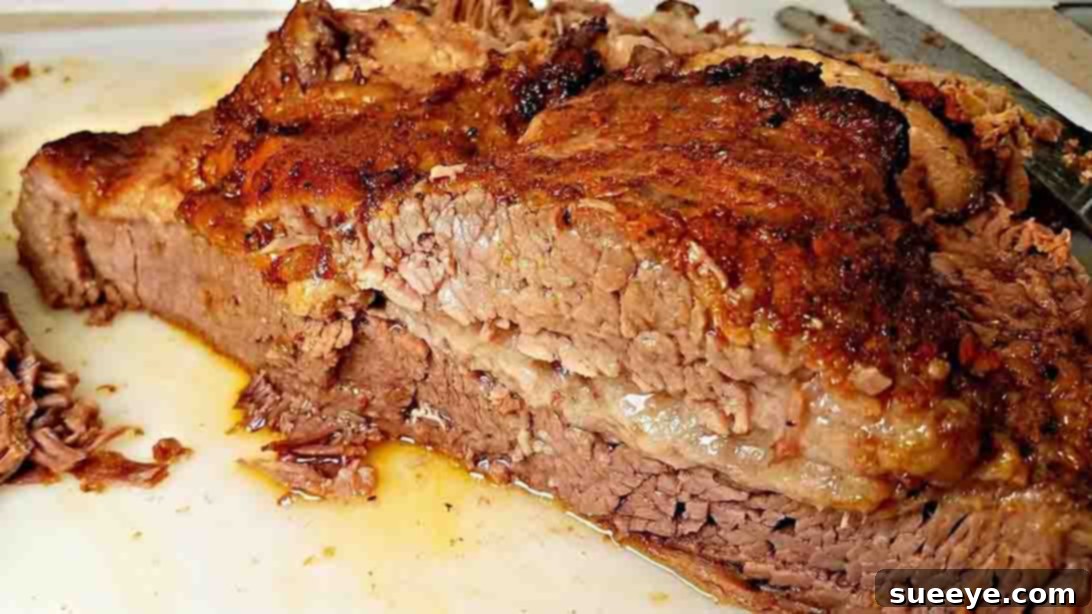
Ultimate Texas-Style Oven Brisket: A Slow-Cooked Masterpiece
If you’ve ever dreamt of serving a melt-in-your-mouth, deeply flavorful Texas-style brisket without the need for a smoker, your culinary journey ends here. This ultimate Texas-style oven brisket recipe brings the authentic taste of slow-cooked perfection right into your kitchen. Inspired by the fantastic method shared by Simply Mamá Cooks on YouTube, this recipe transforms a humble cut of beef into a show-stopping dish that will have your family and friends raving.
Imagine your home filled with the enticing aromas of savory spices and slow-roasting beef – that’s precisely what this recipe delivers. We’re talking about incredibly tender brisket, infused with a homemade dry rub that strikes the perfect balance of sweet, smoky, and spicy, all finished with a rich, tangy barbecue sauce made from the pan drippings. This isn’t just a meal; it’s an experience, a staple in my home, and a guaranteed crowd-pleaser that proves you don’t need a professional smoker to achieve barbecue excellence.
Forget complicated techniques and long hours babysitting a grill. Our oven-baked approach ensures consistent temperature control and a moist cooking environment, making it surprisingly accessible for home cooks of all skill levels. Whether you’re a seasoned chef or new to brisket, follow these steps to unlock the secrets of a truly unforgettable Texas-style brisket. Get ready to impress!
Why Choose Oven Brisket? The Advantages of Indoor Slow-Cooking
While traditional Texas brisket is synonymous with low-and-slow smoking, cooking brisket in your oven offers several undeniable advantages, especially for the home cook. The primary benefit is convenience and accessibility. Not everyone has a smoker, but almost every kitchen has an oven. An oven provides a consistent, controlled environment, eliminating variables like external weather conditions, fuel management, and constant temperature monitoring that come with outdoor smoking.
Moreover, an oven allows for a deeply moist cooking method. By covering the brisket tightly, we create a steamy environment that tenderizes the meat beautifully, ensuring it stays juicy throughout its long cooking time. This method also allows the brisket to braise in its own juices and the added beef broth, creating an incredibly flavorful foundation for our homemade barbecue sauce. You still get that rich, robust beef flavor, combined with the convenience of indoor cooking, making it an excellent option for year-round enjoyment, regardless of the weather outside.
Understanding Your Brisket: The Key to Success
Before diving into the recipe, a quick understanding of brisket itself is helpful. Brisket is a cut of beef from the lower chest or breast of the cow. It’s known for being tough if not cooked correctly, but when slow-cooked, it transforms into something incredibly tender and flavorful. Most briskets come in two main parts: the “flat” (leaner and more uniform) and the “point” (fattier and more marbled). A “full packer” brisket includes both.
For this recipe, a whole brisket (6-8 lbs) is ideal, allowing for both the leaner flat and the richer point to cook together, providing a diverse texture experience. Trimming is crucial – you want to remove excess hard fat, but leave a thin layer (about 1/4 to 1/2 inch) of the fat cap on one side. This fat cap renders down during cooking, basting the meat and contributing immensely to its moisture and flavor. Don’t be shy about asking your butcher for help if you’re unsure about trimming.
Ingredients for Your Texas-Style Oven Brisket
Gathering the right ingredients is the first step towards culinary success. This recipe uses simple, high-quality components to build layers of incredible flavor.
- 6 – 8 lbs whole brisket (trimmed): The star of our dish. A well-trimmed brisket will yield the best results.
- 2 lbs sliced white onions: These onions form a flavorful bed for the brisket and are later incorporated into the rich barbecue sauce.
- 2 cups of beef broth: Adds moisture and depth to the braising liquid, preventing the brisket from drying out.
- 1/3 cup to 1/2 cup homemade brisket rub: The cornerstone of Texas-style flavor, this custom blend penetrates the meat for hours of deliciousness.
Crafting Your Signature Homemade Dry Rub: The Essence of Texas Flavor
A truly exceptional Texas-style brisket relies heavily on a robust and flavorful dry rub. This homemade blend combines classic barbecue spices, creating a complex profile that is savory, subtly sweet, and wonderfully smoky. Making your own rub allows you to control the quality and freshness of ingredients, ensuring maximum impact.
- 2 1/2 tbsp salt: Essential for seasoning and drawing out moisture from the surface to create a delicious bark.
- 1 1/2 tbsp ground black pepper: Adds a pungent, sharp kick – a cornerstone of any good Texas rub.
- 2 tbsp garlic powder: Provides a foundational aromatic depth without the risk of burning fresh garlic.
- 2 tbsp onion powder: Complements the garlic, adding another layer of savory aroma.
- 2 tbsp lemon powder: An often-overlooked secret ingredient, lemon powder adds a subtle bright, tangy note that cuts through the richness of the beef and helps tenderize the meat. If unavailable, a tablespoon of lemon zest can be dried and used, or simply omit.
- 3 tbsp brown sugar: Contributes a touch of sweetness that helps balance the savory spices and promotes a beautiful caramelized crust (bark) during cooking.
- 4 tbsp smoked paprika: The powerhouse for smoky flavor and rich color, crucial for that authentic barbecue taste.
- 1 1/2 tsp ground cumin: Adds an earthy, warm, and slightly pungent flavor that is characteristic of many regional American barbecue styles.
Homemade Barbecue Sauce: The Perfect Tangy Finish
While the brisket itself is a star, the homemade barbecue sauce elevates it to another level. What makes this sauce truly special is its base: the caramelized onions and flavorful pan drippings from the brisket’s slow roast. This ensures a sauce that perfectly complements the meat.
- Onions (from the roasting pan): These onions are deeply flavored from cooking with the brisket and form the backbone of our sauce.
- 1 1/2 to 2 tbsp brisket rub: Reinforces the brisket’s flavor profile within the sauce.
- 8 oz tomato puree: Provides the classic tangy, robust body of a barbecue sauce.
- 1 1/2 tbsp apple cider vinegar: Adds essential acidity and tanginess, brightening the sauce and cutting through the richness.
- 1 tbsp Worcestershire sauce: Contributes a deep umami flavor and complexity.
- 1/4 cup brown sugar (packed): Balances the acidity and heat with a rich sweetness, aiding in caramelization.
- 1 tbsp spicy brown mustard: Offers a zesty kick and emulsifying properties, adding a distinct layer of flavor.
Step-by-Step Directions: Crafting Your Perfect Oven Brisket
Follow these detailed instructions carefully to ensure your brisket is moist, tender, and bursting with flavor. Patience is key when slow-cooking!
Step 1: Preparing the Brisket and Applying the Dry Rub
The journey to an incredible brisket begins with proper preparation and an overnight marinade. This step is crucial for infusing flavor deep into the meat.
In a medium-sized bowl, meticulously combine all the ingredients for your homemade dry rub: 2 1/2 tablespoons of salt, 1 1/2 tablespoons of ground black pepper, 2 tablespoons of garlic powder, 2 tablespoons of onion powder, 2 tablespoons of lemon powder (if using), 3 tablespoons of brown sugar, 4 tablespoons of smoked paprika, and 1 1/2 teaspoons of ground cumin. Whisk everything together thoroughly until the spices are evenly distributed and no clumps remain. This ensures every part of the brisket gets a balanced flavor profile.
Next, take your trimmed whole brisket and generously apply about half of the homemade rub onto its entire surface, pressing it gently to ensure it adheres well. Don’t be shy; you want a good coating. The spices will work their magic over time, penetrating the meat fibers. The remaining half of the rub should be stored in an airtight container for later use – you’ll need a bit more for the onions and the barbecue sauce. Once the brisket is thoroughly seasoned, carefully place it into a large ziplock bag or a shallow dish covered tightly with plastic wrap. Transfer it to the refrigerator and allow it to marinate overnight, ideally for at least 12-24 hours. This extended marination period is vital for deep flavor infusion and helps tenderize the meat, promising an exceptionally delicious outcome.
Step 2: Searing, Roasting, and Resting Your Brisket
This is where the magic of slow-cooking truly begins, building layers of flavor and achieving that coveted tenderness.
The following day, remove the brisket from the refrigerator about an hour before cooking to allow it to come closer to room temperature. This promotes more even cooking. Preheat your oven to a steady 350 degrees F (175 degrees C). Place a large, heavy-bottomed roasting pan or Dutch oven on your stovetop over medium-low heat. Add about 1/4 cup of your preferred cooking oil (like vegetable or canola oil). Once the oil shimmers, carefully place the brisket into the hot pan. Sear the brisket for approximately five minutes on each side until a beautiful golden-brown crust forms. This searing step is crucial; it locks in juices and develops deep, complex flavors through the Maillard reaction.
Once seared, remove the brisket from the pan and set it aside. Into the same roasting pan, add your two pounds of sliced white onions. The onions will absorb all the delicious rendered fat and fond left by the brisket. Season the onions with approximately 1/2 teaspoon of the reserved homemade brisket rub, stirring to coat them evenly. Sauté the onions gently, stirring occasionally, until they become soft and translucent, which usually takes about 5-7 minutes. This process sweetens the onions and builds a savory foundation.
Pour in 2 cups of beef broth, scraping up any browned bits from the bottom of the pan – these bits are packed with flavor! Stir well to combine the broth and onions. Now, carefully return the seared brisket to the roasting pan, ensuring the fat cap side is facing upwards. This allows the fat to slowly render and baste the meat as it cooks. Cover the roasting pan tightly with heavy-duty aluminum foil. For extra security, you can even use two layers of foil to create an airtight seal, trapping all the moisture and steam within.
Transfer the covered roasting pan to your preheated oven. Cook the brisket for approximately one hour per pound. For an 8-pound brisket, this means about 8 hours. The low-and-slow cooking method is essential for breaking down the tough connective tissues in the brisket, resulting in incredible tenderness. During the last hour or so, you might check the internal temperature, aiming for around 200-205°F (93-96°C) for a truly fall-apart tender brisket. Once the cooking time is complete, remove the brisket from the oven, but whatever you do, DO NOT unwrap it immediately! Let the brisket rest, still covered, for a crucial one to two hours on your countertop. This resting period allows the muscle fibers to relax and reabsorb the juices, ensuring a supremely moist and flavorful final product. Patience here will be greatly rewarded.
Step 3: Crafting the Signature Barbecue Sauce
While your brisket is resting, it’s the perfect time to transform those flavorful pan drippings and caramelized onions into an irresistible barbecue sauce.
Carefully pour the liquid and onions from the roasting pan into a saucepan. Place the saucepan over low heat on your stovetop. Using the back of a spoon or a potato masher, gently mash the cooked onions, releasing even more of their deep, savory flavors into the liquid. Season this onion-infused base with an additional 1 1/2 tablespoons of your reserved brisket seasoning, mixing well to ensure the spices are fully incorporated. This step reintroduces and intensifies the core flavors of your brisket into the sauce.
Next, add the remaining barbecue sauce ingredients: 8 ounces of rich tomato puree, 1 1/2 tablespoons of tangy apple cider vinegar, 1 tablespoon of savory Worcestershire sauce, 1/4 cup of packed brown sugar, and 1 tablespoon of spicy brown mustard. Stir all the ingredients together vigorously until they are thoroughly combined and the sugar has dissolved. Bring the sauce to a gentle simmer, allowing it to cook for five to ten minutes. This simmering period is crucial for the flavors to meld beautifully and for the sauce to thicken slightly. Taste and adjust seasonings as needed – perhaps a pinch more salt, a dash more vinegar, or a bit more sugar to achieve your desired balance of sweet, tangy, and savory.
Once the sauce has reached your preferred consistency and flavor, remove it from the heat. You can serve it chunky with the onions, or for a smoother sauce, you can carefully blend it with an immersion blender or transfer it to a regular blender (be cautious with hot liquids!) until silky smooth. Set aside until you’re ready to serve your magnificent brisket.
Serving Your Texas-Style Oven Brisket
After the brisket has rested for the recommended time, it’s finally ready to be unveiled. Carefully unwrap the foil and transfer the brisket to a cutting board. The most important tip for slicing brisket is to always slice against the grain. This shortens the meat fibers, making each slice incredibly tender and easy to chew. Use a sharp slicing knife and cut the brisket into slices about 1/4 to 1/2 inch thick.
Serve your perfectly tender, juicy brisket hot, generously drizzled with the homemade barbecue sauce. For a classic Texas barbecue experience, pair it with traditional sides such as creamy coleslaw, tangy potato salad, soft cornbread, crisp dill pickles, and a slice of white bread to soak up all the delicious juices. It also makes for fantastic sandwiches!
Tips for Brisket Success: Mastering the Art of Oven Slow-Cooking
- Don’t Skip the Trim: Properly trimming the brisket ensures even cooking and prevents excessively fatty bites. Aim for a 1/4 to 1/2 inch fat cap.
- Marinate for Maximum Flavor: The overnight rub is not just for flavor; salt helps tenderize the meat. Give it at least 12 hours.
- Sear for the Bark: Searing creates a delicious crust (the “bark”) that adds texture and deep flavor.
- Cover Tightly: A tight seal with foil traps moisture, crucial for tenderizing the brisket in the oven.
- Low and Slow is Key: Resist the urge to rush the cooking process. The long, slow cook breaks down tough connective tissues.
- Use a Meat Thermometer: While timing is a guide, internal temperature is the ultimate indicator. Aim for 200-205°F (93-96°C) for fork-tender results.
- Resting is Non-Negotiable: This is arguably the most critical step. Resting allows juices to redistribute, ensuring a moist brisket. Cutting too early will result in dry meat.
- Slice Against the Grain: Find the direction of the muscle fibers and slice perpendicularly. This makes a huge difference in tenderness.
- Adjust Seasoning: Taste your rub and your barbecue sauce as you go. Adjust salt, sugar, or spice levels to suit your personal preference.
- Leftovers are a Treat: Leftover brisket makes incredible sandwiches, tacos, or chili. Store tightly covered in the refrigerator.
Conclusion: Your New Go-To Oven Brisket Recipe
This Texas-style oven brisket recipe proves that you don’t need fancy equipment to create an incredibly tender, flavorful, and aromatic barbecue masterpiece. With a simple yet potent homemade rub, a slow-cooking process in your own oven, and a tangy homemade sauce built from the pan drippings, you’ll produce a brisket that rivals those from the best smokehouses. It’s a recipe designed for success, filling your home with wonderful smells and your table with truly memorable food. So, roll up your sleeves, gather your ingredients, and prepare to delight your taste buds with this unforgettable slow-cooked oven brisket. Your family will thank you!