
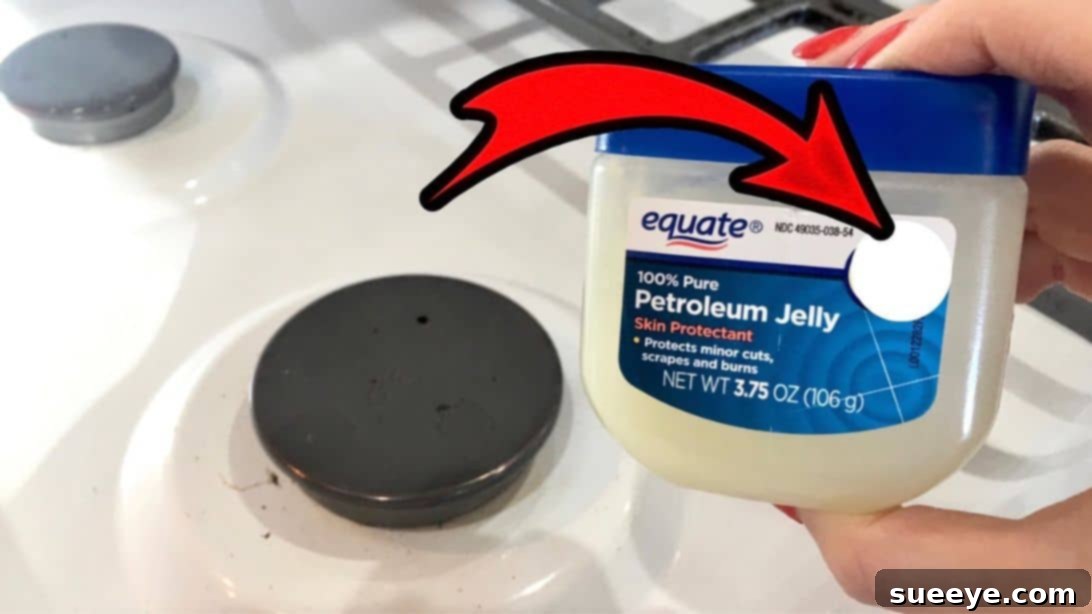
The Unexpected Vaseline Stovetop Cleaning Hack: Achieve Effortless Shine and Long-Lasting Protection
Keeping a stovetop pristine often feels like a never-ending battle against stubborn grease, food splatters, and burnt-on grime. While diligent wiping immediately after cooking is ideal for preventing buildup, life often gets in the way. For many, including myself, there are times when immediate cleaning isn’t possible, leading to accumulated dirt that becomes incredibly tough and resistant to simple scrubbing. This frustrating cycle can make the kitchen feel perpetually messy, even after a quick wipe-down. If you’ve ever felt defeated by a stovetop that just won’t come clean, prepare to be amazed. I stumbled upon a truly ingenious method shared by Andrea Jean Cleaning on YouTube, and it has absolutely revolutionized my kitchen cleaning routine. This hack is so remarkably effective that it has become my consistent, go-to solution.
I’m incredibly excited to share this game-changing trick with you today, hoping it will bring the same relief and sparkling results to others facing similar stovetop cleaning struggles. The secret lies in applying a simple, protective barrier to your stovetop surface. This not only makes subsequent cleaning much easier – allowing you to simply wipe away dirt and grease – but it also leaves your stovetop with an incredible, high-gloss shine. This innovative approach slashes the time you spend on cleaning and significantly reduces the effort required, turning a dreaded chore into a surprisingly simple task. You might even find yourself enjoying the process as you watch your stovetop transform. Discover the magic for yourself and reclaim your kitchen’s sparkle!
Why Stubborn Stovetop Grime is a Universal Kitchen Challenge
The stovetop is arguably one of the most frequently used appliances in any kitchen, and consequently, one of the most challenging to keep clean. From simmering sauces that boil over to oil splattering during frying, and the inevitable crumbs and spills, your stovetop endures a constant barrage of culinary mishaps. When these residues are left to sit, especially with repeated heating cycles, they bake onto the surface, creating a hard, sticky, and incredibly stubborn layer of grime. This isn’t just unsightly; it can also affect the efficiency of your burners and even pose hygienic concerns.
Traditional cleaning methods often involve harsh chemical cleaners, vigorous scrubbing, and a significant amount of elbow grease, none of which guarantee pristine results, especially against older, more embedded stains. Many people resort to specialized tools or spend considerable time scraping, only to find residual streaks or dull patches. The constant effort required can lead to procrastination, further compounding the problem and making the task seem even more daunting. This vicious cycle leaves many homeowners searching for a more efficient, less taxing solution that delivers truly remarkable results without damaging their appliance. Enter the Vaseline cleaning hack, a surprisingly simple yet powerful answer to this common kitchen conundrum.
Introducing the Revolutionary Vaseline Stovetop Cleaning Hack
For years, I’d experimented with various cleaners and techniques, often feeling like I was just moving dirt around or spending an unreasonable amount of time on a single appliance. The idea of using something as commonplace as petroleum jelly (Vaseline) for cleaning seemed counterintuitive at first – wouldn’t it just make things greasier? However, the results speak for themselves, and the underlying principle is remarkably clever. This hack isn’t just about cleaning; it’s about conditioning and protecting your stovetop, creating a surface that repels future messes and maintains a brilliant shine.
The beauty of this method lies in its simplicity and its dual action. Petroleum jelly acts as a mild abrasive when paired with the right tool, helping to lift and dissolve caked-on residue. More importantly, it leaves behind a thin, invisible layer that acts as a protective barrier. This barrier fills in microscopic pores and imperfections on the stovetop surface, preventing new dirt and grease from adhering tightly. When you next cook, spills and splatters sit on top of this protective layer, making them incredibly easy to wipe away with minimal effort. It’s a proactive approach to cleaning that saves you time and energy in the long run.
Materials for This Stovetop Transformation:
- Vaseline (Petroleum Jelly)
- Soft Microfiber cloth (several may be useful)
- Protective Gloves
- Fine Steel wool, #0000 grade (for stubborn spots only)
- Optional: Mild dish soap and water for initial wipe-down
Step-by-Step Guide: How to Clean Your Stovetop with Vaseline
1. Preparation and Safety First
Before you begin, ensure your stovetop is completely cool to the touch. Safety is paramount, so always wear protective gloves to keep your hands clean and protected from any residue. If your stovetop is particularly greasy or has loose food particles, it’s a good idea to give it a quick wipe-down with a damp cloth and a drop of dish soap first. This will remove the superficial dirt and allow the Vaseline to work more effectively on the embedded grime. Remove any grates, burner caps, or drip pans if your stovetop has them, and set them aside for separate cleaning.
2. Applying the Petroleum Jelly
Take a clean, dry microfiber cloth and dip it generously into the Vaseline. You don’t need to glob it on, but ensure you have enough to create a thin, even layer. Begin to rub the Vaseline-infused cloth across the entire surface of your stovetop. Work in small sections, applying gentle, circular motions. The goal is to create a thin, consistent layer that covers all areas. As you rub, you might notice the Vaseline starting to pick up some of the embedded dirt and grease. Don’t be alarmed if the cloth gets dirty; this means it’s working! Continue until the entire surface is covered.
3. Addressing Stubborn Spots with Precision
For those incredibly stubborn, baked-on stains near the burners or in crevices that resist the initial Vaseline application, this is where your #0000 grade steel wool comes in handy. This ultra-fine steel wool is crucial as it’s designed to be non-abrasive to most surfaces, minimizing the risk of scratching. Take a small piece of the steel wool, moisten it slightly with a tiny bit more Vaseline (or just use it dry over the existing Vaseline layer), and gently rub the problem areas. Use minimal pressure and work in short, controlled strokes. You’ll be amazed at how effectively it lifts away even the toughest residue. Immediately after treating a stubborn spot, rub over it again with your Vaseline-dipped microfiber cloth to smooth out the surface and ensure even coverage.
4. Buffing for Brilliant Shine
Once you’ve applied the Vaseline to the entire stovetop and addressed any stubborn spots, it’s time to buff. Using a fresh, clean, and dry microfiber cloth, begin to polish the stovetop surface. Use brisk, circular motions to buff away any excess Vaseline. You’ll notice a remarkable transformation as the stovetop sheds its dullness and starts to gleam. The key is to keep buffing until no oily residue remains and the surface is smooth and shiny to the touch. This buffing action is what brings out the incredible luster and helps to create that protective layer.
5. The Long-Lasting Protective Barrier
The thin layer of petroleum jelly that remains after buffing acts as a powerful protective barrier. This makes future cleaning significantly easier. This process can be done regularly, perhaps once a month, as a preventative measure. You can also apply it as part of your deeper cleaning routine or even after a quick daily wipe-down to maintain the shine and protection. This proactive approach means less scrubbing, less effort, and more time enjoying your sparkling clean kitchen.
The Remarkable Benefits of This Vaseline Cleaning Method
Embracing the Vaseline stovetop cleaning hack offers a host of advantages that extend far beyond simply having a clean surface:
- Effortless Cleaning: Say goodbye to endless scrubbing and scraping. This method significantly reduces the physical effort required to tackle baked-on grime.
- Time-Saving: Because it works so effectively, you’ll spend less time wrestling with your stovetop, freeing you up for other tasks or simply to relax.
- Unparalleled Shine: Vaseline not only cleans but also polishes, leaving your stovetop with a brilliant, streak-free luster that looks professionally cleaned.
- Protective Barrier: The thin film of petroleum jelly acts as a shield, preventing new food splatters and grease from adhering tightly, making future cleanups a breeze.
- Cost-Effective: Petroleum jelly is an inexpensive, readily available product, making this hack a budget-friendly alternative to costly specialized stovetop cleaners.
- Versatile Application: While primarily focused on stovetops, the conditioning and protective properties of Vaseline can be adapted for other metal surfaces in your kitchen (always test in an inconspicuous area first).
- Reduced Chemical Exposure: For those looking to minimize the use of harsh chemicals in their home, this method offers a gentle yet powerful alternative.
Maintaining Your Stovetop’s Luster: Beyond the Hack
While the Vaseline hack is incredibly powerful, integrating a few simple maintenance habits into your daily routine can further prolong the pristine condition of your stovetop:
- Immediate Spill Cleanup: Whenever possible, wipe up spills and splatters as soon as they occur, or as soon as the stovetop has cooled down. This prevents them from baking on and becoming stubborn stains.
- Daily Wipe-Down: After the last meal of the day, give your stovetop a quick wipe with a damp cloth and a drop of dish soap to remove any superficial food particles and grease.
- Regular Vaseline Application: Make the Vaseline hack a monthly ritual. This consistent application ensures the protective barrier is always in place, making daily cleaning much more efficient and preventing any significant buildup.
- Proper Ventilation: Using your range hood or exhaust fan while cooking helps to draw away grease and steam, reducing the amount of residue that settles on your stovetop.
- Use Appropriate Cookware: Ensure your pots and pans are the right size for your burners to minimize boil-overs and splatters.
By combining this powerful hack with mindful daily maintenance, you can ensure your stovetop remains a sparkling centerpiece of your kitchen for years to come. For more life-changing cleaning tips and hacks, you might find this article helpful: 8 Life-Changing Cleaning Hacks You Must Know!
Frequently Asked Questions About the Vaseline Stovetop Hack
It’s natural to have questions when trying an unconventional cleaning method. Here are some common queries and their answers:
Is it safe to use Vaseline on a stovetop?
Yes, when used correctly, it is safe. Petroleum jelly is non-flammable and generally inert. The key is to buff it thoroughly, ensuring no visible oily residue remains on the surface. Once buffed, the thin, almost imperceptible film is completely safe for cooking. Always ensure the stovetop is cool before applying and wiping.
How often should I apply Vaseline to my stovetop?
For optimal protection and shine, applying Vaseline once a month is usually sufficient for most households. If you cook heavily or find grease accumulates quickly, you might do it every two to three weeks. For a quick refresh and to re-establish the protective layer, you can even do a lighter application after a deep clean.
Can this hack be used on all types of stovetops?
This hack is generally very effective on stainless steel, enamel, and ceramic/glass cooktops. However, for ceramic or glass cooktops, it’s crucial to use the #0000 steel wool with extreme caution, applying minimal pressure, or skipping it entirely if you’re concerned about micro-scratches. Always test in an inconspicuous area first. For induction cooktops, the principle of cleaning and protection still applies, but ensure you follow manufacturer guidelines regarding any surface treatments.
Will Vaseline leave my stovetop greasy or sticky?
No, if you buff it properly with a clean microfiber cloth, your stovetop will feel smooth, clean, and shiny, not greasy or sticky. The goal is to remove all excess Vaseline, leaving only a microscopic, protective film behind. If it feels sticky, you haven’t buffed enough.
Can I use other household items like olive oil or cooking oil instead?
While some oils can offer a shine, Vaseline (petroleum jelly) is specifically chosen for its unique properties: its non-volatile nature means it won’t evaporate quickly, it forms a more stable and effective protective barrier, and it’s less prone to attracting dust or becoming rancid compared to edible oils. It also has a specific consistency that aids in lifting grime.
Comparing Vaseline to Other Stovetop Cleaning Methods
While baking soda and vinegar paste, commercial degreasers, or specialized stovetop cleaners all have their place, the Vaseline hack offers a distinct advantage. Baking soda and vinegar are excellent for cutting grease and mild abrasion, but they don’t provide the same long-lasting protective barrier or the high-gloss shine that Vaseline does. Commercial cleaners can be effective, but they often contain harsh chemicals and don’t typically condition the surface in the same way. The beauty of Vaseline lies in its dual-action: it cleans, helps lift stubborn grime, and then creates a durable, slick, and shiny layer that actively repels future messes. This makes it a standout solution for those seeking both immediate results and long-term stovetop maintenance with minimal effort.
For a complete visual guide on how to perform this amazing hack, make sure to watch the video tutorial. Seeing the process in action truly highlights how simple and effective it is.
*All images are credited to Andrea Jean Cleaning via YouTube. We highly recommend visiting her channel and subscribing for more brilliant cleaning tips and hacks!
Final Thoughts on Achieving a Sparkling Clean Kitchen
Tackling a greasy, grimy stovetop no longer needs to be a dreaded chore that consumes precious time and energy. The Vaseline cleaning hack is a testament to the power of simple, unconventional solutions that deliver extraordinary results. By embracing this method, you’re not just cleaning your stovetop; you’re investing in its long-term cleanliness and shine, transforming it from a source of frustration into a gleaming focal point of your kitchen. Give this incredible hack a try, and prepare to be amazed by the effortless sparkle you can achieve. Your future self, and your kitchen, will thank you!