
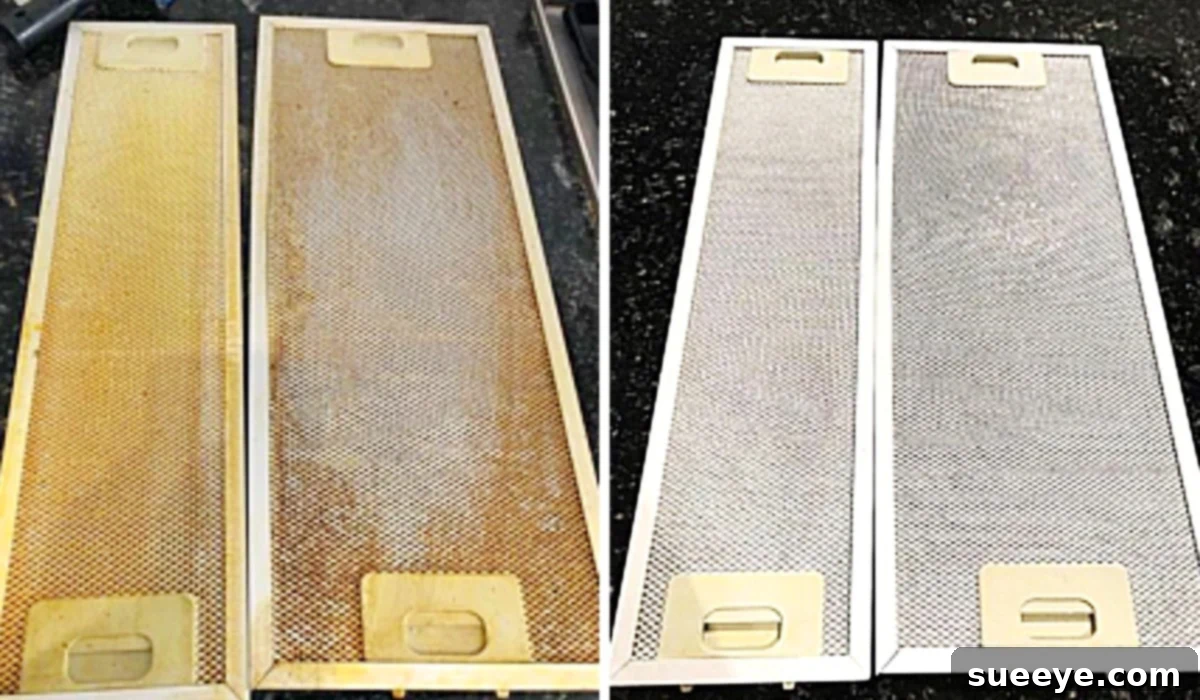
A clean kitchen is a happy kitchen, and often, the unsung hero that keeps it smelling fresh and free from greasy residue is your range hood. However, its filters bear the brunt of smoke, steam, and airborne grease, eventually becoming clogged and inefficient. Cleaning a range hood filter might appear to be a formidable task at first glance, but with the right approach and a few readily available materials, it’s surprisingly straightforward. This comprehensive guide will walk you through three highly effective methods to restore your greasy range hood filters to their pristine condition, ensuring optimal performance and a healthier kitchen environment. We’ll delve into the science behind each cleaning technique, offering detailed steps and valuable tips to make the process as simple and efficient as possible.
Maintaining a clean range hood filter is paramount for several reasons. Firstly, a clogged filter significantly reduces your hood’s ability to extract smoke, odors, and grease particles from your kitchen air. This leads to grease buildup on your walls, cabinets, and ceiling, making your entire kitchen feel sticky and unclean. Secondly, accumulated grease is a serious fire hazard. Should a flare-up occur on your stovetop, the grease-laden filter can easily ignite, posing a significant risk to your home and family. Lastly, an efficiently working range hood improves air quality, removes humidity, and helps to prolong the life of your appliance. Regular cleaning not only preserves the aesthetic appeal of your kitchen but also safeguards your home against potential dangers.
We discovered some fantastic insights and practical tips from the experts at Clean My Space on YouTube, who brilliantly demonstrated these three powerful techniques. These methods are designed to effectively loosen and dissolve even the most stubborn grease and grime from the deepest levels of the metal mesh, making removal effortless. Let’s get started on revitalizing your range hood filters!
Why Regular Range Hood Filter Cleaning Is Essential
Before diving into the “how-to,” it’s crucial to understand the “why.” Your range hood filter acts as the first line of defense against kitchen pollutants. Every time you cook, especially with oil or butter, tiny grease particles become airborne and are drawn into the range hood. These particles, along with steam and cooking odors, are trapped by the filter before the air is expelled or recirculated. Over time, these filters become saturated with a sticky, dark film of solidified grease.
- Improved Air Quality: Clean filters efficiently capture airborne contaminants, preventing them from recirculating into your kitchen and home.
- Reduced Fire Hazard: Grease is highly flammable. A clean filter dramatically lowers the risk of grease fires igniting within your hood.
- Optimal Hood Performance: Unclogged filters allow for better airflow, ensuring your range hood operates at peak efficiency, effectively removing smoke and odors.
- Extended Appliance Lifespan: When your range hood doesn’t have to work overtime due to clogged filters, its motor and other components experience less strain, potentially extending its lifespan.
- Aesthetic Appeal: A sparkling clean filter contributes to an overall cleaner and more inviting kitchen environment.
Essential Materials for Deep Cleaning Your Greasy Range Hood Filter:
Gathering your tools before you start will ensure a smooth and uninterrupted cleaning process. Most of these items are common household staples.
- Oxy Clean (or similar oxygen-based cleaner): A powerful degreaser that breaks down tough grease.
- Large Bucket or Sink: Essential for soaking methods, ensure it’s large enough to fully submerge your filters.
- Very Hot Water: Heat is crucial for dissolving grease.
- Stiff Bristle Brush or Old Toothbrush: For scrubbing away loosened grime.
- Newspaper or Old Towels: To protect your work surfaces during the baking method.
- Baking Tray: A sturdy tray for containing grease during the baking process.
- Steam Cleaner (optional but highly effective): For an eco-friendly and powerful degreasing option.
- Dish Soap: For a final wash and rinse.
- Rubber Gloves: To protect your hands from hot water and cleaning agents.
- Safety Goggles (recommended): Especially when dealing with steam or strong cleaners.
Preparation: Safely Removing Your Range Hood Filters
Before you begin any cleaning method, you must first safely remove the filters from your range hood.
- Turn Off Power: For safety, always ensure your range hood is turned off and unplugged from the power outlet, or switch off the circuit breaker that controls it.
- Locate Latches/Handles: Most range hood filters are held in place by small latches, rings, or spring-loaded clips. Gently pull these to release the filter.
- Carefully Remove: Support the filter as you release it to prevent it from dropping. Some filters may slide out of a track. Note how they are oriented for easier reinstallation.
- Inspect for Damage: While removed, take a moment to inspect your filters for any tears, bends, or significant damage. Severely damaged filters may need to be replaced rather than cleaned.
Three Effective Methods to Clean Your Greasy Range Hood Filters
Here are the detailed steps for each of the three proven methods to tackle even the toughest grease on your range hood filters. Choose the method that best suits your comfort level and available materials.
Method 1: The Powerful Oxy Clean Soak
This method leverages the degreasing power of oxygen-based cleaners combined with hot water to break down grease without excessive scrubbing. It’s ideal for heavily soiled filters that have a thick layer of buildup.
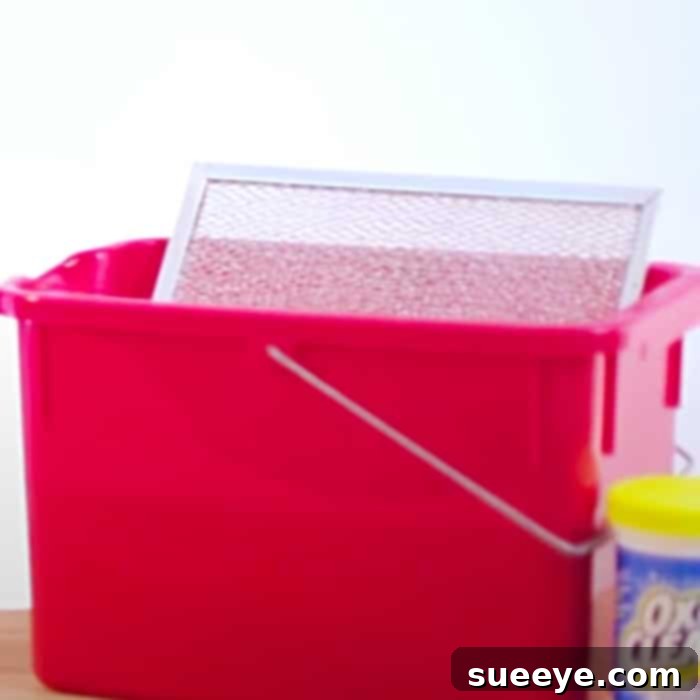
- Prepare Your Soaking Station: Find a large sink or a sturdy bucket that can comfortably fit your range hood filter(s). Ensure it’s clean before you start.
- Heat the Water: Fill your kettle or a large pot with water and bring it to a rolling boil. The hotter the water, the more effective it will be at dissolving grease. Carefully pour the hot water into your chosen soaking vessel.
- Add Oxy Clean: Following the product’s instructions, add a generous amount of Oxy Clean (or your preferred oxygen-based cleaner) to the hot water. Typically, a few scoops will suffice for a bucket of water. Stir well to ensure the powder dissolves completely, creating a powerful degreasing solution. Be mindful of fumes and ensure good ventilation.
- Submerge Filters: Carefully place your greasy range hood filters into the hot, soapy solution. Ensure they are fully submerged. You might need to add more hot water if they aren’t completely covered.
- Let Them Soak: Allow the filters to soak for at least one hour. For extremely stubborn grease, you can extend the soaking time to several hours or even overnight. The oxygen cleaner works by reacting with the grease, breaking it down into smaller, more manageable particles.
- Scrub and Rinse: After soaking, don your rubber gloves. Carefully remove the filters from the solution. Using a stiff bristle brush or an old toothbrush, gently scrub away any remaining loosened grease and grime. You’ll be amazed at how easily it comes off!
- Final Rinse: Rinse the filters thoroughly under hot running water until all traces of cleaner and grease are gone. You can add a drop of dish soap during this stage for an extra clean feel.
- Dry Completely: Shake off excess water and allow the filters to air dry completely before reinstalling them. You can place them on a clean towel or drying rack.
Method 2: The Baking Method for Melting Grease
This unconventional yet highly effective method uses heat to melt away solidified grease, allowing it to drip off the filter. It’s particularly useful for filters with deeply embedded, hardened grease that might resist soaking alone.
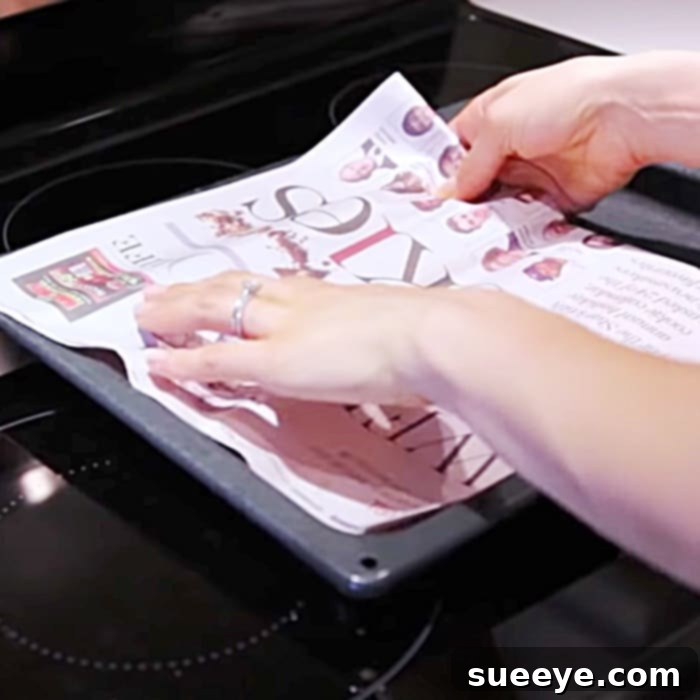
- Preheat Oven and Prepare Tray: Preheat your oven to a low temperature, around 200-250°F (90-120°C). While the oven heats, line a sturdy baking tray with several layers of newspaper or an old, sacrificial towel. This will catch the melting grease and make cleanup much easier.
- Position Filters: Carefully place your greasy range hood filters onto the prepared baking tray. Ensure they are not overlapping significantly to allow for even heat distribution.
- Bake to Melt Grease: Place the baking tray with the filters into the preheated oven. Bake for approximately one hour. During this time, the heat will gradually melt the hardened grease, causing it to liquefy and drip onto the newspaper below. You’ll likely see smoke or smell burning grease; ensure your kitchen is well-ventilated during this process. Do not leave the oven unattended.
- Remove and Cool: After an hour, carefully remove the hot baking tray from the oven using oven mitts. Allow the filters to cool down significantly before handling them to prevent burns. The grease will still be very hot.
- Wash Away Residue: Once the filters are cool enough to handle, transfer them to a sink. Use hot water and a generous amount of dish soap to thoroughly wash away any remaining melted grease and residue. A stiff brush will be helpful here.
- Rinse and Dry: Rinse the filters completely under clean hot water until all soap and grease are gone. Dry them thoroughly before reinstallation.
Method 3: The Eco-Friendly Power of Steam Cleaning
For a chemical-free yet highly effective cleaning approach, a steam cleaner can be a game-changer. The intense heat and pressure of steam not only loosen grease but also sanitize the filters. This method is excellent for regular maintenance or for those who prefer to avoid strong cleaning agents.
- Prepare Your Steam Cleaner: Fill your handheld steam cleaner with water according to the manufacturer’s instructions. Allow it to heat up until it’s ready to emit continuous steam. Ensure you’re working in a well-ventilated area, and wear protective gloves and goggles.
- Steam the Filters: Place your greasy range hood filter on a protective surface (like old towels in a sink or a utility tub). Systematically direct the steam nozzle over the entire surface of the filter, moving slowly to allow the hot steam to penetrate and melt the grease. You will see grease starting to drip off.
- Wipe Away Melted Grease: As the grease melts, use a microfiber cloth or paper towels to wipe it away. Continue steaming and wiping until the majority of the visible grease has been removed. For stubborn spots, you might need to apply steam for a longer duration or use a brush.
- Final Wash (Optional but Recommended): Once the bulk of the grease is removed by steaming, give the filters a quick wash in hot, soapy water with dish soap to ensure all residue is gone. This step helps to capture any remaining microscopic grease particles.
- Rinse and Dry: Rinse the filters thoroughly under clean running water and then allow them to air dry completely before reinstallation.
General Tips for Range Hood Filter Maintenance and Prevention
Beyond deep cleaning, adopting a routine of preventative maintenance can significantly extend the time between intensive cleaning sessions and keep your filters working optimally.
- Clean Regularly: Aim to clean your range hood filters every 3-6 weeks, depending on your cooking frequency and style. If you fry foods often, you might need to clean them more frequently.
- Dishwasher Option: Many metal mesh range hood filters are dishwasher safe. Check your manufacturer’s instructions. If they are, run them on a hot cycle with a strong detergent for a convenient cleaning solution.
- Wipe Down Surfaces: Regularly wipe down the exterior and interior surfaces of your range hood, including the area around the filters, to prevent grease buildup.
- Use a Splatter Guard: When frying or sautéing, use a splatter guard over your pans to minimize the amount of grease that becomes airborne and enters your filters.
- Ventilation During Cooking: Always turn on your range hood when cooking, even for light tasks, to effectively remove moisture and odors before they settle.
- Check for Damage: Periodically inspect your filters for any tears, holes, or significant warping. Damaged filters will not function effectively and should be replaced.
- Consider Filter Type: If you have a ductless range hood, it likely uses charcoal filters in addition to grease filters. Charcoal filters cannot be cleaned and must be replaced every few months. This guide primarily focuses on cleanable metal mesh grease filters.
When to Replace Your Range Hood Filters
While cleaning can extend the life of your metal mesh filters, they won’t last forever. Over time, constant exposure to heat and chemicals can degrade the metal, and some grease might become permanently embedded.
- Visible Damage: If you notice holes, tears, or significant warping that prevents the filter from fitting snugly.
- Permanent Staining/Odor: If, after thorough cleaning, the filter still looks dirty or emits a lingering stale grease odor.
- Reduced Effectiveness: If your range hood seems less effective at clearing smoke and odors, even after cleaning the filters, it might be time for a fresh set.
FAQs About Range Hood Filter Cleaning
Here are answers to some common questions regarding range hood filter maintenance:
- How often should I clean my range hood filters?
- For average cooking, every 1-3 months. If you cook frequently or fry a lot, aim for monthly or even bi-weekly cleaning.
- Can I clean my range hood filters in the dishwasher?
- Many metal mesh filters are dishwasher safe. Check your appliance manual or look for a “dishwasher safe” label. Place them on the bottom rack and run a hot cycle with your regular dishwasher detergent.
- What if my filters are still greasy after cleaning?
- This indicates deeply embedded grease. Try a longer soak (overnight) with a stronger solution, or combine methods (e.g., a short bake followed by a hot soak). A stiff brush and hot water are your best friends here.
- Are all range hood filters cleanable?
- No. Metal mesh filters are typically washable. Activated charcoal filters (found in ductless/recirculating hoods) are designed to absorb odors and are not washable; they must be replaced regularly.
- Is it safe to bake range hood filters in the oven?
- Yes, it’s generally safe if done correctly at a low temperature with supervision. The key is to use a protective layer (newspaper/towels) to catch dripping grease and ensure good ventilation. Never leave the oven unattended.
Conclusion: A Clean Filter for a Healthier Kitchen
Cleaning your range hood filters doesn’t have to be a dreaded chore. By utilizing one of these three effective methods—the powerful Oxy Clean soak, the grease-melting baking technique, or the eco-friendly steam clean—you can easily remove stubborn grime and restore your filters to peak performance. Remember, a clean range hood filter is more than just about aesthetics; it’s about maintaining optimal air quality, preventing fire hazards, and extending the life of your kitchen appliance. Make range hood filter cleaning a regular part of your kitchen maintenance routine, and enjoy a fresher, safer, and more efficient cooking space for years to come. Your kitchen (and your lungs!) will thank you.