
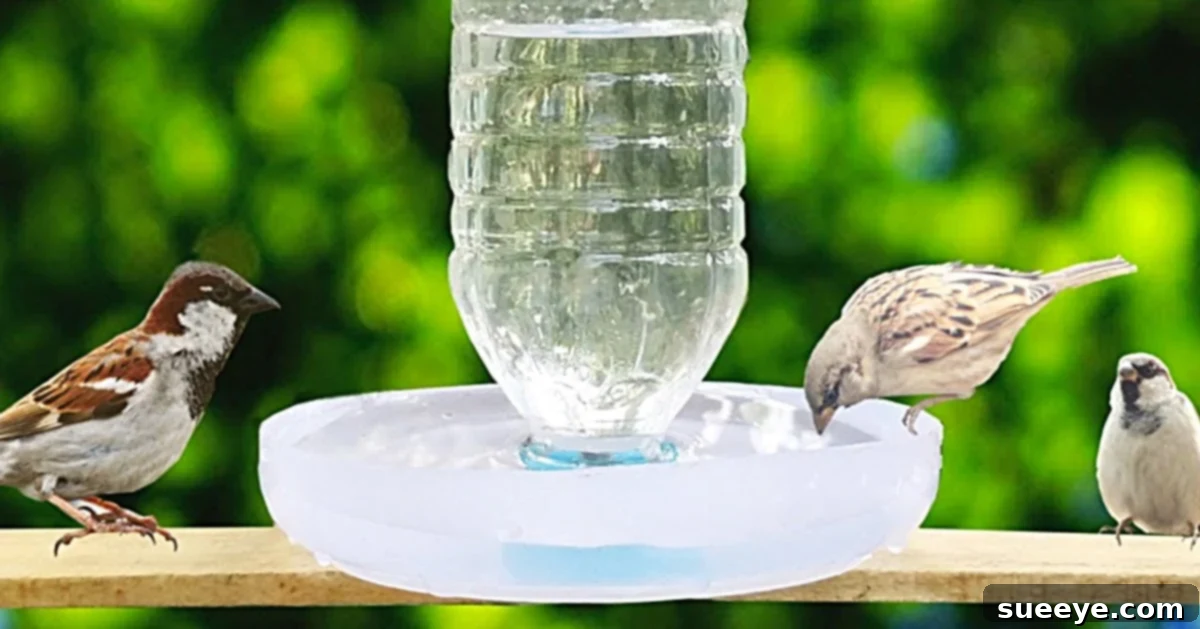
DIY Bird Water Feeder: Transform a Plastic Bottle into a Backyard Oasis for Birds
Imagine your garden bustling with the lively chirps and graceful movements of local birds, all year round. Attracting beautiful wildlife to your outdoor space doesn’t have to be complicated or expensive. In fact, one of the most rewarding and eco-friendly projects you can undertake is creating a bird water feeder from a simple plastic water bottle. Not only does this ingenious DIY solution provide a vital source of hydration for our feathered friends, but it also gives a new purpose to everyday plastic waste.
When we first encountered this brilliant and incredibly easy method for constructing a bird water feeder out of a plastic water bottle, showcased in a video tutorial by Birdy Official on YouTube, we knew instantly that this project was a must-try. The sheer simplicity and the minimal cost involved were truly remarkable. For most, the expense of creating this charming bird water station is practically negligible, as many of the required materials are likely already lying around your home. We only needed to procure a small plastic dish, which was a bargain at Dollar Tree for merely fifty cents! The results speak for themselves; our backyard has since become a popular hydration spot, with a delightful array of birds frequently visiting for their daily refreshment.
Why Attract Birds to Your Garden? The Benefits Beyond Beauty
Creating a welcoming environment for birds in your garden offers a myriad of benefits that extend far beyond their aesthetic appeal. Birds are crucial components of a healthy ecosystem, and providing them with essential resources like water can significantly enhance your garden’s biodiversity and overall health.
- Natural Pest Control: Many bird species, like wrens and chickadees, are voracious insect eaters. By attracting them, you can significantly reduce the population of common garden pests, leading to healthier plants without the need for chemical pesticides.
- Pollination and Seed Dispersal: While bees and butterflies are often recognized for pollination, some birds, particularly hummingbirds, play a role in pollinating flowers. Others, like jays and mockingbirds, help disperse seeds, aiding in plant propagation and forest regeneration.
- Environmental Indicators: A thriving bird population is often a strong indicator of a healthy local environment. By supporting birds, you’re contributing to a balanced ecosystem.
- Joy and Relaxation: For many, observing birds in their natural habitat provides immense joy and a sense of tranquility. Bird watching can be a deeply calming and educational hobby, connecting us more closely with nature.
- Educational Opportunities: A bird-friendly garden is an excellent living classroom for children and adults alike, offering opportunities to learn about different bird species, their behaviors, and their role in the environment.
By simply adding a water source, you are not just offering a drink; you are inviting a vibrant tapestry of life and sound into your garden, fostering a richer, more dynamic outdoor experience.
The Eco-Friendly Advantage: Upcycling for Wildlife
One of the most compelling aspects of this DIY bird water feeder project is its commitment to sustainability. In an era where plastic waste is a significant environmental concern, repurposing a used plastic water bottle for a beneficial purpose is a small yet impactful step towards eco-conscious living. Instead of contributing to landfills, you are transforming potential waste into a functional item that supports local wildlife. This act of upcycling highlights how everyday items can be given a second life, reducing consumption and promoting creative recycling practices. It’s a simple, tangible way to make a difference, demonstrating that environmental stewardship can be integrated into fun and practical home projects.
Materials You’ll Need to Craft Your DIY Bird Water Feeder
Gathering your materials is the first exciting step towards creating your very own bird water feeder. The beauty of this project lies in its accessibility; most items are either readily available around your home or can be purchased for a minimal cost. Here’s a detailed look at what you’ll need:
- A Plastic Water Bottle: Opt for a sturdy plastic bottle, preferably one from a 1-liter to 2-liter capacity. Clear bottles allow you to easily monitor water levels, but any clean plastic bottle will work. Ensure it’s thoroughly washed and free of any labels or residue.
- A Pair of Scissors: Essential for minor adjustments, trimming, or safely opening plastic packaging if needed.
- A Hot Glue Gun: This is crucial for creating a strong, watertight seal when attaching the bottle cap to the plastic dish. Make sure you have enough glue sticks on hand.
- A Screw: A medium-sized screw will be used to firmly attach the entire apparatus to a stable wooden base. Choose one with a broad head for better grip.
- A Plastic Dish: This will serve as the bird’s drinking tray. Look for a shallow plastic dish, approximately 4-6 inches in diameter, that can comfortably accommodate the bottle cap. It should be wide enough for birds to perch and drink easily. Small plant saucers or reusable plastic food containers work well.
- A Drill: A cordless or electric drill will be needed to create pilot holes for the screw, especially when working with wood and plastic.
- A Small Drill Bit: Select a drill bit that is slightly smaller in diameter than your screw, ensuring a snug and secure fit.
- A Piece of Wood: This will form the stable base for your feeder. A piece of scrap wood, perhaps 6×6 inches or 8×8 inches, will provide ample stability. Plywood, a decking offcut, or even a sturdy log slice can be used. Ensure it’s flat and reasonably heavy to prevent tipping.
Optional Materials for Customization and Enhanced Functionality:
- Sandpaper: To smooth any rough edges on the wood base.
- Non-toxic Paint or Sealant: To decorate your wooden base or protect it from the elements, ensuring it lasts longer outdoors.
- Small Eye Hook or Wire: If you wish to hang your feeder instead of placing it on a flat surface, an eye hook screwed into the wood base, combined with a strong wire, can create a hanging loop.
- Small Pebbles or Marbles: Placed in the drinking dish, these can provide better footing for smaller birds and insects, preventing accidental drowning.
Step-by-Step Guide: Crafting Your Bird Water Feeder
Creating this gravity-fed bird water feeder is surprisingly simple and requires just a few easy-to-follow steps. This method, inspired by the practical ingenuity seen in the Birdy Official YouTube tutorial, ensures a continuous supply of fresh water for your garden visitors.
Step 1: Preparing the Drinking Tray and Bottle Cap
Begin by taking your plastic water bottle and detaching its cap. This cap will play a crucial role in regulating the water flow. Place the plastic dish, which will serve as the bird’s drinking tray, upside down on a stable surface. Carefully apply a generous amount of hot glue around the center of the inverted plastic dish. Immediately, center the water bottle cap over the hot glue and firmly press it down, ensuring a strong, watertight seal. It’s essential that the cap is perfectly flat against the dish to prevent any leakage once the feeder is assembled. Allow the glue to cool and set completely, which usually takes only a few minutes.
Step 2: Preparing the Water Reservoir
Now, take your plastic water bottle. Fill it completely with fresh water. Once filled, quickly and securely screw the bottle onto the cap that you just glued to the plastic dish. The bottle should be inverted, so its opening is facing downwards into the dish. The brilliance of this design lies in the principles of gravity and air pressure: as birds drink from the dish, the water level will drop. When the water level falls below the mouth of the inverted bottle, air will bubble into the bottle, allowing more water to be released until the water level in the dish once again covers the bottle’s mouth, creating a self-filling mechanism.
Step 3: Ensuring Stability with a Wooden Base
With the bottle securely attached to the dish, the entire apparatus needs a stable foundation to prevent it from tipping over, especially when birds perch on it or during windy conditions. Take your chosen piece of wood. Center the assembled bird water feeder on the wood base. Using your drill and a small drill bit, create a pilot hole directly through the center of the water bottle cap (or through the plastic dish very close to the cap, ensuring you don’t compromise the seal). Then, using the screw, firmly attach the entire feeder assembly to the piece of wood. Screw it in until it is tight and secure. This wooden base provides the necessary weight and surface area for stability, making your feeder robust and reliable.
Step 4: Final Touches and Placement
Your bird water feeder is now ready for your birds to enjoy! Before placing it in your garden, double-check all connections to ensure there are no leaks. You can add a few clean pebbles or marbles to the drinking dish to provide perching spots for smaller birds and to prevent insects from drowning. Select a suitable location in your garden – ideally, a shaded spot to keep the water cool, near some shrubbery or trees for birds to feel secure and have a quick escape route. Place it on a flat, stable surface where it won’t be easily knocked over. Ensure it’s also a spot where you can easily observe your new feathered guests!
Tips for Placement and Maintenance of Your Bird Water Feeder
To ensure your DIY bird water feeder is a success and a healthy hydration station for birds, proper placement and regular maintenance are key:
- Strategic Placement: Place your feeder in a visible yet protected area. Birds prefer to drink where they have a clear view of their surroundings to spot predators, but also close enough to dense foliage or shrubs for quick cover. A partially shaded spot will help keep the water cooler and reduce algae growth.
- Height Matters: Position the feeder at a height that is comfortable for birds to access but also out of reach of ground predators like cats. A sturdy table, a hanging basket stand, or even a tree stump can serve as an ideal base.
- Regular Cleaning: This is perhaps the most critical aspect of bird feeder maintenance. Water can quickly become stagnant and a breeding ground for bacteria and mosquitoes. Aim to clean the dish and bottle thoroughly every few days, or at least once a week. Use a stiff brush and a solution of one part bleach to nine parts water, then rinse extremely well to remove all traces of bleach before refilling with fresh water.
- Fresh Water Daily: Always provide fresh, clean water. Birds are sensitive to contaminated water, and a consistently clean source will attract more visitors.
- Winter Care: In colder climates, water can freeze. Consider bringing your feeder indoors during freezing nights or investing in a bird bath heater if you wish to provide water year-round.
- Monitor Water Levels: While the gravity-fed system is efficient, always keep an eye on the water level in the bottle and dish to ensure it’s not empty, especially during hot, dry spells.
Customization Ideas for Your Eco-Friendly Feeder
While the basic design is highly functional, you can easily personalize your bird water feeder to blend seamlessly with your garden decor or even make it a vibrant focal point:
- Paint the Wooden Base: Use non-toxic outdoor paints to decorate your wooden base. You could paint it a natural green or brown, or add colorful designs like flowers, leaves, or even abstract patterns.
- Add a Perching Branch: Secure a small, sturdy branch near the drinking dish. This gives birds more natural perching options before and after drinking.
- Decorative Stones or Marbles: Place smooth, clean stones or colorful glass marbles in the drinking dish. These add visual appeal and can also help smaller birds and beneficial insects like bees get a drink safely without falling in.
- Incorporate into a Larger Feature: Integrate your feeder into a larger bird bath setup or a rock garden, creating a comprehensive wildlife zone in your yard.
- Multiple Feeders: If you have a larger garden, consider making several feeders and placing them in different spots. This can accommodate more birds and cater to different species’ preferences.
Frequently Asked Questions About Bird Water Feeders
What kind of birds will this water feeder attract?
A water source attracts a wide variety of birds, including common garden visitors like sparrows, finches, robins, chickadees, wrens, and many more. During migration seasons, you might even attract less common species stopping for a quick refreshment.
How often should I clean my bird water feeder?
Ideally, the water should be replaced daily, and the feeder should be thoroughly cleaned at least twice a week. During hot weather, or if you notice algae growth, clean it more frequently.
Can I use other types of bottles?
Yes, you can experiment with different plastic bottles, such as soda bottles, as long as they have a compatible screw cap that can be securely attached to your chosen plastic dish. Ensure any bottle used is thoroughly cleaned.
Is it safe for birds to drink from plastic?
As long as the plastic bottle and dish are clean and free from harmful chemicals, it is generally safe for birds. Regular cleaning is essential to prevent the buildup of bacteria.
Conclusion: A Small Effort for a Big Impact
Embarking on this DIY bird water feeder project is more than just a craft; it’s an invitation to connect with nature right in your backyard. We are truly delighted with the one we created for our birds, and the daily visits from our feathered friends bring immense joy and a sense of accomplishment. It’s a testament to how simple, inexpensive, and eco-friendly efforts can yield significant rewards, transforming a humble plastic bottle into a vibrant hub of activity for local wildlife.
So, why wait? Gather your materials, follow these straightforward steps, and soon you too can experience the delight of watching birds flock to your very own homemade water station. Not only will you be contributing to the well-being of local bird populations, but you’ll also create a beautiful, dynamic focal point in your garden that offers endless opportunities for observation, learning, and simple outdoor pleasure. Embrace the satisfaction of creation and the beauty of nature – all with a little bit of ingenuity and a recycled plastic bottle!