
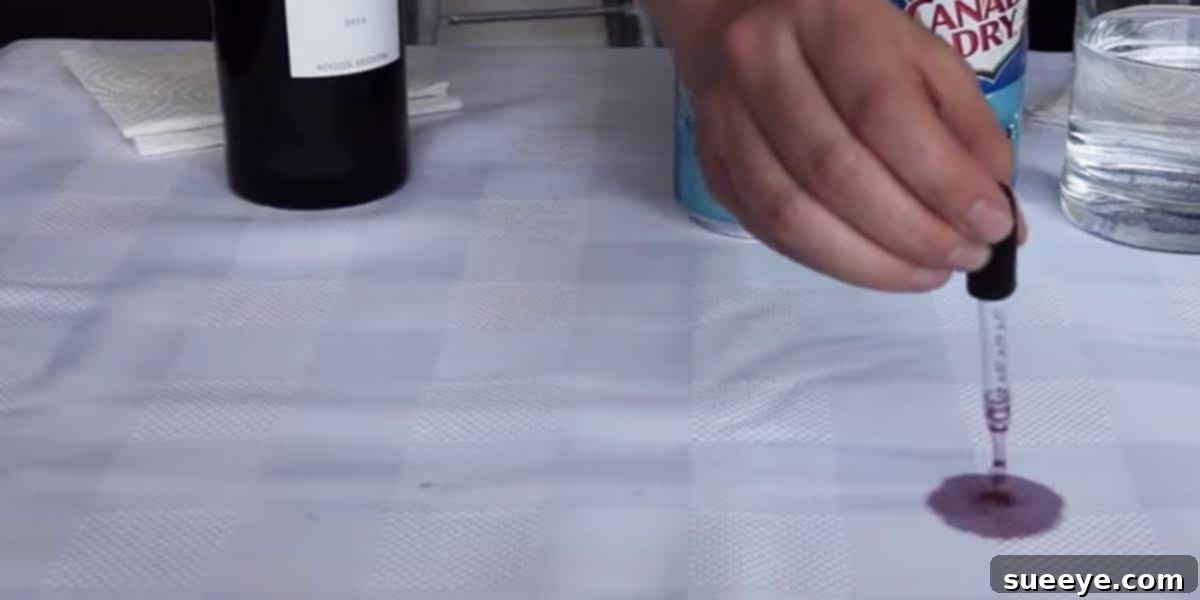
The Ultimate Guide to Conquering Red Wine Stains: Your Emergency Handbook
Ah, red wine. The elixir of sophisticated evenings, cozy nights, and celebratory toasts. Yet, with its rich, ruby hue comes a formidable adversary: the dreaded red wine stain. Whether it’s a celebratory splash during a spontaneous toast, an accidental bump at a bustling dinner party, or a simple slip of the hand after a long day, nearly all of us have experienced that heart-stopping moment when crimson meets fabric. The immediate panic sets in: “Is it ruined? Can I save it?” The good news is, with the right knowledge and a swift response, most red wine stains are not a death sentence for your favorite shirt, cherished tablecloth, or beloved carpet.
This comprehensive guide will equip you with the strategies, techniques, and specific remedies you need to tackle red wine spills head-on. Forget the myths and embrace the proven methods that can rescue your prized possessions from an untimely demise. We’ll delve into popular solutions, dissect their effectiveness, and provide step-by-step instructions to ensure your success in removing red wine stains effectively.
The Golden Rule: Act Fast – Time is Your Ultimate Ally in Stain Removal
When it comes to red wine stains, speed is not just recommended; it’s absolutely critical. The moment red wine touches fabric, its powerful tannins and vibrant pigments begin to bond with the fibers. The longer the wine sits, the deeper it penetrates, and the more challenging it becomes to remove. A fresh, wet stain is significantly easier to treat than one that has dried and set. Think of it as a race against time where every second counts. Having a game plan and the right supplies readily available can make all the difference between a minor mishap and a permanent reminder of that delightful, but ultimately messy, glass of Merlot.
Fundamental Techniques for Red Wine Stain Removal Success
Before diving into specific solutions, understanding the universal rules of stain removal will dramatically improve your chances of success. These principles apply across virtually all types of fabric and stain scenarios, ensuring you approach every red wine spill with confidence.
1. Blot, Don’t Scrub: The Gentle Approach to Lifting Stains
This cannot be stressed enough: NEVER scrub a red wine stain. Scrubbing pushes the wine deeper into the fabric fibers, spreading the stain and potentially damaging the material. Instead, grab a clean, white cloth, paper towel, or sponge and gently blot the stain. The goal is to lift the wine out of the fabric, not to rub it in. Use a fresh section of your blotting material as it becomes saturated with wine. This prevents re-depositing the wine back onto the fabric.
2. Work from the Outside In: Preventing Stain Spread
When applying any treatment or blotting the stain, always work from the outer edges of the stain towards its center. This technique helps to prevent the stain from spreading outwards, confining it to a smaller, more manageable area. It creates a barrier, effectively “fencing in” the stain and concentrating your efforts where they’re most needed.
3. Remove Excess: The First Crucial Step After a Spill
As soon as the spill occurs, try to remove as much of the excess liquid as possible. If it’s a pool of wine, carefully spoon it up or use the edge of a credit card to scoop it without pressing it further into the fabric. For fabrics, gently blot the surface with a clean, dry cloth or paper towel to absorb any standing liquid. This initial removal minimizes the amount of wine that can soak into the material and provides a better starting point for your chosen stain remover.
What NOT to Do: Common Mistakes to Avoid When Treating Red Wine Stains
Just as important as knowing what to do is understanding what *not* to do. Falling prey to common misconceptions or old wives’ tales can inadvertently make the stain worse or even permanent, turning a minor inconvenience into a major headache.
- Don’t Use Bar Soap: As noted by experts like the “Domestic Geek,” bar soap can ironically set red wine stains, making them incredibly difficult, if not impossible, to remove later. Many bar soaps contain alkaline ingredients or dyes that can react adversely with the wine’s tannins, effectively locking the stain into the fabric fibers.
- Avoid Hot Water Initially: While hot water can be effective for some types of stains, applying it directly to a fresh red wine stain can cause the pigments to set more quickly and bind deeper with the fabric. Always start with cold or lukewarm water when rinsing or pre-treating, reserving hot water for specific methods on robust fabrics.
- Don’t Rub Aggressively: This reiterates the “blot, don’t scrub” rule. Aggressive rubbing frays delicate fabric fibers, damages the material, and inevitably spreads the stain, making it larger and harder to contain.
- Don’t Use Colored Cloths: Always use clean, white cloths or paper towels to blot or apply solutions. Colored cloths can transfer their dyes to the already stained fabric, creating a new, more complex and often permanent stain that is much harder to remove.
- Don’t Put Stained Fabric in a Dryer: High heat from a dryer will permanently set any remaining stain, baking it into the fabric and making it almost impossible to remove. Always air-dry stained items until you are absolutely certain the red wine stain is completely gone.
The Science Behind the Stain: Why Red Wine is So Stubborn
Understanding why red wine stains are so notoriously difficult can help you appreciate the effectiveness of the various removal methods. Red wine gets its vibrant color from powerful organic compounds called anthocyanins, which are natural pigments found in grape skins. It also contains tannins, which are natural polyphenols that act as natural dyes and bind strongly to fabric fibers. When these components come into contact with fabric, they quickly penetrate and bond, especially with porous materials like cotton, linen, and wool. The goal of any stain removal method is to break down these molecular bonds and lift the pigments and tannins out of the fibers, restoring the fabric to its original condition.
The Home Lab: Testing Popular Red Wine Stain Solutions
Many household items are championed as effective red wine stain removers. But do they all live up to the hype? The fabulous Domestic Geek, a trusted voice in home hacks and practical solutions, put some of the most popular contenders to the test in her “Home Lab.” Her findings provide valuable insights into what truly works. Let’s explore these solutions in detail, combining her practical validation with comprehensive, step-by-step instructions that you can follow at home.
Solution #1: Club Soda – The Carbonated Savior for Fresh Spills
Club soda is perhaps one of the most widely recommended remedies for fresh red wine stains, and for good reason. Its effectiveness stems from two key properties: carbonation and a slightly alkaline pH. The carbonation acts as a natural lifting agent, bubbling and helping to break the bond between the wine and the fabric fibers. The mild alkalinity can also help neutralize the acidic components of the wine, further aiding in its release from the material.
How to Use Club Soda to Remove Red Wine Stains:
- Blot Excess Liquid: As always, gently blot as much of the fresh red wine as possible with a clean, dry cloth or paper towel, taking care not to spread the stain.
- Saturate the Stain: Pour a generous amount of club soda directly onto the fresh stain. Ensure the entire stained area is thoroughly saturated, allowing the carbonation to fully penetrate the fibers.
- Let it Fizz: Allow the club soda to sit and fizz for 5-10 minutes. You might visibly see the carbonation working to lift the wine to the surface, bringing the pigments out of the fabric.
- Blot Again: Using a clean, fresh section of a cloth, gently blot the treated area, working from the outside in. You should observe the wine transferring from the fabric to your blotting cloth.
- Repeat if Necessary: If the stain persists or is particularly stubborn, repeat the entire process from step 2. Continued application can further break down remaining wine pigments.
- Launder: Once the stain is visibly gone or significantly faded, machine wash the item according to its care label, using cold water and your regular detergent. It’s crucial to air-dry the item to ensure the stain is fully removed before applying any heat from a dryer, which could set any lingering traces.
Solution #2: Salt – The Absorptive Powerhouse for Quick Action
Salt is a fantastic absorbent, and its ability to draw moisture out of substances makes it a surprisingly effective first-response treatment for fresh red wine spills, especially on carpets or upholstery where immediate washing isn’t feasible. The key is to apply it quickly before the wine fully dries and sets into the fibers.
How to Use Salt for Red Wine Stain Removal:
- Blot Excess Wine: Start by blotting up as much liquid wine as possible with a clean, dry cloth or paper towel. The less liquid present, the more effective the salt will be.
- Generously Apply Salt: Cover the entire wet red wine stain with a thick, visible layer of table salt, kosher salt, or even rock salt. The goal is to completely obscure the stain beneath the salt. The salt will then begin its work, absorbing the wine from the fabric like a sponge.
- Let it Sit: Allow the salt to sit on the stain for at least 10-20 minutes, or even longer (up to several hours) until it turns pinkish or reddish and appears to have soaked up the wine. For carpets, you might consider leaving it overnight for maximum absorption.
- Vacuum or Brush Off: Once the salt has fully absorbed the wine and dried, carefully vacuum up the salt from the fabric or gently brush it off. Ensure all salt granules are removed.
- Rinse and Launder (for fabric): For washable fabrics, rinse the treated area thoroughly with cold water to remove any remaining wine residue and salt, and then launder as usual. For carpets/upholstery, after removing the salt, blot the area with a damp clean cloth, then dry with a clean towel.
Solution #3: White Wine – The Counter-Stain Approach
While pouring more wine on a wine stain might seem counterintuitive, white wine can actually be an effective remedy for red wine spills. The principle here is that the acidity in white wine can help neutralize the pigments and tannins in red wine, making them easier to lift. It essentially “dilutes” and “breaks down” the red wine molecules, preparing them for removal.
How to Use White Wine to Treat Red Wine Stains:
- Blot Excess Red Wine: Blot away as much red wine as possible using a clean, dry cloth. This minimizes the amount of red wine that needs to be neutralized.
- Pour White Wine: Carefully pour a small amount of white wine (any dry white wine will do) directly onto the red wine stain. Don’t drench it excessively, but ensure good, even coverage over the stained area.
- Let it Work: Allow the white wine to sit on the stain for 5-10 minutes. During this time, the white wine’s acidity will interact with the red wine’s pigments.
- Blot and Rinse: Blot the area gently with a clean cloth. You should observe the red wine lifting and fading as you blot. Rinse the area thoroughly with cold water to flush out both the red and white wine residues.
- Launder: Proceed to launder the item in cold water according to its care instructions. As with other methods, air-dry to confirm the stain is completely gone before exposing it to heat.
The “Domestic Geek” demonstrated these methods in her “Home Lab,” conducting a practical test that provided real-world insights. While we won’t spoil her exact conclusions here (you’ll want to watch her engaging step-by-step tutorial for the full reveal!), it’s safe to say that understanding the mechanics behind each solution empowers you to make informed decisions in a spill emergency. She emphasizes careful application and, crucially, the importance of acting quickly to achieve the best results.
Beyond the Home Lab: Other Highly Effective Remedies for Red Wine Stains
While the Domestic Geek focused on the aforementioned trio, several other household products have proven their worth in the relentless fight against red wine stains. These options provide additional powerful tools for your stain removal arsenal.
Hydrogen Peroxide & Dish Soap Duo: A Powerful Punch Against Stains
This combination is a formidable foe against stubborn red wine stains, especially on white or light-colored fabrics (it’s crucial to test on an inconspicuous area first for colored fabrics, as hydrogen peroxide can have a bleaching effect). The peroxide works as an oxidizer, breaking down the wine pigments, while the dish soap helps to lift and emulsify the stain.
How to Use Hydrogen Peroxide & Dish Soap:
- Mix the Solution: Combine equal parts hydrogen peroxide (standard 3% solution) and a clear liquid dish soap (like Dawn or another reputable brand that doesn’t contain dyes).
- Apply and Let Sit: Pour the mixture directly onto the stain, ensuring it’s well covered and penetrates the fabric. Let it sit for 15-30 minutes, or even longer for particularly tough or set stains. You might observe some gentle bubbling as the peroxide works its magic.
- Blot and Rinse: Blot the area vigorously but gently with a clean cloth to lift the stain from the fibers. Rinse thoroughly with cold water to remove all traces of the solution and the lifted stain.
- Launder: Wash the item in cold water with your usual detergent. Remember to air-dry until you are absolutely certain the stain is gone.
Boiling Water Method (for Robust Fabrics Like Cotton and Linen)
This method is particularly effective for sturdy, colorfast fabrics like cotton tablecloths, towels, or denim, but should be used with extreme caution on delicate materials like silk or wool, or anything that might shrink or bleed dye due to high heat.
How to Use the Boiling Water Method:
- Boil Water: Bring a kettle or pot of water to a rolling boil.
- Position Fabric: Stretch the stained portion of the fabric taut over a large bowl or a clean sink. Secure it with a rubber band or clothespins if possible, ensuring the stain is directly over the opening.
- Pour Hot Water: From a height of 1-2 feet, slowly and carefully pour the boiling water directly onto the stain. The force and extreme heat of the water work together to push the wine molecules out of the fabric fibers.
- Repeat if Necessary: Continue pouring until the stain is gone or significantly faded. This might take several pours for a stubborn stain.
- Launder: Once the stain is removed, wash the item as usual in cold water to ensure all wine residue is gone. Air-dry.
Baking Soda Paste: Gentle Abrasive and Absorber
Baking soda is another household staple known for its gentle abrasive and absorbent properties, making it an excellent choice for lifting various stains, including red wine.
How to Use a Baking Soda Paste:
- Blot Excess Wine: Remove as much liquid wine as possible from the fabric by blotting with a clean cloth.
- Make a Paste: Mix baking soda with a small amount of water to create a thick, spreadable paste. The consistency should be similar to toothpaste.
- Apply to Stain: Spread the paste generously over the entire red wine stain, ensuring it fully covers the affected area.
- Let Dry: Allow the paste to dry completely, ideally overnight. As it dries, it will actively absorb the wine pigments from the fabric.
- Brush/Vacuum Off: Once the paste is fully dry and crusty, carefully brush off the residue or vacuum it up.
- Launder: Wash the item in cold water to remove any remaining baking soda or wine residue, then air-dry.
Special Considerations for Different Materials and Fabrics
While the general principles of blotting and working quickly remain the same, certain materials require a more tailored approach to avoid damage:
- Delicate Fabrics (Silk, Wool, Rayon): These exquisite materials are prone to shrinking, stretching, or dye bleeding when subjected to harsh treatments. Avoid vigorous scrubbing, hot water, and strong chemical agents like hydrogen peroxide unless specifically instructed by the fabric’s care label. For valuable or irreplaceable items, professional dry cleaning is often the safest and most recommended bet.
- Carpets and Upholstery: Blotting is paramount here to avoid pushing the stain deeper into the padding. Avoid over-wetting the area, which can lead to mildew, unpleasant odors, or damage to the underlying materials. After treatment, ensure the area is thoroughly dried by blotting with clean towels or using a wet/dry vacuum to extract excess moisture.
- Dry Clean Only Items: If the care label explicitly states “dry clean only,” your best course of action is to take the item to a professional cleaner as soon as humanly possible. Clearly point out the stain to them, providing any relevant details about the spill, as they have specialized knowledge and chemicals to treat such items safely.
Preventative Measures: An Ounce of Prevention is Worth a Pound of Cure
While accidents inevitably happen, a few simple habits and precautions can significantly reduce the likelihood and severity of red wine spills, saving you the hassle of stain removal later:
- Use Coasters: Always keep wine glasses on stable, protective coasters, especially on wooden furniture or delicate surfaces.
- Avoid Overfilling: Leave ample room in the wine glass to prevent accidental sloshing or spills when moving or setting down the glass.
- Choose Stemware Wisely: Opt for wine glasses with wider, more stable bases, which are inherently less prone to tipping over.
- Be Mindful in Crowds: In busy or crowded environments, hold your glass securely and be aware of your surroundings to avoid bumps and jostles.
- Have Supplies Ready: When serving red wine, consider having club soda, a clean cloth, or a dedicated stain remover conveniently nearby for quick emergency response.
When to Call a Professional Cleaner
Despite your best efforts and the arsenal of home remedies discussed, some red wine stains prove to be too stubborn, too large, or too delicate for DIY treatment. If you’ve tried several methods without success, or if the item is a valuable heirloom, made of a very delicate or expensive fabric, or a significant piece of upholstery, it’s always wise to consult a professional cleaner. They possess specialized equipment, advanced cleaning solutions, and expert knowledge that can often succeed where home remedies fail, ensuring the best possible outcome without risking damage to your cherished items.
Conclusion: Empowering You Against Wine Woes and Stains
Spilling red wine can certainly feel like a minor catastrophe, prompting immediate dread and visions of ruined belongings. However, it doesn’t have to be a permanent setback. By understanding the science behind the stain, acting swiftly with confidence, and employing the right techniques and remedies, you can effectively tackle most red wine mishaps, saving your cherished clothes, tablecloths, and carpets.
Remember the invaluable lessons from experts like the Domestic Geek: speed, gentle blotting, and choosing the appropriate solution for the job are your ultimate keys to success. From the immediate rescue power of club soda and salt to the neutralizing touch of white wine, and the deep-cleaning action of hydrogen peroxide, you now have a comprehensive arsenal at your disposal. So, the next time a red wine spill occurs, take a deep breath, reach for your chosen remedy, and confidently save your beloved fabric. Cheers to stain-free living and enjoying your wine without the worry!