
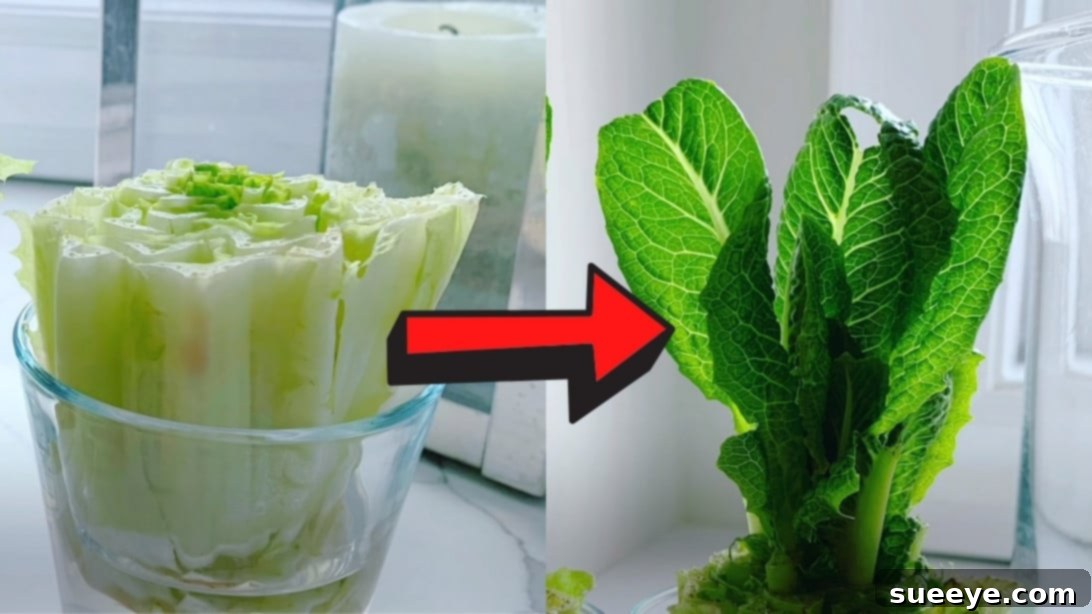
In an increasingly health-conscious world, the importance of a diet rich in fresh fruits and vegetables cannot be overstated. These natural powerhouses are packed with essential nutrients, vitamins, and minerals that are crucial for optimal bodily function. Beyond basic nutrition, embracing a diet high in fresh produce can lead to numerous health benefits, including lower blood pressure, improved digestive health due to increased fiber intake, enhanced skin radiance, and even better eyesight. Imagine having a continuous supply of these vital ingredients right at your fingertips, reducing waste and fostering a more sustainable lifestyle. This comprehensive guide will show you how to do just that by easily regrowing fresh lettuce from its base, using nothing more than water!
Salads are a fantastic way to incorporate a variety of greens and vegetables into your daily meals. Picture a vibrant bowl filled with crisp lettuce, juicy tomatoes, cool cucumbers, sweet corn, and a drizzle of your favorite dressing – a perfect blend of flavors and nutrients. The best part? You can easily prepare such a meal at home, and with a simple trick, you can even extend the life of your leafy greens. Many people toss out the bottom part of their lettuce after harvesting the leaves, unaware that this seemingly useless stub holds the potential for new growth. This tutorial, inspired by innovative gardening techniques, will demonstrate how you can transform that discarded lettuce base into a fresh, new plant, minimizing food waste and maximizing your kitchen garden potential.
Regrowing lettuce is not only incredibly simple but also a highly rewarding experience. It’s a fantastic project for aspiring gardeners, children, and anyone looking to embrace a more sustainable, self-sufficient lifestyle. You’ll witness the magic of nature unfold daily, as your lettuce stub slowly but surely develops new roots and fresh leaves. This method provides an almost endless supply of fresh greens, allowing you to enjoy homegrown salads without constantly buying new heads of lettuce. So, next time you’re preparing a salad, resist the urge to discard the base of your lettuce. Instead, follow these easy steps and embark on your journey to fresh, homegrown greens.
Why Regrow Lettuce? The Benefits of Sustainable Gardening
Embracing the practice of regrowing lettuce offers a multitude of benefits that extend beyond simply having fresh greens. It’s a step towards a more sustainable, economical, and educational approach to food consumption. Firstly, it’s an excellent way to reduce food waste. Millions of tons of food are discarded globally each year, and kitchen scraps like lettuce bases contribute to this problem. By regrowing them, you’re actively participating in a zero-waste initiative, giving a second life to what would otherwise end up in the compost bin or landfill.
Secondly, regrowing lettuce is incredibly cost-effective. While a head of lettuce might not break the bank, the cumulative savings over time can be significant, especially if you’re a regular salad eater. Imagine never having to buy lettuce again, or at least significantly reducing your purchases. This small act of self-sufficiency can add up, freeing up your grocery budget for other essentials. Plus, you get to enjoy fresh, organic-quality produce without the organic price tag, as you control the growing environment entirely.
Thirdly, it provides an unparalleled source of fresh, nutrient-rich greens. Store-bought lettuce can sometimes lose its crispness and nutritional value during transit and storage. With homegrown lettuce, you pick it just when you need it, ensuring maximum freshness and optimal nutrient content. There’s a noticeable difference in taste and texture when you harvest your own greens, straight from the windowsill to your plate. This immediate availability encourages healthier eating habits, making it easier to whip up a nutritious salad at any given moment.
Finally, regrowing lettuce is a fantastic educational activity for all ages. It’s a simple, hands-on lesson in botany, demonstrating the incredible regenerative power of plants. Children, in particular, will be fascinated by watching a seemingly dead stub transform into vibrant new leaves. It fosters a connection to where our food comes from and cultivates patience and observation skills. It’s also incredibly satisfying to consume something you’ve grown yourself, instilling a sense of accomplishment and encouraging further gardening endeavors. It’s truly a win-win scenario for your health, your wallet, and the planet.
Choosing the Right Lettuce for Regrowing
While many types of lettuce can be regrown, some varieties perform better than others, offering more successful and abundant yields. Leafy greens with a compact base tend to be the most ideal candidates for this water-based method. Romaine lettuce, known for its crisp texture and sturdy structure, is arguably the most popular and easiest type to regrow. Its solid base provides a good foundation for root development and new leaf growth.
Butter lettuce, with its softer leaves and a slightly less dense base, also responds well to regrowing. The new growth might be a bit more delicate, but it still yields a delicious harvest. Other varieties like iceberg lettuce, while not as nutritionally dense as romaine or butter, can also be successfully regrown. The key is to select a head of lettuce that has a firm, healthy base free from rot or excessive damage. Avoid varieties that are too loose or have very flimsy bases, as they may struggle to establish new roots and leaves. By starting with the right type of lettuce, you set yourself up for the best possible success in your regrowing project.
The Simple Science Behind Lettuce Regrowth
The ability of lettuce, and many other plants, to regrow from a mere base is a fascinating testament to plant biology. This phenomenon relies on specialized plant cells known as meristematic tissue. These cells are essentially the “stem cells” of a plant, retaining the ability to divide and differentiate into various plant organs – roots, stems, and leaves – throughout the plant’s life. In the case of lettuce, this meristematic tissue is concentrated at the very base of the plant, often referred to as the “heart” or “crown.”
When you place the lettuce base in water, these dormant meristematic cells are activated by the presence of moisture and light. They begin to develop new roots, which emerge from the bottom of the base, seeking to absorb water and nutrients. Simultaneously, the cells at the top of the base start to produce new leaf growth, pushing upwards from the center. This regenerative process allows the plant to essentially rebuild itself from the remaining core, harnessing its innate capacity for growth. By providing the essential elements – water and light – we simply facilitate and accelerate this natural process, transforming a kitchen scrap into a flourishing new plant.
What You’ll Need for Your Lettuce Project: Gather Your Supplies
One of the most appealing aspects of regrowing lettuce is how few supplies are actually needed. You likely already have everything necessary around your home. This minimalist approach makes it an accessible and inexpensive gardening endeavor for anyone. Here’s a detailed look at the essentials:
- Lettuce Base: This is, of course, the star of the show. After using the leaves for your salad, carefully cut about one to two inches from the very bottom of the lettuce head. Ensure the base is firm and intact, as this is where all the magic of regrowth will happen.
- Glass or Bowl: Any small container that can hold water and support the lettuce base will work perfectly. A drinking glass, a small bowl, a mason jar, or even a shallow dish are all excellent choices. The key is to find something that allows the bottom of the lettuce to be submerged in water while keeping the top exposed to air and light. Clear containers are great as they allow you to observe root development.
- Water: Plain tap water is usually sufficient. However, if your tap water is heavily chlorinated, it might be beneficial to let it sit out for 24 hours to allow the chlorine to dissipate, or use filtered water. The quality of water can impact the health of your regrowing lettuce, so fresh, clean water is always preferred.
That’s it! No fancy tools, no expensive fertilizers, just these basic items are enough to kickstart your lettuce regrowing adventure. The simplicity of the setup is part of its charm, demonstrating that sustainable practices don’t always require complex solutions.
Step-by-Step Guide: Regrowing Lettuce at Home
This process is remarkably straightforward, requiring minimal effort for maximum reward. Follow these simple steps to successfully regrow your lettuce and enjoy a continuous supply of fresh greens.
Prepping Your Lettuce Base: The Foundation for Growth
The first crucial step is preparing the lettuce base. After you’ve enjoyed the majority of your lettuce leaves, take the remaining bottom portion. Using a sharp knife, carefully cut off about one to two inches of the base. Ensure that the cut is clean and straight across, as this will provide a stable surface for the lettuce to sit in the water and encourage even root development. The core of the base should be visible and firm. Avoid cutting too high up, as you need enough of the meristematic tissue to initiate regrowth. This small stub is packed with the potential for new life.
The Water Bath: Setup and Initial Placement
Once your lettuce base is prepped, it’s time for its water bath. Place the cut base into your chosen glass or bowl. Fill the container with approximately a half-inch to an inch of fresh water. The goal is to cover only the bottom of the lettuce base, allowing it to absorb moisture without submerging the entire stub. Do not fully immerse the base, as this can lead to rot rather than growth. The top portion of the base needs to remain exposed to air and light to encourage new leaf development. Find a suitable spot for your setup, ideally by a windowsill where it can receive indirect sunlight. If you live in an area with extreme temperature fluctuations between indoors and outdoors, or if natural light is scarce, consider placing it under a grow light.
Daily Care: Water Changes and Observations
Consistency in care is key to a thriving lettuce plant. You’ll quickly notice changes in the water quality. Typically, by the next day, the water may appear slightly yellow or cloudy due to substances leaching from the lettuce base. It’s imperative to pour out the old water and replace it with fresh, clean water every day, or at least every other day, especially if the water looks murky. This daily ritual prevents the growth of mold or algae, which can harm your nascent plant. Changing the water also ensures a continuous supply of fresh oxygen to the developing roots. During these daily checks, take a moment to observe your lettuce: you should soon start to see tiny roots emerging from the bottom and small green shoots appearing from the center of the base.
Watching Your Lettuce Grow: From Stubs to Salad
Patience is a virtue in gardening, but with lettuce, you’ll see results relatively quickly. Within a few days, you’ll observe significant growth. New leaves will begin to sprout from the center of the base, initially small and pale green, then gradually unfurling and deepening in color. Simultaneously, roots will become more prominent, lengthening and branching out into the water. Continue to provide fresh water and adequate light. Within one to two weeks, you should have a respectable cluster of new lettuce leaves, ready for your first harvest. The exact timeline can vary depending on the lettuce variety, light conditions, and ambient temperature, but consistent care will yield noticeable progress.
Harvesting Your Homegrown Greens
Once your lettuce has grown several inches tall and the leaves look healthy and vibrant, it’s time to enjoy the fruits (or rather, leaves) of your labor. To harvest, simply snip off the outer leaves, leaving the inner ones to continue growing. This “cut-and-come-again” method allows you to enjoy multiple harvests from a single base. Use clean kitchen shears or a sharp knife for a clean cut. Avoid pulling or tearing the leaves, as this can damage the plant. With proper care, a single lettuce base can provide several rounds of fresh leaves before its regenerative capacity wanes. Enjoy these crisp, homegrown greens in your salads, sandwiches, or any dish that calls for fresh lettuce.
Transitioning to Soil for Long-Term Growth (Optional but Recommended)
While lettuce can thrive in water for a period, its growth will eventually slow down, and the leaves might become less robust as the water lacks essential nutrients found in soil. For a more sustained and vigorous growth, consider transplanting your regrown lettuce into soil once it has developed a good root system (typically after 2-3 weeks in water). Choose a pot with drainage holes and fill it with good quality potting mix. Gently transfer the lettuce base, burying the roots and the very bottom of the base, ensuring the top of the base and new leaves are above the soil line. Water thoroughly and place it in a sunny spot. This transition allows the lettuce to access a wider range of nutrients, leading to larger, healthier leaves and a potentially longer lifespan for your plant. Regular watering and occasional feeding with a diluted liquid fertilizer will help it flourish in its new home.
Troubleshooting Common Regrowing Challenges
While regrowing lettuce is generally easy, you might encounter a few common issues. The most frequent problem is rot, which usually occurs if the lettuce base is fully submerged in water or if the water isn’t changed frequently enough. If you notice a slimy texture or an unpleasant odor, it’s likely rot. To prevent this, ensure only the bottom inch of the base is in water and refresh the water daily. Another challenge can be slow growth or leggy, pale leaves, indicating insufficient light. Move your lettuce to a brighter spot or supplement with a grow light. Sometimes, the outer leaves might wilt or turn yellow; simply prune these away to encourage new, healthy growth from the center. Pests are rarely an issue for indoor water-grown lettuce, but if you notice any, a gentle wipe with a damp cloth or a spray of diluted neem oil can help. With a little observation and adjustment, most challenges can be easily overcome, ensuring a successful harvest.
Beyond Lettuce: Other Vegetables You Can Regrow From Scraps
The magic of regrowing isn’t limited to lettuce alone. Many other common kitchen scraps possess the same incredible regenerative abilities, allowing you to expand your indoor edible garden with minimal effort. Here’s an extended list of vegetables you can easily regrow:
- Green Onions (Scallions): One of the easiest and fastest to regrow. Simply place the white root ends in a shallow glass of water. New green shoots will emerge within days, providing a continuous supply.
- Celery: Cut the bottom 2 inches of the celery stalk and place it in a shallow bowl of water. New leaves will sprout from the center, and roots will form. Once established, transfer it to soil for larger stalks.
- Bok Choy: Similar to celery, place the base of a bok choy head in water. Watch for new leaves to grow from the center.
- Romaine Lettuce: (As detailed in this guide) Cut the base, place in water, and watch it regrow.
- Cabbage: The core of a cabbage head can also be regrown in water. It takes a bit longer, but new leaves will eventually emerge.
- Carrots: While you won’t get a full carrot root, you can regrow the green tops from the crown of a carrot. Place the top inch of a carrot in shallow water. The greens are edible and great for garnishes or salads.
- Garlic: Plant individual garlic cloves, root-end down, in a shallow dish of water or directly in soil. They will sprout green shoots, which are milder than garlic bulbs but add a nice flavor to dishes.
- Ginger: Plant a piece of ginger root with an “eye” (a small bud) in soil. New shoots will grow, and you might even get new ginger root over time.
- Sweet Potatoes: You can sprout a sweet potato by suspending it halfway in water using toothpicks. Once roots and shoots appear, plant it in soil for a new plant.
- Leeks: Cut the bottom white portion of the leek and place it in shallow water. New green growth will emerge from the center.
- Herbs (Basil, Cilantro, Rosemary, Mint, Lemon Balm): Many herbs can be regrown from cuttings. Place a stem with a few leaves in water, and once roots form, transfer them to soil. This method is particularly effective for basil, mint, and rosemary.
Experimenting with these different vegetables can transform your kitchen into a vibrant, living pantry, offering endless opportunities for fresh, homegrown produce and a truly sustainable lifestyle.
Cultivating a Greener Lifestyle: The Impact of Regrowing
The simple act of regrowing lettuce and other vegetables from kitchen scraps is far more than just a gardening hack; it’s a meaningful step towards cultivating a greener, more conscious lifestyle. By engaging in this practice, you’re not only providing yourself with fresh, delicious produce, but you’re also making a tangible contribution to environmental sustainability. You reduce food waste, conserve resources that would otherwise be used to transport and package new produce, and minimize your carbon footprint.
Moreover, this small-scale hydroponic gardening fosters a deeper connection to your food sources. It demystifies the growing process, offering a hands-on education in where our nourishment comes from. The satisfaction of harvesting leaves from a plant you nurtured from a mere stub is incredibly rewarding and often inspires further exploration into gardening and self-sufficiency. It encourages mindful consumption, prompting us to see the potential in what we might otherwise discard. So, embrace the simplicity and power of regrowing. It’s an easy, enjoyable, and impactful way to infuse your daily life with freshness, sustainability, and the profound joy of growing your own food.