
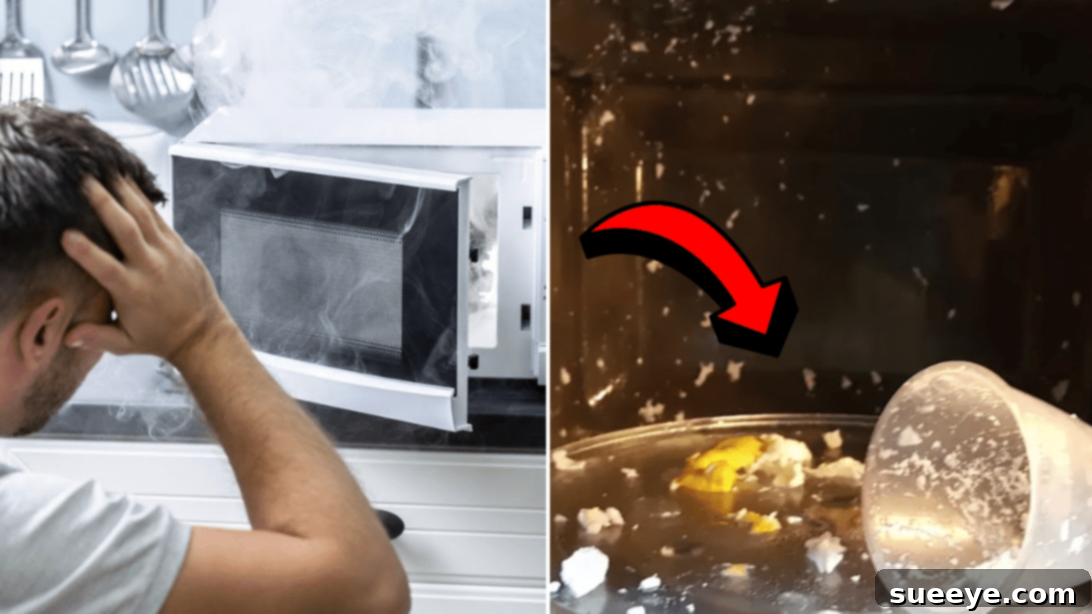
Mastering Microwave Safety: 7 Essential Items You Must Never Microwave
The microwave oven stands as a cornerstone of modern kitchen convenience, an indispensable appliance in nearly every household. Its remarkable versatility makes it a true workhorse, allowing us to quickly reheat leftovers, effortlessly thaw frozen goods, and even whip up delightful mini-cakes or mug desserts in a flash. The sheer speed and simplicity it offers have revolutionized meal preparation, making it easier for busy individuals and families to enjoy warm food without extensive cooking times.
However, despite its widespread use and apparent simplicity, operating a microwave requires a crucial understanding of safety protocols. To ensure the longevity of your appliance, protect your home from potential hazards, and safeguard your health, it’s vital to know what belongs inside and, more importantly, what absolutely does not. Ignoring these guidelines can lead to anything from a damaged microwave to dangerous fires, explosions, or even the release of harmful chemicals into your food. This comprehensive guide will walk you through the seven critical items you should always keep out of your microwave, explaining the underlying risks and empowering you to use this powerful kitchen tool safely and effectively.
For a visual guide and further insights, we highly recommend checking out Kitchen Gadgets Zone on YouTube, which offers excellent demonstrations on these microwave no-nos.
7 Essential Items You Must Never Put in Your Microwave:
#1: Whole Eggs
While microwaving eggs might seem like a quick way to cook them, placing a whole, uncooked egg—especially still in its shell—inside your microwave is a recipe for disaster. The rapid heating process of a microwave creates an immense amount of steam and pressure within the egg’s shell. As the internal temperature rises quickly, the moisture inside the egg turns into superheated steam, which has nowhere to escape. This buildup of pressure can cause the egg to explode violently, not only creating an incredibly messy clean-up inside your microwave but also posing a risk of burns from the hot, projectile egg fragments. Even after removing it, a microwaved whole egg can still explode if disturbed. For safe egg cooking, opt for stovetop boiling, poaching, or if you must use a microwave, crack the egg into a bowl, pierce the yolk, and cover loosely to allow steam to escape.
#2: Aluminum Foil
Aluminum foil, being a metal, is one of the most well-known items to avoid in a microwave, and for very good reason. Microwaves operate by emitting electromagnetic waves that excite water molecules in food, generating heat. Metals, however, reflect these waves. When aluminum foil is exposed to microwave energy, the concentrated electrical field can cause arcing and sparking between the metal and the interior of the microwave. This phenomenon is not only startling but can quickly ignite fires, damage the microwave’s magnetron (the component that generates the microwaves), and potentially lead to a complete breakdown of the appliance. Always transfer food wrapped in foil to a microwave-safe dish before heating.
#3: Plastic Storage Containers (Unless Labeled Microwave-Safe)
Many plastic storage containers are not designed to withstand the high temperatures generated by a microwave. When heated, certain plastics can leach harmful chemicals such as Bisphenol A (BPA) and phthalates into your food. These chemicals are concerning because they are known as endocrine disruptors, potentially interfering with the body’s hormonal system and posing various health risks, especially with repeated exposure. Always check for a “microwave-safe” label, usually indicated by a microwave symbol or the phrase “microwave-safe” on the container. For ultimate safety, consider transferring food to glass or ceramic containers before microwaving.
#4: Paper Bags (Grocery Store Bags, Lunch Bags)
The brown paper bags commonly used for groceries or packing lunches are generally unsuitable for microwave use. These bags are often made from recycled paper, which can contain tiny metal particles, glues, inks, and other additives that are not designed for heating. When exposed to microwave energy, these elements can release toxic fumes into your food and the air, and more alarmingly, they can easily ignite. Paper bags can dry out quickly in the intense heat of a microwave, turning into a fire hazard within seconds. Stick to microwave-safe paper towels, parchment paper, or designated microwave-safe containers for heating purposes.
#5: Cookware with Metal Trim
Just like aluminum foil, any cookware, plates, or serving dishes adorned with metal trim, such as decorative gold or silver accents, should never enter your microwave. Even a small metallic detail can cause significant problems. The metal, regardless of its size or composition, will react with the microwave’s energy, leading to arcing and sparking. This can not only ruin your beautiful dish by causing scorch marks but also inflict damage upon your microwave oven and present a serious fire risk. Before placing any dish into the microwave, always inspect it carefully for any metallic elements, including metallic glazes or designs.
#6: Travel Mugs (Especially Stainless Steel)
Many travel mugs are constructed from stainless steel, a material that, while excellent for insulation, is entirely incompatible with microwave ovens. Stainless steel acts as a Faraday cage, meaning it completely blocks the microwave radiation from reaching the beverage inside. This results in your drink remaining cold while the microwave itself absorbs the energy that isn’t being used, potentially overheating and damaging the appliance’s magnetron. In some cases, the metal can also cause dangerous arcing. Always transfer your drink from a stainless steel travel mug to a ceramic or glass cup before microwaving. Even plastic travel mugs should be checked for a “microwave-safe” label, as some plastics are not designed for heating.
#7: Nothing at All
Perhaps one of the most overlooked microwave safety rules is the importance of never running the appliance empty. A microwave oven works by generating electromagnetic waves that are absorbed by water molecules in food, causing them to vibrate and produce heat. When there is no food or liquid inside to absorb these waves, they are reflected back into the magnetron, the component responsible for generating the microwaves. This reflection causes the magnetron to overheat rapidly, potentially leading to immediate and severe damage, including expensive repairs or even complete failure of the appliance. Always ensure there is at least a cup of water or a small amount of food inside your microwave before turning it on, even if just testing or running a short cycle. This simple act can significantly extend the life of your microwave.
By understanding and adhering to these crucial safety guidelines, you can ensure that your microwave remains a convenient and safe appliance in your kitchen. Always prioritize safety over speed, and when in doubt, it’s best to err on the side of caution. A little knowledge goes a long way in preventing accidents, protecting your property, and keeping your household safe.
*All image credit belongs to Kitchen Gadgets Zone via YouTube. Follow and subscribe to his channel for more invaluable kitchen tips and safety advice!