
The Ultimate Guide: How to Permanently Remove Odors from Plastic Food Containers
There’s an undeniable charm and countless benefits to embracing home-cooked meals. Beyond the comfort and joy of creating culinary delights in your own kitchen, preparing food at home offers significant advantages over relying on fast-food restaurants or takeout. You gain complete control over the ingredients, allowing you to prioritize fresh produce, lean proteins, and healthy fats, while significantly reducing the intake of excessive sodium, sugar, and unhealthy additives often found in commercially prepared foods. This direct control translates into a healthier diet and a better understanding of what nourishes your body.
Economically, home cooking is a champion. Buying groceries in bulk and planning your meals can lead to substantial savings over time. For many busy individuals and families, meal prepping has become an indispensable strategy. Preparing meals in advance not only saves precious time and energy during hectic weekdays but also ensures you have nutritious options readily available, preventing impulse buys and unhealthy choices. To facilitate effective meal prep, a collection of reliable plastic food storage containers is essential, becoming a staple in virtually every modern kitchen.
RELATED: 8 Tips for Eliminating Dog Smell from Your House
The Common Dilemma: Plastic and Persistent Odors
While incredibly convenient and often affordable, plastic food containers come with one pervasive, frustrating drawback: their tendency to absorb odors. Plastics, by their very nature, are porous materials. This microscopic porosity means that they have tiny spaces and channels where food particles, oils, and the molecules responsible for strong scents can seep in and embed themselves. Foods rich in spices, strong aromatics like garlic and onion, or acidic ingredients such as tomato sauce and curry are notorious culprits, leaving behind stubborn smells that seem to linger no matter how vigorously you scrub.
We’ve all been there: reaching for a seemingly clean container, only to be met with the unmistakable ghost of last week’s spicy chili or fragrant curry. This lingering odor can be off-putting and can even subtly transfer to the fresh food you intend to store next, spoiling its taste and aroma. It’s a common kitchen problem that has plagued home cooks for generations, leading to countless discarded containers and a constant search for effective remedies.
The good news is that you don’t need to resort to harsh chemical cleaners, endless scrubbing, or replacing your entire collection of containers. There’s a remarkably simple, chemical-free, and incredibly effective method that can neutralize even the most stubborn odors. I recently stumbled upon this ingenious hack, demonstrated by OnePotChefShow, and it’s truly a game-changer. This technique uses something you likely already have lying around your house: paper. It’s super easy, eco-friendly, and truly effective!
Here’s another useful tip for you: How to Remove Stains From Plastic Dishes
What You Need to Remove Odors From Plastic Containers
The beauty of this method lies in its minimal requirements. You only need one simple item:
- Scrap paper or crunched-up newspaper (avoid glossy or heavily inked paper if possible, though regular newspaper works fine).
How to Remove Odor From Plastic Containers: A Simple Step-by-Step Guide
Follow these easy steps to banish those unpleasant smells and restore your plastic containers to their pristine, odor-free state.
Step 1: Thoroughly Wash and Dry Your Container
Before beginning the odor removal process, it’s crucial to give your plastic container a thorough cleaning. Wash it as you normally would, using warm, soapy water to remove all visible food residue, grease, and grime. Pay special attention to corners and crevices where food might accumulate. After washing, rinse the container thoroughly with clean water. The most critical part of this step is to ensure the container is completely dry. Any residual moisture can hinder the effectiveness of the next steps. You can air dry it, wipe it with a clean towel, or even use a paper towel to absorb all moisture.
Step 2: Prepare and Place the Paper Inside
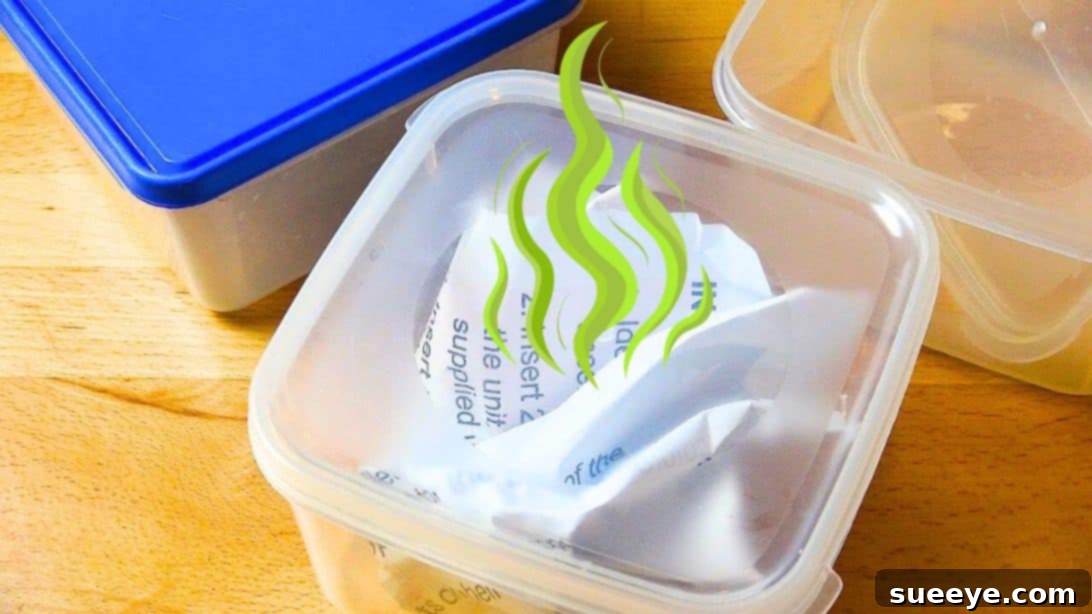
Take a piece of scrap paper – this could be a page from an old newspaper, a used piece of printer paper, or even a paper towel. The key is its absorbency. Scrunch it up into a loose ball or wad. The goal is to maximize its surface area and allow it to fit snugly but not too tightly inside the container. Place this crunched-up paper inside your dry container. The paper acts as a natural absorbent, drawing in the odor molecules that have embedded themselves in the plastic.
Step 3: Seal and Store
Once the paper is inside, securely place the lid on the container, ensuring it’s completely sealed. This traps the odor molecules with the absorbent paper. Now, simply store the container in your cupboard, pantry, or wherever you normally keep your food storage items. The magic happens while it sits, usually overnight or for a few days, depending on the severity of the odor. The longer it sits, the more time the paper has to work its absorbing power.
Step 4: Remove, Rinse, and Reuse
The next time you’re ready to use the container, simply remove the lid, take out the crunched-up paper, and discard it. You’ll likely notice a significant, if not complete, absence of the previous odor. Give the container a quick rinse with water – or a light wash if you prefer – and it’s now fresh, clean, and ready to be used for your next meal prep adventure without any lingering smells influencing your food.
Beyond Paper: Other Effective Odor Removal Hacks for Plastic Containers
While the paper method is incredibly effective, sometimes you might encounter particularly stubborn odors, or perhaps you’re looking for alternative solutions. Here are a few other popular and effective methods to consider:
- Baking Soda Paste: Baking soda is a natural deodorizer. Mix baking soda with a little water to form a thick paste. Spread the paste inside the container, focusing on affected areas, and let it sit for a day or two before washing it off.
- Vinegar Soak: White vinegar is a mild acid that can neutralize odors. Fill the container with a mixture of equal parts white vinegar and water. Let it soak for several hours or overnight. Rinse thoroughly afterward, as vinegar itself can leave a slight smell initially, which dissipates quickly.
- Lemon Peel or Juice: Lemon is known for its fresh scent and acidic properties. Rub the inside of the container with a lemon wedge or soak it in lemon juice diluted with water. For an overnight fix, you can even leave a few lemon peels inside a sealed container.
- Sun Exposure: UV rays from the sun are natural disinfectants and deodorizers. After washing and drying, place your container (without the lid) outside in direct sunlight for a few hours. This can be very effective, especially for light plastic containers.
- Coffee Grounds: Similar to paper, coffee grounds are excellent at absorbing odors. Place dry, used coffee grounds (or even fresh ones) in the container, seal it, and let it sit for a day or two. Discard and wash.
- Activated Charcoal: If you have activated charcoal (often found in pet stores or health shops), a small piece placed inside the container with the lid sealed can work wonders in absorbing strong odors over several days.
Preventing Odors: Best Practices for Plastic Container Care
The best defense against smelly plastic containers is a good offense! Implementing these habits can significantly reduce the likelihood of odors forming in the first place:
- Wash Immediately: Don’t let food residue sit in containers for too long. The longer food remains, especially strong-smelling items, the more time odor molecules have to seep into the plastic. Wash containers as soon as they are empty.
- Rinse Before Washing: If you can’t wash immediately, rinse the container with cold water to remove as much food as possible and prevent odors from setting.
- Air Dry Thoroughly: Always ensure containers are completely dry before storing them away. Moisture can contribute to mildew and unpleasant smells.
- Store Unsealed (if possible): When storing empty, clean containers in a cupboard, consider storing them without their lids on, or at least slightly ajar. This allows for air circulation and prevents stale air from getting trapped inside.
- Use Glass for Strong Smells: For foods known for their strong odors (curry, tomato sauce, garlic-heavy dishes), consider investing in glass food storage containers. Glass is non-porous and will not absorb odors or stains.
- Season Your Containers (for new ones): Some suggest “seasoning” new plastic containers by washing them with baking soda and water before first use to create a protective barrier.
The Environmental and Economic Benefits of Odor-Free Containers
By effectively removing odors and extending the life of your plastic containers, you’re not just making your kitchen a more pleasant place; you’re also making a positive environmental and economic impact. Reusing containers means fewer disposables end up in landfills, contributing to a more sustainable lifestyle. Moreover, you save money by not having to constantly replace perfectly functional, albeit smelly, containers. It’s a win-win situation for your wallet and the planet.
Embracing these simple cleaning and prevention strategies ensures that your plastic food storage containers remain fresh, clean, and ready to support your healthy home-cooking and meal-prepping habits for years to come. Say goodbye to the frustrating smell of yesterday’s dinner and hello to a truly fresh start!