
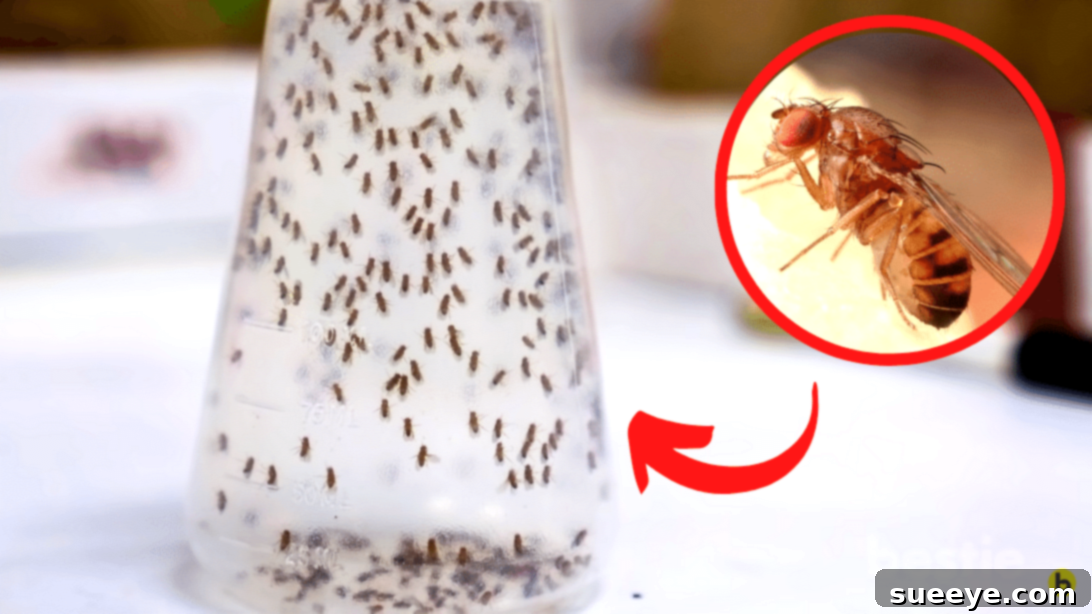
8 Highly Effective Strategies to Permanently Eliminate Fruit Flies from Your Home
Fruit flies are more than just a minor annoyance; they can quickly become a persistent problem in any home, especially during warmer months. These tiny pests are not only unsightly, but they also reproduce at an alarming rate, laying hundreds of eggs on the surface of ripe fruits and vegetables, as well as in other moist organic matter. If left unchecked, a small problem can escalate into a full-blown infestation, making your kitchen and dining areas feel less inviting. The good news is that you don’t have to surrender your home to these winged invaders. By understanding their habits and employing targeted strategies, you can effectively and permanently eliminate fruit flies. This comprehensive guide, inspired by tips shared by Bestie on YouTube, will walk you through eight powerful methods, from simple DIY traps to essential preventative measures, ensuring your home remains a fruit fly-free zone.
Proven Methods to Tackle Fruit Fly Infestations
1. Craft an Effective Apple Cider Vinegar Trap
One of the most classic and widely recommended solutions for fruit flies is the apple cider vinegar trap. This method capitalizes on the fruit fly’s irresistible attraction to fermenting odors, which mimic their preferred food and breeding sites. The addition of dish soap is crucial, as it breaks the surface tension of the liquid, ensuring that once the flies land, they sink rather than escape.
Materials:
- A small container (a jar, bowl, or even an old plastic cup works well)
- 2 tablespoons of apple cider vinegar (the stronger the smell, the better)
- 1 tablespoon of granulated sugar
- A few drops of liquid dish soap
- ½ cup of warm water
- Optional: Plastic wrap and a rubber band
Instructions:
In your chosen container, combine the apple cider vinegar, sugar, dish soap, and warm water. Stir the mixture gently until the sugar completely dissolves. The warm water helps to release the alluring scent of the vinegar more effectively. Place this trap in areas where you observe the most fruit fly activity, such as near fruit bowls, sinks, or trash cans. For an enhanced trap, cover the container tightly with plastic wrap and poke several small holes in the top using a toothpick or fork. This funnels the flies inside, making escape more difficult. Remember to refresh the trap every few days, or sooner if it becomes heavily populated with flies, to maintain its efficacy.
2. Proactive Prevention: Stop Infestations Before They Start
While traps are excellent for catching existing flies, the most sustainable solution is prevention. A clean and tidy environment is your first line of defense against fruit flies. These pests are drawn to decaying organic matter, moisture, and the scent of ripening produce, so eliminating these attractants is key.
- Maintain a Spotless Kitchen: Regularly wipe down countertops, tables, and other surfaces. Clean up any food crumbs, spills of fruit juice, soda, beer, or wine immediately. Even a small sticky spot can become an inviting breeding ground.
- Smart Fruit Storage: The biggest attractant for fruit flies is, naturally, fruit. Whenever possible, refrigerate ripe fruits and vegetables. For items that don’t belong in the fridge (like bananas or tomatoes), store them in airtight containers or paper bags to contain their scent and prevent flies from landing on them. Dispose of overripe or rotting produce promptly by sealing it in a plastic bag before placing it in an outdoor trash bin.
- Manage Your Waste: Ensure all indoor trash cans have tight-fitting lids. Empty your kitchen trash daily, especially if it contains food scraps. Regularly clean and rinse your trash bins to remove any lingering odors or residues that might attract flies.
- Clean Your Drains: Drains are often overlooked breeding grounds. Fruit flies can lay eggs in the organic sludge that accumulates inside pipes. Pour boiling water down your drains regularly (daily or every other day). For a deeper clean, mix baking soda with white vinegar, pour it down the drain, let it sit for 30 minutes, then flush with hot water. Consider using a drain brush to physically scrub away buildup.
- Address Other Moisture Sources: Check for any leaks under sinks or around appliances. Ensure sponges and dishrags are clean and dry when not in use.
3. The Fruit in a Jar Trap: A Simple Entrapment
Similar to the apple cider vinegar trap, this method uses the allure of actual fruit to draw in flies, trapping them inside a container.
Materials:
- A Mason jar or any clean canning jar with a lid
- Fruit scraps such as banana peels, a piece of over-ripened fruit, or even a small amount of leftover juice/wine.
Instructions:
Place the fruit scraps at the bottom of the Mason jar. If using a metal lid, use a hammer and nail to poke several small holes (large enough for a fruit fly to enter, but small enough to discourage escape) into the lid. Alternatively, if you don’t want to damage a lid, you can use plastic wrap secured with a rubber band, poking holes in the plastic. Tightly seal the lid onto the jar. The flies will be drawn to the scent of the fermenting fruit, enter through the holes, and become trapped inside. Place these jars in infested areas and check them daily. Once the jar is full, release the flies outdoors far from your home or dispose of them and refresh the bait.
4. Harness the Power of Basil Leaves
Some plants act as natural deterrents due to their strong aromatic compounds. Basil is one such plant, and its potent scent is particularly irritating to fruit flies, driving them away rather than attracting them.
How it works: Basil contains compounds like eugenol and linalool, which, while pleasant to humans, are often considered repellents by many insects. The intense, pungent aroma overpowers the attractive scents of ripening fruit, making the area less appealing for fruit flies to land and lay eggs.
How to use:
- Potted Basil Plant: Place a small potted basil plant on your kitchen windowsill or near your fruit bowl. Its continuous scent will help keep flies at bay.
- Fresh Basil Leaves: Scatter a few fresh basil leaves directly near fruit bowls or in areas where you frequently see fruit flies. Replace them every couple of days as their potency diminishes.
- Other Aromatic Herbs: Other herbs like mint, lavender, and lemongrass also possess strong scents that can deter fruit flies. Consider planting or placing these nearby as well for a multi-layered defense.
While basil is an effective deterrent, it’s generally best used as part of a broader strategy, combined with traps and excellent sanitation, to manage an existing infestation.
5. The Historic Milk, Sugar, and Pepper Mix
This method boasts a history spanning over 150 years, proving its enduring effectiveness. It’s a testament to simple, ingenious solutions developed long before modern insecticides. The mixture works by luring fruit flies with its sweet aroma and then incapacitating them.
Ingredients:
- 1 cup of whole milk
- ¼ cup of granulated sugar
- 2 tablespoons of ground black pepper (freshly ground is even better)
Instructions:
- In a small saucepan, mix all ingredients thoroughly. Bring the mixture to a gentle simmer over low heat on the stove, stirring occasionally to ensure the sugar fully dissolves. Do not let it boil vigorously.
- Once it has simmered for about 5-7 minutes and the sugar is fully dissolved, remove the pot from the heat and allow the mixture to cool completely to room temperature.
- Pour the cooled mixture into a shallow dish or saucer. The shallower the dish, the easier it is for flies to access.
- Place the dish in areas where fruit flies are most prevalent. The flies are attracted to the sweet, milky scent. When they land to drink, the pepper in the mixture is believed to clog their mouthparts and digestive systems, leading to their demise.
6. Boost Traps with Truvia Sweetener
Truvia, a popular stevia-based sweetener, contains erythritol, a sugar alcohol that has been found to be toxic to fruit flies. When ingested, erythritol disrupts their metabolic processes, shortening their lifespan and ultimately proving fatal.
How to use:
- Enhance Existing Traps: Sprinkle a small amount of Truvia into your apple cider vinegar traps or fruit-in-a-jar traps. The flies will be attracted to the main bait, consume the Truvia along with it, and suffer the consequences.
- Direct Application: For a targeted approach, you can mix Truvia with a small amount of water to create a paste or solution and place it on a shallow dish. While not as universally attractive as fermenting fruit, it adds a deadly component to any lure.
Using Truvia is an excellent way to boost the efficiency and lethality of your existing fruit fly traps, making them even more effective at reducing the population.
7. Leverage Light with Glue Traps
Fruit flies, like many insects, exhibit phototaxis – an innate attraction to light. This behavior can be exploited using light-powered glue traps, which provide a non-toxic and often hands-off solution to capture these pests.
How they work: These traps typically consist of a light source (often UV or a specific spectrum that attracts insects) combined with a sticky adhesive surface. The light draws the fruit flies in, and as they approach, they become irrevocably stuck to the glue, preventing their escape and reproduction.
Advantages:
- Non-toxic: They don’t use chemicals, making them safe for use around food prep areas and in homes with children or pets.
- Visual Indicator: You can see the trapped flies, providing a clear indication of the infestation level and the trap’s effectiveness.
- Continuous Catching: Once set up, they work continuously, requiring minimal intervention until the glue surface is full.
Placement: Position these traps in darker areas of your kitchen or near windows where fruit flies might congregate. Ensure they are placed away from strong drafts that could blow debris onto the sticky surface.
8. Re-evaluate Your Food Storage Habits
Proper food storage is perhaps the most fundamental step in preventing fruit fly infestations. It’s not just about keeping your food fresh for you, but also about denying fruit flies access to their primary food source and breeding grounds.
- Refrigeration is Key: Many fruits and vegetables, such as apples, oranges, grapes, and most berries, are best stored in the refrigerator. This significantly slows down their ripening process, reducing the production of attractive fermenting odors. It also deprives fruit flies of the scent trails they follow to locate food.
- Airtight Containers for All Produce: For items that shouldn’t be refrigerated (like bananas or tomatoes), always store them in sealed containers, produce bags, or under a dome. This creates a physical barrier that fruit flies cannot penetrate.
- Pantry Items Too: Don’t forget about pantry items. While fruit flies primarily target fresh produce, they can be drawn to opened bags of flour, sugar, or even dried fruits if not stored properly in airtight containers.
- Wash Produce Upon Arrival: Many fruit flies or their eggs can hitchhike into your home on fresh produce from the grocery store. A quick rinse under running water, or even a soak in a diluted vinegar solution, can help remove any unseen eggs or larvae before they hatch.
- Compost Bins and Recycling: If you have an indoor compost bin, ensure it has a tight-fitting lid and is emptied frequently into an outdoor compost pile. Rinse recyclable bottles and cans thoroughly before placing them in your recycling bin, as residual sugars can attract flies.
Conclusion: A Multi-Pronged Approach for a Fly-Free Home
Tackling a fruit fly problem requires persistence and a multi-pronged approach. No single method will guarantee permanent eradication on its own. By combining effective DIY traps, implementing rigorous sanitation practices, leveraging natural deterrents, and re-evaluating your food storage habits, you can create an environment that is inhospitable to fruit flies.
Remember, vigilance is key. Regularly inspect your kitchen for potential attractants, refresh your traps as needed, and maintain a clean living space. With these eight highly effective strategies, you can take back control of your home and enjoy a perpetually fruit fly-free environment. Say goodbye to these bothersome invaders and hello to a cleaner, more hygienic kitchen!