
Mastering the Art of Homemade Burgers: Avoid These Common Mistakes for Juicy Perfection
There’s nothing quite like a perfectly cooked homemade burger – juicy, flavorful, and satisfyingly cheesy. It’s a staple for backyard barbecues, weeknight dinners, and casual gatherings. However, achieving that ideal burger can be surprisingly tricky. Many home cooks inadvertently make common mistakes that lead to dry, tough, or even unsafe patties. If you love to cook your burgers at home but often find them falling short of perfection, you’re in the right place.
This comprehensive guide will walk you through the ten biggest mistakes everyone makes when cooking burgers, drawing insights from culinary experts. By understanding and correcting these missteps, you’ll be well on your way to crafting burgers that are consistently delicious, tender, and packed with flavor. Say goodbye to tough, chewy patties and hello to your new reputation as a burger master!
1. The Peril of Defrosting Meat at Room Temperature
How do you typically defrost your meat? Do you simply leave it on the kitchen counter until it’s ready to cook? This common habit, while convenient, is a major food safety hazard. According to food safety guidelines from the U.S. Department of Agriculture (USDA) and the Food Safety Inspection Service, raw meat should never be defrosted at room temperature. This is because meat can quickly enter the “danger zone” (between 40°F and 140°F), where harmful bacteria can multiply rapidly, increasing the risk of foodborne illness.
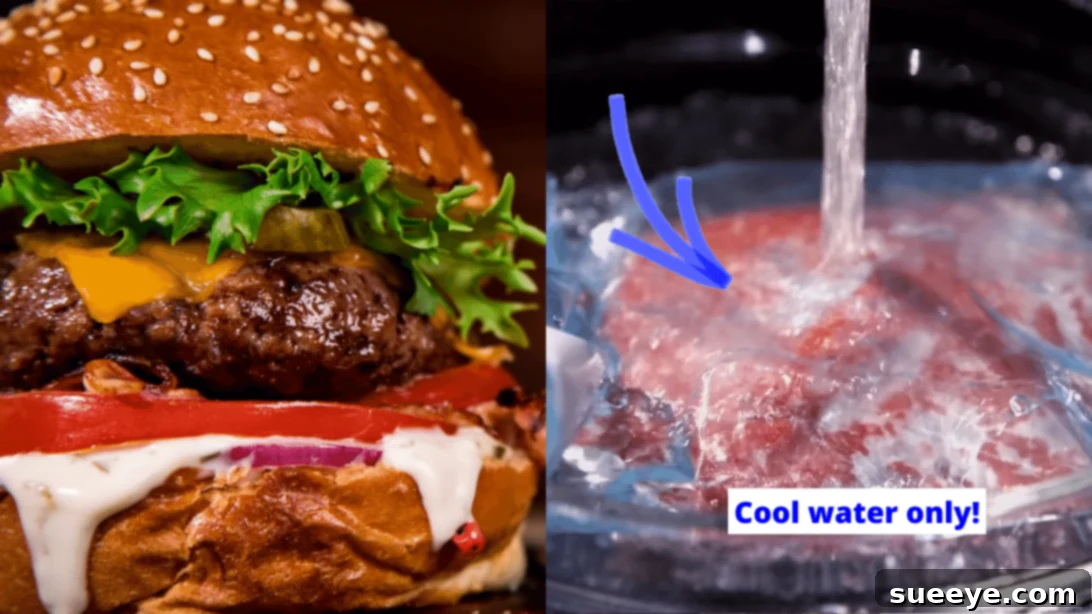
The safest methods for defrosting meat involve keeping it out of this temperature range. The best way is to transfer your ground beef from the freezer to the refrigerator, allowing it to thaw slowly over 24 hours. While this requires planning, it’s the safest and most gentle method. If you’re in a hurry, you can defrost meat by submerging it in a bowl of cold water, changing the water every 30 minutes to keep it cold. Another quick option is to use your microwave’s defrost setting, but if you choose this method, it’s crucial to cook the meat immediately afterward, as parts of it may start to cook during the thawing process.
2. Choosing the Wrong Meat & Improper Patty Formation
The foundation of a great burger starts with the right meat and how you handle it.
Using the Wrong Meat: For the most succulent burgers, the type of ground beef you choose matters immensely. Opt for ground beef with a fat content of 20-30 percent (often labeled as 80/20 or 70/30 ground chuck). This fat is essential for flavor and moisture. Leaner meats, while seemingly healthier, often result in dry, crumbly burgers because there isn’t enough fat to render and keep the patty juicy during cooking. The fat not only adds richness but also helps the burger hold its shape and prevents it from becoming tough.
Overworking the Meat: When forming your burger patties, be gentle! Kneading or packing the meat too much will develop the proteins, leading to a dense, tough, and chewy texture. The goal is to bind the meat just enough so that it holds together. Handle it as little as possible to maintain a tender consistency. This also allows the fat to meld properly during the cooking process, ensuring a juicier result.
Inconsistent Patties: For even cooking, strive to make your patties a consistent size, shape, and density. Burgers of varying thicknesses will cook at different rates, leading to some being overdone and others undercooked. A good guideline is to make patties about 3/4 to 1 inch thick. Also, an insider trick from chefs, including those cited by Delish, is to make a thumbprint indentation in the center of each patty. This prevents the center from swelling too much during cooking, ensuring a flat, even burger that fits perfectly on a bun.
3. Misguided Seasoning Strategies
Seasoning is critical for flavor, but timing and moderation are key.
When to Add Salt: Many home cooks season their ground beef hours before cooking. However, adding salt too early can draw moisture out of the meat, leading to a drier burger. The Kitchn suggests it’s best to add salt right before placing the patties on the grill or in the pan. This ensures the salt enhances the flavor without compromising the patty’s juiciness.
Don’t Overdo Mix-ins: While some people love adding various mix-ins like diced onions, garlic, or herbs directly into the patty, it’s easy to go overboard. Too many mix-ins can dilute the beef’s natural flavor and alter the texture, making the patty crumbly or overly dense. For a classic burger, simple seasonings like freshly ground black pepper, a touch of garlic powder, and onion powder, applied lightly on the surface, are often sufficient. Let the quality of the beef shine!
4. Not Checking Your Propane (or Charcoal Levels)
There’s nothing more frustrating than running out of fuel halfway through cooking your burgers. This not only interrupts your cooking but can also lead to unevenly cooked or cold food, dampening the entire meal. For gas grills, some models have built-in weight sensors or gauges that indicate the remaining amount of propane in the tank. If yours doesn’t, don’t worry – you can manually check it.
A simple method is to weigh the tank (most propane tanks have a “tare weight” stamped on them; subtract this from the current weight to find the propane content). Another popular technique is the “hot water method”: pour a cup of hot water down the side of the tank and then feel for a cool spot, which indicates the level of liquid propane. Make checking your fuel a regular habit before every grilling session to avoid unwelcome surprises.
5. Forgetting to Preheat Your Grill
Patience is a virtue, especially when it comes to grilling. Throwing burgers on a cold grill is a rookie mistake that can ruin your patties. Preheating your grill to a high temperature (typically 400-500°F) is crucial for several reasons. First, a hot surface creates a beautiful sear on the burger, forming a brown crust that is packed with irresistible flavors through the Maillard reaction. This caramelization adds depth and texture that you simply can’t achieve on a lukewarm grill.
Second, a properly preheated grill helps to “lock in” the juices, preventing your burgers from drying out. And third, a hot, clean grill grate prevents the burgers from sticking, making flipping easier and keeping your patties intact. Allow your grill at least 10-15 minutes to reach the desired temperature before you even think about placing those patties down.
6. Using a Dirty Grill Grate
Imagine cooking a delicious meal on a dirty pan – you wouldn’t do it! The same principle applies to your grill. A dirty grill grate can impart off-flavors from burnt residue, cause your burgers to stick and tear, and harbor harmful bacteria. Bits of old food, grease, and char can cling to your patties, affecting both taste and texture.
Before grilling, always take a few minutes to thoroughly clean your cooking surface. Once the grill is preheated, use a sturdy wire brush to scrape off any debris from previous cooks. This ensures a clean, non-stick surface that will give your burgers a perfect sear and keep them tasting pure. A clean grill is not just about aesthetics; it’s about food quality and safety.
7. Turning Your Back on the Patties (and Over-Flipping)
Grilling burgers is an active process that requires attention. Most grills, even high-end ones, have “hot spots” – areas that are significantly hotter than others. If you leave your burgers unattended, some might burn while others remain undercooked. It’s important to stay near the grill and monitor your patties, rotating them if necessary to ensure even cooking.
Equally important is resisting the urge to constantly flip your burgers. Flipping too often prevents a good crust from forming and can extend cooking time. Generally, you should flip a burger only once or twice. Let it cook undisturbed on one side until a nice sear develops and juices begin to pool on the surface, then flip it to finish cooking. This approach helps maintain juiciness and develops that coveted flavor.
8. Putting Cheese at the Wrong Time
Adding cheese to a burger seems straightforward, but timing is crucial for achieving that perfect, gooey melt. If you add the cheese too early, it can burn or slide off the patty into the grill. If you add it too late, it won’t have enough time to melt properly, leaving you with a cold, unmelted slice.
The ideal time to add your slice of cheese is during the last minute or two of cooking, just before the burger reaches your desired doneness. Place the cheese directly on top of the patty, close the grill lid for about 30-60 seconds (if applicable) to trap the heat, and watch it melt beautifully. Alternatively, as suggested by Southern Living, you can place the cheese slice on the bottom bun and put the hot, cooked burger patty directly on top, allowing the residual heat to melt it perfectly.
9. Wrong Way of Checking Doneness
One of the most critical aspects of cooking burgers safely and deliciously is ensuring they are cooked to the correct internal temperature. Relying solely on the “pink color” test for ground beef is a dangerous mistake. While some ground beef can still be pink at a safe temperature, other meat types may not show pink even when undercooked. Visual cues are simply unreliable for determining doneness and, more importantly, safety.
The only truly accurate way to check your burger’s doneness and ensure it’s safe to eat is by using a meat thermometer. For ground beef, the USDA recommends cooking burgers to an internal temperature of 160°F (71°C) to kill any harmful bacteria. Insert the thermometer horizontally into the side of the patty, reaching the center, to get an accurate reading. Investing in a good quality instant-read meat thermometer is a small price to pay for peace of mind and perfectly cooked burgers every time.
10. Improper Post-Cooking Sanitation
Your burger journey doesn’t end when the patty comes off the grill. Proper sanitation after cooking is just as vital as safe handling before and during the process. Cross-contamination is a significant risk when handling raw meat, and it’s crucial to prevent the spread of bacteria from raw meat juices to cooked food or clean surfaces.
After you finish cooking, thoroughly clean all plates, pans, utensils, and countertops that came into contact with raw meat or its juices. Use hot, soapy water, and consider sanitizing surfaces further. The USDA recommends a solution made with 1 tablespoon of unscented bleach per gallon of water for effective sanitization. This diligent cleaning routine helps prevent foodborne illnesses and ensures your kitchen remains a safe and hygienic environment for future culinary adventures.
Elevate Your Burger Game Today!
By now, you’ve uncovered the ten most common pitfalls in burger making and, more importantly, learned how to sidestep them. From the moment you defrost your ground beef to the final clean-up, every step plays a crucial role in creating a masterpiece. No more dry, tough, or undercooked patties – armed with these insights, you’re ready to transform your homemade burgers from good to absolutely phenomenal.
Remember, practice makes perfect. Don’t be afraid to experiment with these tips and find what works best for your grilling setup and personal preferences. Embrace the journey of mastering the art of the perfect homemade burger, and soon, you’ll be delighting friends and family with juicy, flavorful creations that are truly unforgettable. Happy grilling!