
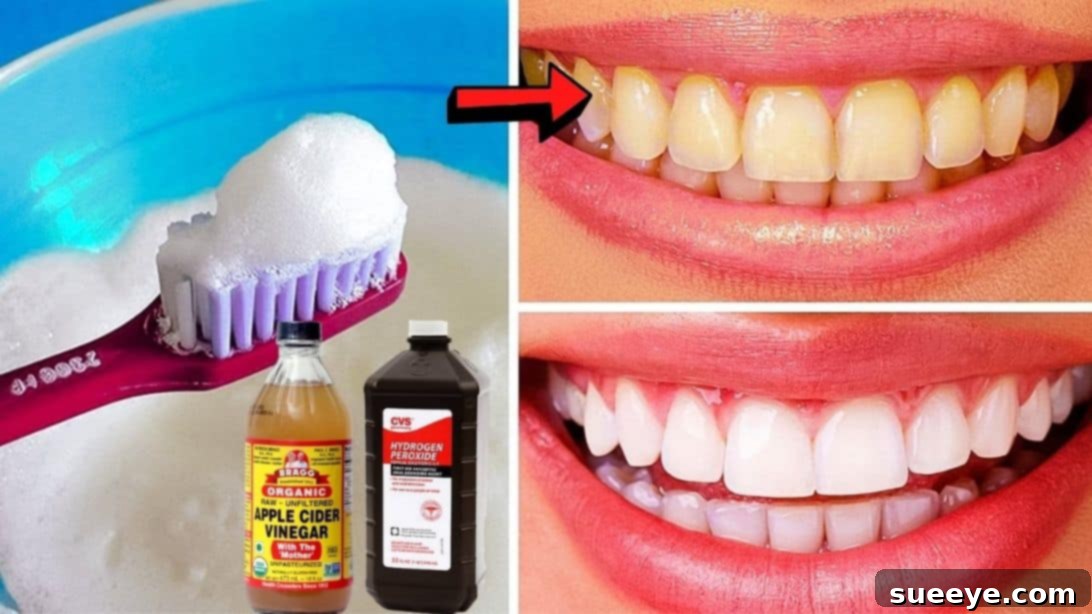
Achieving a radiant, pearly white smile is a universal desire, not only boosting self-confidence but also signaling excellent oral hygiene. While professional dental whitening treatments offer impressive results, they often come with a significant price tag. This leads many to seek out more affordable and natural alternatives they can comfortably implement from home. Fortunately, the realm of natural remedies offers several promising solutions. Inspired by a collection of effective homemade treatments compiled by BRIGHT SIDE via YouTube, we delve into eight natural methods designed to help you achieve a brighter, whiter smile.
Unlock a Brighter Smile: 8 Natural & Effective Teeth Whitening Home Remedies
A dazzling white smile can dramatically enhance your appearance and confidence. However, daily habits like consuming coffee, tea, red wine, and certain foods, along with age and genetics, can lead to tooth discoloration and stains. Before considering expensive professional treatments, many find success with natural, at-home methods that gently lift surface stains and contribute to overall oral health. These remedies harness the power of readily available ingredients, offering a convenient and budget-friendly path to a more radiant grin.
Understanding Natural Teeth Whitening: What to Expect
It’s important to set realistic expectations when pursuing natural teeth whitening. Most home remedies effectively target extrinsic stains, which are superficial discolorations on the enamel caused by food, drinks, and tobacco. Intrinsic stains, which are deeper discolorations within the tooth structure, typically require professional intervention. Natural methods work by either gently abrading these surface stains away, absorbing them, or using mild bleaching agents. Consistency, combined with proper oral hygiene, is key to seeing noticeable results. Always remember that while natural, these ingredients should be used with caution and moderation to protect your dental enamel.
The Power of Natural Ingredients for a Whiter Smile
Our journey to a brighter smile begins with understanding the properties of the ingredients we’ll be using. Each plays a unique role in cleaning, strengthening, or gently whitening your teeth.
- Activated Charcoal: Known for its highly porous nature, activated charcoal effectively absorbs toxins, plaque, and surface stains from the teeth.
- Powdered Milk: Rich in calcium and phosphorus, powdered milk can help strengthen tooth enamel, indirectly contributing to healthier-looking teeth.
- Baking Soda: A mild abrasive, baking soda gently scrubs away surface stains and neutralizes acids in the mouth, promoting a cleaner environment.
- Lemon Juice: Contains citric acid, which acts as a natural bleaching agent to help lighten surface stains. Its antibacterial properties also benefit oral health.
- Hydrogen Peroxide: A well-known bleaching agent that releases oxygen molecules to break down stains on the tooth surface.
- Sea Salt: Packed with minerals like calcium, magnesium, and iron, sea salt boasts antibacterial properties that cleanse the mouth and freshen breath, while also acting as a mild abrasive.
- Apple Cider Vinegar: Its acetic acid content acts as a powerful cleansing and disinfecting agent, helping to remove stains and kill bacteria.
- Strawberry: Contains malic acid, an enzyme known for its natural astringent properties that can help dissolve surface stains on teeth.
8 Effective Natural Home Remedies for Brighter Teeth
Here’s how you can incorporate these natural wonders into your oral care routine to achieve a more dazzling smile.
1. Activated Charcoal: The Natural Stain Magnet
Activated charcoal is celebrated for its ability to draw out impurities and toxins, including surface stains from your teeth. Its highly porous structure binds to roughness on the tooth surface, lifting away years of discoloration. This method is incredibly natural and can noticeably lighten your teeth, often by up to three shades, with consistent and careful use.
Directions:
- Obtain one activated charcoal tablet (ensure it’s food-grade).
- Carefully crush the tablet into a fine powder. A mortar and pestle work best, or you can place it between two spoons.
- Dampen a clean toothbrush thoroughly with water.
- Dip the wet toothbrush bristles into the charcoal powder, ensuring they are adequately coated.
- Brush your teeth gently and thoroughly for about 2-3 minutes, just as you would with regular toothpaste. Focus on areas with visible stains.
- After brushing, rinse your mouth thoroughly with water until all charcoal residue is gone. You may need to rinse several times.
Frequency and Precautions: Use this method 1-2 times a week. Avoid vigorous scrubbing, as excessive abrasion can damage enamel. Activated charcoal can be messy, so be cautious to protect your clothing and bathroom surfaces. Consider using a separate toothbrush for charcoal applications.
2. Powdered Milk & Toothpaste: Strengthening for a Whiter Look
While not a direct whitening agent, powdered milk contributes significantly to overall tooth health. Dairy products are rich in calcium and phosphorus, essential minerals that strengthen tooth enamel. Stronger enamel can appear smoother and less prone to microscopic damage that traps stains, thus indirectly contributing to a brighter, healthier-looking smile.
Directions:
- Apply your usual amount of toothpaste to your toothbrush.
- Sprinkle a small pinch of powdered milk directly onto the toothpaste.
- Brush your teeth as you normally would, ensuring the powdered milk mixes thoroughly with the toothpaste.
- Rinse your mouth well after brushing.
Frequency and Precautions: Incorporate this routine 2-3 times a week. This method is generally safe for daily use if desired, as it primarily focuses on mineral replenishment rather than abrasive or acidic action. It’s a gentle way to support your enamel health.
3. Baking Soda & Lemon Juice: A Powerful Stain-Fighting Duo
This popular combination leverages the natural cleaning power of baking soda with the mild bleaching effect of lemon juice. Baking soda (sodium bicarbonate) is a gentle abrasive that helps scrub away surface stains and neutralize acids, creating a less hospitable environment for plaque. Lemon juice, with its vitamin C and citric acid, offers mild bleaching properties and acts as an antibacterial agent.
Directions:
- Place a small pinch (about ¼ teaspoon) of baking soda onto your toothbrush.
- Add a few drops (2-3 drops) of freshly squeezed lemon juice directly onto the baking soda. The mixture will fizz slightly.
- Brush your teeth gently but thoroughly with this paste for no more than 1-2 minutes.
- Rinse your mouth out completely with water.
- Follow up by brushing with your regular toothpaste to remove any remaining residue and re-balance your mouth’s pH.
Frequency and Precautions: Due to the acidity of lemon juice, this method should be used very sparingly – no more than once a week. Prolonged or frequent exposure to acid can erode tooth enamel. Never leave the mixture on your teeth for more than 2 minutes. Individuals with sensitive teeth should avoid this method or use it with extreme caution.
4. Hydrogen Peroxide: The Gentle Bleaching Agent
Hydrogen peroxide is a common ingredient in many over-the-counter whitening products due to its mild bleaching properties. It works by releasing oxygen molecules that break down the chemical bonds of stains on the tooth surface. It’s an effective way to remove both intrinsic and extrinsic stains, but concentration and application method are crucial for safety.
Directions:
- Ensure you are using a food-grade 3% hydrogen peroxide solution.
- Dip a cotton swab or cotton ball into the hydrogen peroxide solution.
- Gently rub the soaked cotton swab over the surfaces of your teeth, focusing on stained areas.
- Allow the solution to remain on your teeth for 1-2 minutes.
- Rinse your mouth thoroughly with water afterward. Ensure no solution is swallowed.
Frequency and Precautions: Use this method only 1-2 times a week. Avoid if you have very sensitive teeth, gum disease, or open sores in your mouth. Never swallow hydrogen peroxide. If irritation occurs, discontinue use immediately. Alternatively, you can opt for toothpastes that contain hydrogen peroxide for a safer, more controlled application.
5. Sea Salt, Lemon Juice & Toothpaste: Mineral-Rich Cleansing
This blend combines the mineral-rich and antibacterial properties of sea salt with the mild bleaching action of lemon juice, all buffered by your regular toothpaste. Sea salt contains beneficial minerals like calcium, magnesium, and iron, which can support enamel health, while its granular texture provides a gentle abrasive for stain removal. Its natural antiseptic qualities also contribute to fresh breath.
Directions:
- In a small bowl, mix ½ teaspoon of fine sea salt with a few drops of freshly squeezed lemon juice.
- Add a small amount of your regular toothpaste to the mixture and stir to form a paste.
- Apply the mixture to your teeth using a toothbrush or your finger.
- Allow the mixture to sit on your teeth for no more than 1 minute.
- Rinse your mouth thoroughly with water, ensuring no residue remains.
Frequency and Precautions: Use this method 1-2 times a week at most. The combined abrasiveness of sea salt and acidity of lemon juice requires careful application to prevent enamel erosion. Always follow up with a thorough rinse.
6. Lemon Juice & Water: A Milder Acidic Rinse
For those seeking a less intense acidic treatment, diluting lemon juice with water can still help restore some whiteness and disinfect the oral cavity. The mild acidity can gently work on surface stains, while the water helps to reduce the concentration, making it a slightly safer option than pure lemon juice.
Directions:
- Mix 1 teaspoon of freshly squeezed lemon juice with 1 teaspoon of water in a small cup.
- Dip your toothbrush into the combined liquids and brush your teeth thoroughly with this solution for about 1 minute.
- Rinse your mouth completely with water.
- Follow up by brushing your teeth again with your regular toothpaste to remove any acidic residue and protect your enamel.
Frequency and Precautions: Use this method only once a week. Even when diluted, lemon juice is acidic and can contribute to enamel erosion if used too frequently or left on teeth for too long. Always rinse thoroughly and brush with regular toothpaste afterward.
7. Apple Cider Vinegar & Water: The Pre-Brushing Mouthwash
Apple cider vinegar (ACV) is renowned for its potent cleansing and disinfecting properties, thanks to its acetic acid content. When properly diluted, it can help break down plaque and dissolve surface stains, contributing to a brighter smile and a healthier mouth. Using it as a mouthwash before brushing can prepare your teeth for better cleaning.
Directions:
- Dilute ½ teaspoon of apple cider vinegar in a full glass of water (approximately 8 ounces).
- Swish this homemade mouthwash around your mouth for about 30 seconds to 1 minute.
- Spit out the solution and rinse your mouth with plain water.
- Proceed with your regular toothbrushing routine immediately afterward.
Frequency and Precautions: You can use this diluted mixture daily, ideally every morning before brushing your teeth. The significant dilution balances out the acidity of the vinegar, making it safe for regular use. However, always rinse thoroughly with plain water after using ACV to prevent prolonged acid exposure to your enamel.
8. Strawberry: The Malic Acid Powerhouse
Strawberries are not just delicious; they are also excellent for natural teeth whitening due to their high content of malic acid. Malic acid acts as a natural astringent that helps to remove surface stains and can gently whiten teeth over time. This method offers two variations, one purely strawberry and another combined with baking soda for enhanced effect.
Directions (Method 1: Plain Strawberry):
- Take one ripe strawberry and mash it into a paste using a spoon or fork.
- Apply this strawberry paste directly to your teeth.
- Brush your teeth gently with the paste for a few minutes, focusing on areas with yellow stains.
- Rinse your mouth thoroughly with water.
Directions (Method 2: Strawberry & Baking Soda):
- Mash one ripe strawberry in a small bowl.
- Add ½ teaspoon of baking soda to the mashed strawberry and stir them together to form a paste.
- Dip your toothbrush into this paste and brush your teeth.
- Leave the paste on your teeth for approximately 5 minutes.
- Rinse your mouth completely with water.
Frequency and Precautions: Use the plain strawberry method once a month. For the strawberry and baking soda method, use 1-2 times a week. While malic acid is gentler than citric acid, strawberries are still acidic. Overuse can potentially affect enamel. Always rinse thoroughly after use.
Important Considerations Before You Begin
While natural remedies can be effective, your dental health is paramount. Please keep the following in mind:
- Consult Your Dentist: Before trying any new home whitening method, especially if you have sensitive teeth, gum disease, or dental restorations (fillings, crowns, veneers), consult your dentist. They can advise you on the suitability and safety of these remedies for your specific dental situation.
- Enamel Protection: The primary concern with many natural whitening agents, especially acidic ones like lemon juice and apple cider vinegar, is potential enamel erosion. Always dilute acidic ingredients and limit their frequency and contact time with your teeth. Enamel, once eroded, cannot be naturally restored.
- Sensitivity: Some individuals may experience increased tooth sensitivity with certain methods. If you notice discomfort, discontinue use.
- Realistic Expectations: Natural methods primarily target surface stains and may offer subtle, gradual changes rather than dramatic transformations.
- Consistency is Key: For best results, incorporate these methods consistently and patiently over time, while maintaining excellent daily oral hygiene.
- Not a Substitute for Dental Care: These remedies are supplementary to, not a replacement for, regular brushing, flossing, and professional dental check-ups.
When to See a Dentist for Teeth Whitening
While home remedies can be beneficial for surface stains, there are times when professional dental care is necessary. If you have deep-seated intrinsic stains, significant discoloration, or if you’re not seeing the desired results from natural methods, your dentist can offer professional whitening treatments that are stronger and more effective. Furthermore, if you experience persistent tooth sensitivity, gum irritation, or any adverse reactions to home remedies, it’s crucial to seek immediate dental advice.
Conclusion: Embracing a Naturally Brighter Smile
Achieving a whiter, brighter smile doesn’t always require expensive trips to the dentist. By carefully and consistently applying these 8 natural, homemade remedies, you can effectively tackle surface stains and enhance the radiance of your teeth. From the absorbing power of activated charcoal to the enamel-strengthening benefits of powdered milk and the stain-fighting capabilities of fruits like strawberries, nature offers a wealth of solutions. Remember to prioritize safety, moderate your usage, and always consult with your dental professional to ensure these methods align with your individual oral health needs. With patience and proper care, a naturally dazzling smile is well within your reach.
*These amazing images and the original inspiration are all credited to BRIGHT SIDE via YouTube. Check their other content and follow for more!