
The Ultimate Guide to Effectively Removing Pet Hair from Furniture and Carpets
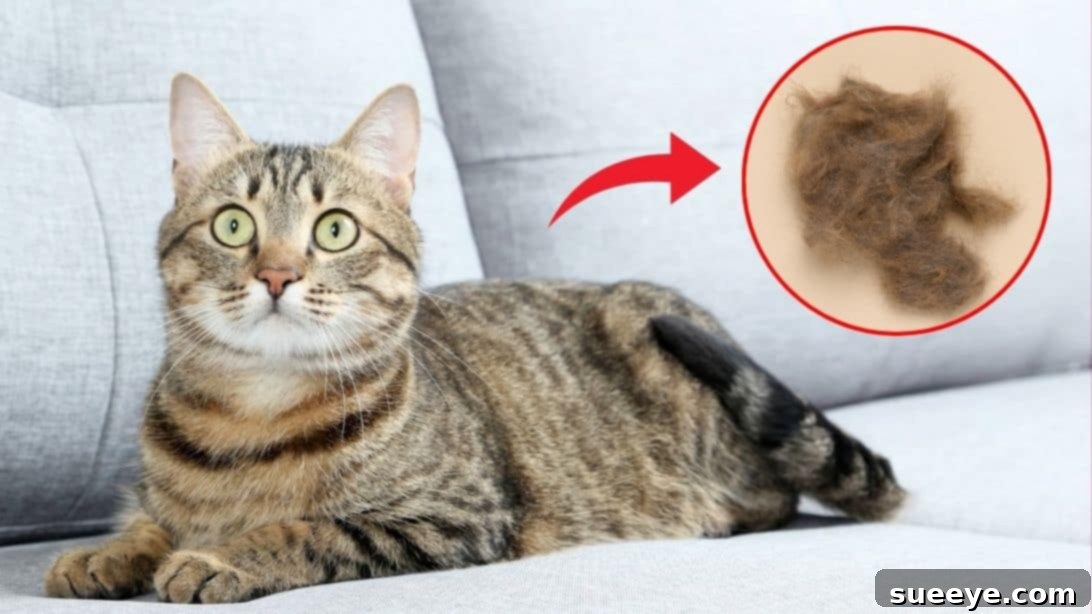
For many of us, pets are more than just animals; they are cherished members of our families. Their playful antics, comforting presence, and unconditional love undoubtedly enrich our lives, contributing to a happier home environment and even reducing stress. However, the joy of pet ownership often comes with a furry challenge: shedding. If you’re tired of battling an endless tide of pet hair that clings to your furniture, embeds itself in carpets, and seems to magically appear everywhere, you’re not alone. The constant struggle to keep your home clean can be daunting, but it doesn’t have to be.
Understanding that owning a pet is a significant responsibility, extending beyond food and vet visits to include diligent home maintenance, is the first step. Animals with fur, particularly dogs and cats, naturally shed their coats. This natural process means hair will inevitably accumulate on your upholstery, bedding, clothes, and carpets, often circulating throughout your living space. But don’t despair! With the right techniques and tools, you can reclaim your home from the furry invasion.
In this comprehensive guide, we’ll delve into proven strategies and clever hacks to effectively remove pet hair from all corners of your home. We’ll explore a range of methods, from simple household items to specialized cleaning tools, ensuring you have an arsenal of solutions at your disposal. Get ready to transform your cleaning routine and enjoy a cleaner, more comfortable living space alongside your beloved companions.
RELATED: How to Make Your Furniture Dust-Proof
Top 7 Effective Methods for Pet Hair Removal
Tackling pet hair requires a strategic approach. Here are seven highly effective methods, recommended by cleaning experts like Angela Brown Cleaning, to help you achieve a truly fur-free home:
1. The Power of Nitrile Gloves (Regular Cleaning Gloves)
Nitrile gloves, or even basic rubber cleaning gloves, are surprisingly effective at attracting and collecting pet hair due to static electricity. This simple household item can become your secret weapon against stubborn fur. To maximize their effectiveness, ensure you use a clean pair specifically dedicated to pet hair removal; avoid using gloves previously used for bathroom or kitchen cleaning to prevent cross-contamination.
How to Use: Wear the gloves and gently sweep your hands over the affected surface. Start from the top of the furniture or carpet section and work your way downwards, moving in one consistent direction. The hair will clump together, forming noticeable “globs” that are easy to pick up. For carpets, you might need to apply a little more pressure and make slower strokes to ensure the embedded hairs are dislodged. Once a glob forms, simply peel it off the glove and discard it into the trash. Rinse the gloves under running water to clean off any remaining hair and let them air dry for future use.
Why it Works: The friction created by rubbing the rubber or nitrile material against fabric generates static electricity, which magnetically attracts loose pet hair, causing it to ball up and detach from the surface. This method is particularly excellent for upholstery, curtains, and even pet beds.
2. Vacuum Cleaner with Hose Attachment
While a standard vacuum cleaner head is good for general floor cleaning, its true potential for pet hair removal on specific surfaces lies in its attachments. The hose attachment, often overlooked, is indispensable for reaching tight spaces and delicate surfaces where pet hair tends to accumulate.
How to Use: Select the appropriate nozzle for your vacuum’s hose attachment. For upholstery, a smaller brush attachment or a crevice tool can work wonders. For stairs or car interiors, a powered brush attachment (if available) can be highly effective. Systematically vacuum the areas, paying close attention to corners, seams, and areas where hair is most concentrated. The strong suction of the hose attachment will lift stubborn clumps of hair that might be missed by the main vacuum head.
Why it Works: The concentrated suction power of a hose attachment, combined with specialized nozzles, allows for precise and deep cleaning, pulling embedded pet hair from fabrics without damaging them. This method is ideal for furniture, drapes, car interiors, and pet beds.
3. Rubber Brush with Bendy Bristles
A rubber brush, often designed specifically for pet hair removal, is a game-changer. Its unique bendy bristles are designed to effectively gather hair, making it an excellent tool for various surfaces.
How to Use: Simply brush the affected surface, whether it’s a sofa, rug, or pet bed. The rubber bristles create friction and static, causing the pet hair to clump together and stick to the brush. You’ll notice the hair coming off in neat bundles, which makes cleanup incredibly easy. After brushing a section, simply peel the collected hair from the bristles and toss it into the trash. Many rubber brushes are also washable, allowing for hygienic reuse.
Why it Works: Similar to rubber gloves, the material of the brush combined with its flexible bristles generates static electricity, effectively attracting and gripping pet hair. The design allows it to work deeper into fabric fibers than a lint roller, pulling out more embedded fur. It’s safe for most fabric types and highly efficient for larger areas of furniture and carpet.
4. Chom Chom Pet Hair Remover
The Chom Chom Roller is a specialized, reusable pet hair remover that has gained immense popularity for its efficiency and eco-friendliness. It’s designed to be a more durable and effective alternative to traditional lint rollers.
How to Use: Roll the Chom Chom back and forth over the hair-covered surface. The unique design and material of the roller generate a static charge that lifts pet hair from carpets, upholstery, and even clothing. As you roll, the hair is collected into an internal compartment. Once you’re done, open the compartment (usually with a simple button or latch) and scoop out the compressed glob of pet hair directly into the trash. No sticky tape refills are needed, making it a sustainable choice.
Why it Works: Its specialized fabric and rolling action create an electrostatic charge that effectively lifts and traps pet hair without using adhesives. It’s incredibly efficient for quick clean-ups and highly effective on a wide range of surfaces, from delicate fabrics to car seats. Its reusable nature makes it a cost-effective long-term solution.
5. Rubber Squeegee
Surprisingly, a standard rubber squeegee, typically used for cleaning windows, can be an excellent tool for extracting pet hair from carpets and upholstery. Its rigid rubber blade is perfect for digging out deeply embedded fur.
How to Use: For carpets, press the rubber blade of the squeegee firmly against the carpet and drag it across the surface. You’ll see the hair gathering in front of the blade. Continue sweeping in consistent strokes, collecting the hair into small piles, which can then be easily picked up by hand or vacuumed. For furniture, use lighter pressure and shorter strokes, ensuring you don’t damage the fabric. This method is particularly effective on low-pile carpets and rugs.
Why it Works: The sharp edge of the rubber blade creates friction and a pulling action that dislodges hair from fabric fibers and brings it to the surface. It acts like a “hair magnet,” making it possible to gather large amounts of fur quickly and efficiently, especially from fibrous materials where hair tends to get woven in.
6. Fabric Softener Solution
Fabric softener isn’t just for laundry; it can be a powerful ally in pet hair removal, especially for larger, less delicate areas like car floor mats and carpets. It works by reducing static cling, making hair easier to release.
How to Use: Create a simple spray solution by mixing one part liquid fabric softener with seven parts water in a multi-purpose spray bottle. Lightly mist the hair-covered area, such as car floor mats or the carpet in your vehicle. Don’t saturate the fabric; just a light dampening is sufficient. Allow the solution to sit for a few minutes, which will help loosen the hair and reduce static. Then, either use a rubber brush, a vacuum cleaner with a hose attachment, or a damp cloth to wipe or vacuum away the loosened hair. The fabric softener also leaves a pleasant scent, helping to neutralize pet odors.
Why it Works: Fabric softener contains ingredients that reduce static electricity in fabrics. By applying it to a surface, it neutralizes the charge that often causes pet hair to cling stubbornly, making it much easier to dislodge and remove with a brush or vacuum.
7. Pumice Stone for Carpet and Rugs
A pumice stone, known for its abrasive yet gentle texture, can be remarkably effective for removing deeply embedded pet hair from carpets and durable fabrics. It’s an excellent option for areas where hair seems impossible to extract.
How to Use: Take a clean pumice stone and gently scrape it across the carpet or rug. It’s crucial to move in one consistent direction – from top to bottom or left to right – and avoid going back and forth or in circles, which could damage the fibers. Apply light to moderate pressure. The porous surface of the pumice stone will grab and pull the embedded hairs out of the carpet fibers, forming small piles that can then be easily picked up or vacuumed. Ensure you leave a small “frame” (about 1 inch) around the edges of the area you are scraping to avoid pulling threads or damaging seams. This method is best for robust, low-pile carpets and rugs, rather than delicate upholstery.
Why it Works: The slightly rough, abrasive surface of the pumice stone creates friction with the carpet fibers, mechanically pulling out deeply trapped hair. It’s especially effective because it can reach hair that vacuums and brushes might miss, without being overly harsh on durable carpet materials.
Here’s another hack for you: How to Remove Set-In Urine Stains From Carpet
Beyond Removal: Preventative Measures for a Fur-Free Home
While effective removal methods are crucial, prevention is always better than cure. By implementing a few proactive strategies, you can significantly reduce the amount of pet hair circulating in your home:
- Regular Grooming: The most effective way to combat shedding is to groom your pet regularly. Brushing your dog or cat daily or several times a week, especially during peak shedding seasons, can capture loose hair before it has a chance to settle on your furniture and floors. Consider professional grooming services for de-shedding treatments.
- Diet and Health: A healthy diet rich in omega fatty acids can contribute to a healthier coat and potentially reduce excessive shedding. Consult your vet if you notice unusually heavy shedding, as it could be a sign of an underlying health issue.
- Furniture Covers: Use washable slipcovers, throws, or blankets on your most frequented furniture pieces. These can be easily removed and laundered, preventing hair from embedding in your upholstery.
- Designated Pet Areas: Provide your pet with a comfortable bed or mat in a specific area. This can help concentrate shedding to one spot, making cleanup easier.
- Air Purifiers: High-quality air purifiers with HEPA filters can help capture airborne pet dander and hair, improving air quality and reducing accumulation on surfaces.
- Regular Vacuuming: Make vacuuming a consistent part of your cleaning routine, even if it’s a quick pass over high-traffic areas. The more frequently you vacuum, the less hair will accumulate and embed.
- Lint Rollers on Hand: Keep lint rollers readily available near entryways or where you get dressed. A quick roll over your clothes before leaving the house can make a big difference.
Embrace a Cleaner, Happier Home
Living with pets brings immense joy, and a little bit of fur shouldn’t detract from that. By integrating these effective pet hair removal techniques and preventative measures into your routine, you can significantly reduce the cleaning burden and enjoy a fresher, more inviting home environment. Experiment with these methods to find which ones work best for your specific pet, furniture, and carpet types. With a consistent approach, you’ll spend less time cleaning up hair and more time enjoying the loving companionship of your furry friends.
Say goodbye to the constant struggle and hello to a cleaner, fur-free haven!