
Unlock Your Freezer’s Potential: 40 Foods That Freeze Exceptionally Well for Smart Meal Prep
Imagine saving significant amounts of money on your grocery bills, reducing frustrating food waste, and always having convenient ingredients ready for your next meal. This isn’t a kitchen dream; it’s a reality easily achievable by mastering the art of freezing food. Your freezer isn’t just for ice cream and frozen dinners; it’s a powerful tool for smart meal planning, allowing you to buy in bulk, preserve seasonal produce, and prepare components for future culinary creations. With the right techniques, many everyday foods can be transformed into long-lasting, freezer-friendly staples. You just need to learn the proper way of storing and using them to make the most of these frozen goods.
Embracing your freezer for meal preparation and food preservation offers a multitude of benefits. Beyond the obvious cost savings from bulk purchases, it empowers you to eat healthier by having wholesome ingredients on hand, limits impulse buys, and drastically cuts down on last-minute cooking stress. From dairy products to fresh produce, and even fully prepared meals, a well-stocked freezer is a true game-changer for any busy household. Let’s dive into a comprehensive list of 40 foods that freeze exceptionally well, offering practical tips and insights to help you maximize your freezer’s potential.
The Ultimate Guide to Freezer-Friendly Foods for Efficient Meal Prep
According to expert advice, including insights from channels like She’s In Her Apron, the variety of foods suitable for freezing is extensive. Here’s an expanded look at these fantastic options:
Dairy Products & Eggs
- Frozen Butter: Butter is an excellent candidate for freezing. It holds up remarkably well in the freezer, maintaining its texture, flavor, and consistency for months. Simply store it in its original packaging, or wrap it tightly in foil or freezer paper, then place it in an airtight freezer bag. When needed, thaw it in the refrigerator overnight. It’s perfect for baking, cooking, or spreading.
- Milk: While milk can sometimes separate slightly when frozen and thawed, a good shake will usually restore its consistency. Freezing milk is ideal for extending its shelf life, especially if you buy larger quantities. Pour some out to allow for expansion before freezing. Thawed milk is best used for cooking, baking, or in smoothies, where minor texture changes are less noticeable.
- Sour Cream, Cottage Cheese, and Cream Cheese: These dairy products can be frozen, but it’s important to note that their texture will change upon thawing. They tend to become a bit watery or crumbly, particularly cottage cheese, making them less ideal for fresh consumption or dips. However, they are perfectly suitable for use in cooked dishes like casseroles, soups, sauces, or baked goods where their texture can be reintegrated.
- Yogurt: Similar to other cultured dairy products, yogurt’s consistency will alter after freezing and thawing, becoming more liquid or grainy. However, it remains a fantastic ingredient for smoothies, baking, marinades, or any recipe where it will be blended or cooked. Freezing individual portions in muffin tins can make it easy to grab for smoothies.
- Cheese (Shredded or Block): Cheese freezes surprisingly well, especially shredded varieties. When you purchase a bag of shredded cheese, simply place it directly into your freezer. When you’re ready to use it, gently scrunch up the bag to break apart any clumps, then let it thaw in the refrigerator. Block cheese can also be frozen; it may become slightly more crumbly, but it’s perfect for grating and melting into dishes like pizzas, gratins, or quesadillas.
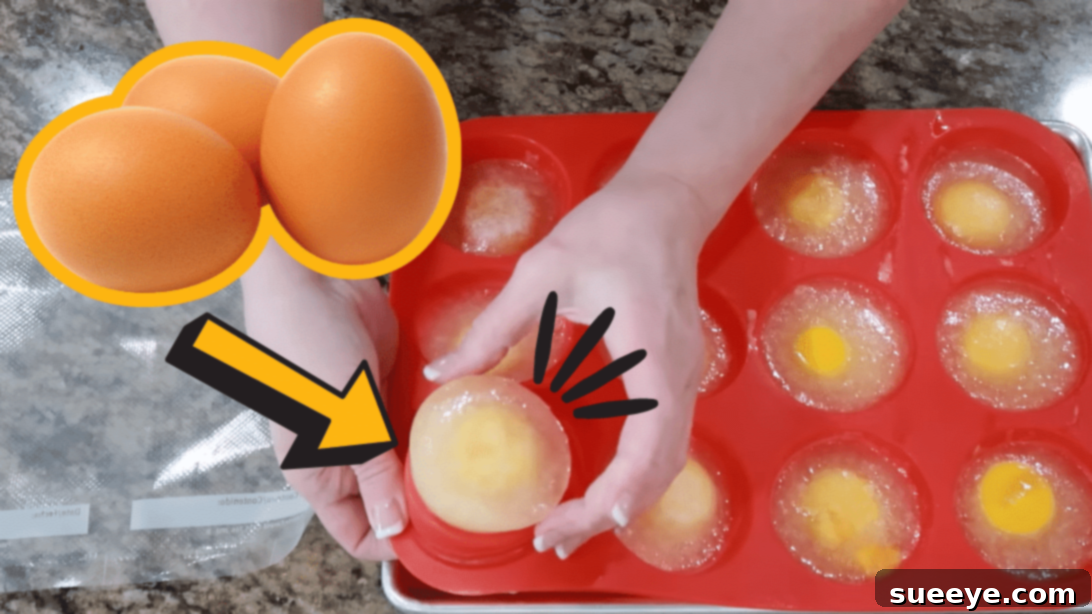
- Eggs: Never freeze eggs in their shells, as they will crack. Instead, crack eggs into silicone muffin trays or ice cube trays. For individual eggs, lightly whisk them before freezing, or separate whites and yolks. Place the trays on a flat cutting board or cookie sheet for stability in the freezer. Once solid, pop them out and transfer them to freezer bags. Thawed eggs are excellent for scrambling, omelets, or baking.
Fruits & Vegetables
- Avocado: To freeze avocados, cut them in half, remove the pit and peel, then rub the cut surfaces with lemon or lime juice to prevent browning. Store them in a vacuum-seal bag or an airtight freezer bag, removing as much air as possible. Frozen avocado is best used in smoothies, guacamole, or mashed for spreads after thawing, as its texture may soften slightly.
- Garlic and Onions: These kitchen staples are excellent for bulk freezing. Dice or mince them before freezing for ultimate convenience. Spread them in a single layer on a baking sheet to flash freeze, then transfer to a freezer bag or container. This allows you to easily grab a handful whenever a recipe calls for them, saving precious prep time.
- Mashed Potatoes: Prepare your mashed potatoes as usual with milk, butter, and salt for the best flavor. Allow them to cool slightly, then scoop individual portions onto a baking sheet lined with parchment paper. Flash freeze until solid, then transfer the frozen mounds into a zipper bag. They reheat beautifully in the microwave or oven, making a quick and comforting side dish.
- Tomatoes: Freezing whole tomatoes is incredibly easy. Simply wash them and place them in freezer bags. When thawed, their texture will be soft, making them perfect for sauces, soups, stews, or turning into homemade ketchup, tomato paste, or salsa. There’s no need to blanch or peel them before freezing if you’re using them for cooked applications.
- Corn on the Cob: For best results, blanch corn on the cob for a few minutes before freezing to preserve its flavor and texture. Once cooled, cut the cobs in half or remove the kernels, then place them in a vacuum-seal or freezer bag. Frozen corn on the cob is a delightful side dish, and kernels are perfect for salads, stir-fries, or salsas.
- Jalapeños: If you have an abundance of fresh jalapeños, dicing them and freezing them in a container is a great way to preserve their heat and flavor. They can be added directly to cooked dishes like chili, tacos, or stir-fries without needing to thaw, providing a convenient spicy kick whenever you need it.
- Butternut Squash: Peel, slice, and clean the seeds from butternut squash before freezing. You can freeze it raw in cubes for soups and stews, or roast/steam it until tender, then mash it and freeze in portions for quick purees, soups, or even baby food.
- Grapes: Frozen grapes are a surprisingly delicious and refreshing snack. Wash them, pat them dry, and spread them on a baking sheet to flash freeze. Once solid, transfer them to a freezer bag. They’re also excellent as natural “ice cubes” in drinks, providing a cooling effect without diluting your beverage.
- Bananas and Berries: These fruits are freezer superstars! Peel ripe bananas and freeze them whole or sliced for smoothies, banana bread, or nice cream. Wash and dry berries thoroughly, then spread them in a single layer on a baking sheet to flash freeze before transferring to a freezer bag. They are perfect for smoothies, baking, or as toppings.
- Peaches: To freeze peaches, you can peel and slice them, often with a little lemon juice to prevent browning. Spread them on a baking sheet to flash freeze, then store in freezer bags. They are wonderful for pies, cobblers, smoothies, or as a flavorful addition to oatmeal and yogurt.
- Zest from Lime, Lemon, and Oranges: Don’t let citrus zest go to waste! Grate the zest from your citrus fruits and freeze it in small containers or even ice cube trays with a tiny bit of water. It’s fantastic for adding a burst of fresh flavor to baking, marinades, dressings, or savory dishes directly from the freezer.
Baked Goods, Grains & Prepared Foods
- Apple Pie Filling: Prepare your apple pie filling as you normally would, then allow it to cool. Instead of putting it into a pie crust immediately, portion it onto parchment paper-lined plates or a baking sheet and freeze until solid. Once frozen, wrap the portions tightly in plastic wrap and place them in a zipper bag. This allows you to have homemade pie filling ready for spontaneous baking.
- Cooked Rice: Cooked rice freezes beautifully and is a fantastic way to save time on busy weeknights. Allow it to cool completely, then portion it into freezer-safe containers or bags. When reheating, add a tablespoon or two of water per cup of rice to restore moisture, as it tends to dry out slightly during freezing. It’s perfect for quick side dishes or stir-fries.
- Cooked or Dry Beans: If you cook dry beans from scratch, freezing them in pre-portioned amounts is incredibly efficient. Allow cooked beans to cool, then store them in their cooking liquid in freezer-safe containers. For dry beans, you can simply store them as is in an airtight container for very long-term storage, extending their shelf life far beyond typical pantry storage.
- Homemade or Store-Bought Pesto: Pesto freezes wonderfully. To prevent discoloration, pour a thin layer of olive oil over the top before freezing in small containers or ice cube trays. Once frozen, pop out the cubes and store them in a freezer bag. This allows you to have fresh, vibrant pesto ready to add to pasta, sandwiches, or pizzas year-round.
- Cookie Dough, Pizza Dough, and Pie Crust: These raw doughs are ideal for freezing. Portion cookie dough into balls and freeze, then bake from frozen. Pizza dough can be shaped into individual crusts and frozen. Pie crusts can be rolled out and fitted into pie plates, then frozen, ready to be filled and baked. This makes homemade baking incredibly convenient.
- Bread or Sandwiches: Most types of bread freeze well. Slice loaves before freezing so you can pull out just what you need. For sandwiches, assemble them (avoiding watery fillings like lettuce or tomatoes until serving) and wrap them tightly before freezing. They’re perfect for packed lunches and will thaw by lunchtime.
- Breadcrumbs: Don’t throw out stale bread! Process it into breadcrumbs and freeze them in a freezer bag. They’re always ready for coating, topping, or as a binding agent in recipes, preventing waste and saving money.
- Pancakes or French Toast: Make a large batch of pancakes or French toast, let them cool, then flash freeze them on a baking sheet. Once solid, transfer to a freezer bag. You’ll have quick, delicious breakfasts that just need a toaster or microwave to reheat.
- Tortillas or Rolls: Both tortillas and dinner rolls freeze well. Wrap them tightly in their original packaging or extra foil/plastic wrap and place them in a freezer bag. Thaw them at room temperature or warm them gently in the oven for fresh-ttasting results.
- Cooked Pasta: Slightly undercook pasta before freezing, as it will continue to cook slightly when reheated. Toss with a little olive oil to prevent sticking, then portion into freezer bags or containers. Thaw and reheat with your favorite sauce for a quick meal.
- Flour: Freezing flour, especially whole wheat or specialty flours, extends its shelf life and prevents pests. Store it in an airtight container in the freezer. It doesn’t need to be thawed before use, though bringing it to room temperature is recommended for baking.
- Nuts: Nuts contain oils that can go rancid over time. Freezing them in an airtight container significantly extends their freshness, preserving their flavor and preventing spoilage, making them ideal for long-term storage for baking or snacking.
Meats & Proteins
- Any Type of Meat: Most meats, whether cooked or raw, freeze exceptionally well. This includes cured meats like pepperoni or salami, which can be sliced and frozen for easy portioning in future meals like pizzas or charcuterie boards.
- Ground Sausage: Ground sausage, like other ground meats, is perfect for freezing. Portion it into meal-sized amounts, flatten the bags for quicker thawing, and label clearly. It’s a convenient ingredient for pasta sauces, casseroles, or breakfast dishes.
- Raw Meat (Chicken, Turkey, Pork Loin, Beef): Raw meats are prime candidates for freezer storage. For optimal quality, portion meat into meal-sized servings before freezing. Wrap them tightly in plastic wrap or vacuum seal to prevent freezer burn, then place in freezer bags. Always thaw raw meat safely in the refrigerator or using cold water. Freezing raw meat allows for bulk purchasing and ensures you always have protein on hand for stir-fries, roasts, or grilling.
General Freezing Tips for Maximum Efficiency
To ensure your frozen foods maintain their quality and safety, consider these essential tips:
- Proper Packaging: Air is the enemy of frozen food. Use freezer-safe bags, airtight containers, or vacuum sealers to prevent freezer burn and preserve freshness. Remove as much air as possible from bags.
- Labeling: Always label your frozen items with the food name and the date it was frozen. This helps you rotate your stock and ensures you use items within their recommended freezer life.
- Cool Before Freezing: Allow hot foods to cool completely to room temperature before placing them in the freezer. This prevents raising the internal temperature of the freezer, which can partially thaw other items and affect food safety.
- Portion Control: Freeze foods in portions that make sense for your household. This allows you to thaw only what you need, reducing waste.
- Thawing Safely: The safest way to thaw most frozen foods is in the refrigerator overnight. For quicker thawing, use the cold water method (change water every 30 minutes) or the microwave (cook immediately after thawing). Never thaw foods at room temperature.
- Recommended Storage Times: While freezing significantly extends shelf life, it doesn’t last forever. Most cooked foods are best used within 3-4 months, while raw meats can last 6-12 months.
Embrace Your Freezer: A Powerful Tool for a Smarter Kitchen
By incorporating these 40 freezer-friendly foods and best practices into your routine, you’re not just storing food; you’re investing in a more organized, economical, and less stressful approach to cooking. From dairy and produce to grains and meats, your freezer is a powerful ally in minimizing food waste, capitalizing on sales, and making healthy eating more accessible. Start experimenting with these options today, and unlock the full potential of your freezer to transform your meal preparation habits forever!